この旅について
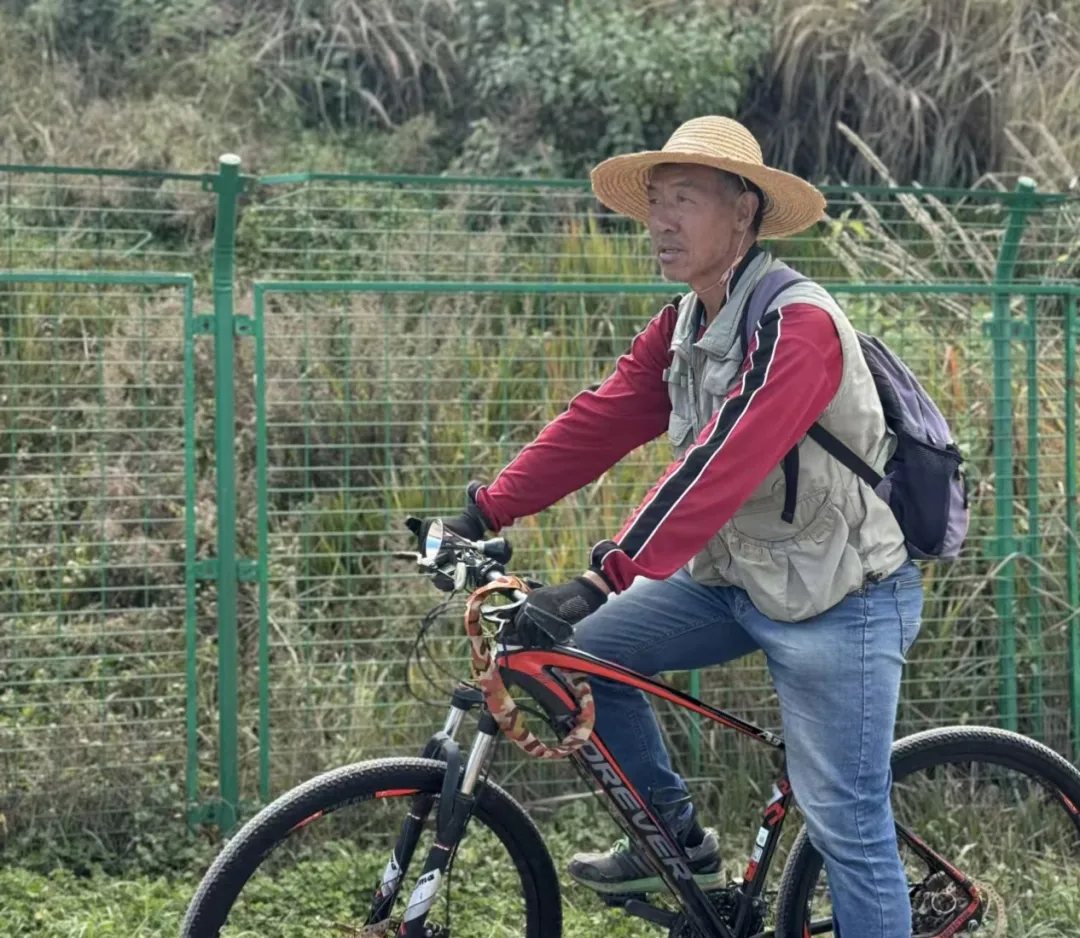
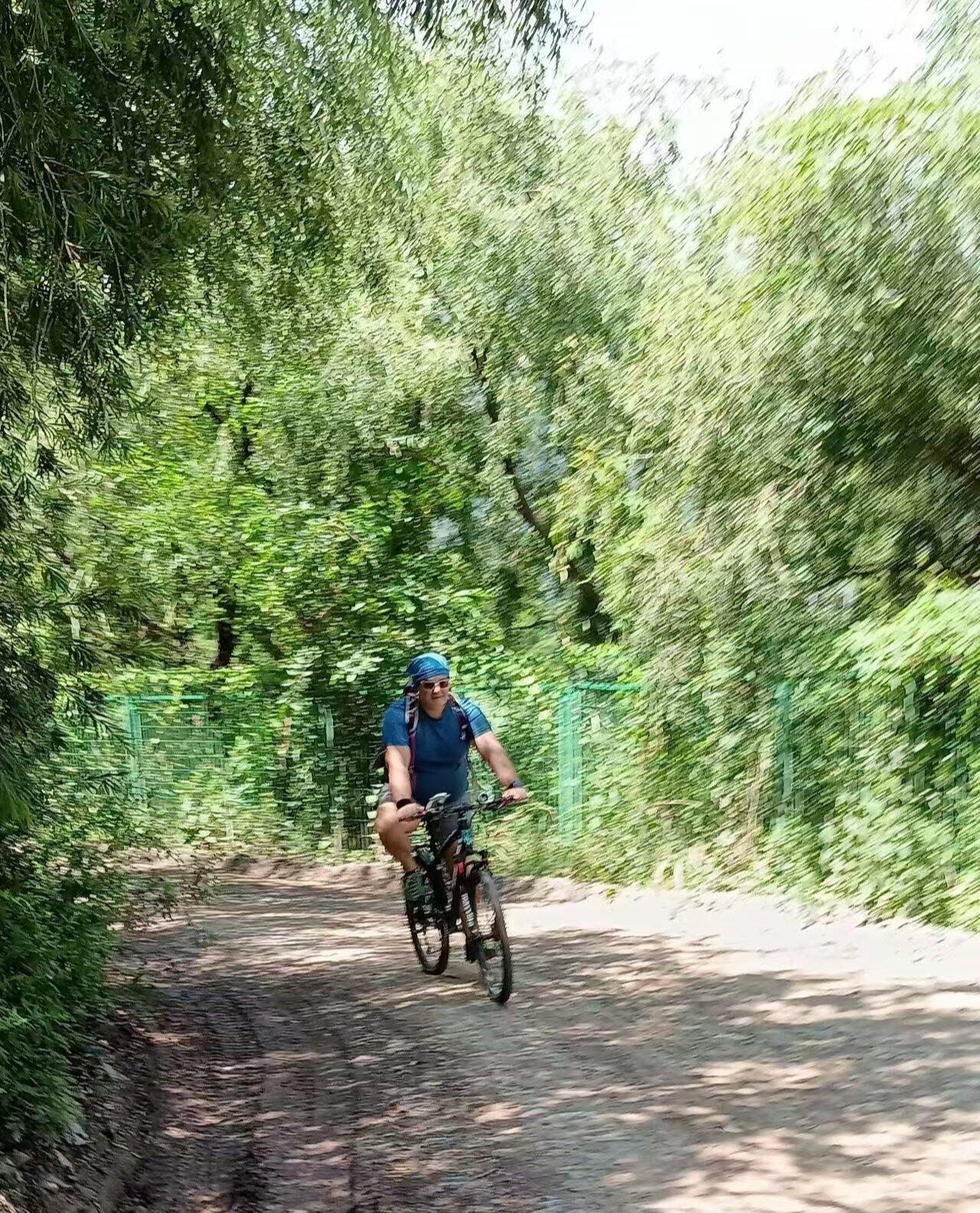
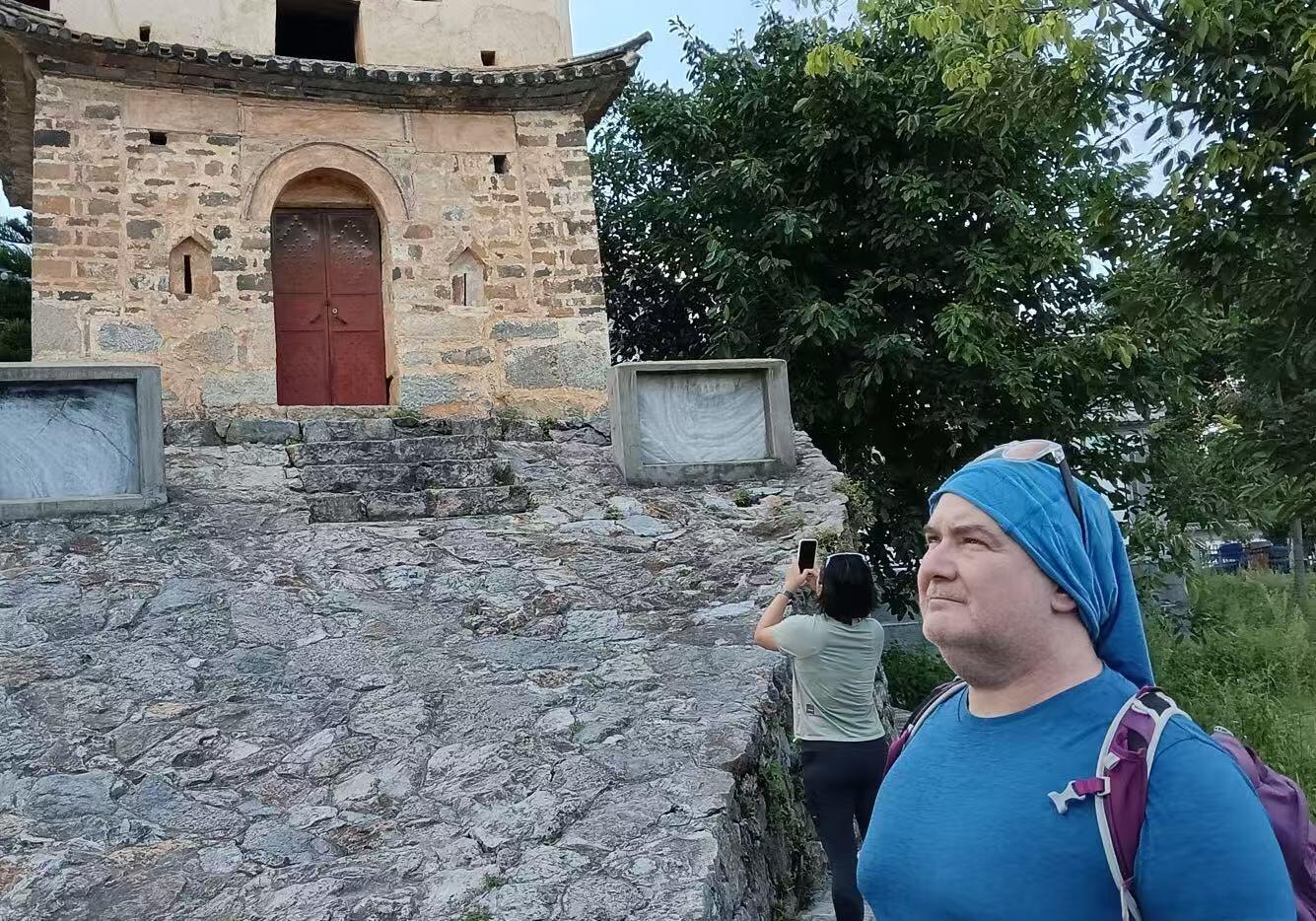
67-year-old Brother Ding comes from a village near the Longshou Pass. He is familiar with the surrounding mountains and rivers and has his own understanding of local plants, forests, and routes. Unlike other guides, he carries the imprint of the previous generation and has worked for the NGO "Green Kunming" for many years. The hikes and cycling trips he leads in his hometown have a unique atmosphere.
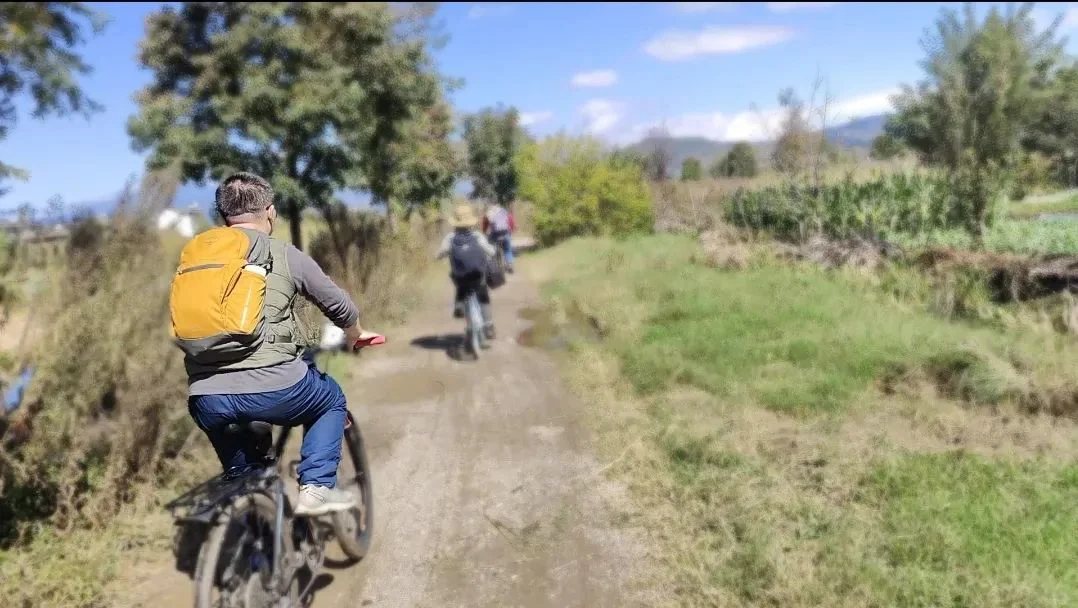
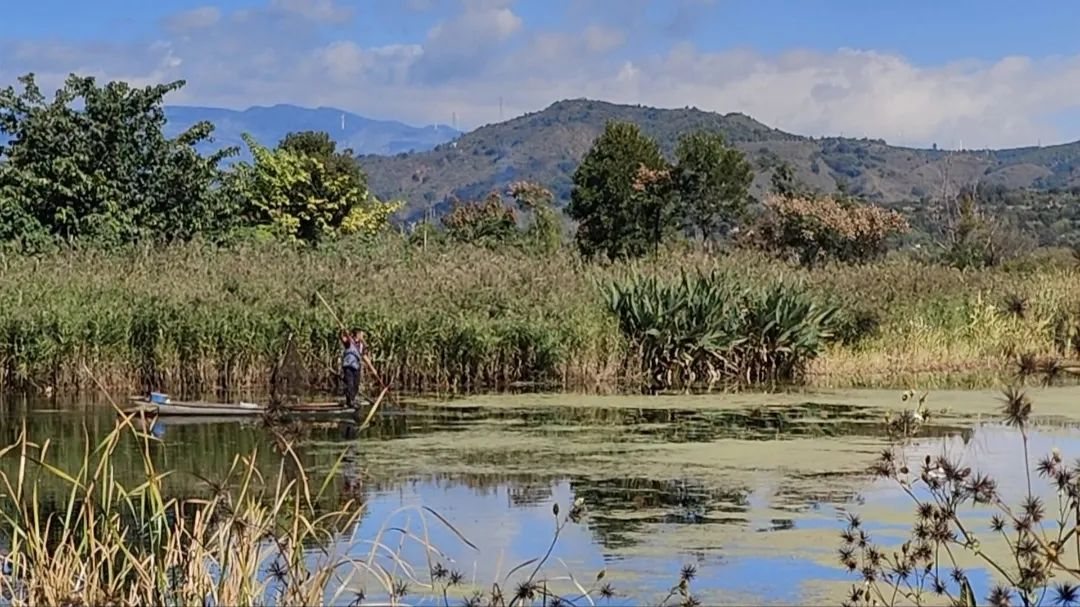
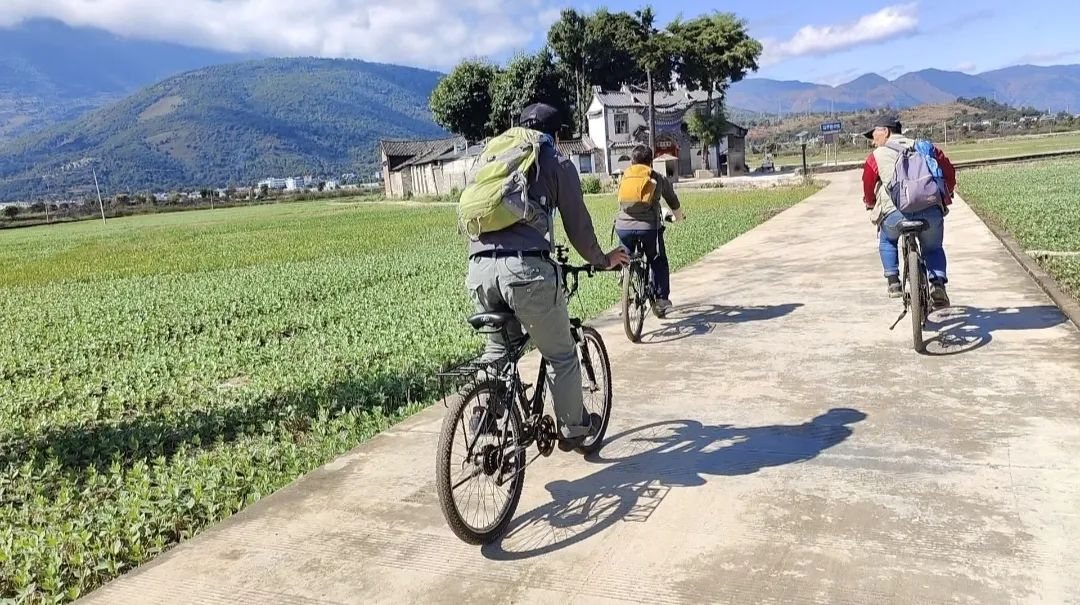
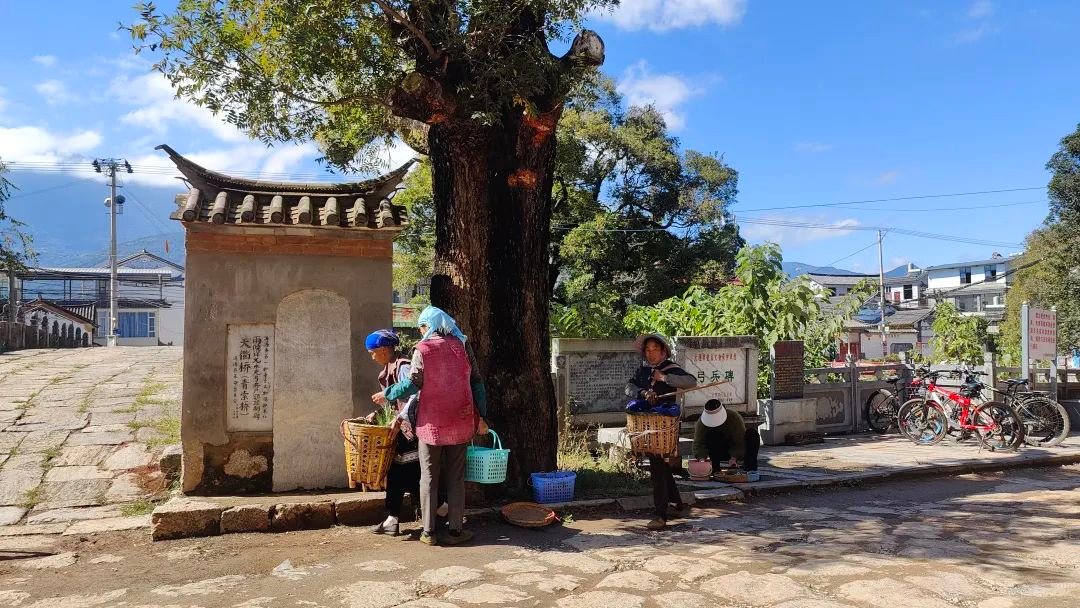
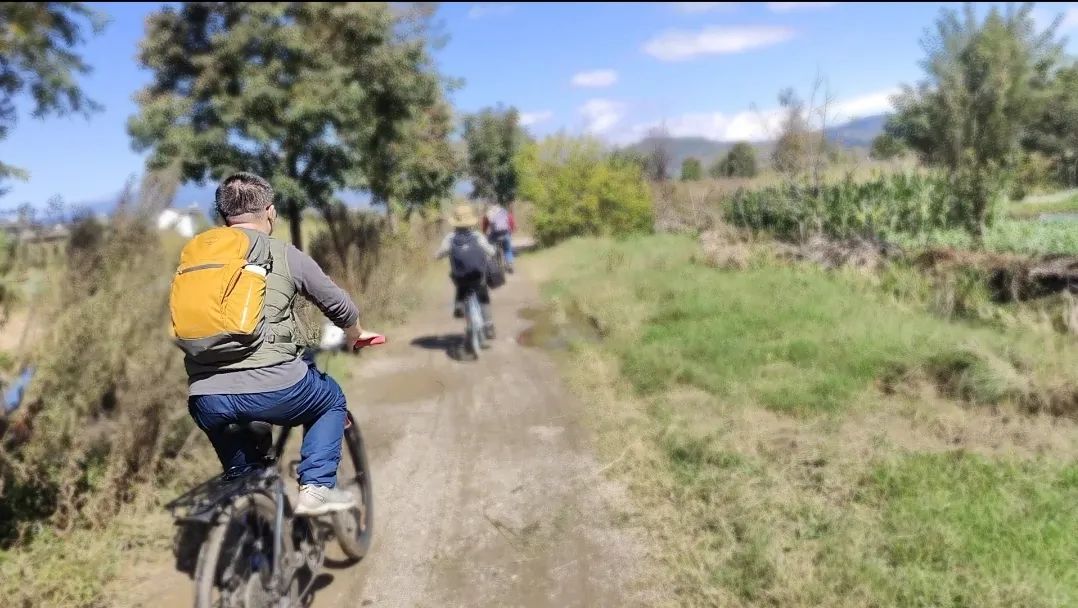
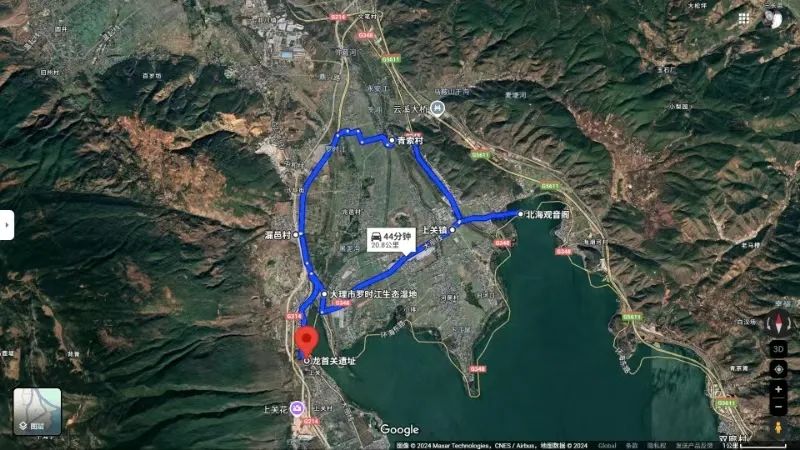
This is Brother Ding's cycling trip. We ride through villages, experiencing local rural customs and traditional culture. We pass by the Nanzhao Longshou Pass, a wetland where the Luoshi River flows into Erhai Lake. Tens of thousands of migratory birds from Siberia come here to spend the winter. Along the country roads, we visit natural villages, Benzhu Temples (local shrines), the Lady Bojie Temple (related to Nanzhao history), the thousand-year-old Qingsuo Village (famous for villagers placing lanterns under the Qingsuo Bridge during the Zhongyuan Festival), and the historically significant Beihai Guanyin Pavilion.
The terrain we traverse resembles the Golden-winged Dapeng Bird in the traditional Buddhist culture of Nanzhao and Dali. Brother Ding will share local legends and stories. If you come on a Saturday, you can also experience the weekly "Jiangwei Market".
Itinerary:
Starting point: Brother Ding's home (30 km from Dali Old Town)
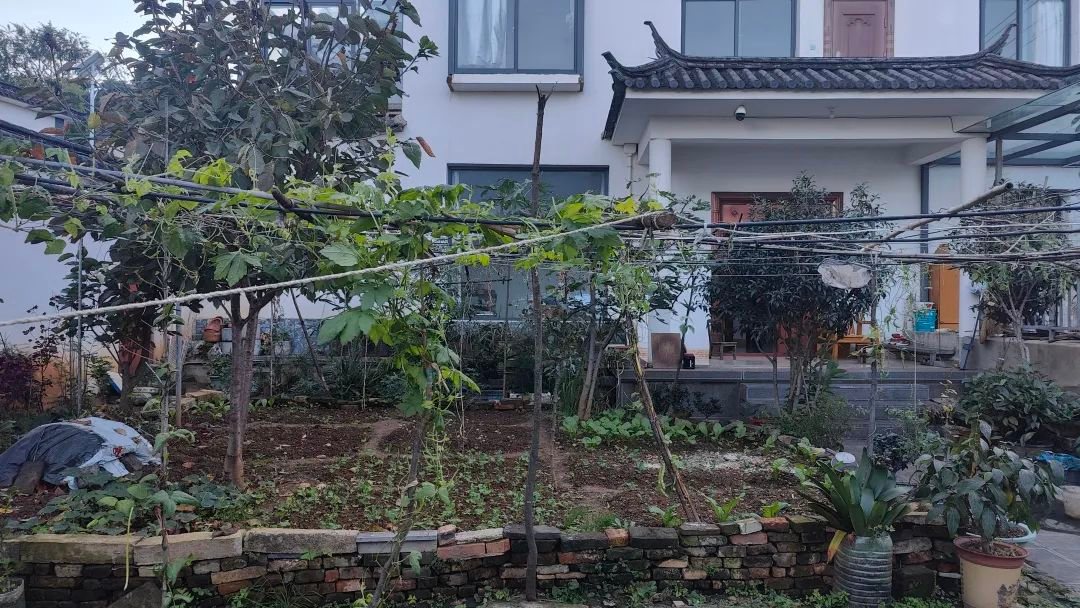
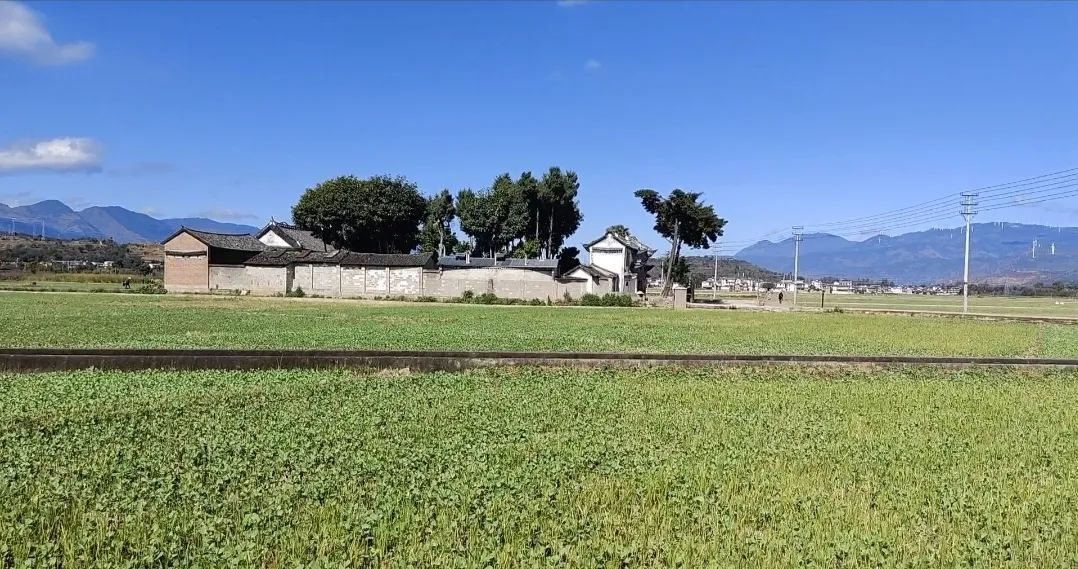
The journey begins at Brother Ding's home, which is located in an alley. You can also visit a modern Bai family courtyard.
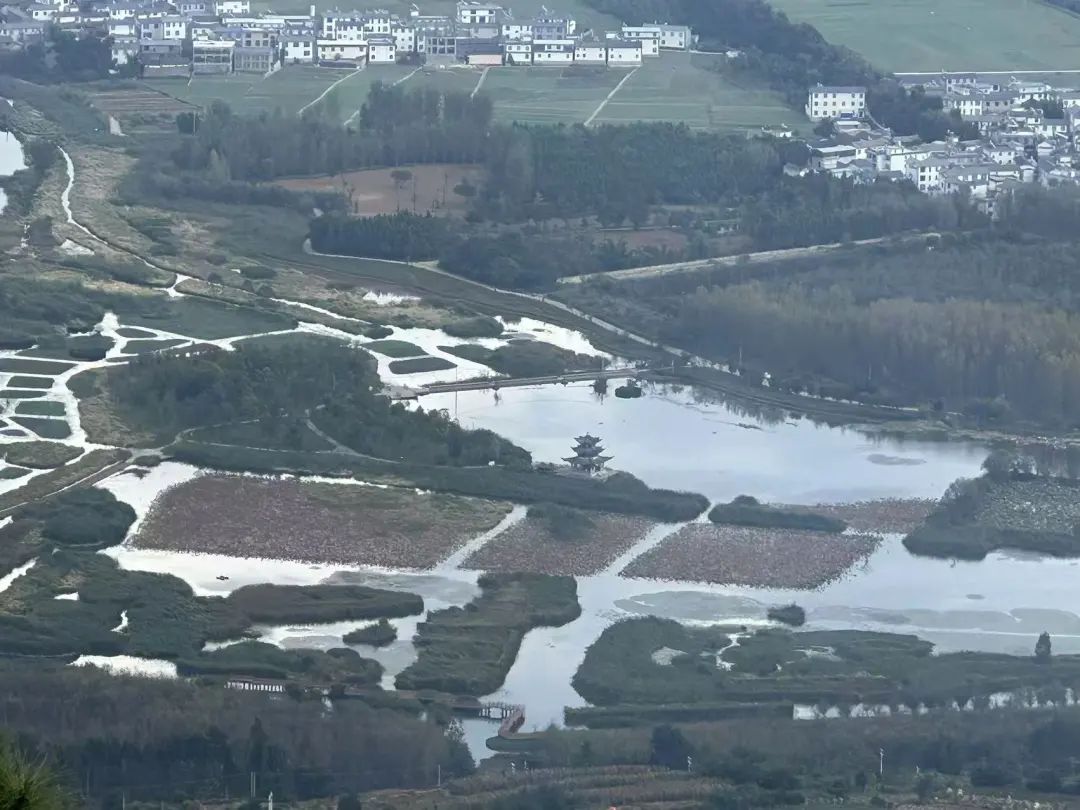
First stop: Luoshi River Wetland
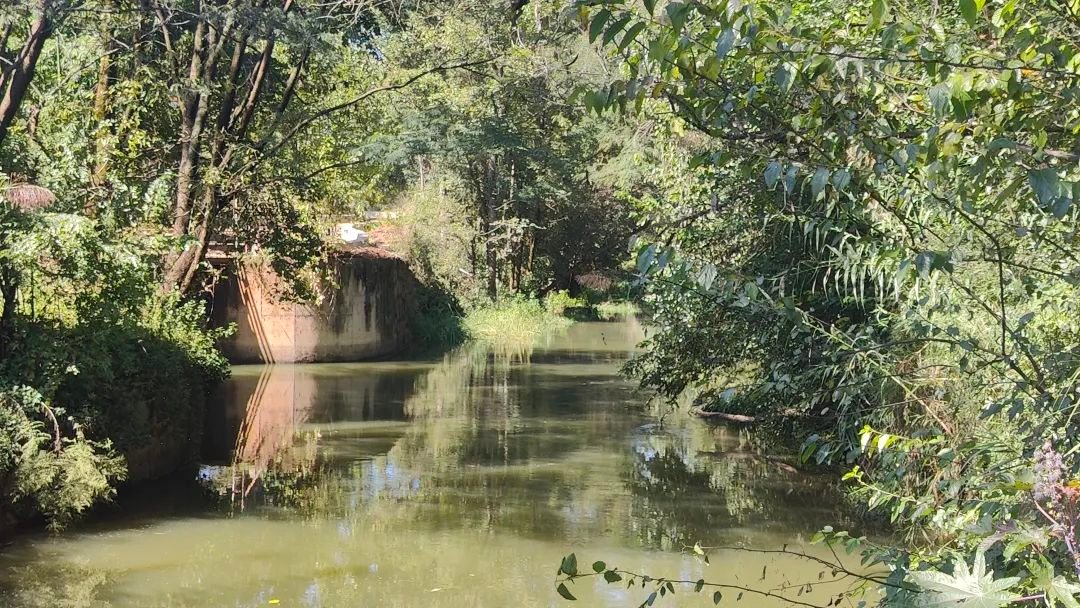
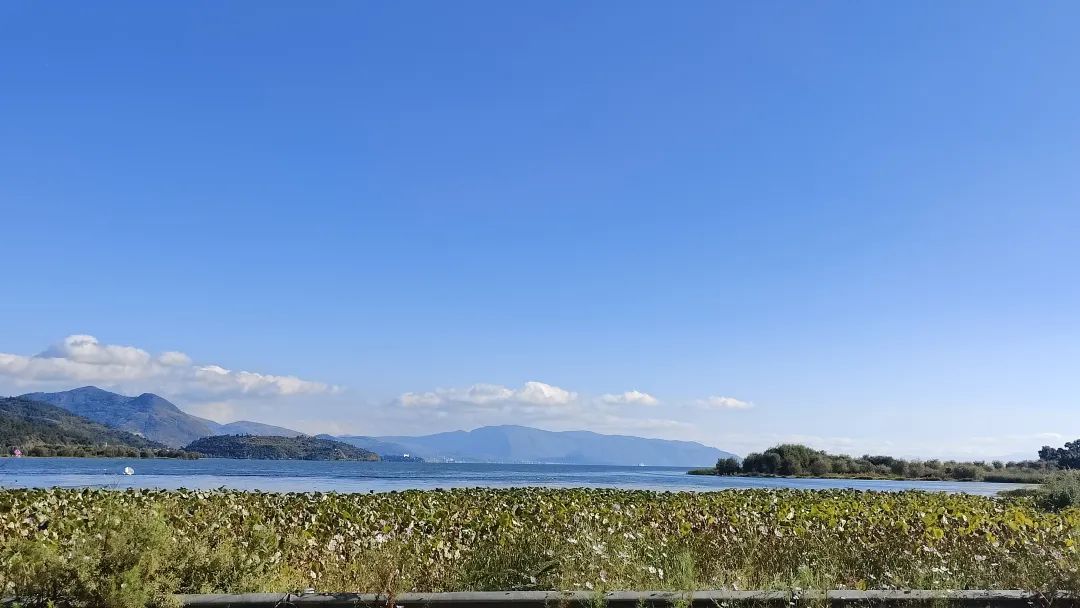
We ride out along the shore of Erhai Lake and soon reach the Luoshi River Wetland, where the water flows into the lake at the foot of Cangshan Mountain.
Your browser does not support the tag.
Second stop: Lady Bojie Temple in the village
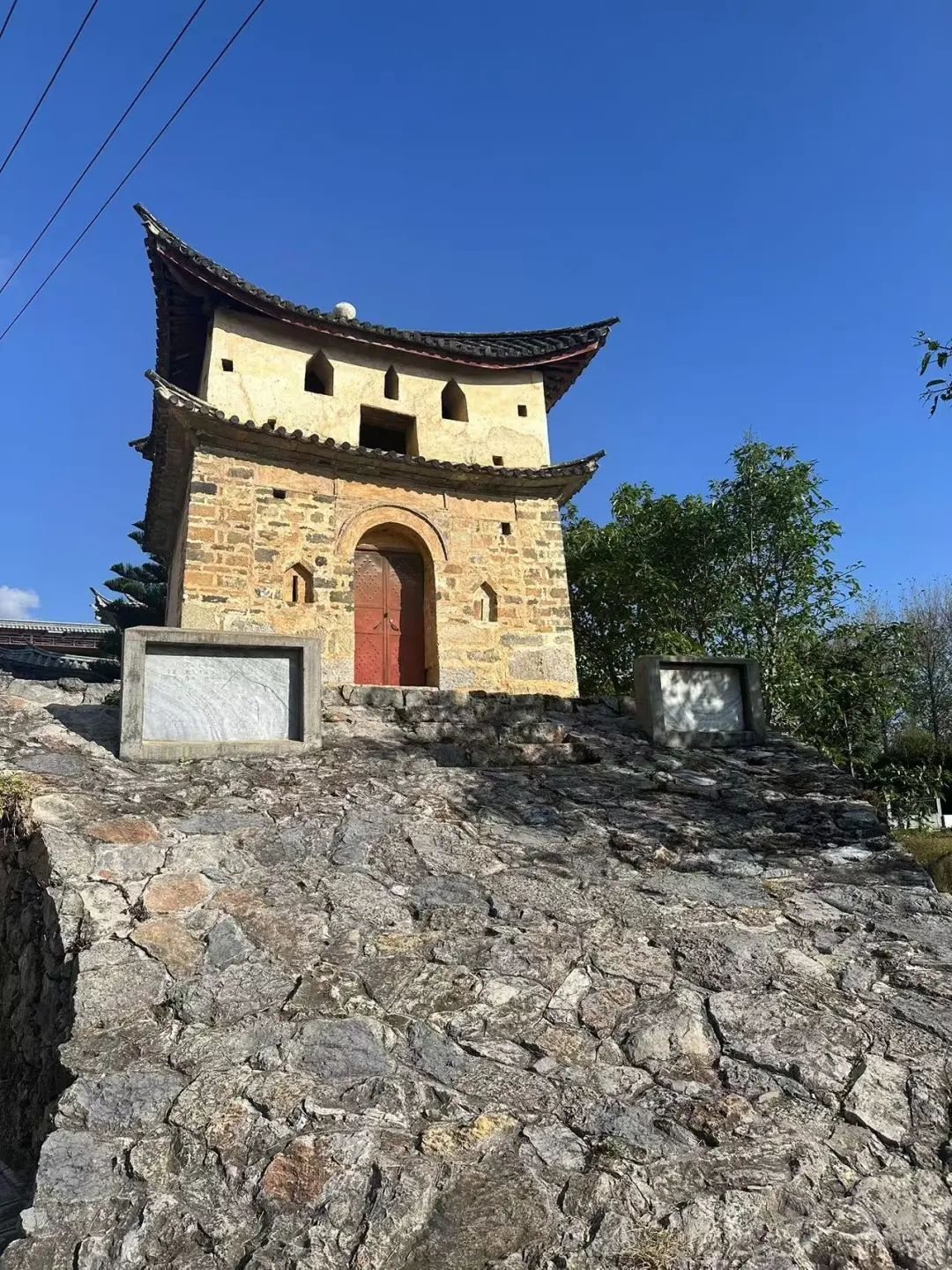
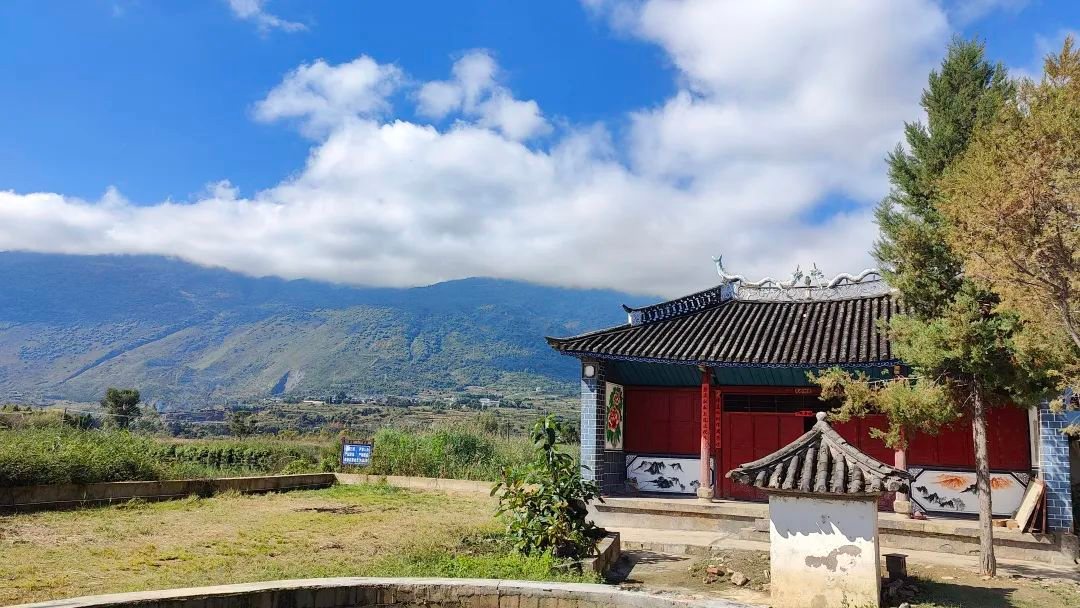
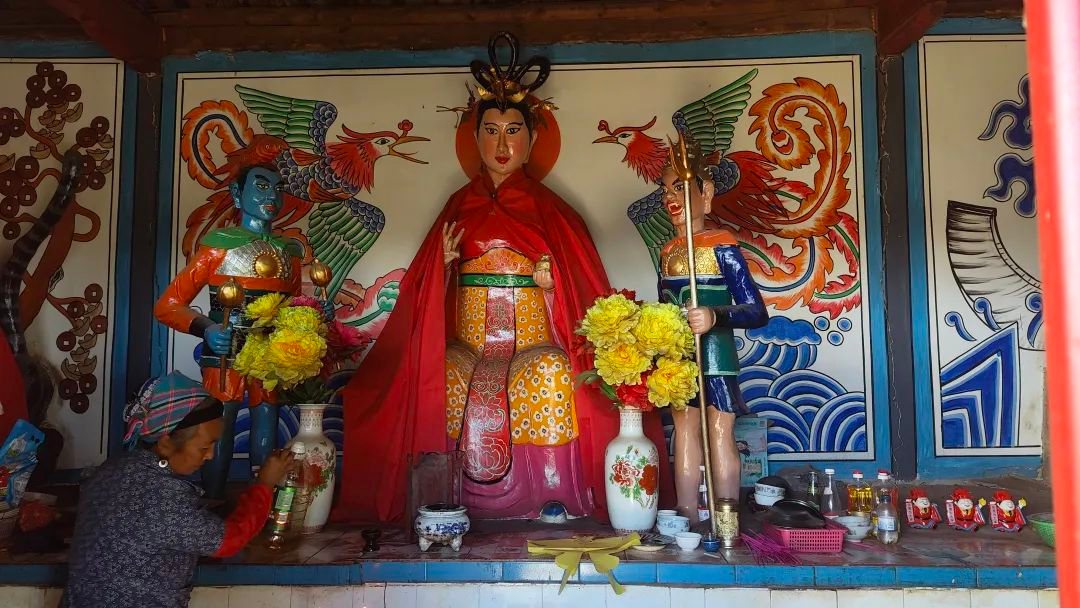
Lady Bojie is a historical figure. Legend has it that when the leader of the Mengshe Zhao burned the Songming Tower in an attempt to unify the six zhaos, she jumped into Erhai Lake to follow her husband in death. The local people admired her courage and commemorated her, even associating her with the Torch Festival. The Longshou Pass area was once part of the Shilang Zhao, and there is a temple dedicated to Lady Bojie here.
Inside the temple, there is a spring. If you shout "Duohua" (Bai language, meaning "boiling water"), the water will gush out. Brother Ding calls this spring "Gurgling Spring".
Your browser does not support the tag.
Third stop: Zhaoyi Benzhu Temple
We continue riding along village paths. Due to urban development, these paths are becoming fewer, and many have turned into concrete roads. However, Brother Ding is familiar with the paths, so we happily follow them. We pass by lakes where locals fish, fields, and finally arrive at the Zhaoyi Benzhu Temple.
Your browser does not support the tag.
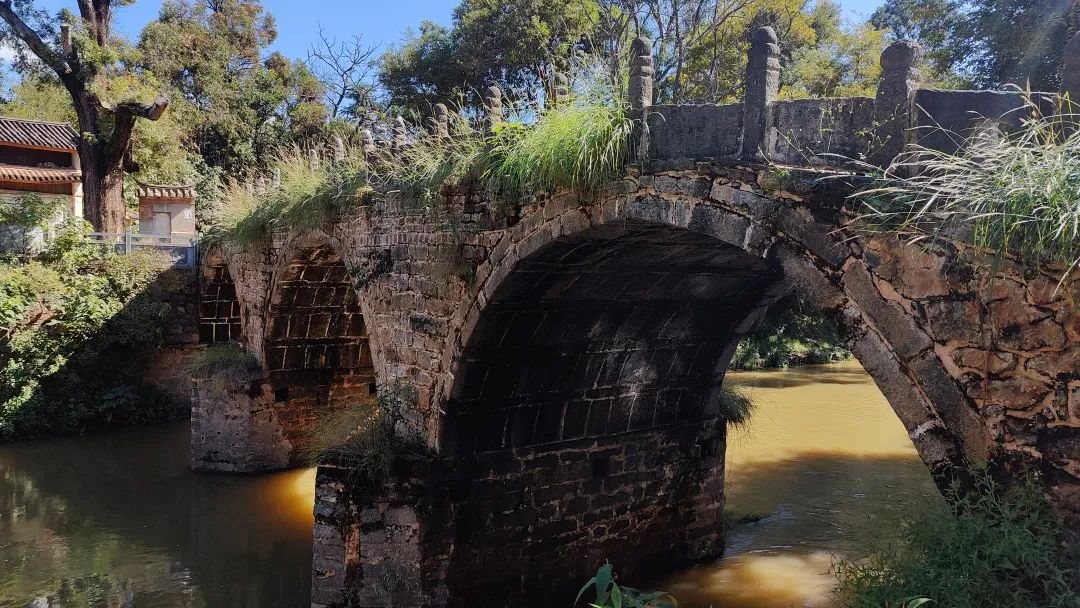
Fourth stop: Miju River and the thousand-year-old Qingsuo Bridge
Qingsuo Village is said to have originated from the Three Kingdoms period, when Zhuge Liang built a bridge with green vines to cross the river, giving the village its name.
One day, when I visited Qingsuo Village on my own, I encountered a guest who had joined the cycling trip. They were so enchanted that they returned the next day to picnic on the bridge. A few meters away, the Yong'an River runs parallel. So not only is the river lantern festival special here, but a visit on an ordinary day is also a great experience. The Miju River and Yong'an River flow parallel, only ten meters apart, in this ancient village.
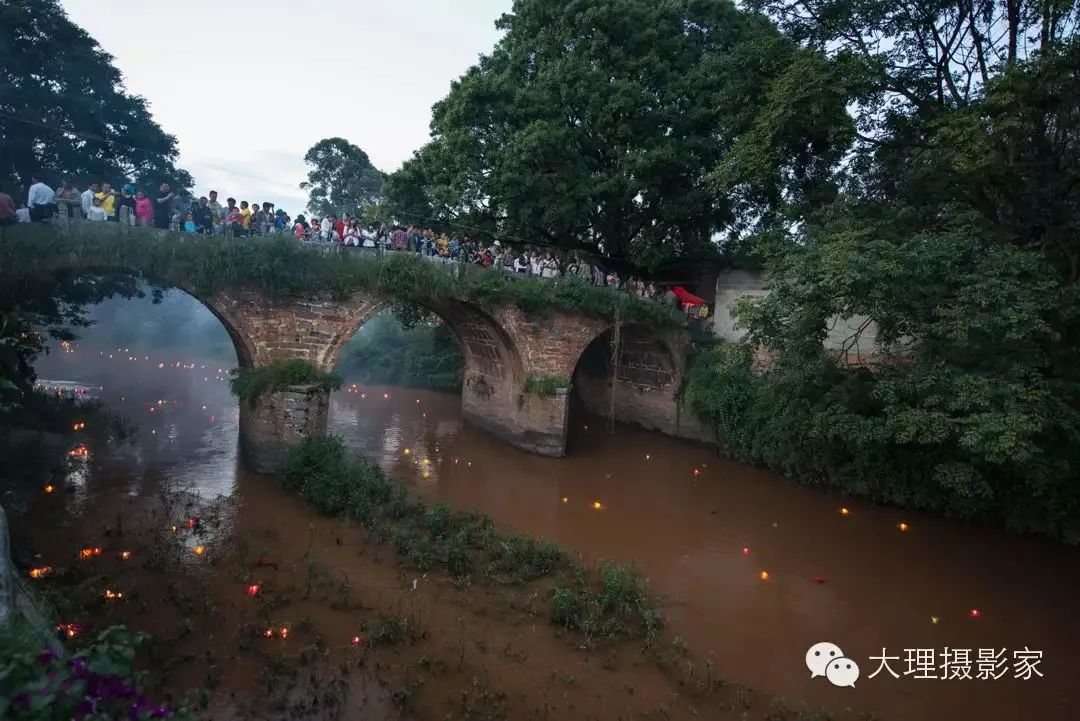
Every year on the 15th day of the seventh lunar month, Qingsuo Village in Shangguan Town celebrates its most important festival, the River Lantern Festival. On this day, local Bai villagers gather around the Tianqu Bridge. Colorful sacrificial items are hung on the bridge. The elderly recite scriptures and burn incense, praying for good weather, abundant harvests, and honoring ancestors and the deceased.
At dusk, young men and women, full of devotion, go to the Benzhu Temple to pay respects and make wishes. Then they come to the river, light exquisite river lanterns one by one, and set them adrift on the Miju River.
Your browser does not support the tag.
Fifth stop: Jiangwei Market (every Saturday)
Every village or town in Dali holds a weekly market, similar to a temple fair, with food, drinks, clothes, pets, flowers, etc. Some markets follow the lunar calendar, others the solar calendar, but Jiangwei Market is held every Saturday. If the timing is right, you can join the market on this day. The more rural the market, the more traditional the people's clothing.
We ride alternately along the Miju River and Yong'an River to the Jiangwei Market, where we see villagers using traditional fishing nets and shopping at the market.
Your browser does not support the tag.
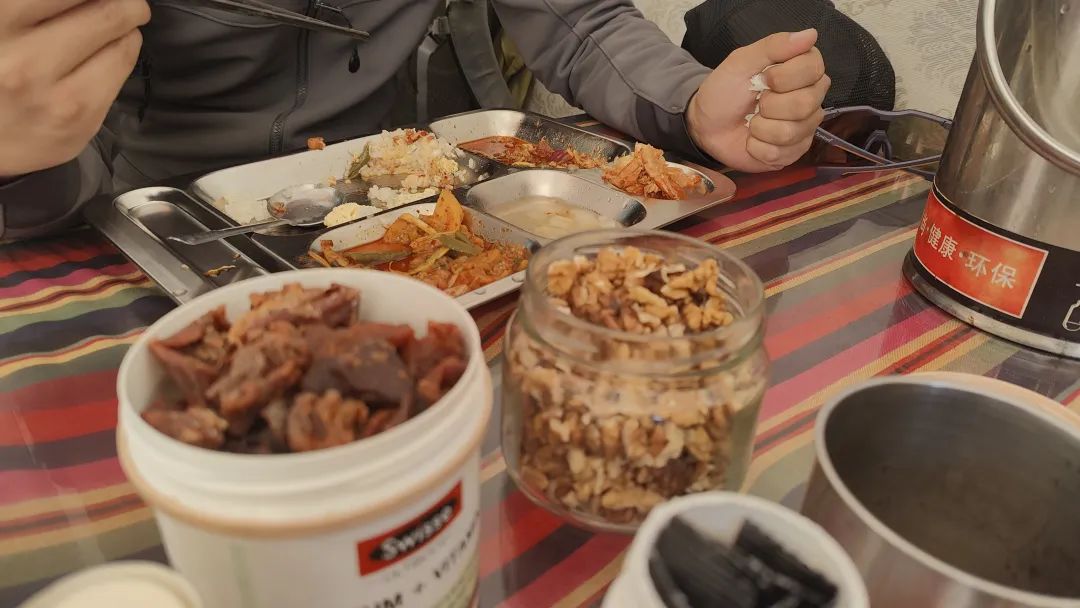
We will have lunch at a local small restaurant or at the market, costing about 10-15 yuan per person.
Your browser does not support the tag.
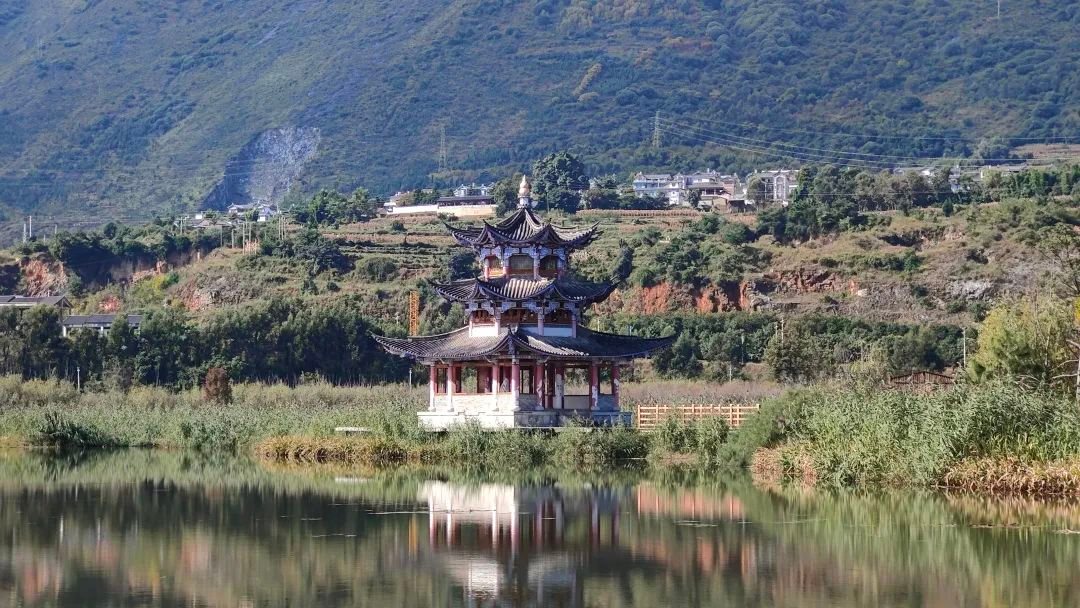
Sixth stop: Beihai Guanyin Pavilion
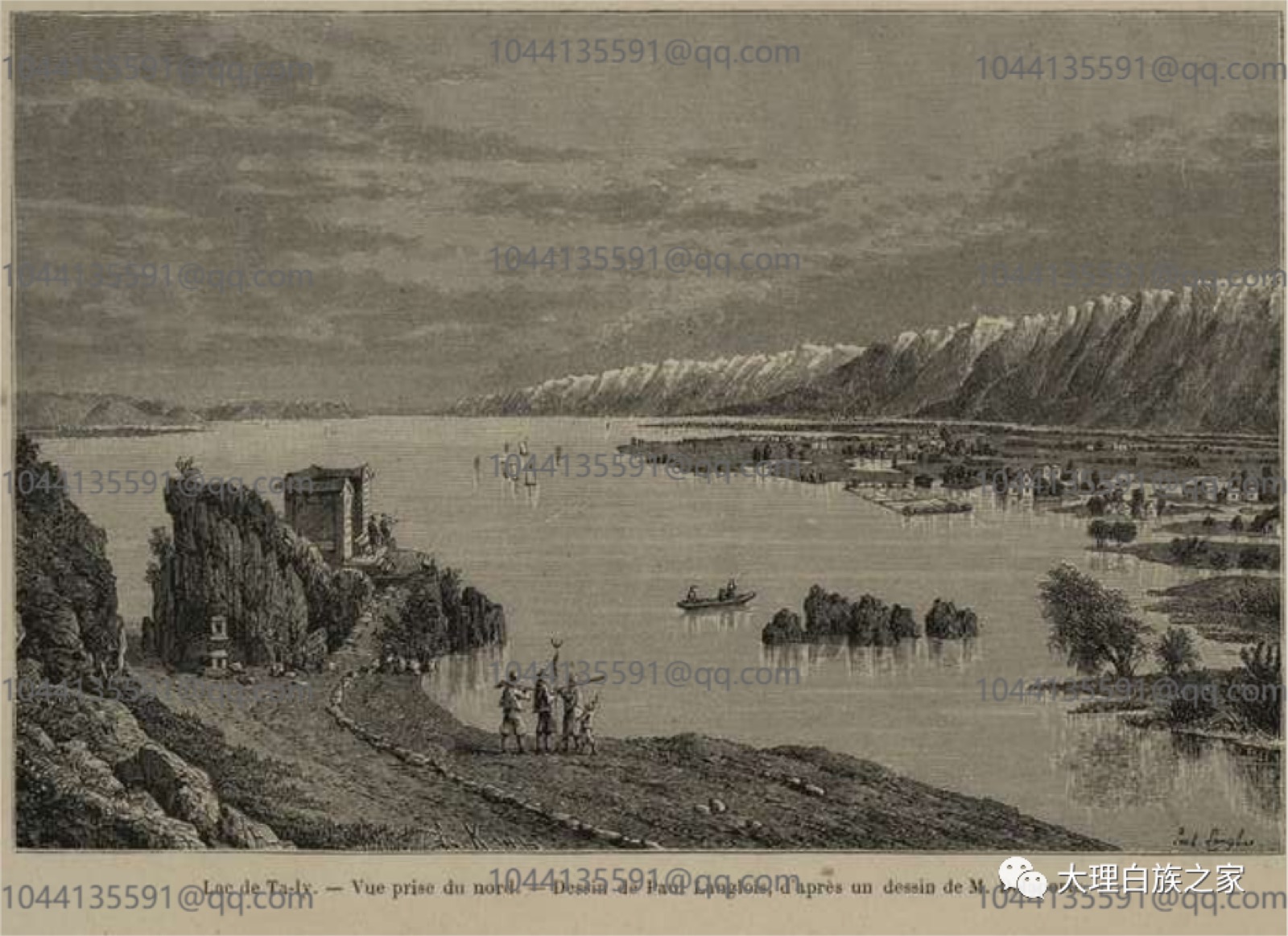
This pavilion by Erhai Lake is easily overlooked by passersby, but it was recorded as early as 150 years ago (1868) by French explorer De Laporte when he was traveling up the Mekong River (Lancang River in China). Over time, the lake has receded, and the pavilion is now about 10 meters from the shore. The stones that were once in the lake have been removed, and the tree on the pavilion has grown from a small sapling into a towering tree.
Seventh stop: Cycling along Erhai Lake and returning via village paths
Cycling along Erhai Lake is very scenic. Then we cross natural village paths back to Brother Ding's home. You will love it.
Your browser does not support the tag.
Note: This cycling trip starts at the Shangguan Longshou Pass ruins, which is 28 km from Dali Old Town. You need to drive, take a taxi, or take public transportation to reach it.
Ps:
The bicycles provided by Brother Ding are basic, not new, and some may be old. They may not meet the expectations of all cyclists for high performance or specialized equipment. We hope that everyone focuses on the rural scenery and local culture. If you have high requirements for bicycle quality or wish to use a specific type of bicycle, we suggest you consider bringing your own bike to ensure comfort and satisfaction during the ride.
We understand that a good bicycle is an important part of the cycling experience, so we encourage you to make the most suitable choice according to your personal preferences and needs. Whether you choose to use the bikes we provide or bring your own, we will do our best to provide support and service, ensuring your cycling trip is filled with joy and wonderful memories.
Location: Longshou Pass Ruins
Time: 10:00 AM
End time: Around 3:00 PM
Distance: Approximately 19 km
Bring water and personal items.
Brother Ding's background:
"I worked in finance in Kunming for 40 years. My life was very monotonous, mostly between home and work. Twenty years ago, the work atmosphere became too bad, so I decided not to live in a negative environment anymore. In 2004, I chose to participate in outdoor activities."
In 2010, I quit my original job and stayed at home for two years. Later, a friend recommended me to a private enterprise, where I worked until retirement.
After joining outdoor activities, whenever I had free time, I would look at maps and then go exploring. I have covered most of the areas around Kunming. In the early years, I would do one-day hikes, later try two-day hikes, and then seven-day hikes (but because my parents were old, I dared not exceed two days). I participated in three 100-kilometer two-day hiking challenge races.
In 2006, I read an article in the Spring City Evening News about organic vegetable farming and joined organic vegetable farming (Green Kunming). This had a great impact on my life, making me more positive and proactive, and I engaged in many activities such as poverty alleviation and volunteer work. Looking back, while it seemed I was helping others, I was actually helping myself.
I worked on groundwater surveys near Kunming with Green Kunming (an NGO) and later spent 8 months leading volunteers to survey ancient trees around Dianchi Lake. From 2009 to 2017, I led volunteers to inspect the 36 rivers flowing into Dianchi Lake on the last Sunday of every month, identifying problems and reporting them to the Kunming Dianchi Lake Administration."
Photos