About this journey
Total distance: 12 km, elevation gain: 800 meters. Requires moderate physical fitness.
(Adults: slightly above average fitness, Children: recommended for ages 8 and up, usually energetic)
Time: 8:00 AM / 9:00 AM, adjusted according to the season.
Preparation: Bring 2 bottles of water, a packed lunch, and wear regular hiking shoes.
Your browser does not support the tag.
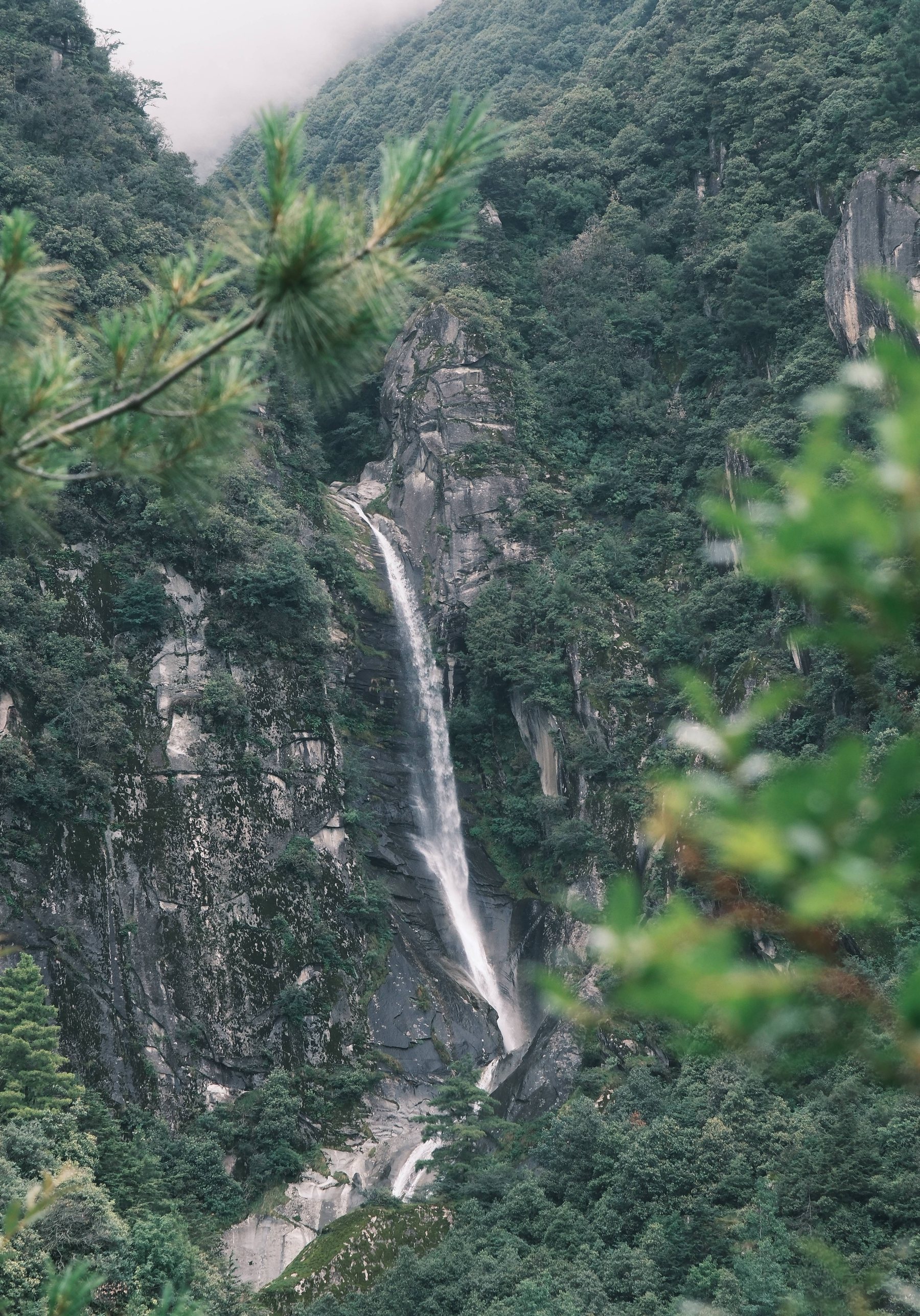
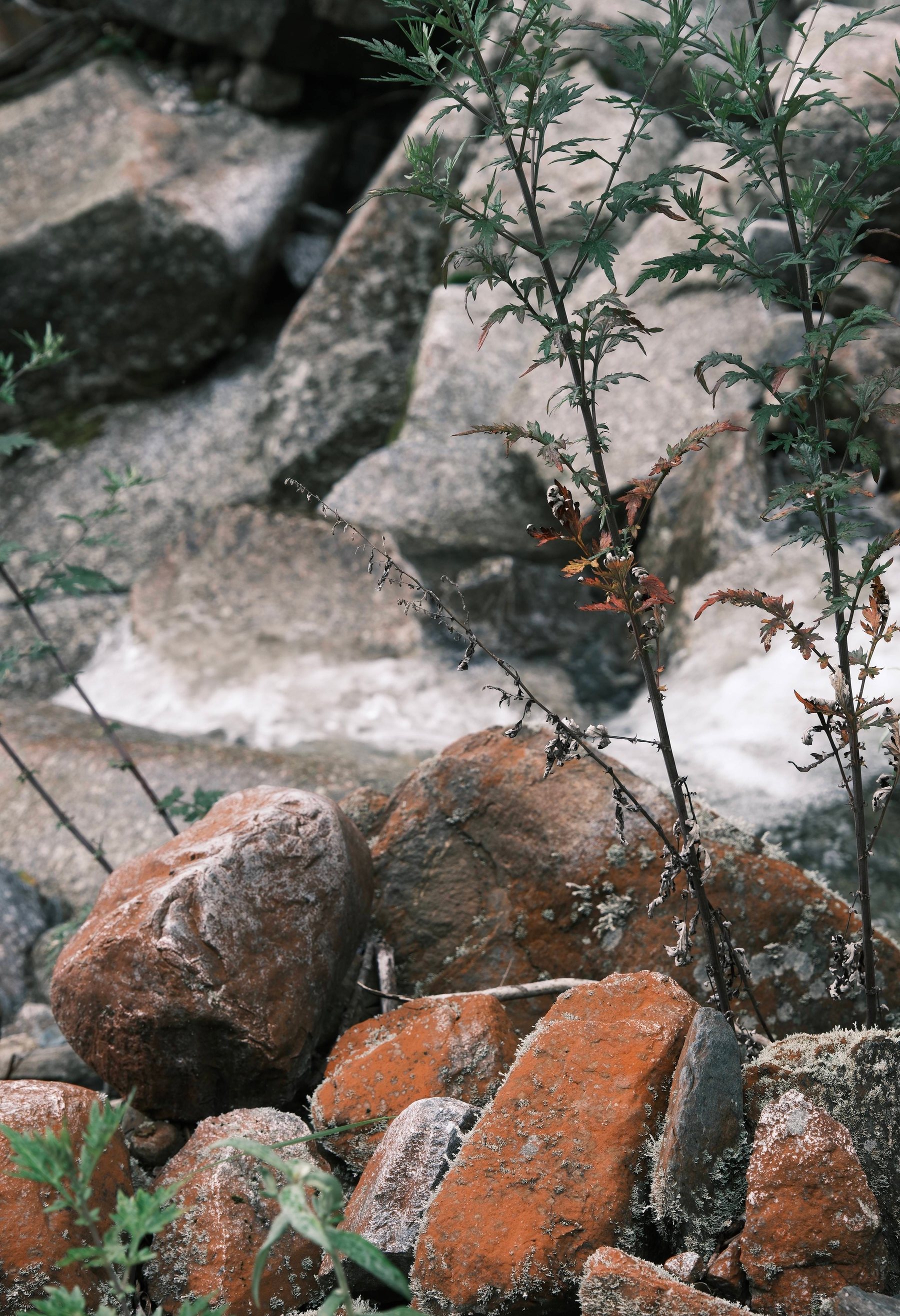
Meixi Gorge is located between Yingle Peak and Xiaocen Peak, named for the abundance of plum trees on both sides. In winter, plum blossoms bloom here, creating a spectacular view. My first real encounter with the landscape of Cangshan was at Meixi. At that time, five of us trekked upstream against the swift currents of the rainy season. While rescuing a friend trapped by rocks, I lost one of my sandals, which drifted downstream.
After a leisurely off-season,
Xiao Xi and I felt the need for "recovery training"
to prepare for the upcoming peak season.
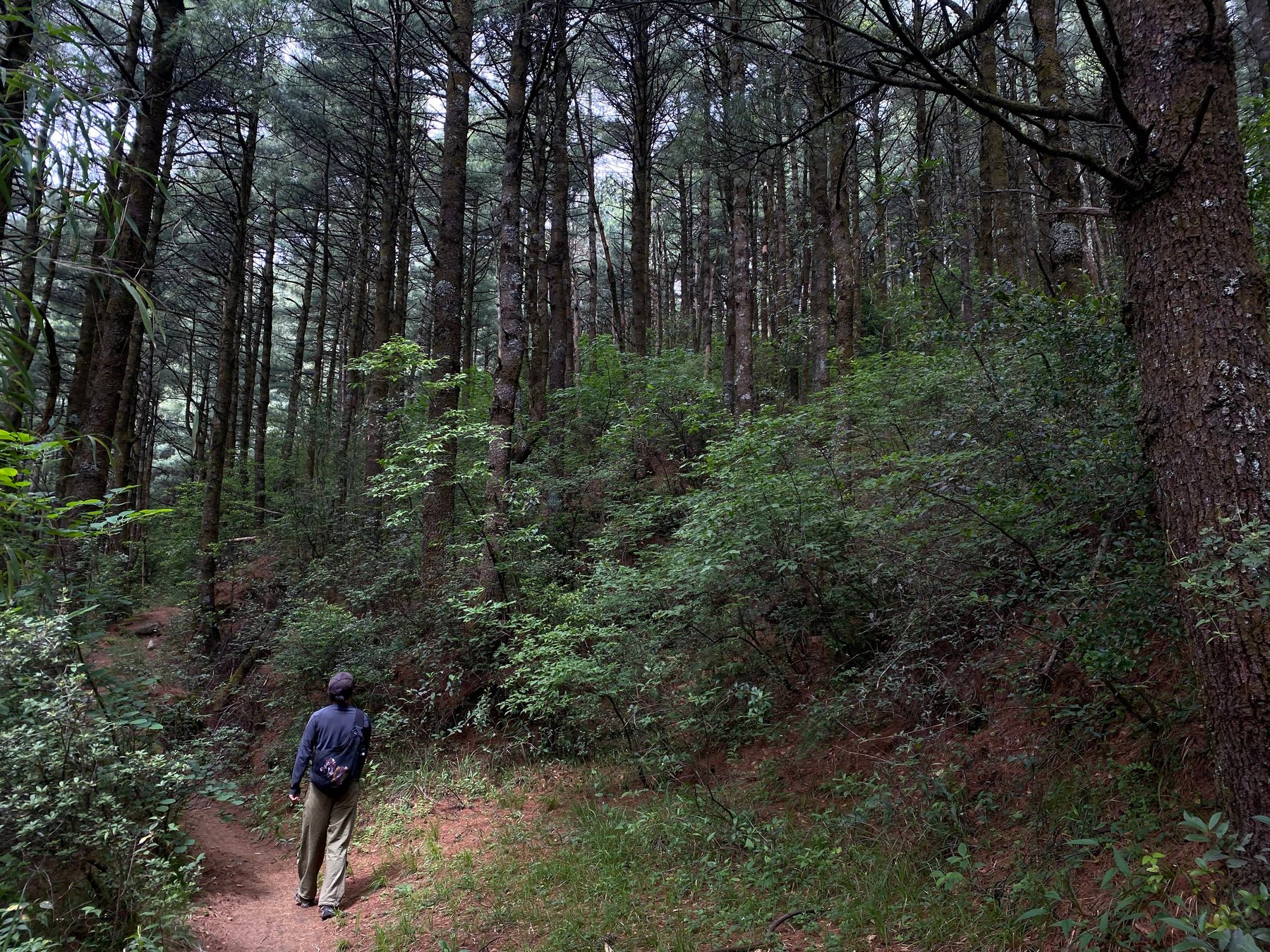
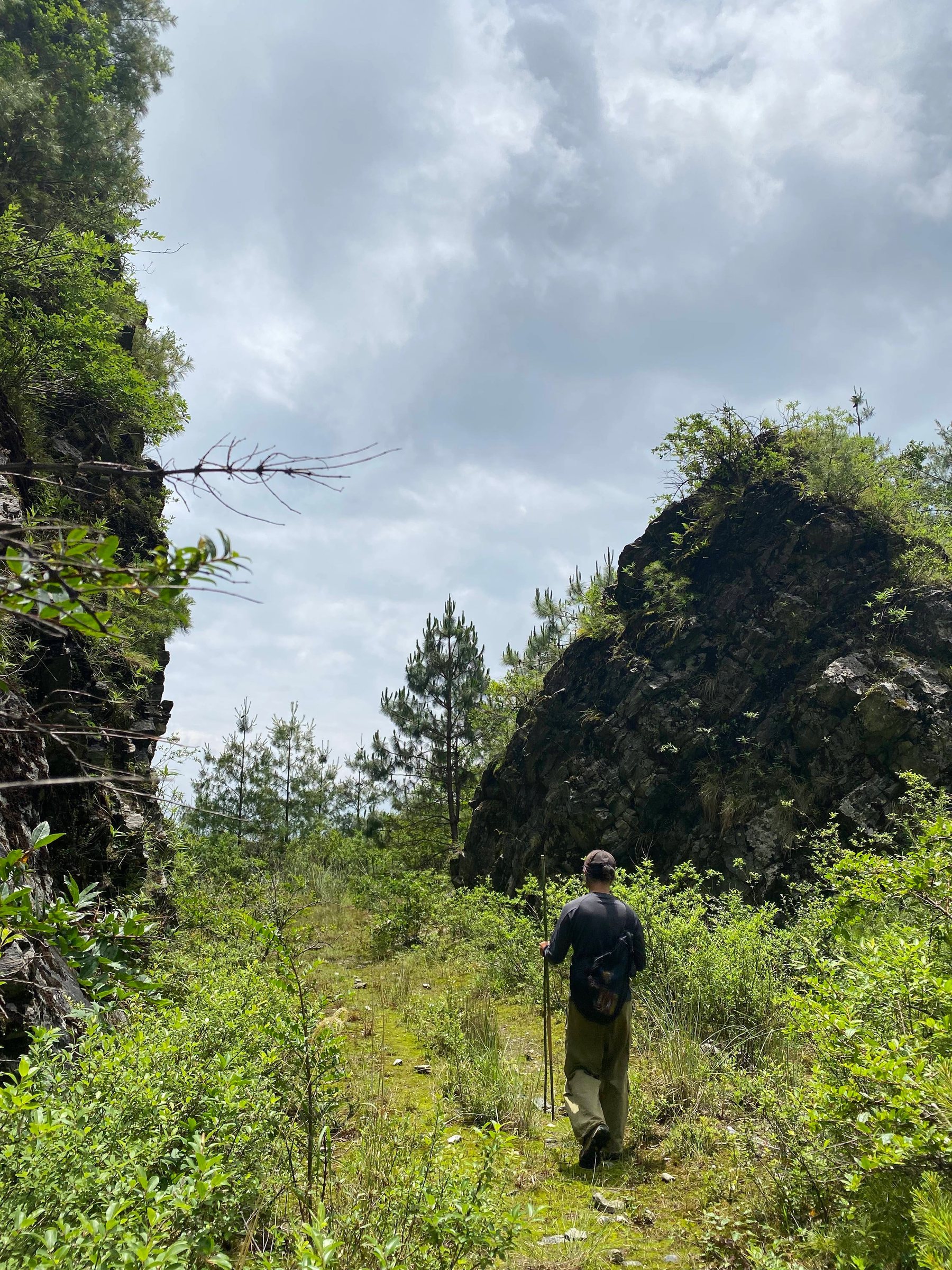
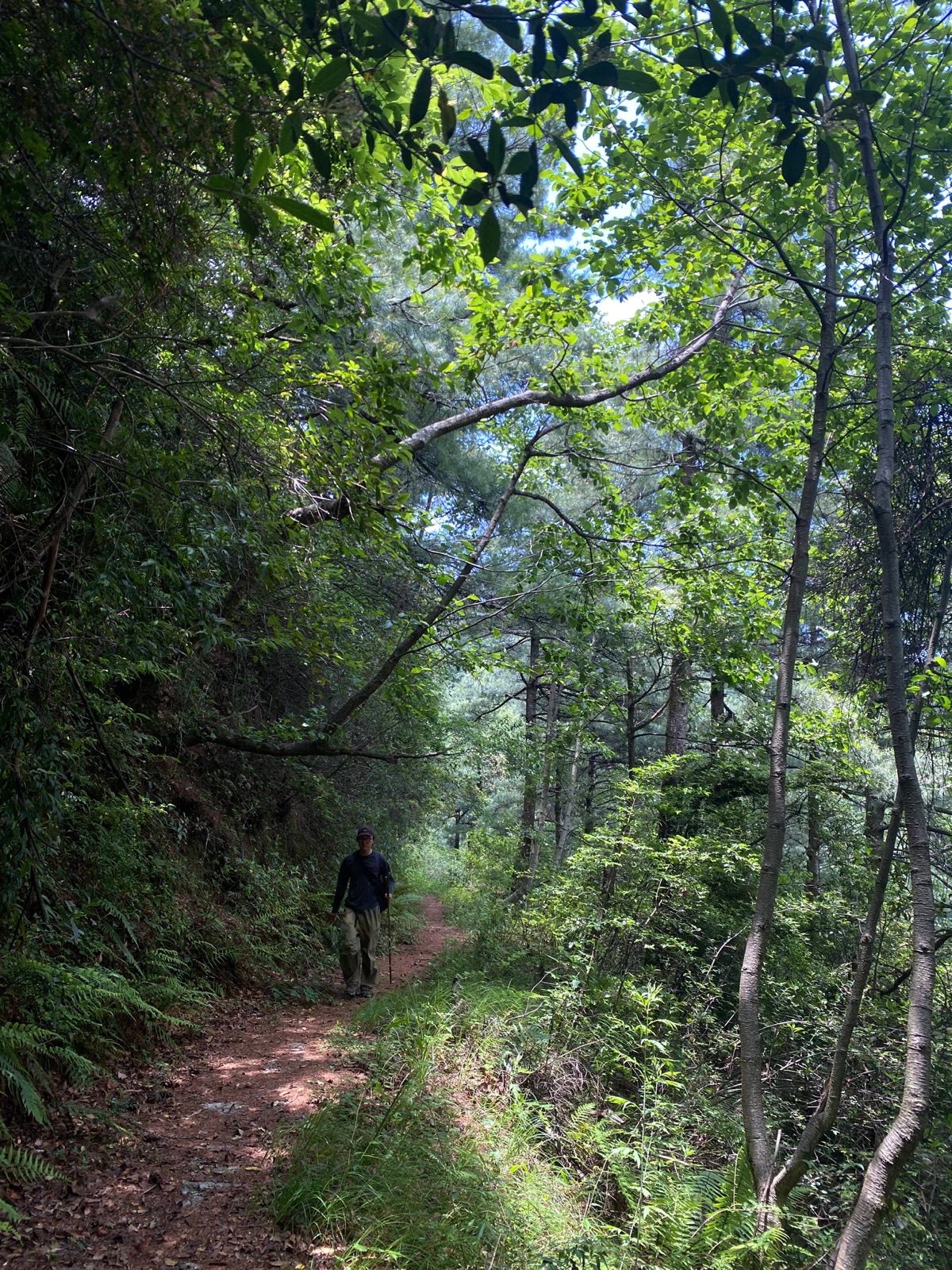
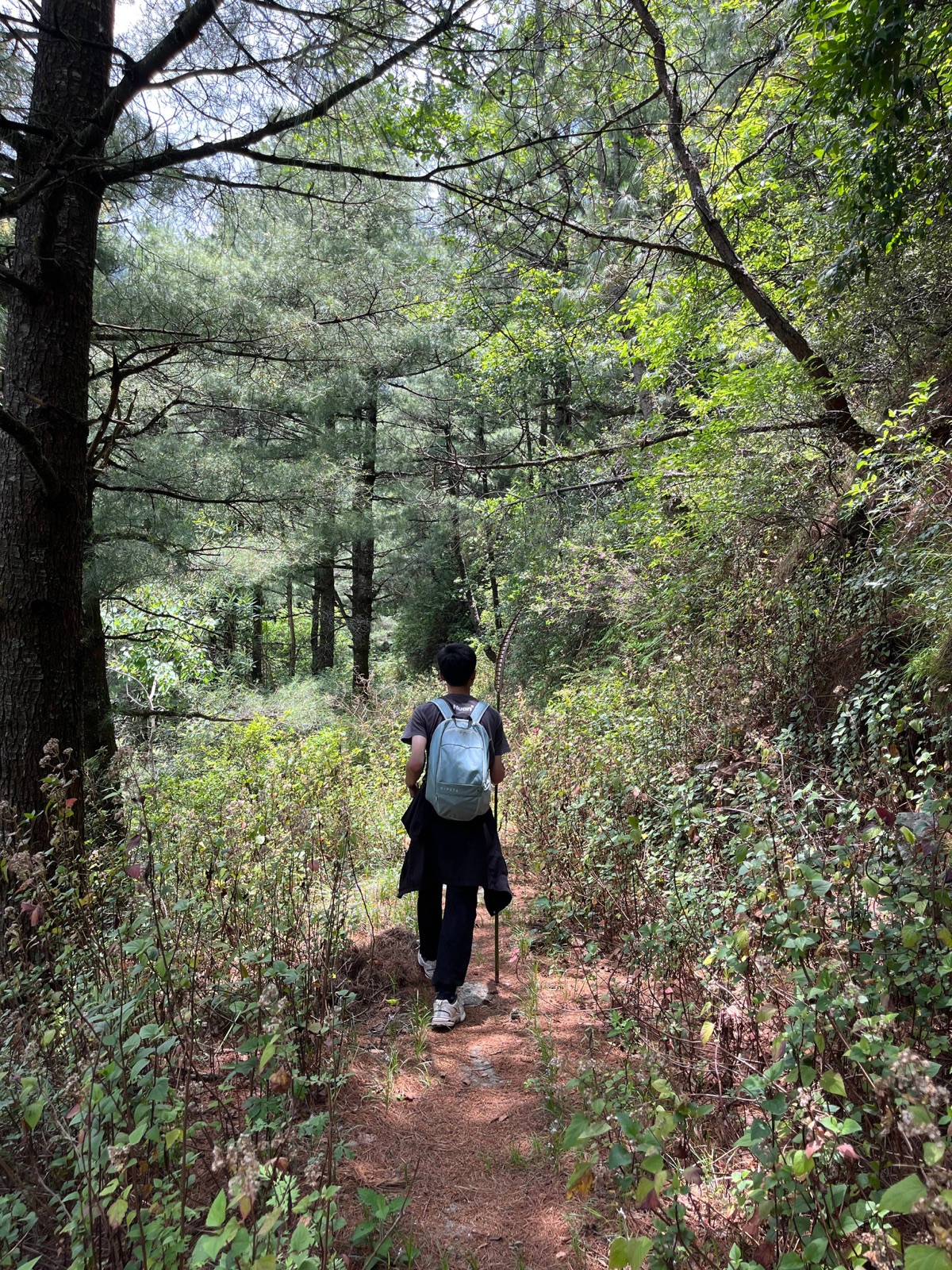
We decided on a medium-to-long distance hike into the deep gorge,
a tempting destination few visit, leaving a deep impression on us.
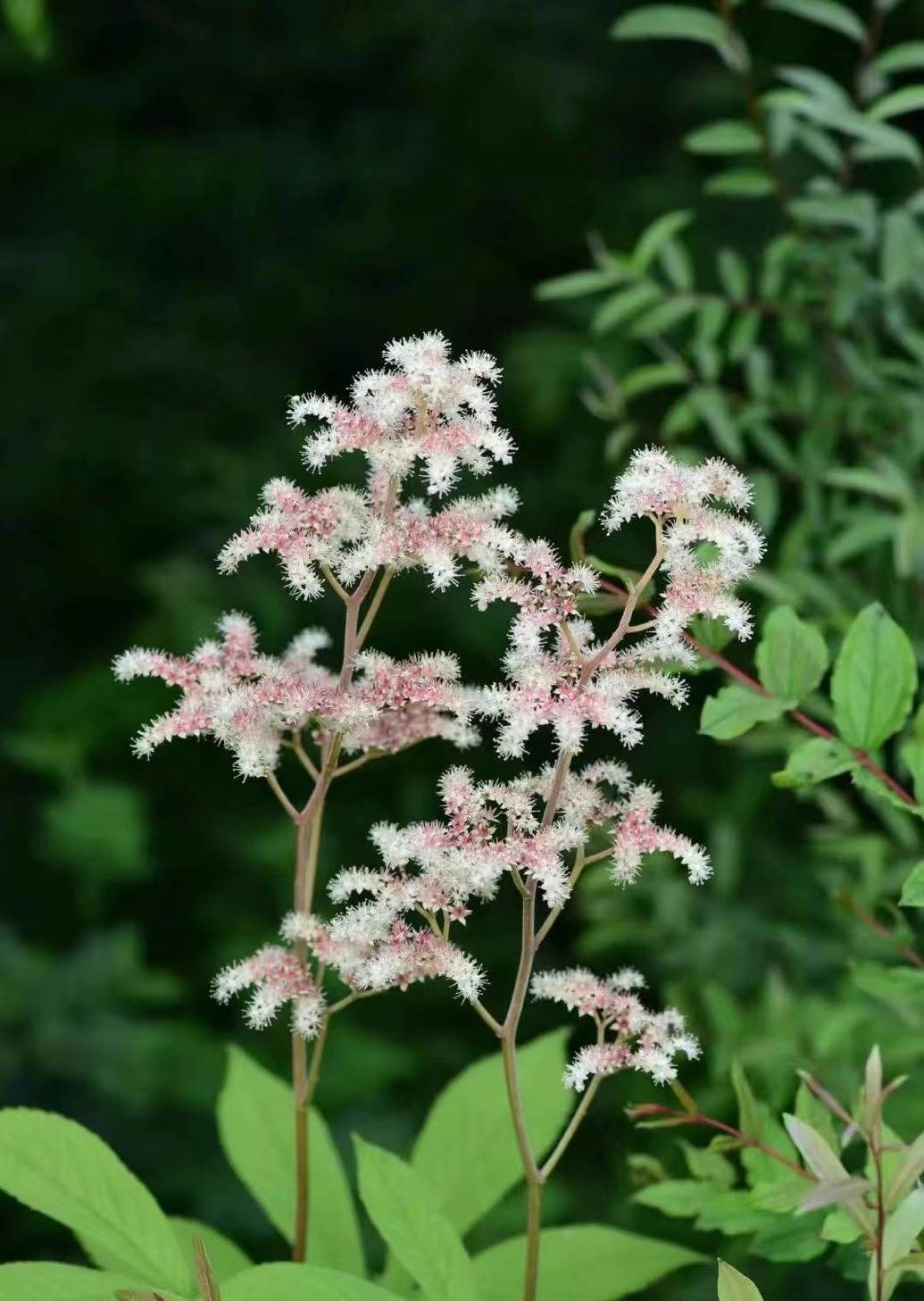
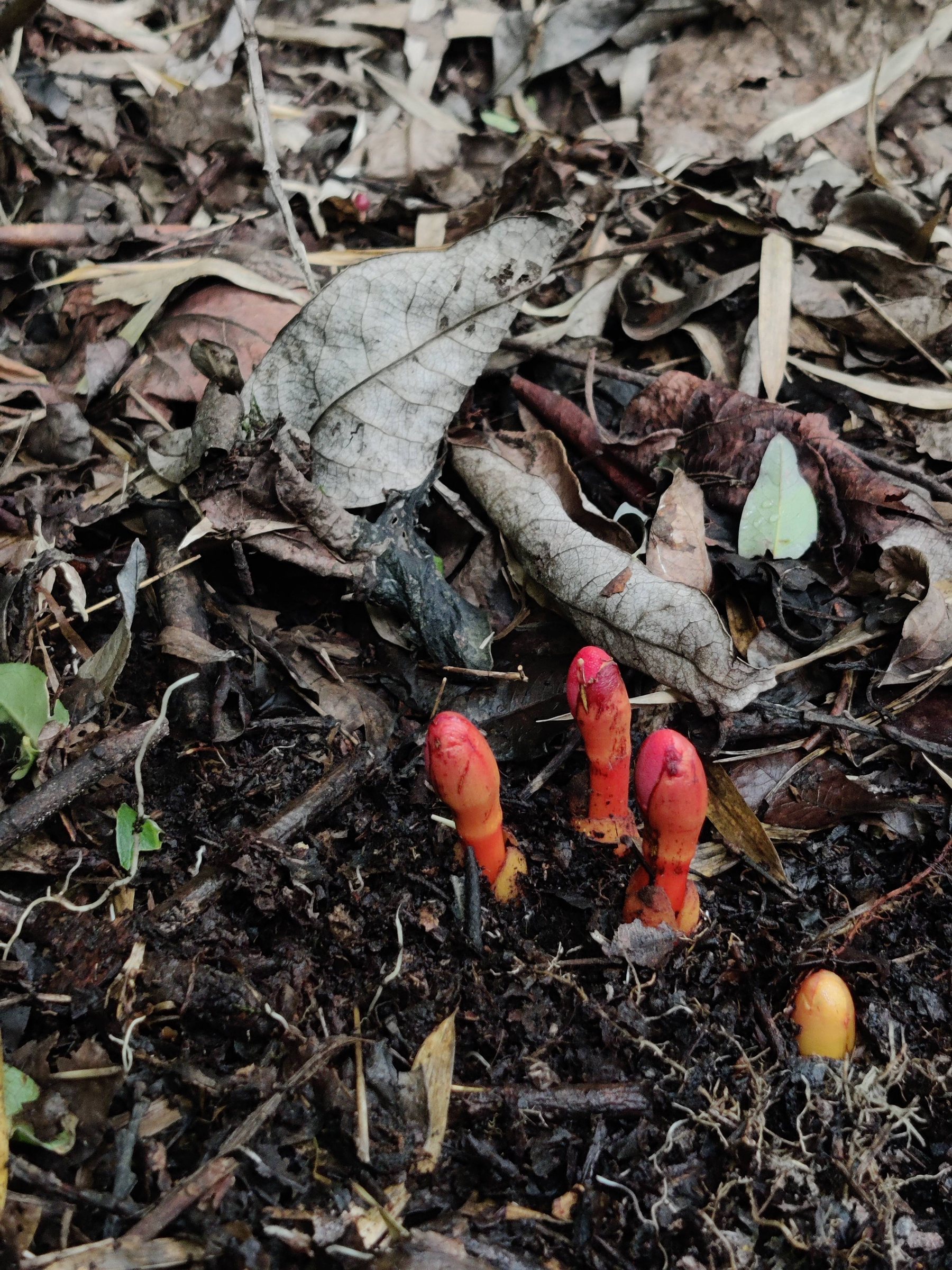
But what impressed us most was the path along the cliff, adorned with clusters of coral-colored pink flowers called "ghost lanterns." These flowers exuded a magical and mysterious aura, living up to their name. The first encounter left an indelible mark on us.
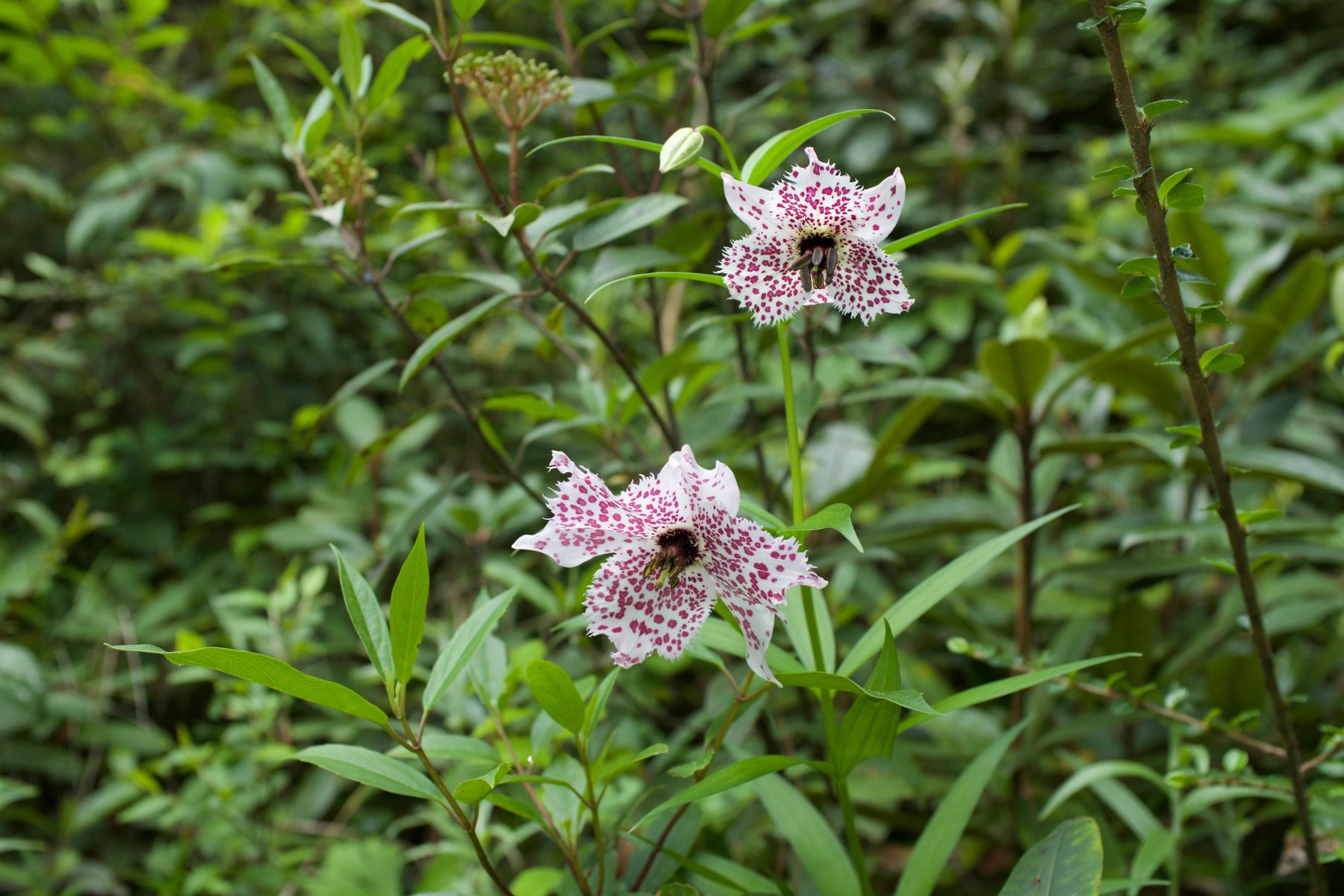
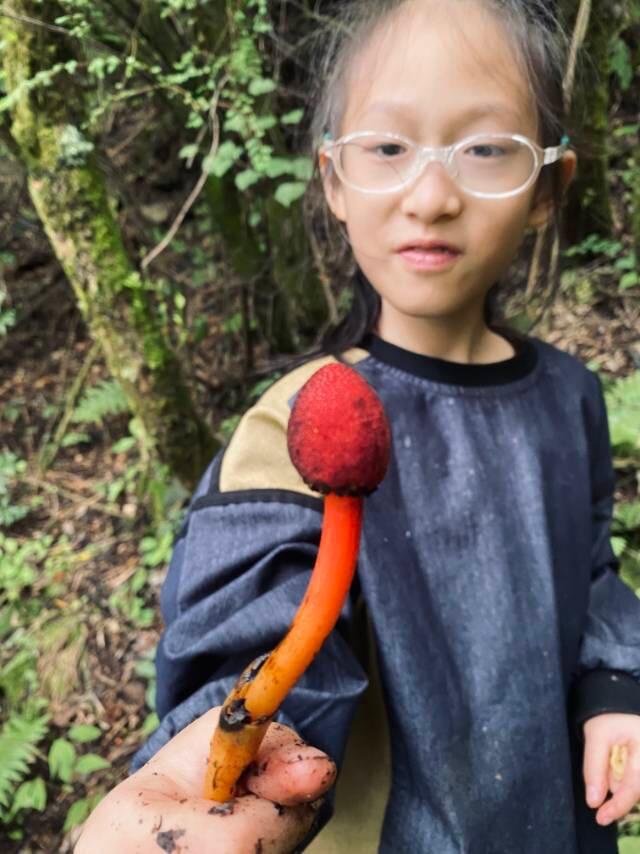
In a sun-dappled forest clearing, we were delighted to find the endangered Dianxi leopard-spotted flower.
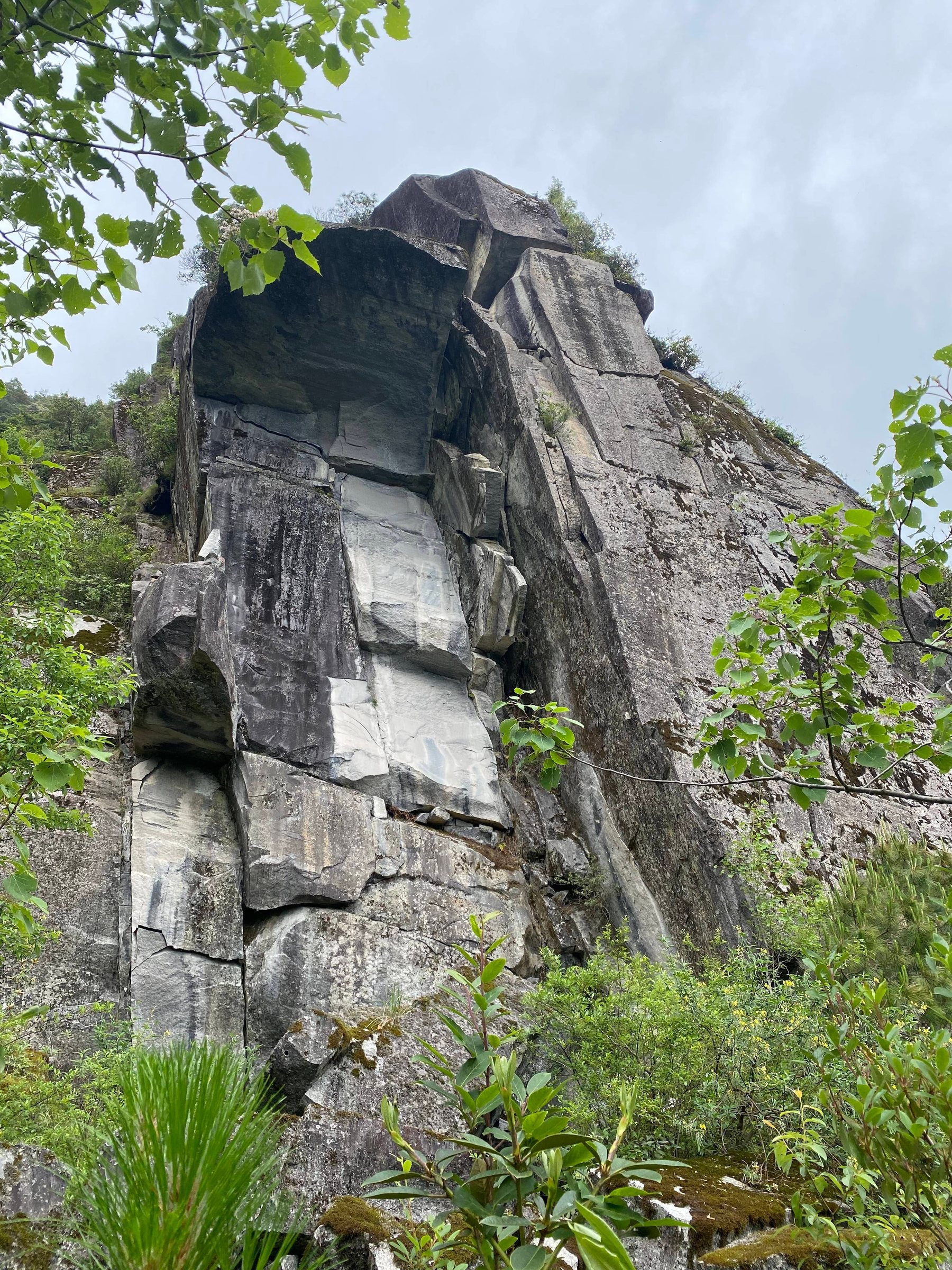
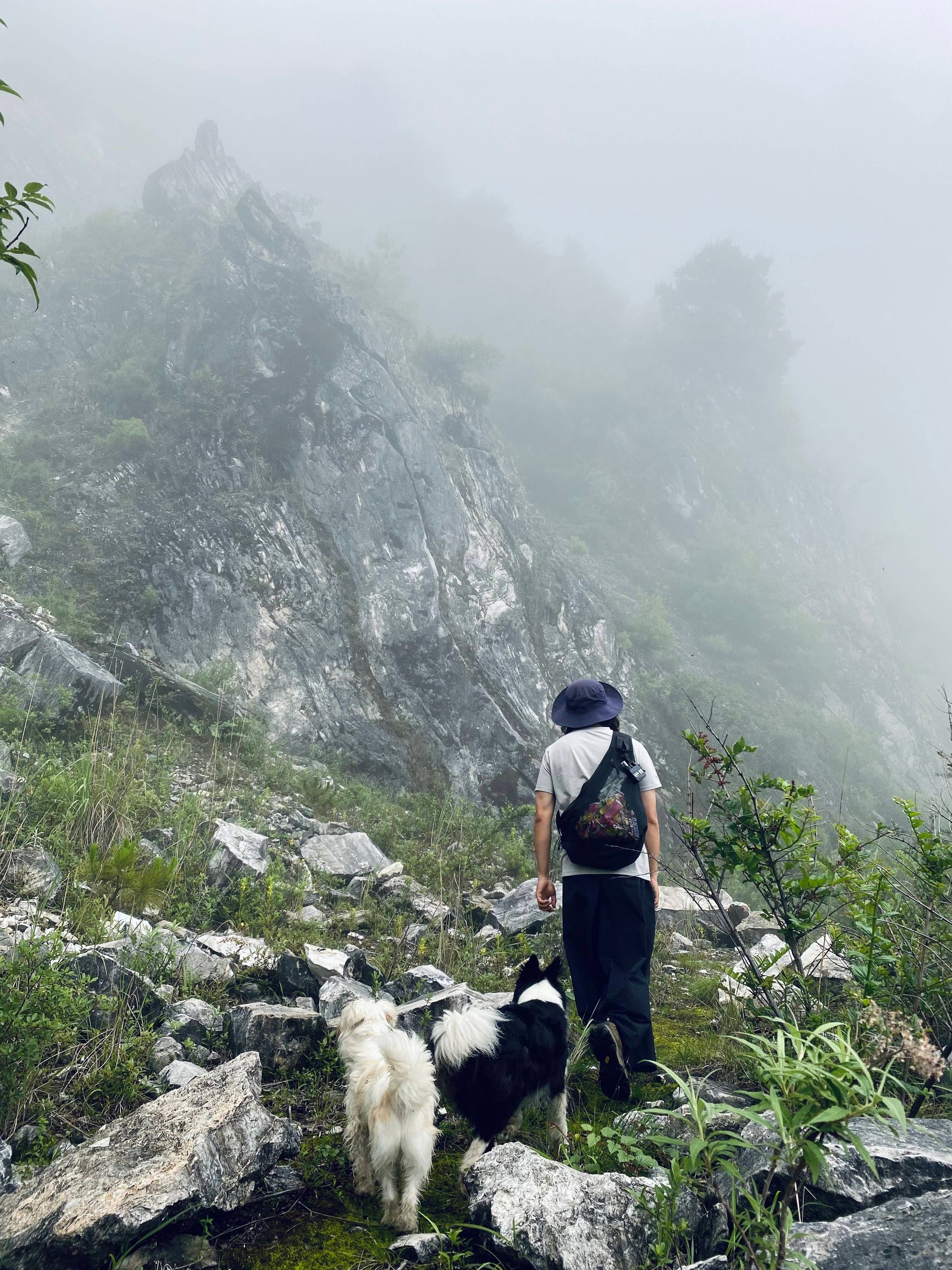
At noon, we arrived at an abandoned marble quarry at an altitude of about 3,000 meters. The rock lines were clearly visible, formed by both nature and human extraction, inspiring awe. It evoked a sense of "accidental human art." In the years since human activity ceased, plant seeds have returned to the crevices, taking root anew.
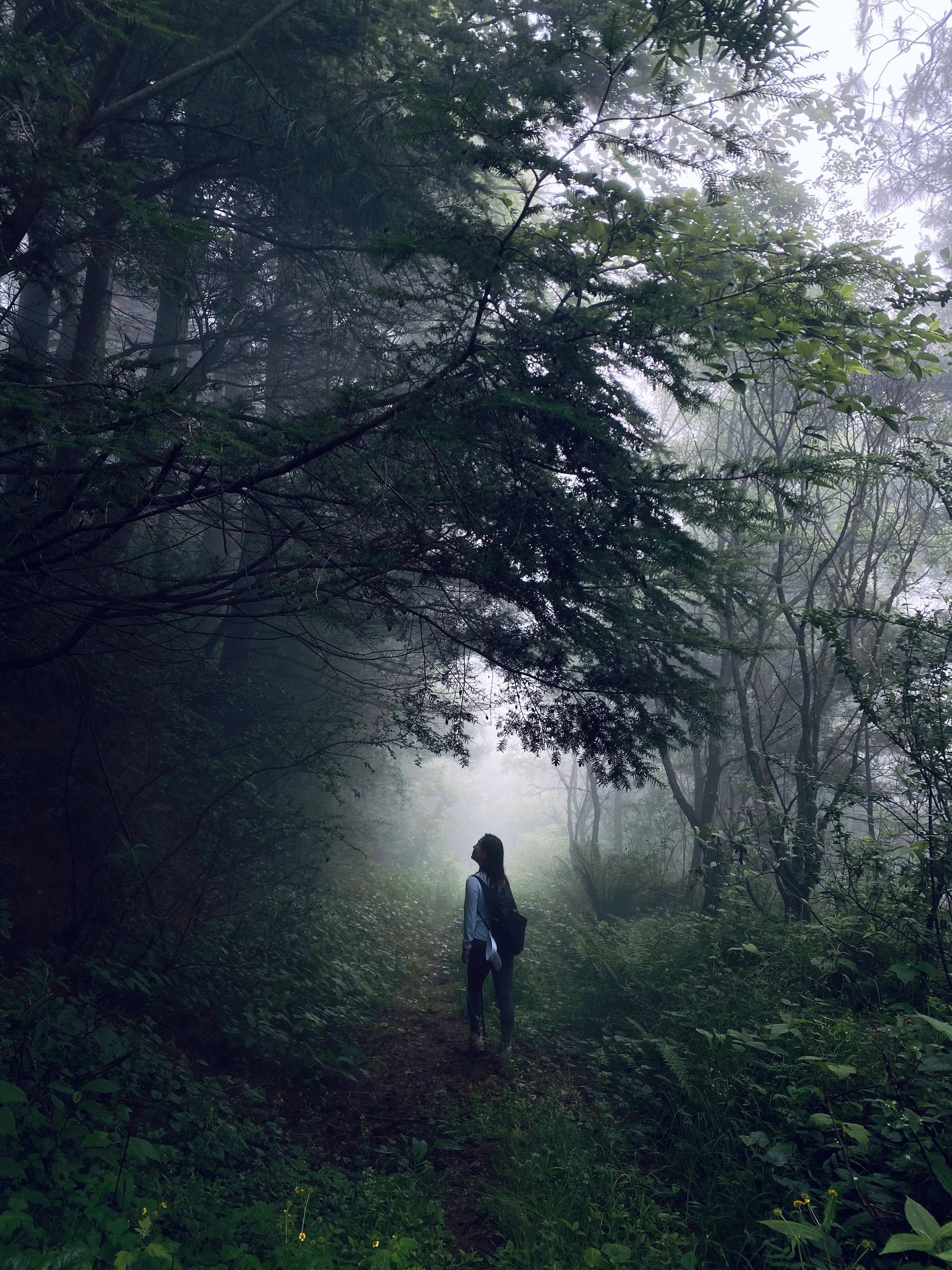
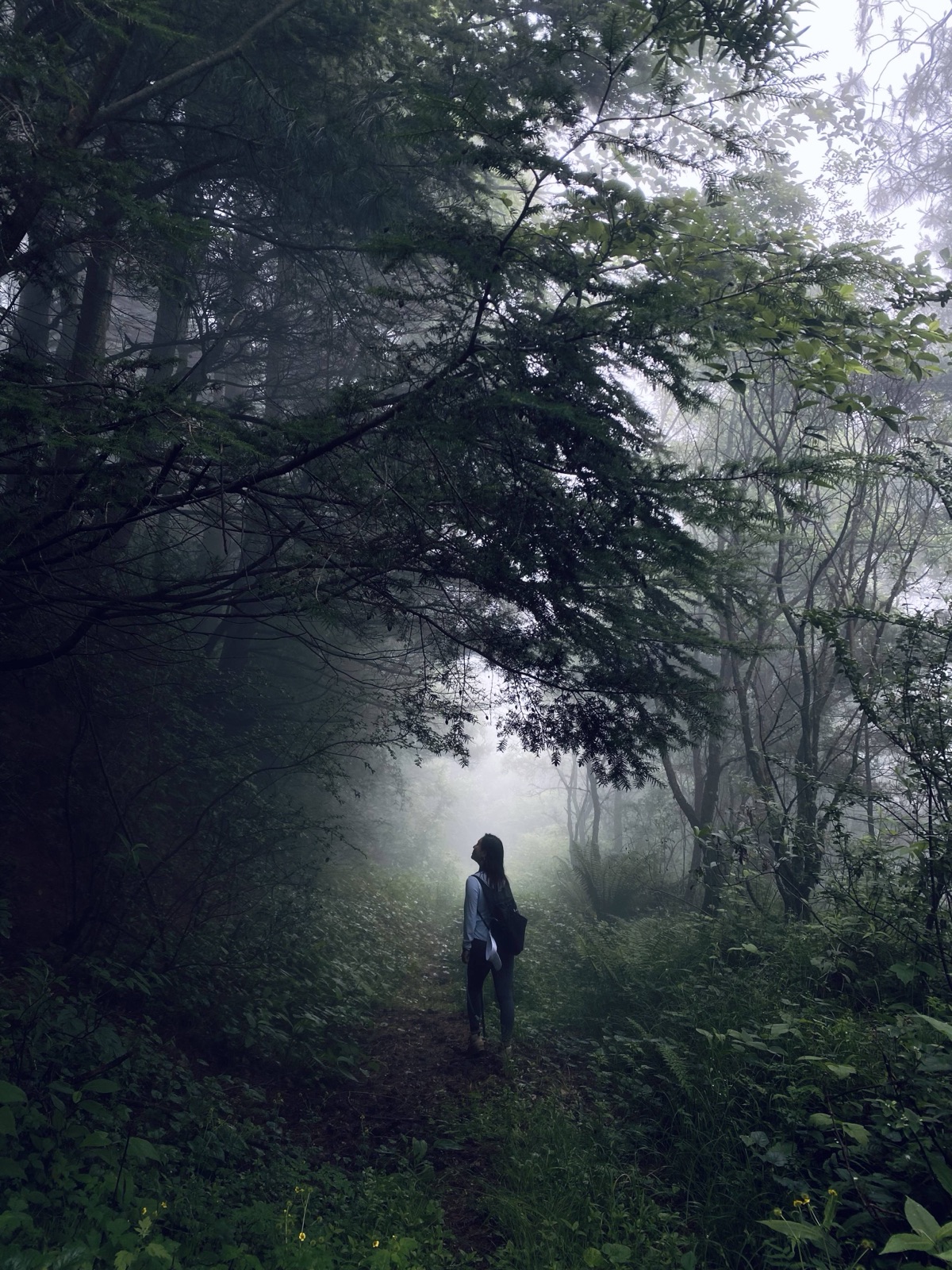
The magical gorge and forest after the rainy season
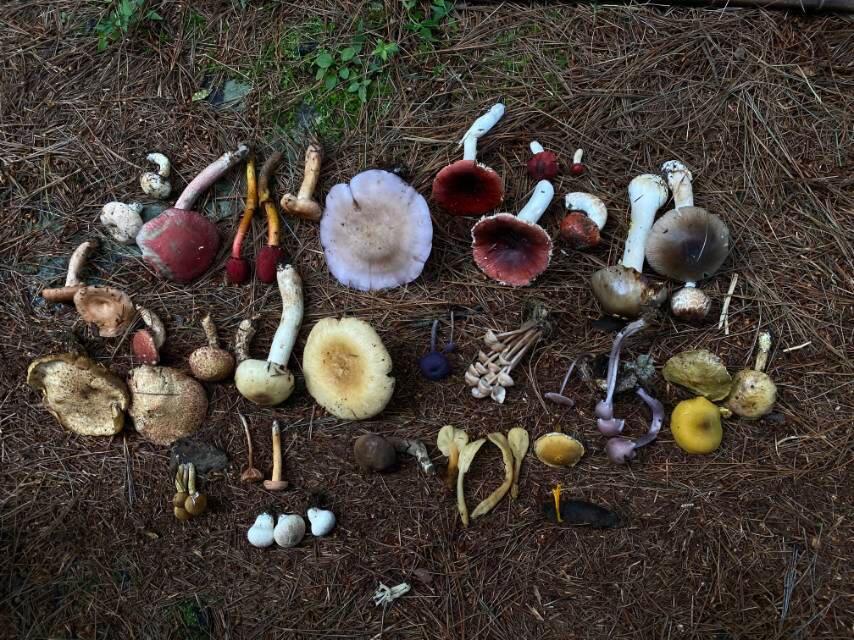
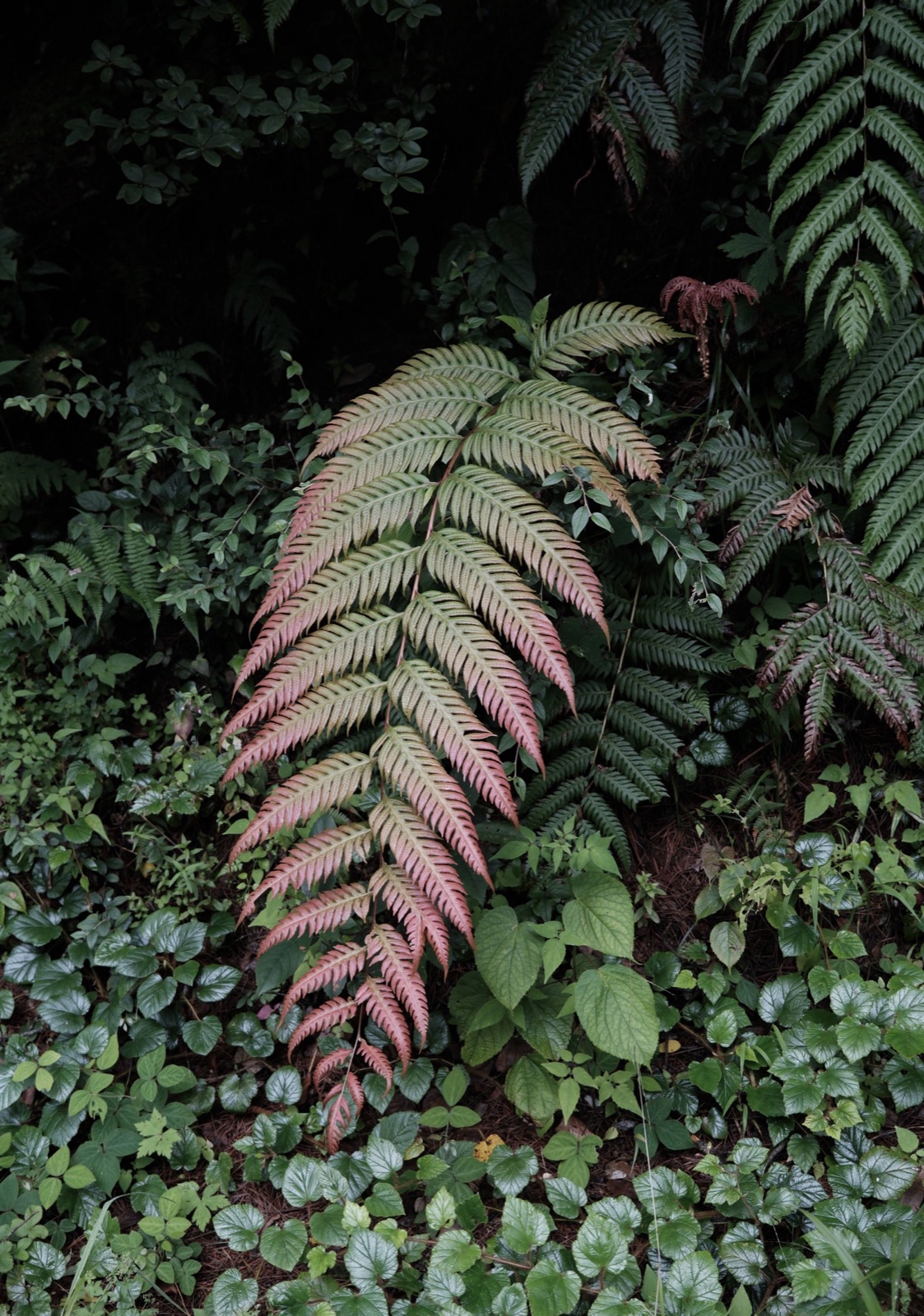
Harvest from the rainy season
On the way down, we passed Baique Temple.
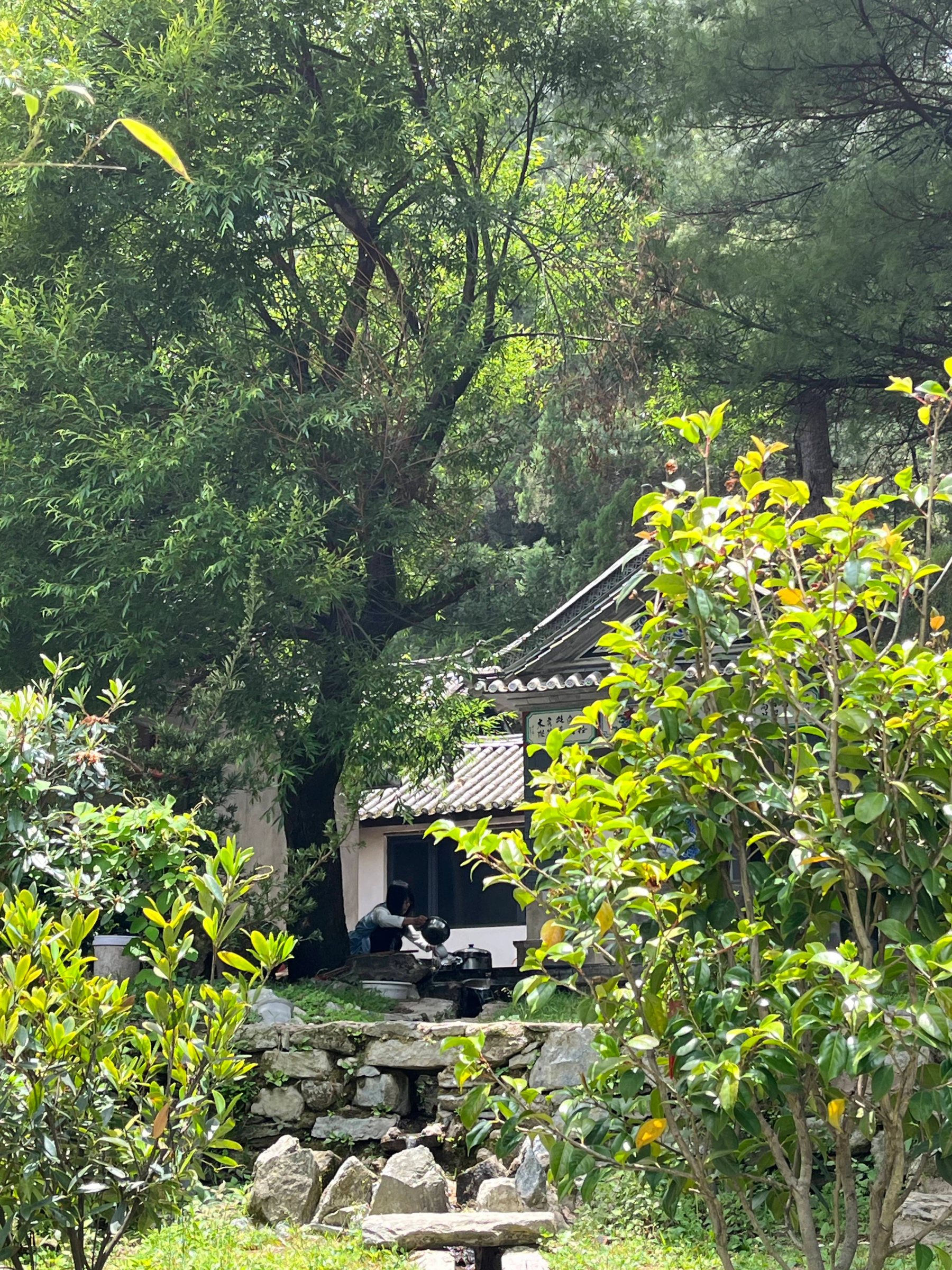
Baique Temple is located at the end of a forgotten Yudai Road, perhaps the least-known temple on Cangshan. When we arrived, an older sister was washing dishes by a spring and warmly invited us to see the kitchen. She told us without hesitation that if we were interested, there was rice and soup. Hearing the commotion, an elderly man came out of the kitchen holding a pot of rice, smiling, and showed it to us, asking if we wanted to eat—without demanding payment. Under the eaves sat a middle-aged man. When asked about the origin of Baique Temple, he explained that it was formerly called Douluo Pavilion, dating back to unknown times. The temple was named after Bai Que, the mount of Nüwa. The main hall is dedicated to Nüwa, but there are no monks. Followers of the three religions can come to worship. He is currently responsible for managing the temple.
Entering the main hall, you might be amazed by the colorful clay sculptures inside.
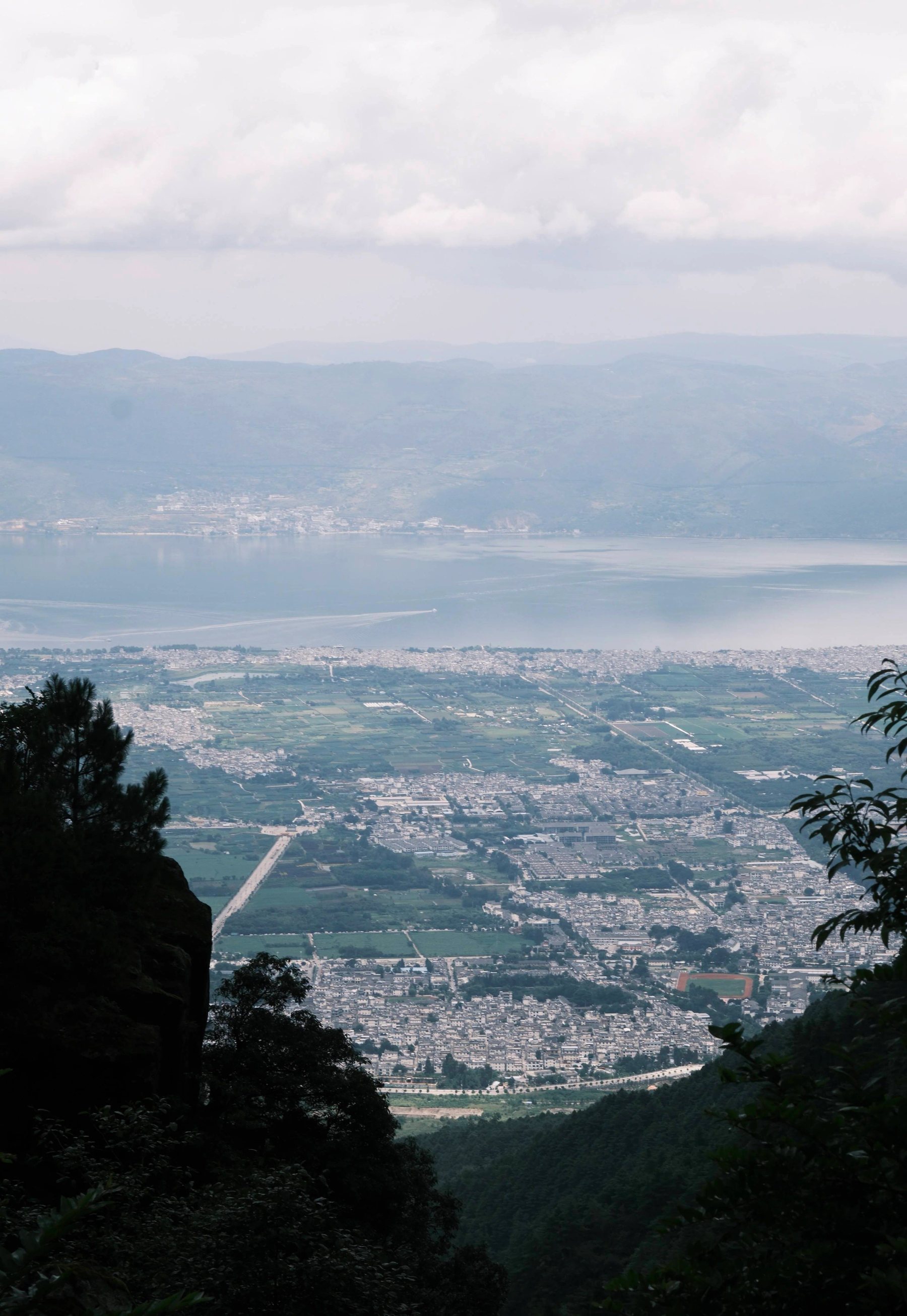
In the Yudai Road area of the Cangshan National Geopark, it's bustling with tourists, but at the end of Yudai Road, plants grow from the cracks in the stone slabs, full of wild charm.
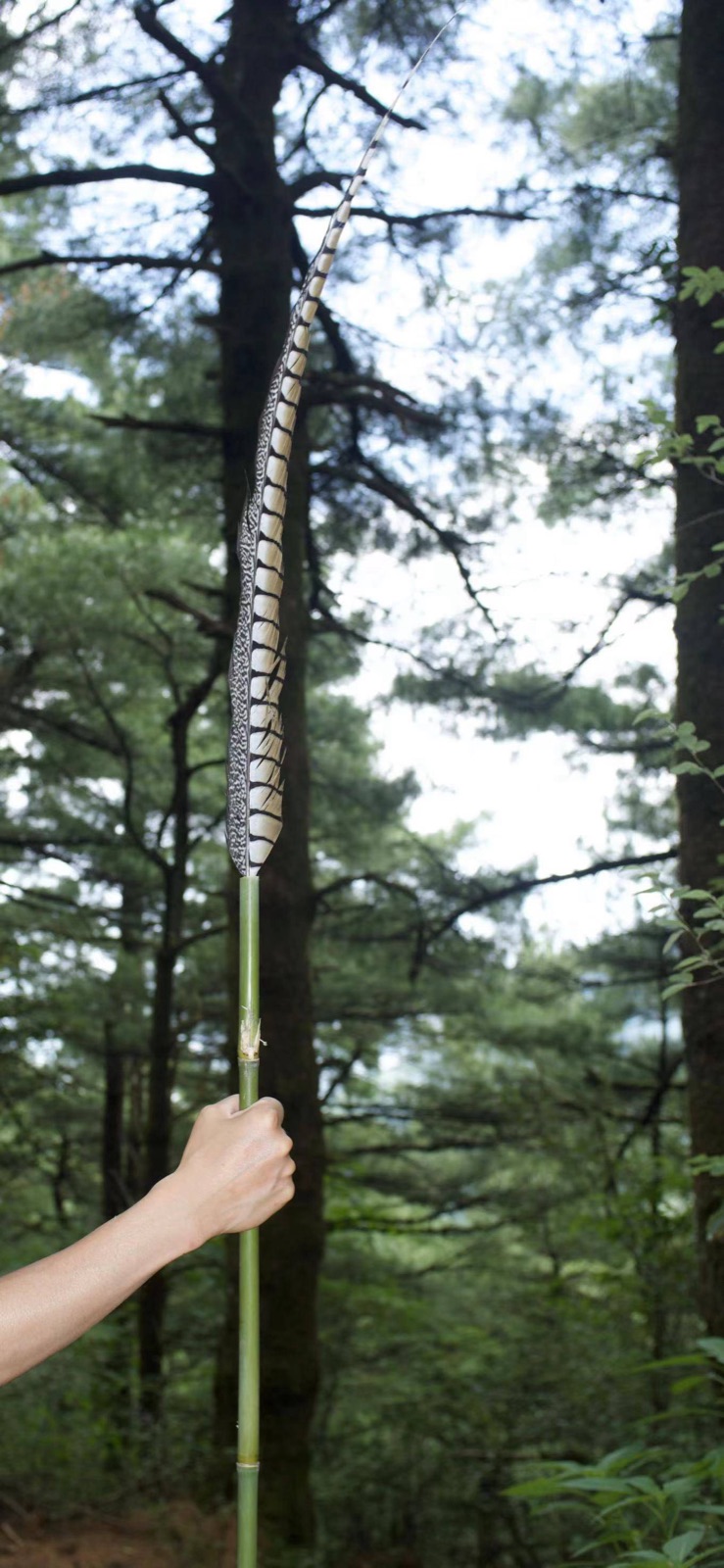
Every June, we can always find tail feathers of the white-bellied pheasant in the mountains.
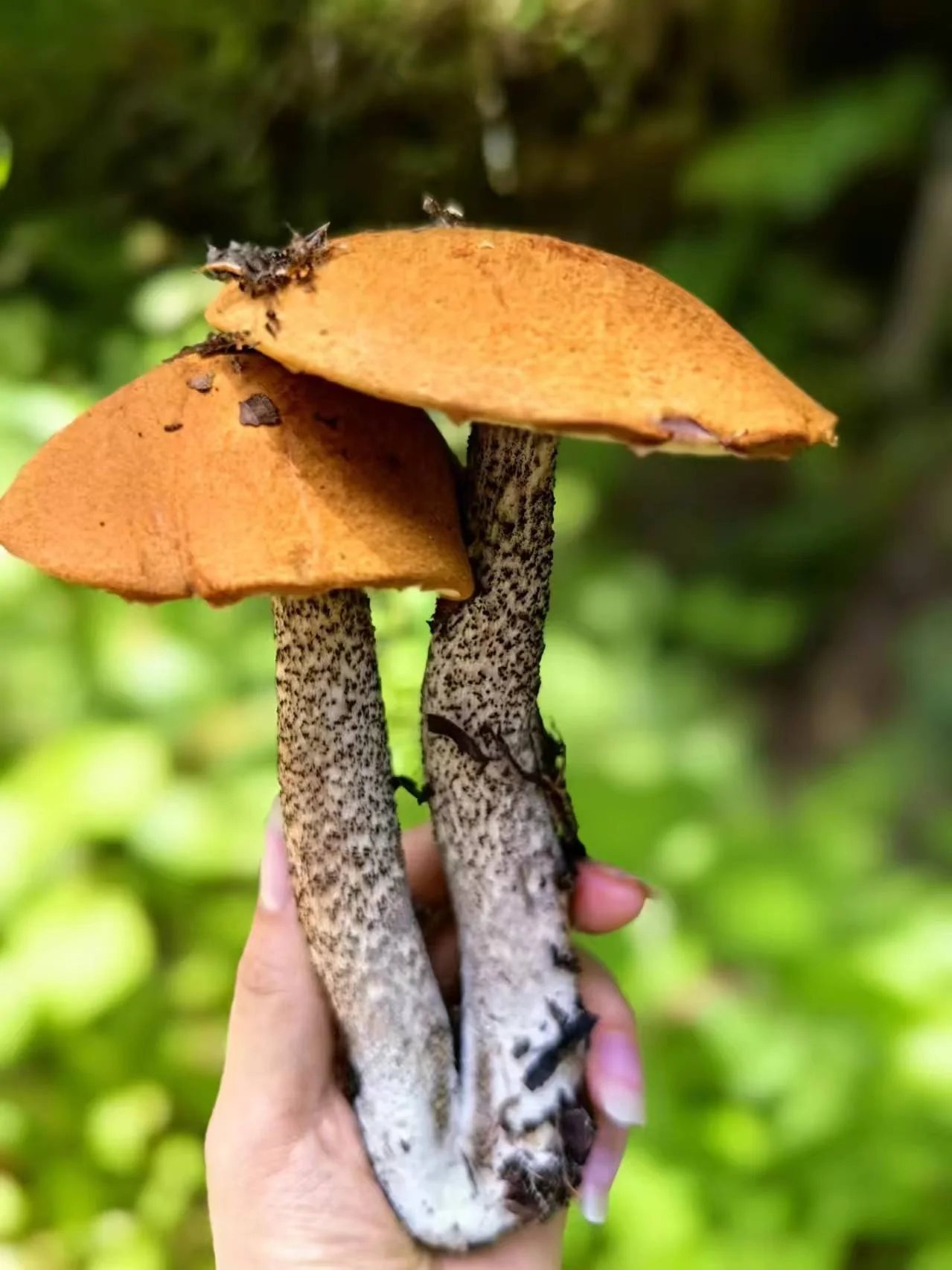
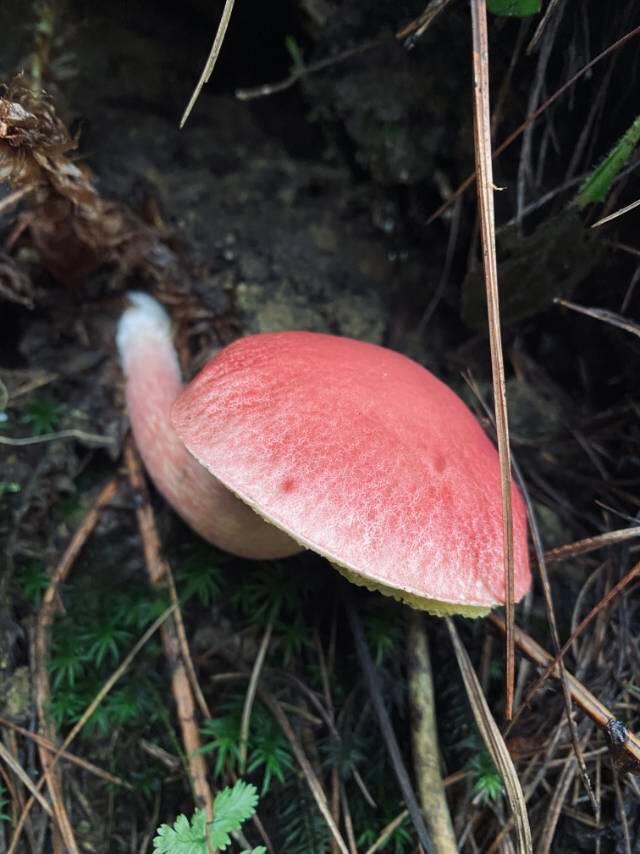
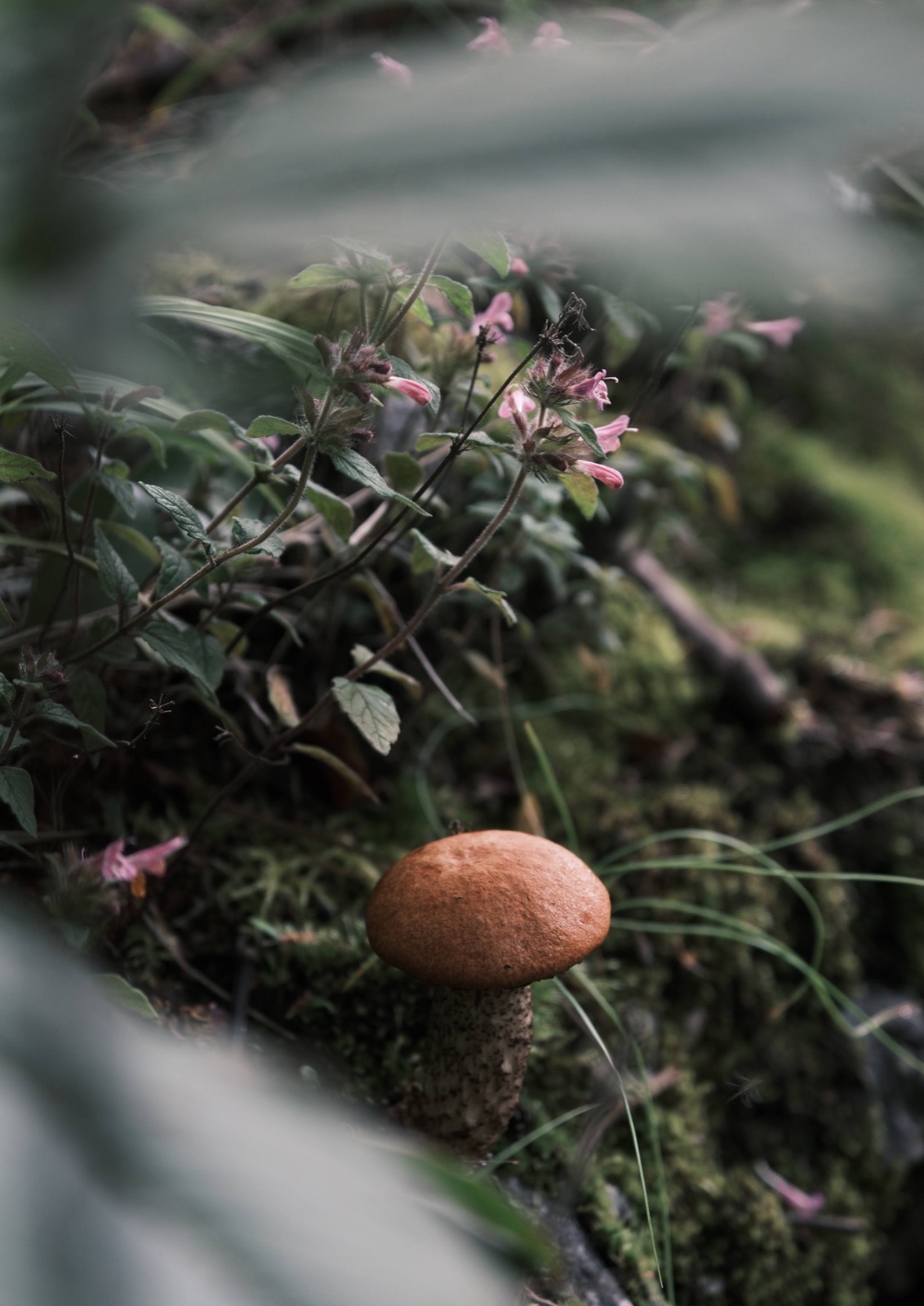
There are also strange and colorful mushrooms.
Photos and videos