この旅について
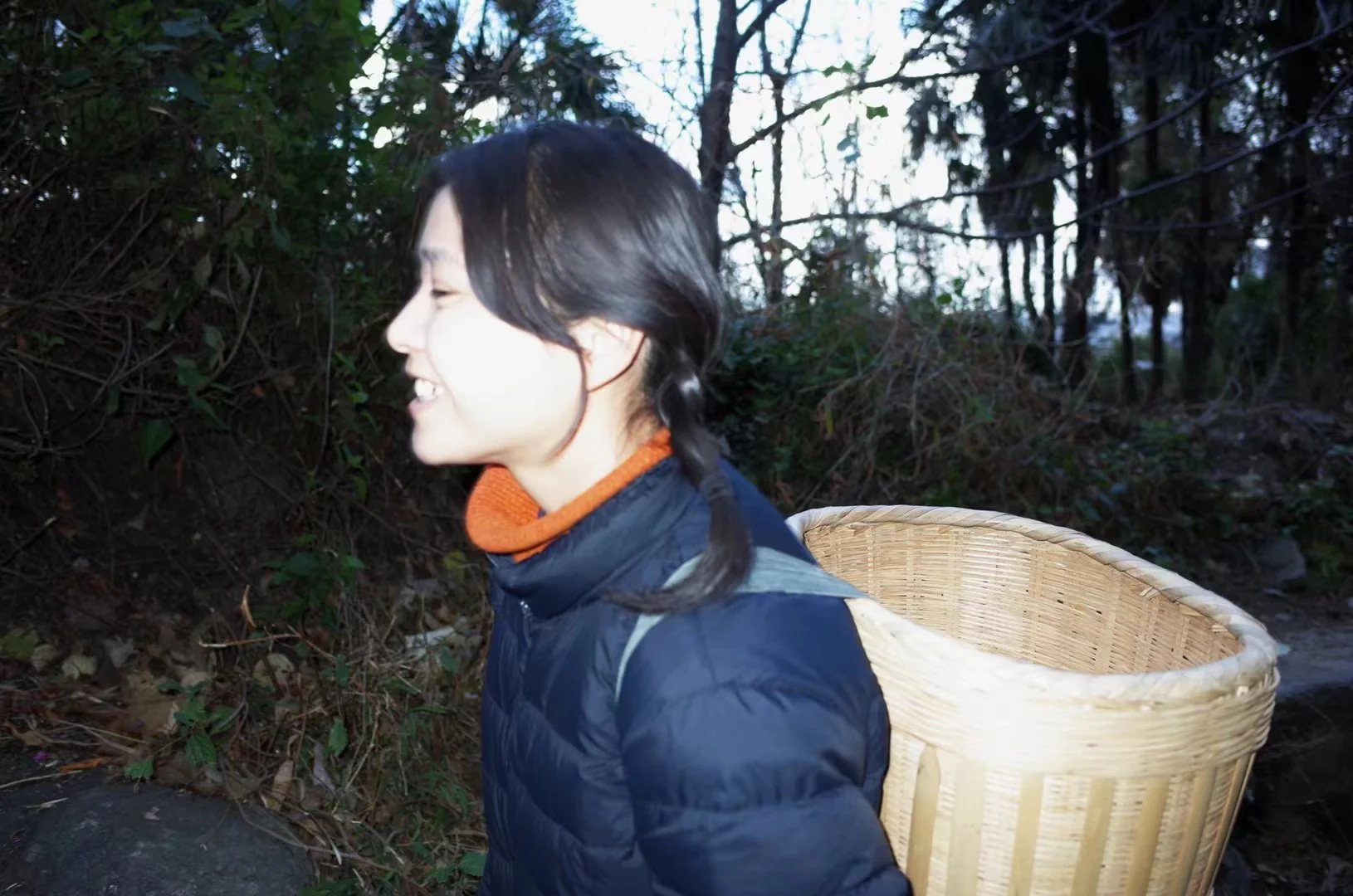
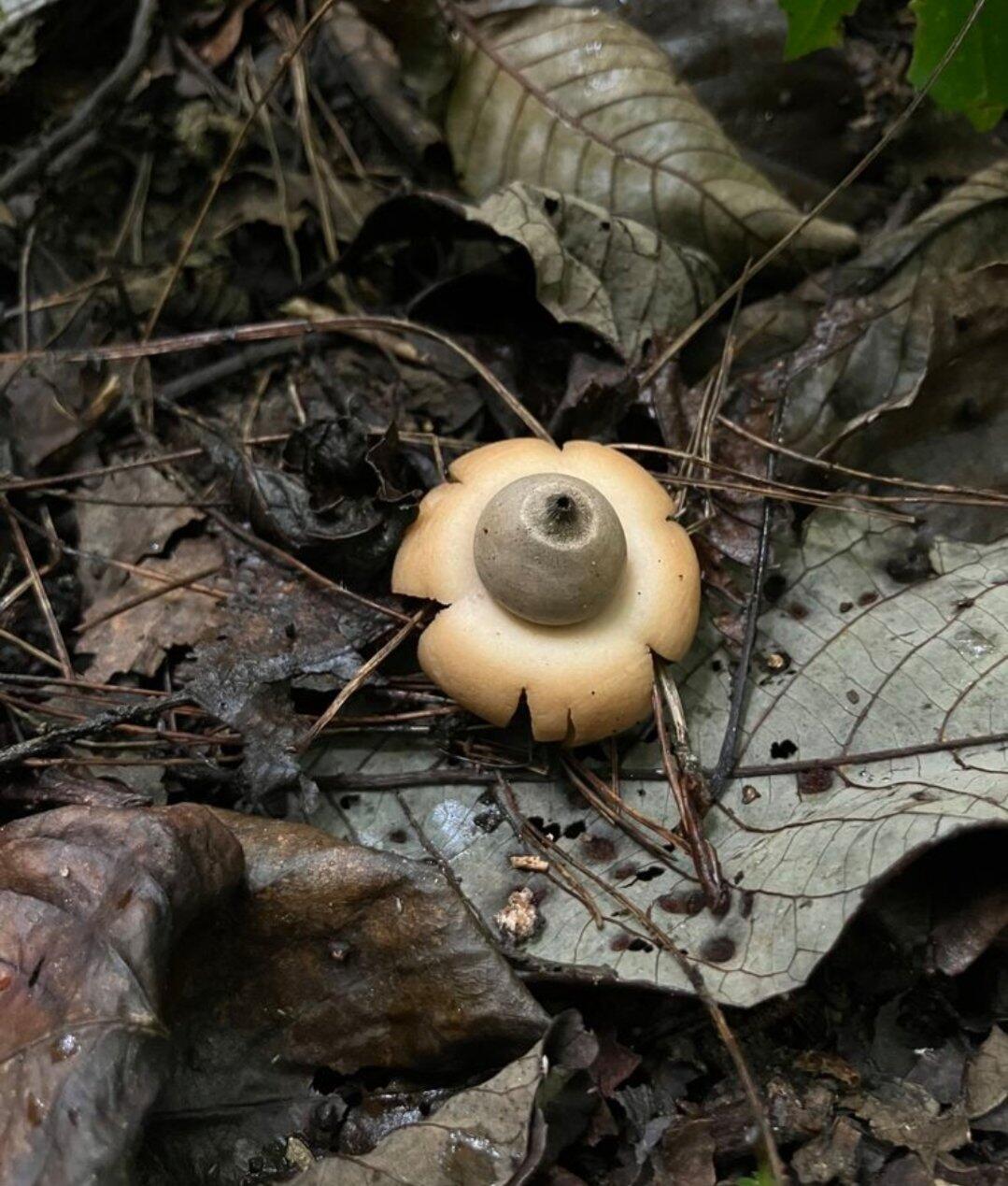
"I'm Xiaojing. In Dali, our favorite place is the forest. Throughout the year, the mountains hold different treasures. In the rainy season, there are mushrooms; in autumn and winter, pinecones, pine nuts, and ferns. Each season brings different flowers and plants. The girls in our foraging group always head up the mountain, no matter the season, and we always find something new. Welcome to join our mountain adventure!"
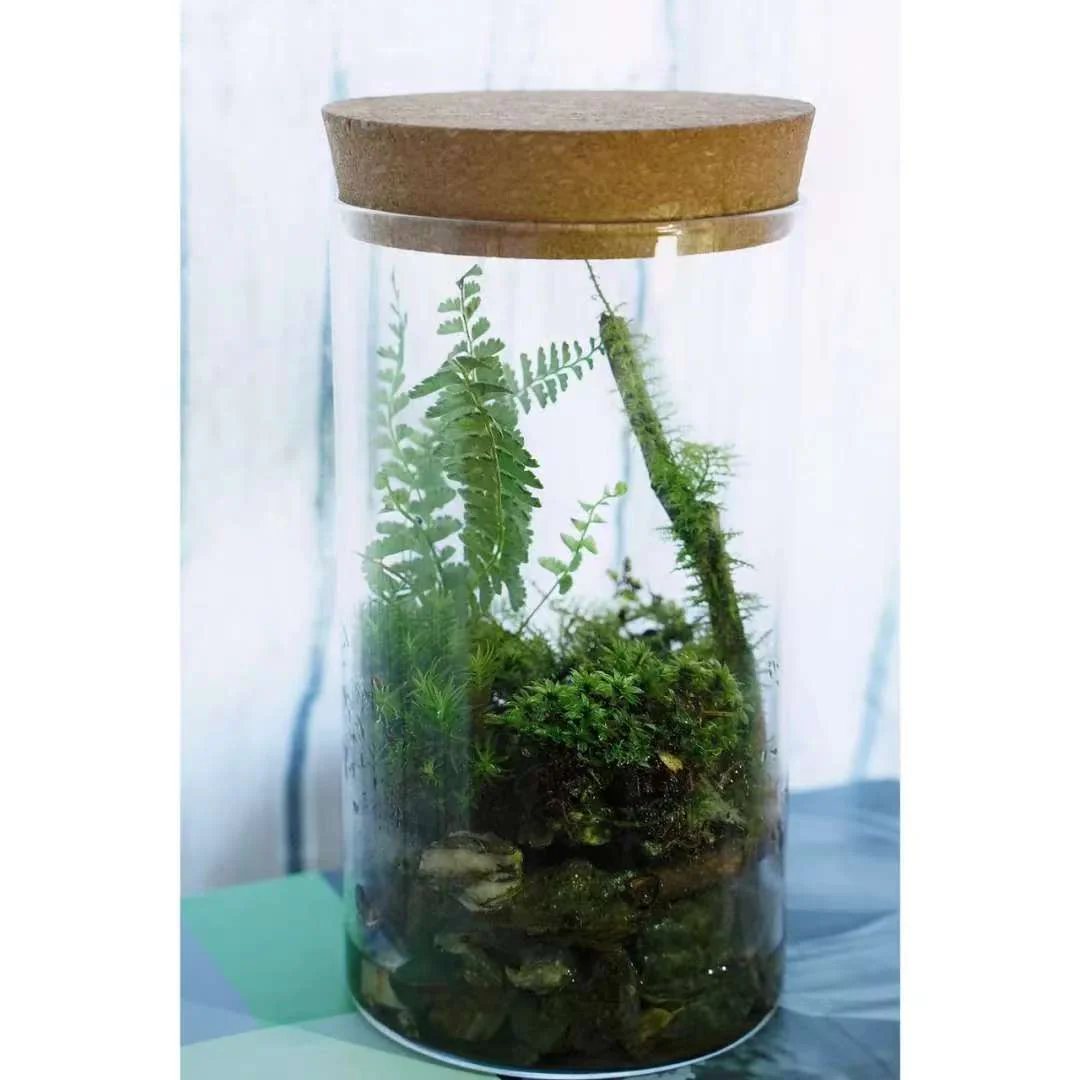
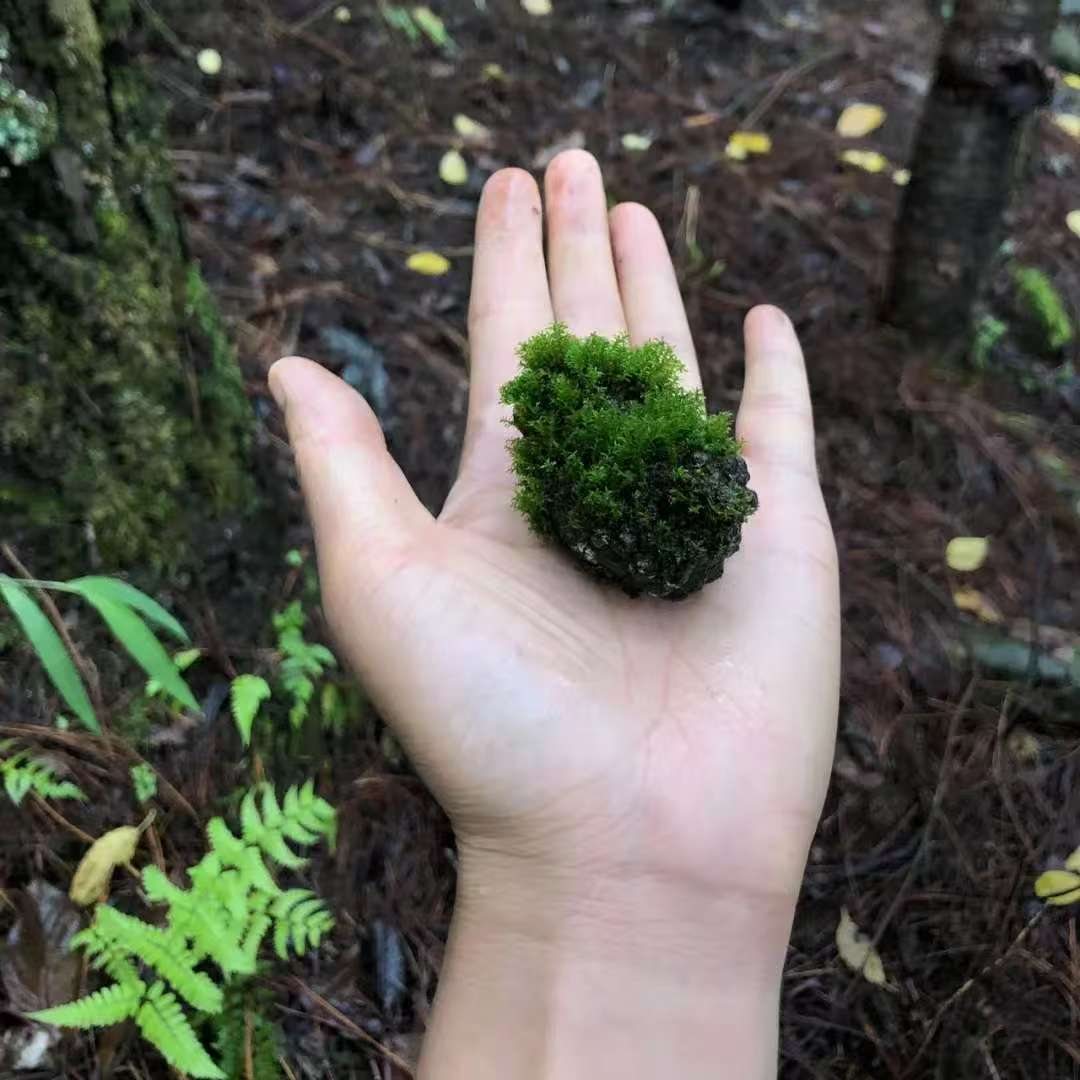
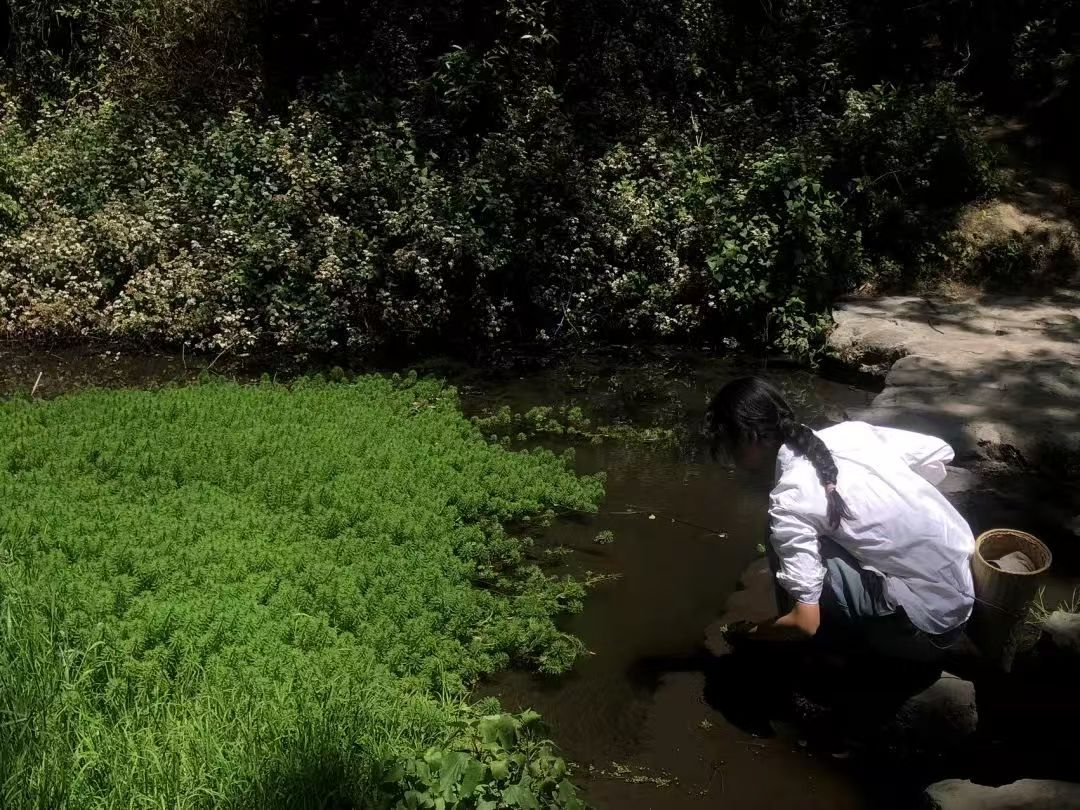
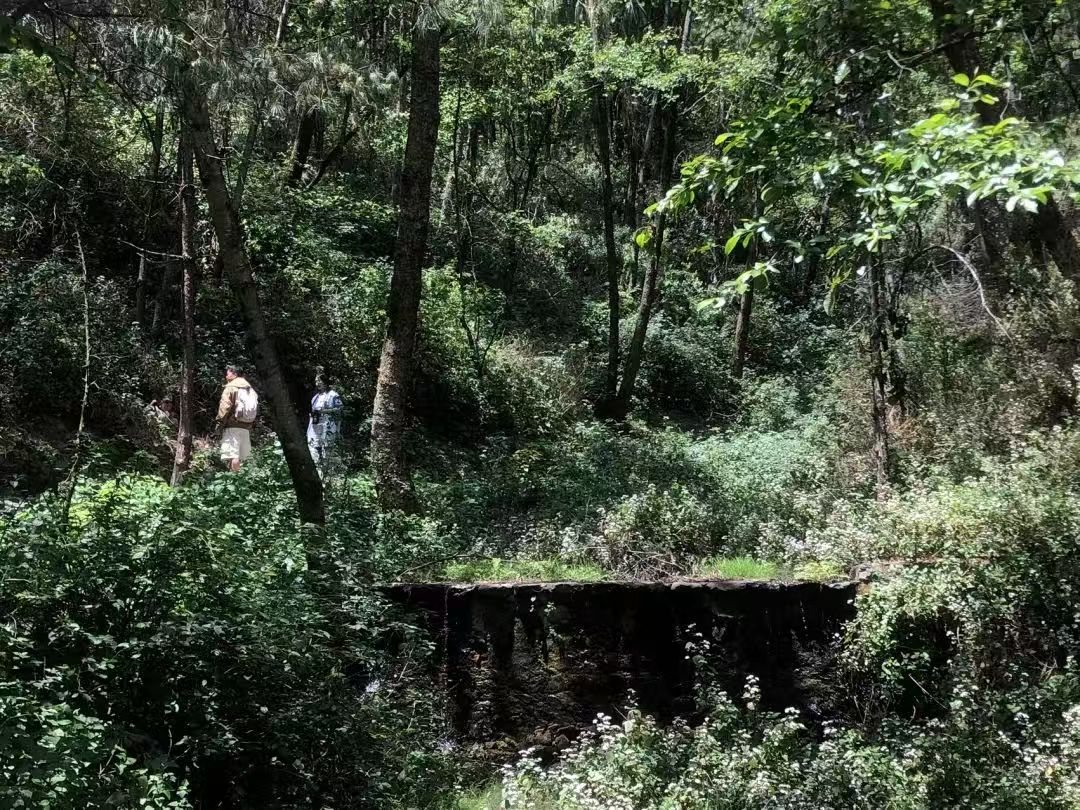
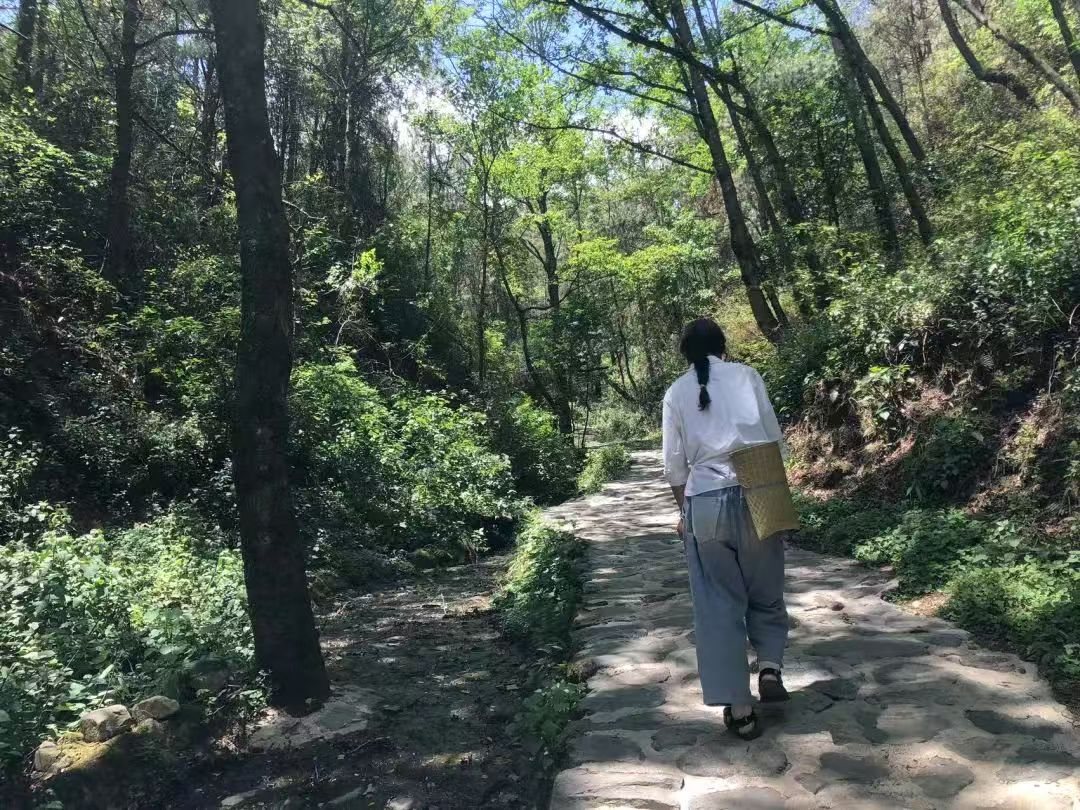
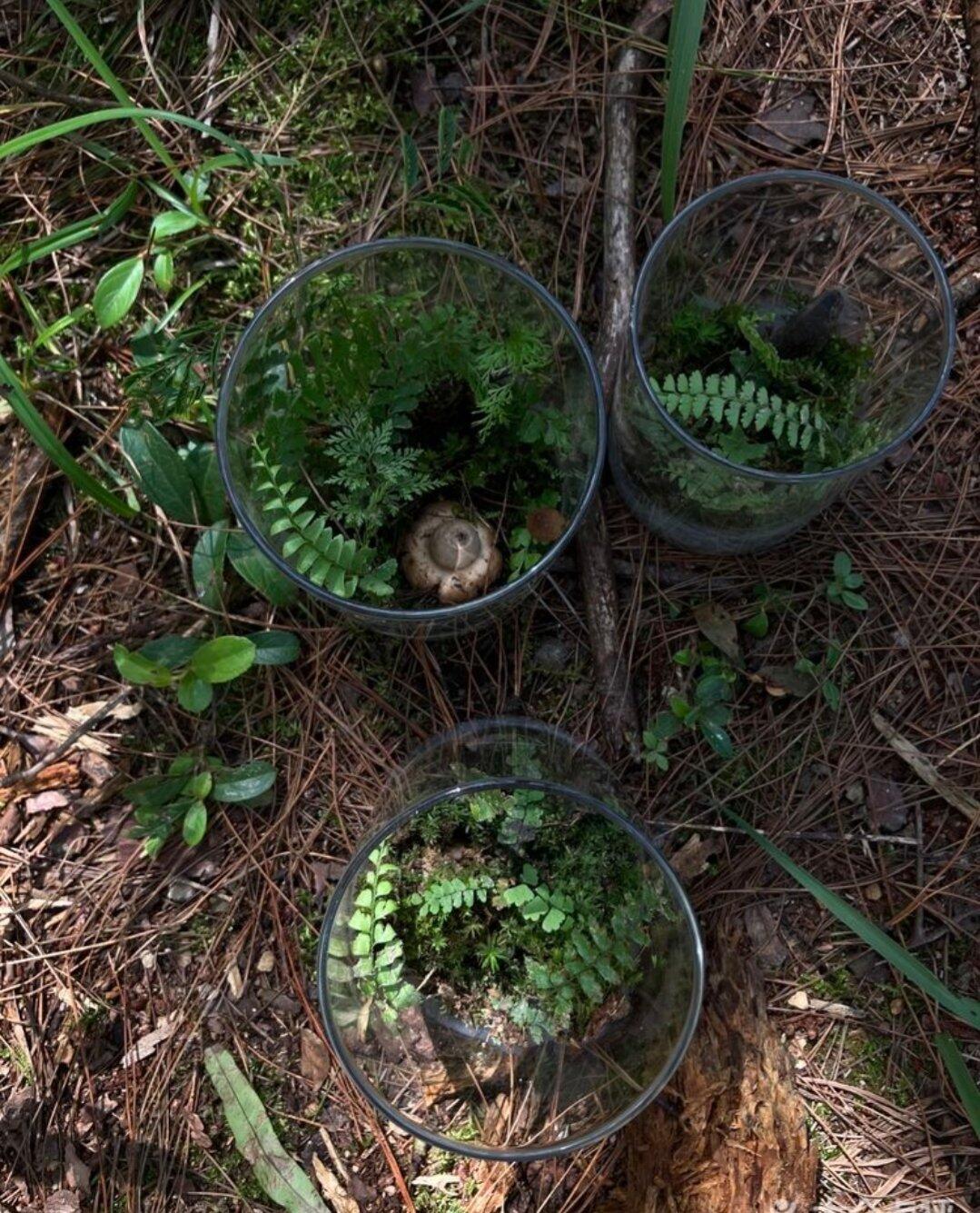
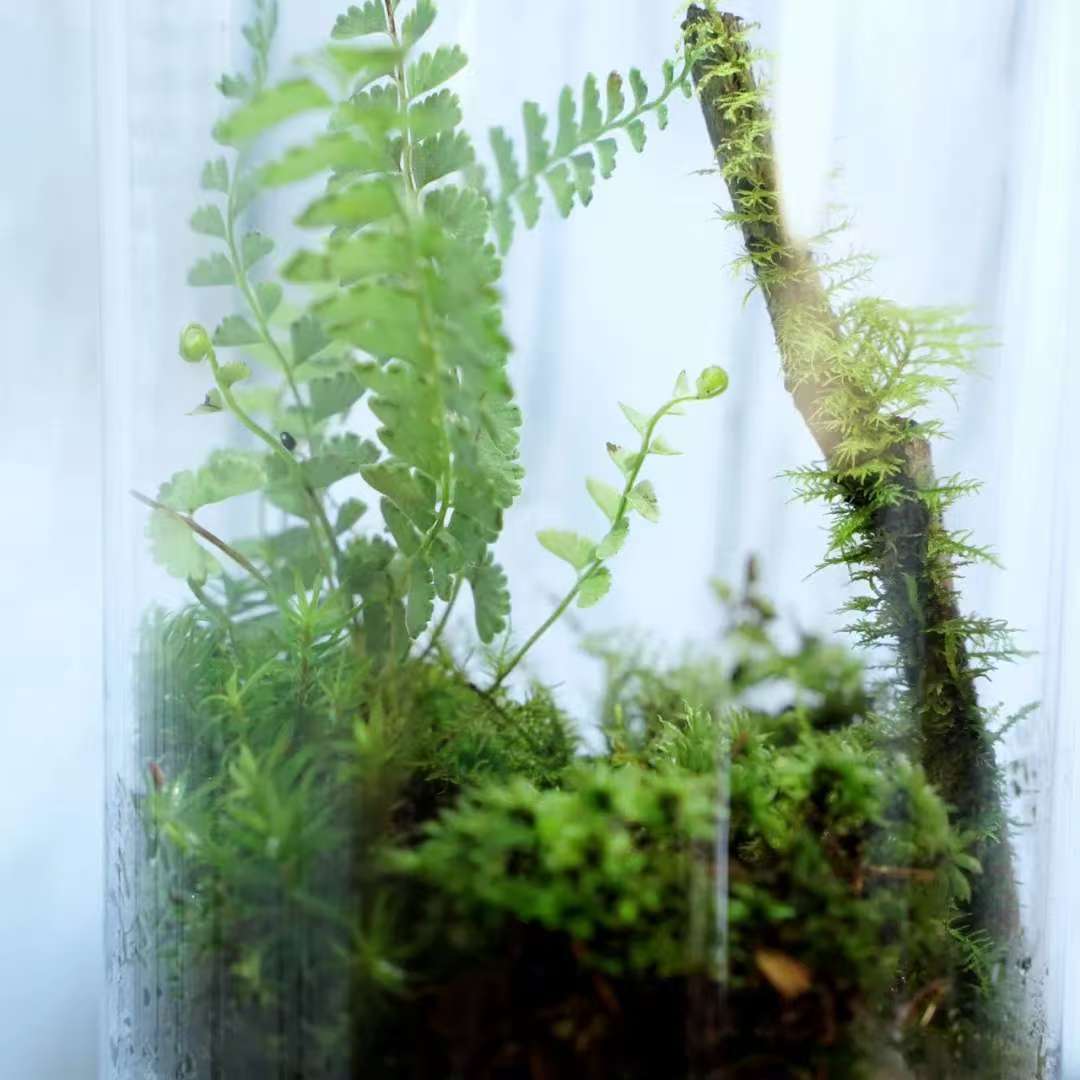
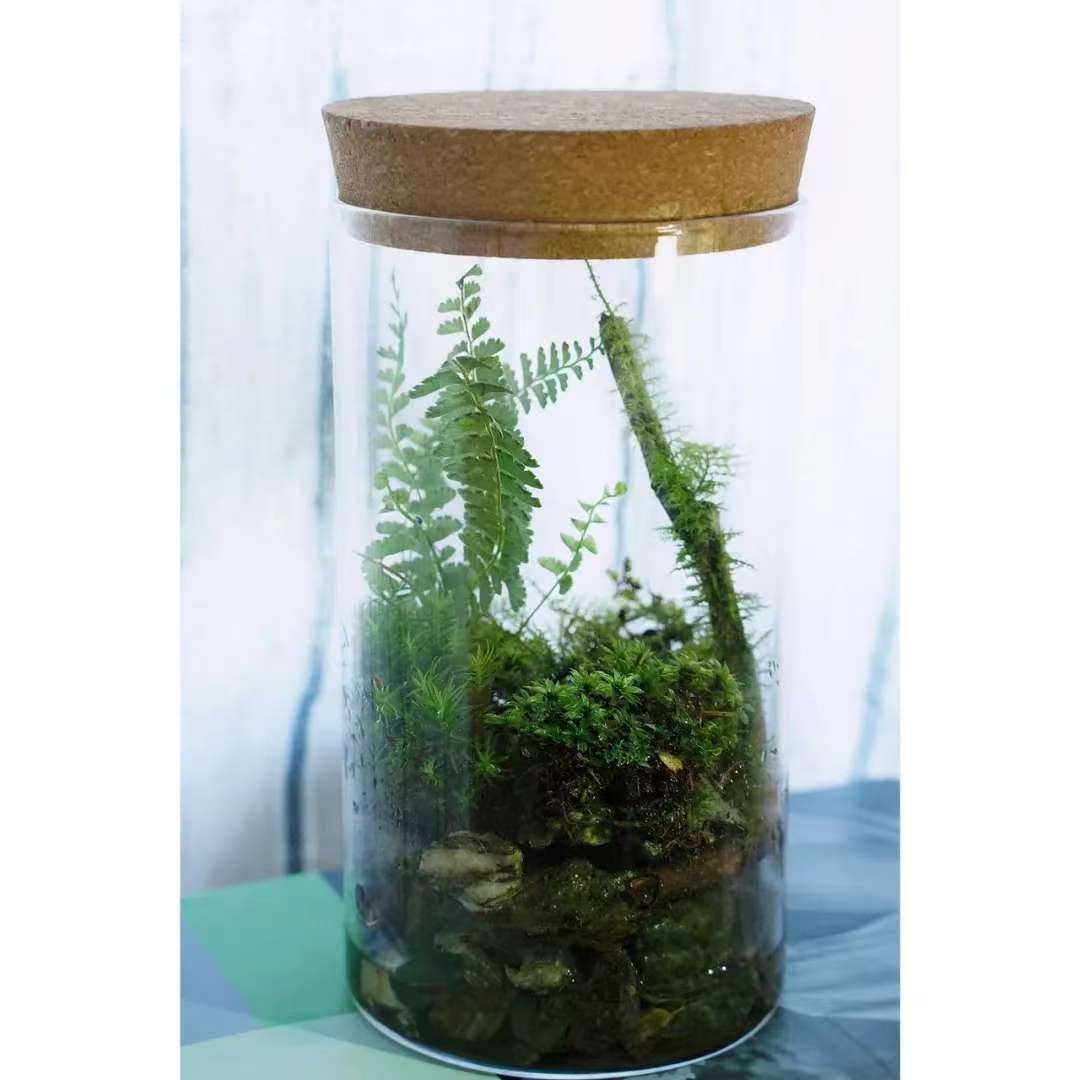
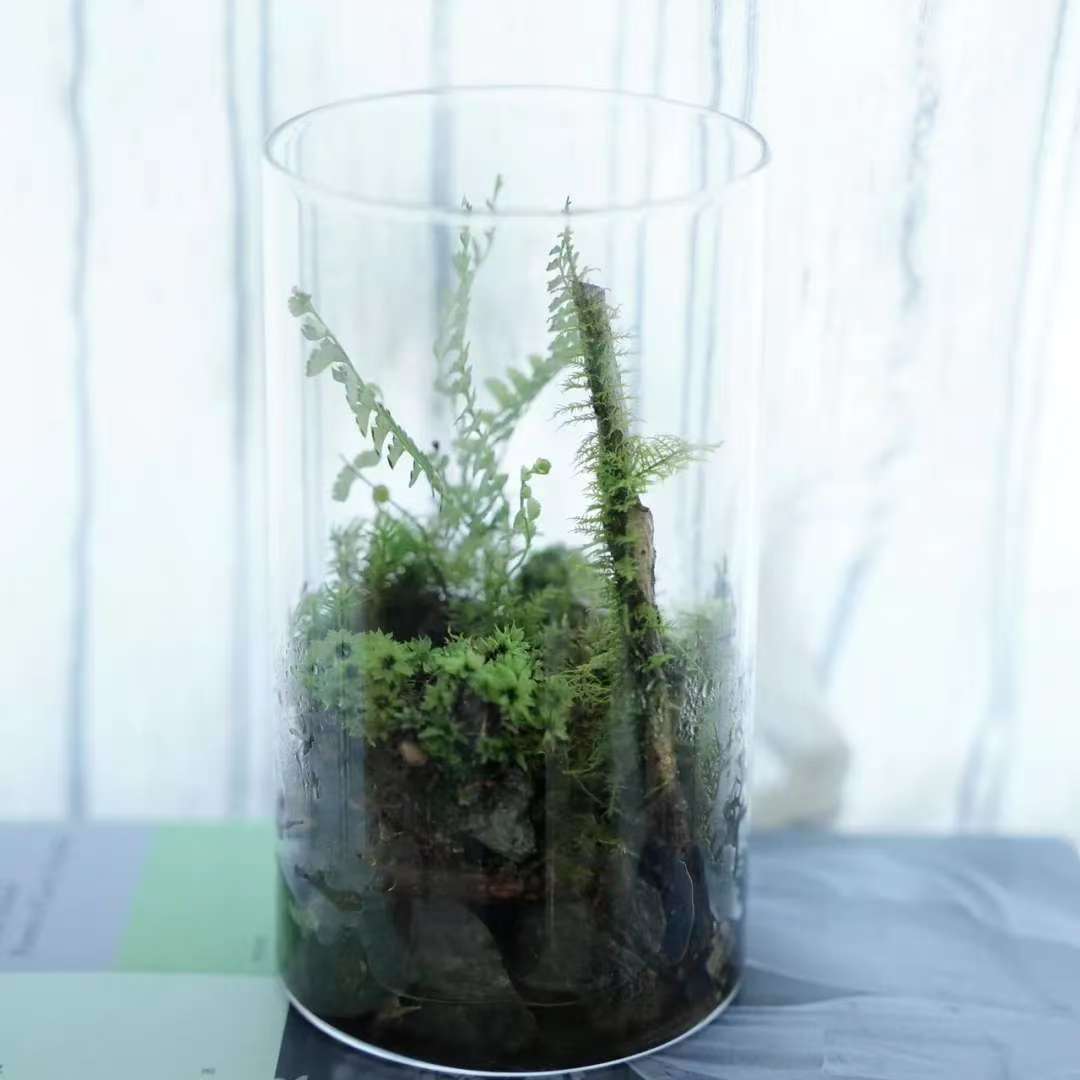
Hike into Cangshan, heading towards Wuwei Temple, passing by streams. We will collect moss, ferns, and small stones, and place them in the glass container provided to create a miniature Cangshan forest to take home (suitable for carrying on planes and high-speed trains).
Total distance: approximately 2.5 km (round trip).
Suitable age: Adults who love nature, and children aged 3 and above.
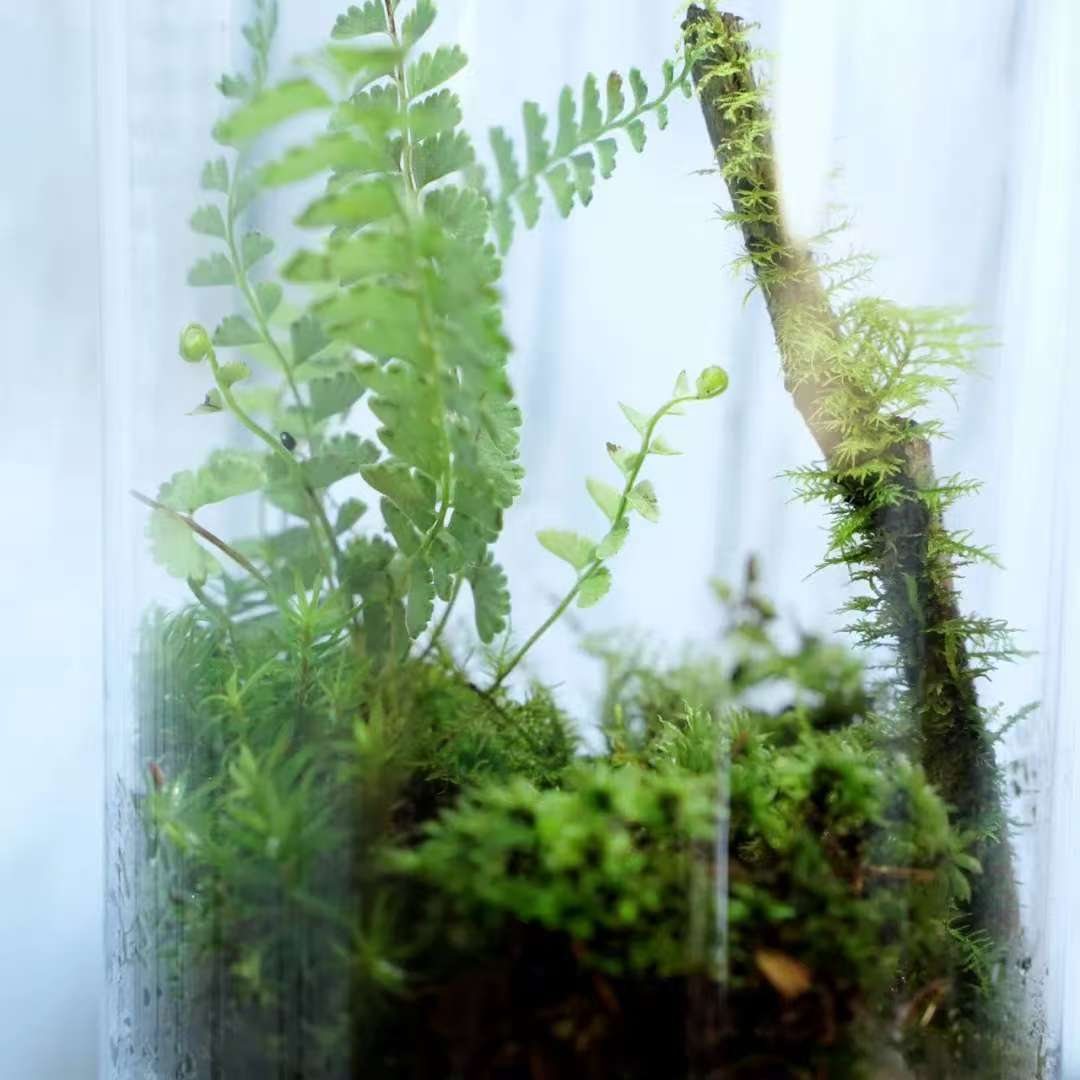
Below are the small plants we collected, shown after being kept in a humid environment for one week.
Plants collected directly from the mountainside require no special care—just water every three days and open the lid weekly for ventilation.
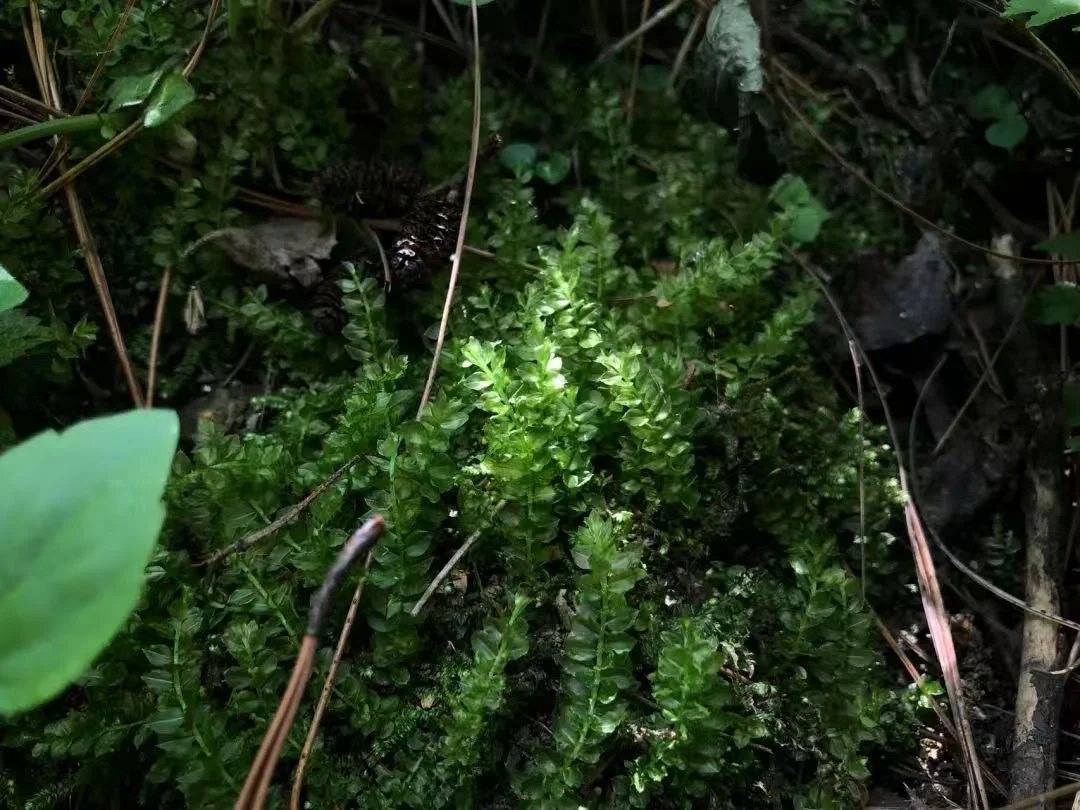
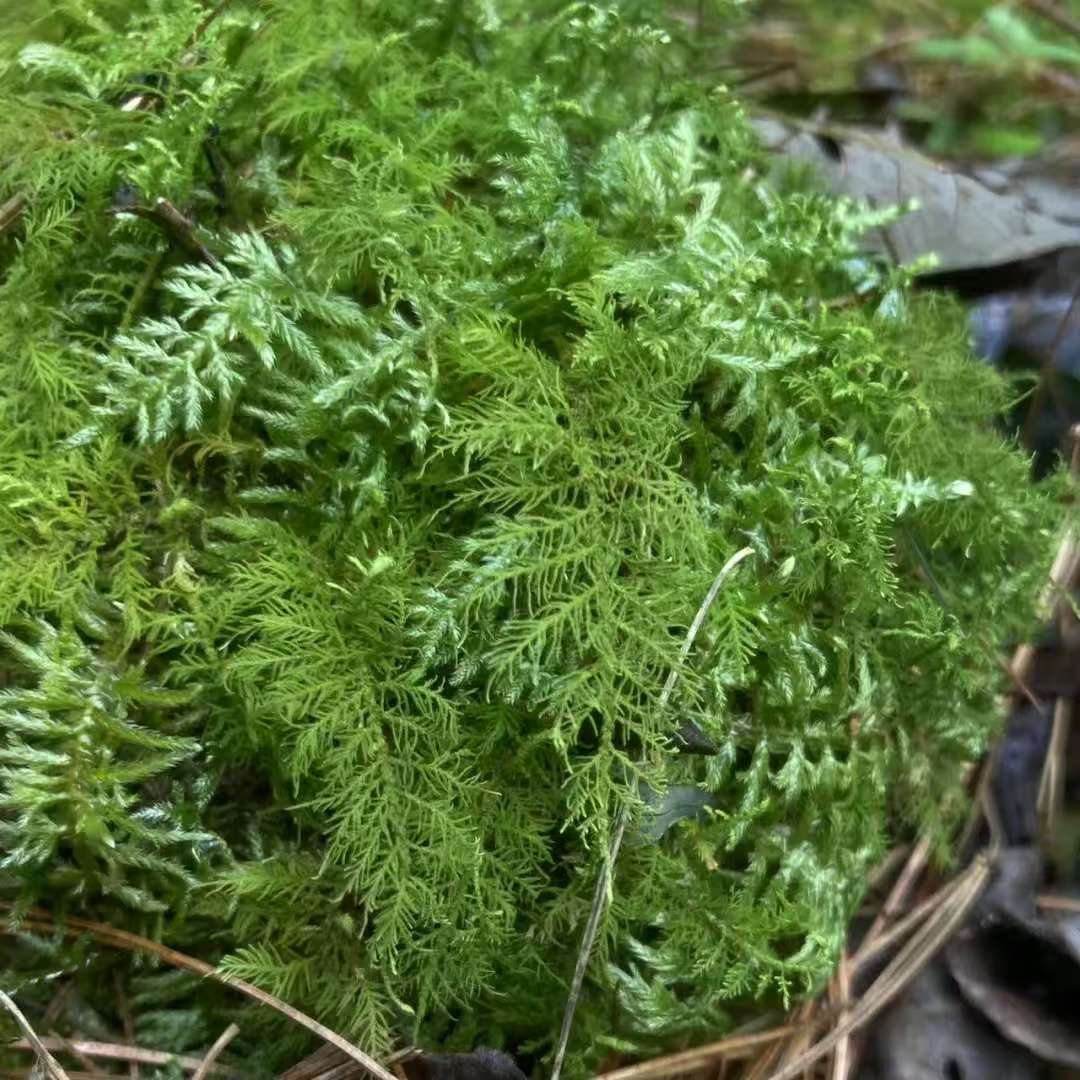
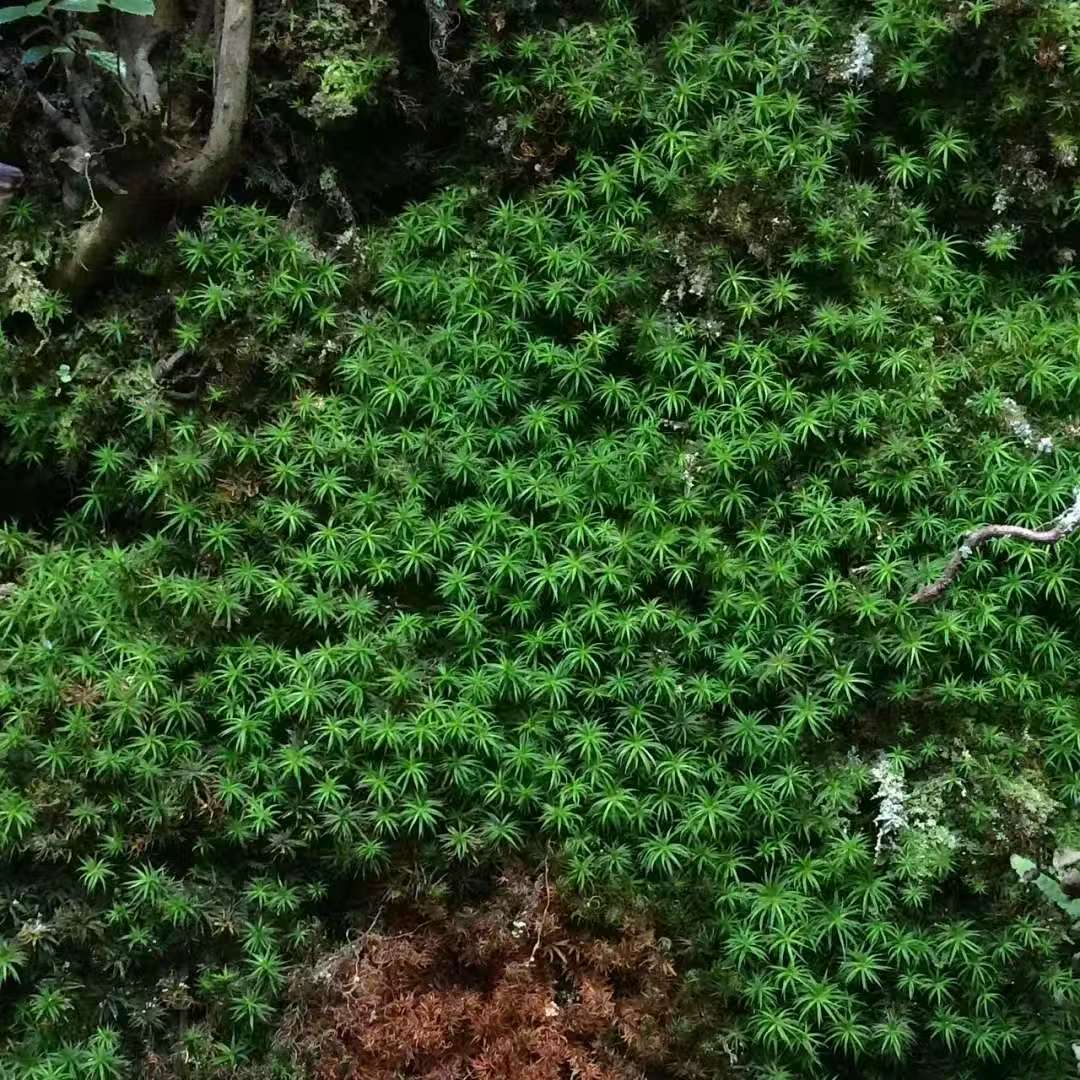
In Dali, the air is often quite dry, especially in winter, but if you enter Cangshan and turn over the pine needle-covered soil, you'll see a thick layer of green moss, perhaps nourished by the pine needles.
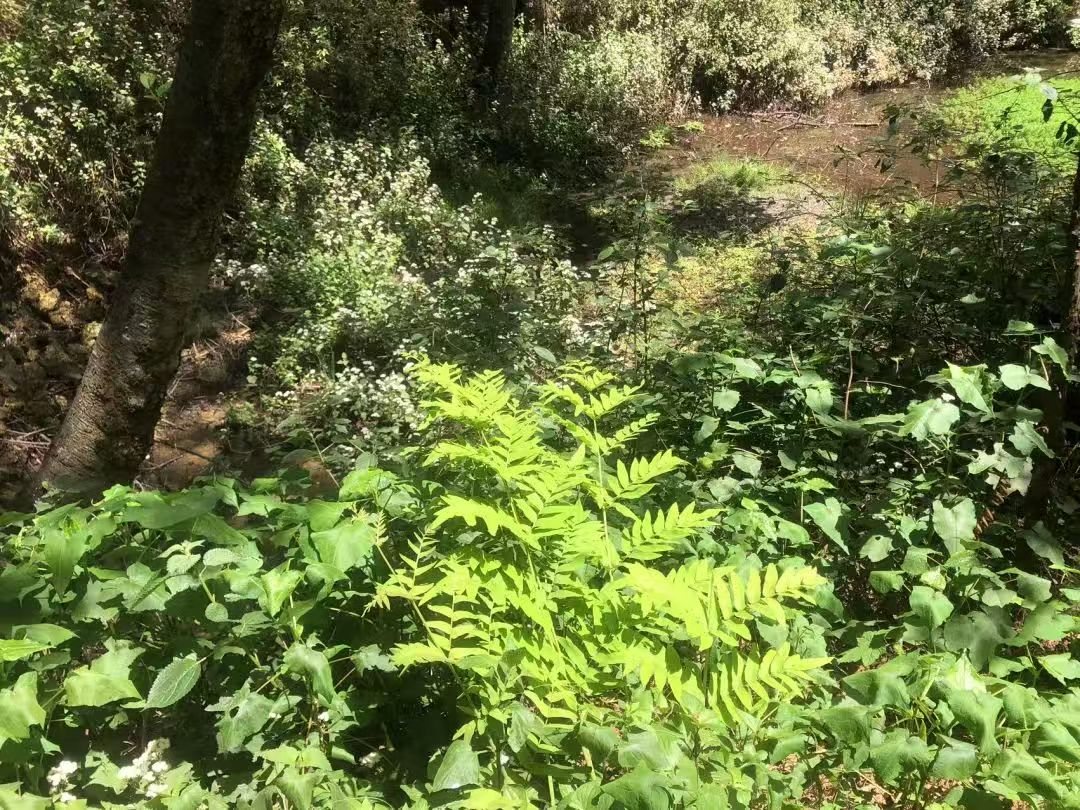
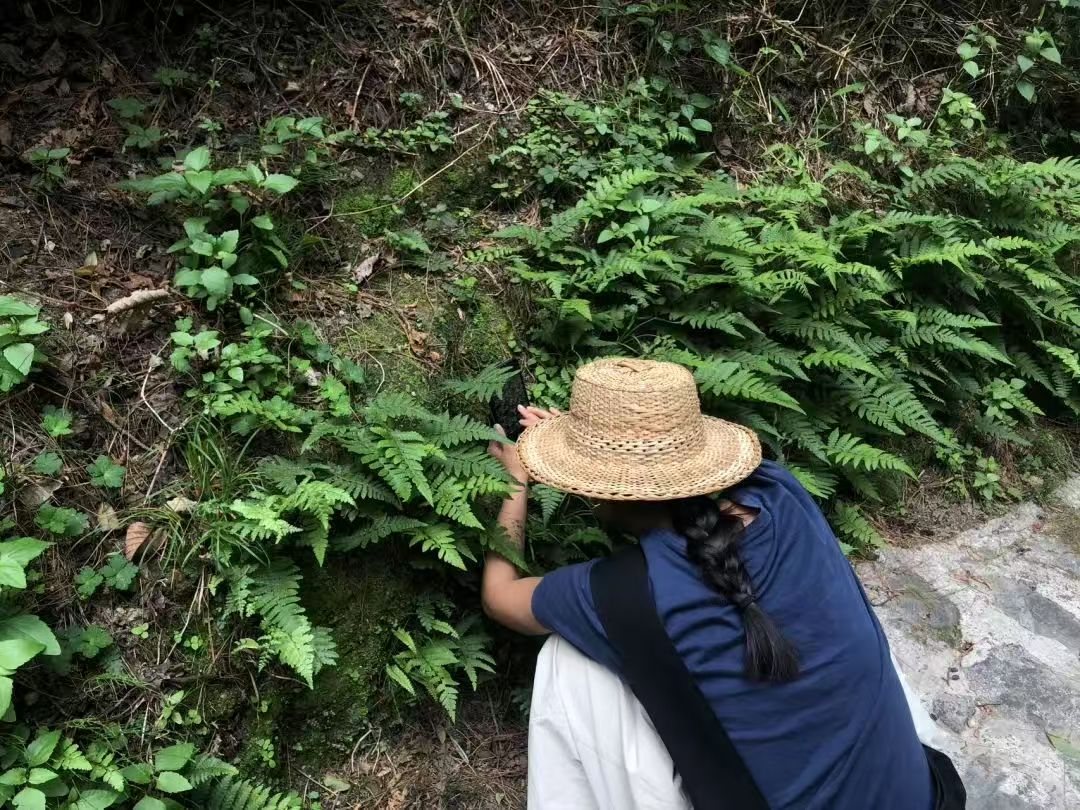
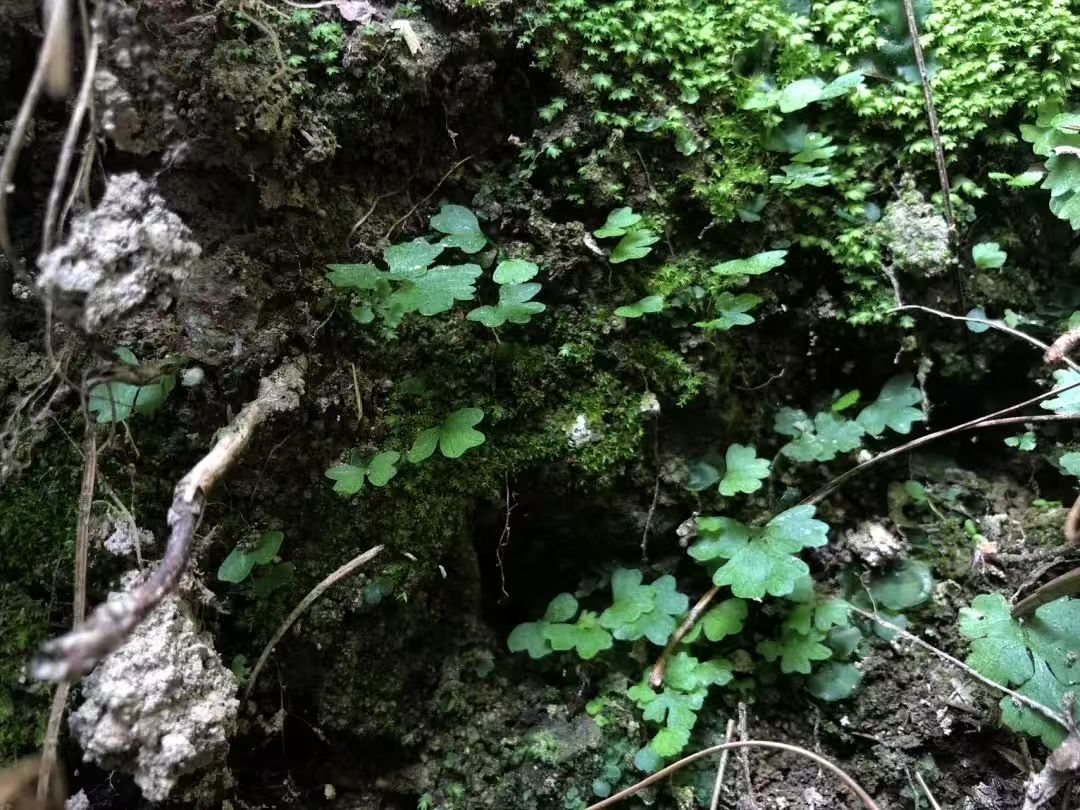
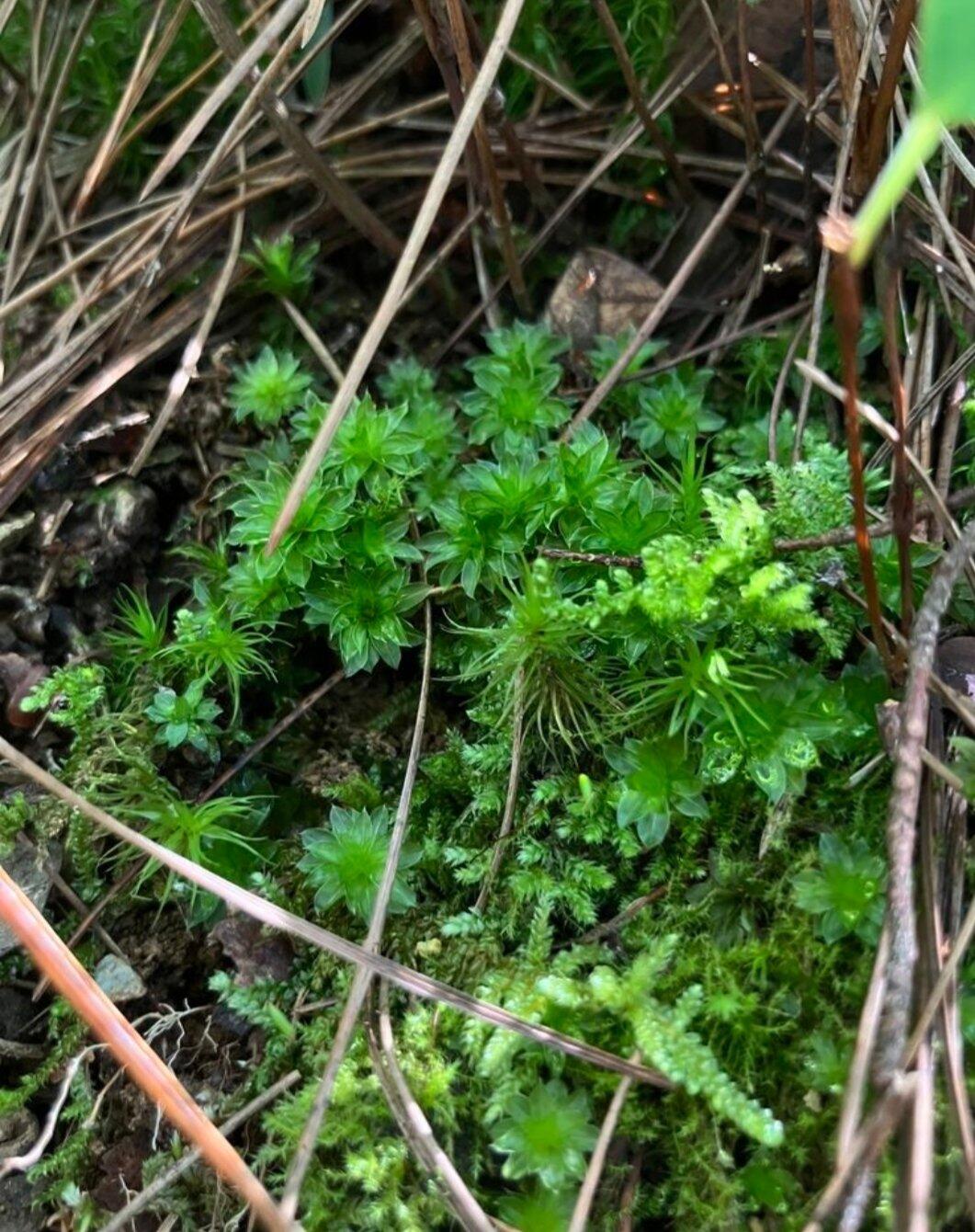
That day, Wangwang and I went exploring in Cangshan. We crossed a stream and entered a pine forest when suddenly, on the walls on both sides of the path, many adorable mosses and ferns appeared, like scattered stars or tiny chrysanthemums.
In this dry winter, seeing them here is not only cute but also somewhat magical. Perhaps because it's close to the stream, we occasionally see mountain springs seeping out. I imagine these little sprites grow even more vigorously in summer.
The origin of this activity comes from our guest "Sloth."
During the busy summer, one day, Sloth booked my "Forest Photography Shoot." I took her into the forest where I often pick mushrooms—a damp, lush forest. When we arrived, Sloth was quickly captivated by the thick moss under the tree roots and the moss at the base of the moss. I was influenced and started looking around, noticing fragments hidden in small stones that resembled mushrooms, which she had spotted.
But I hadn't really noticed them before.
The time spent searching for moss sprites allowed me to temporarily escape the busyness and stress of peak season work and return to the real forest—calm, focused, and reminiscent of the first time I picked mushrooms. Is this sense of detachment from reality what is called "healing"?
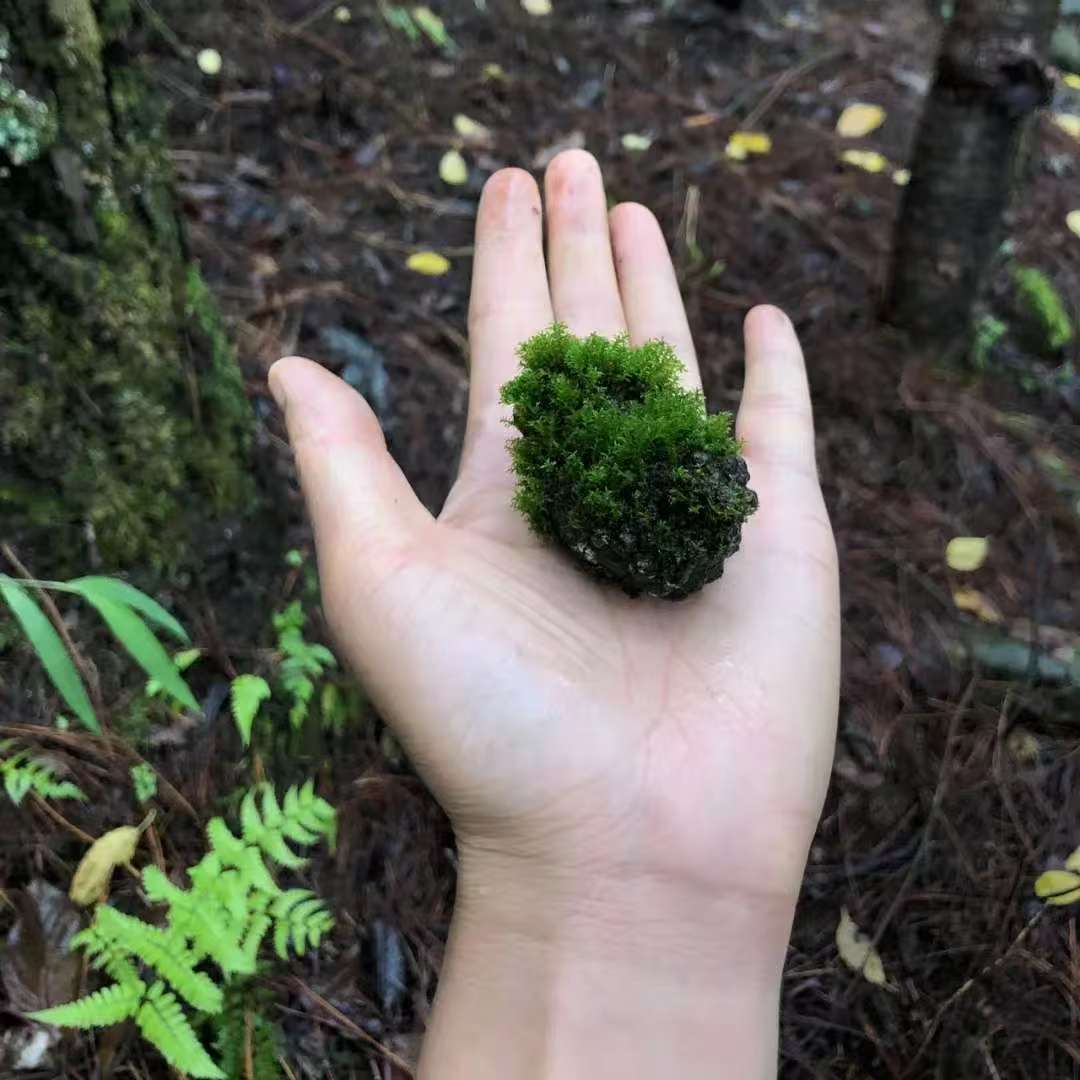
After that day's shoot, I told Sloth: "When I was picking mushrooms, I saw adorable moss growing on pinecones." Thinking about it, I decided to pick one for her next time.
From then on, I not only looked for mushrooms but also moss-covered pinecones.
(Pinecone covered in moss found by Yang Mi while picking mushrooms)
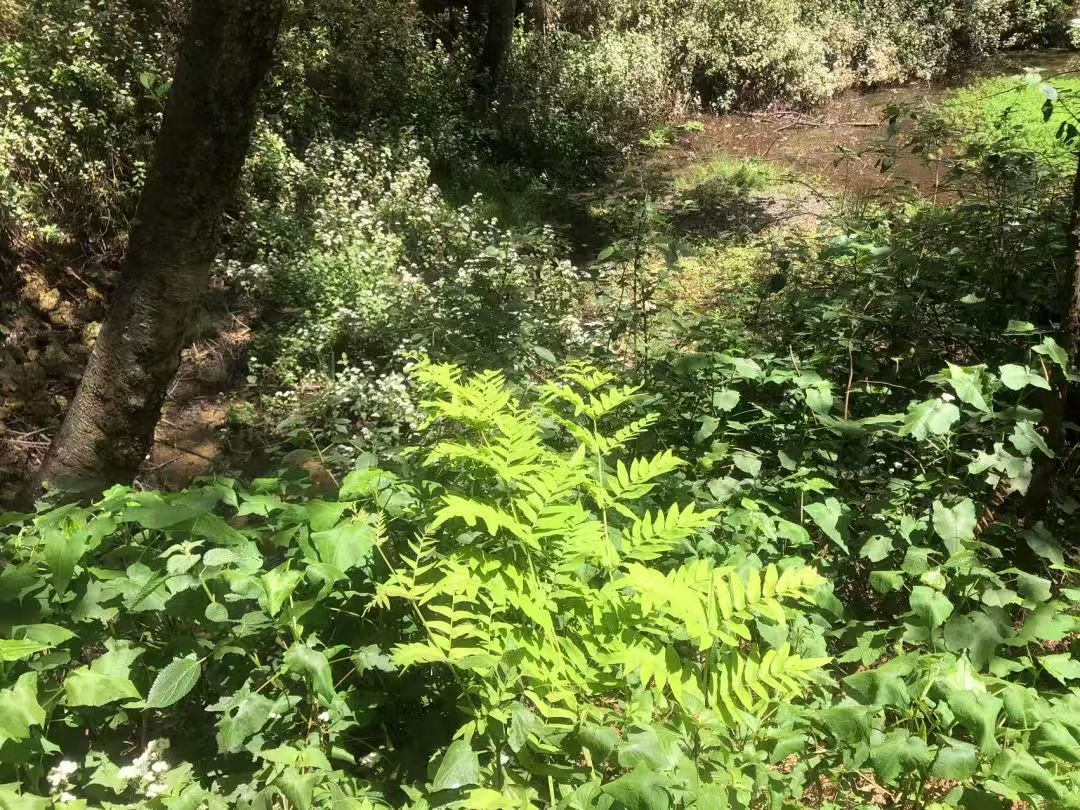
Scenery along the way
Gray moss
Palm moss and beard moss
Warm broad-leaf moss
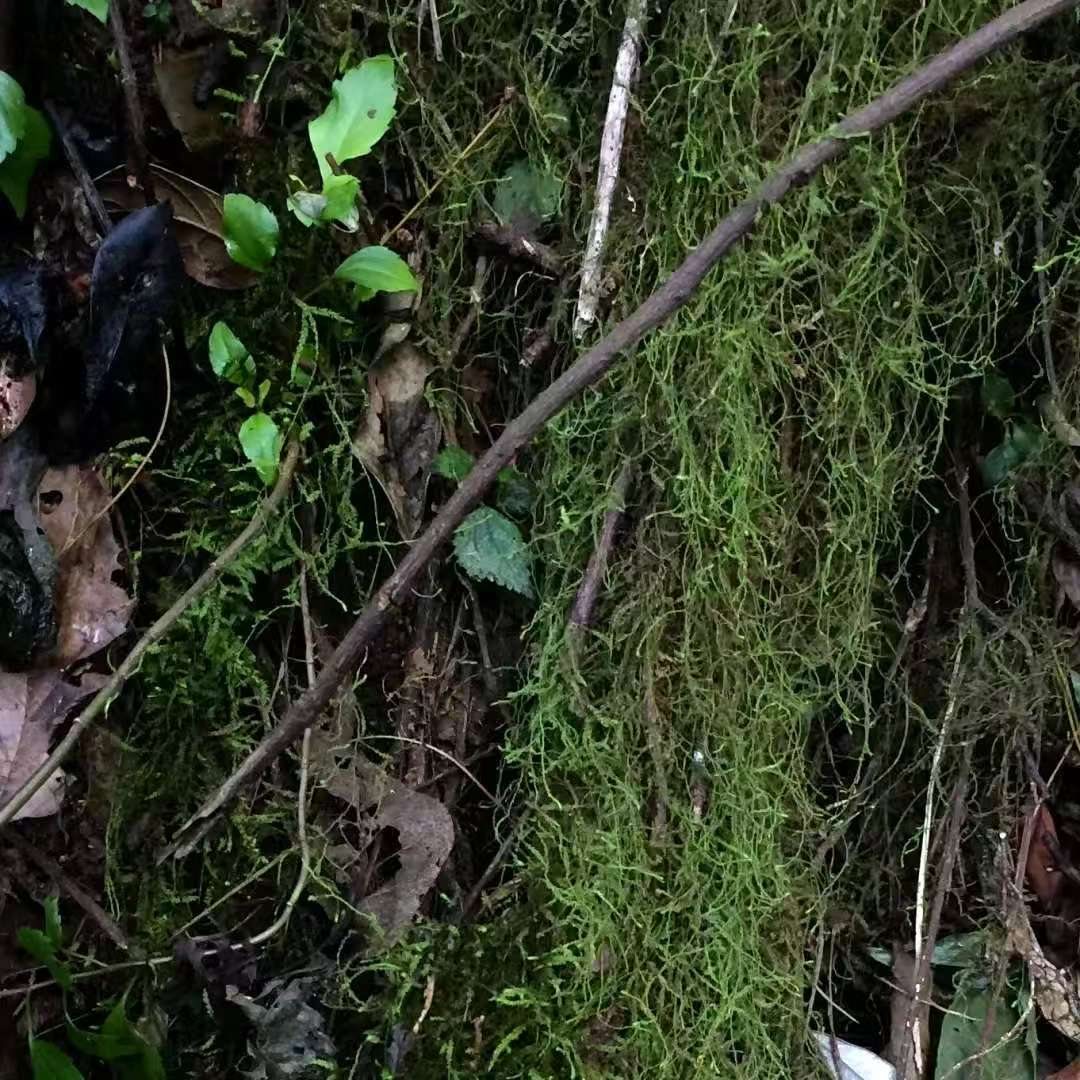
Whip-like new silk moss
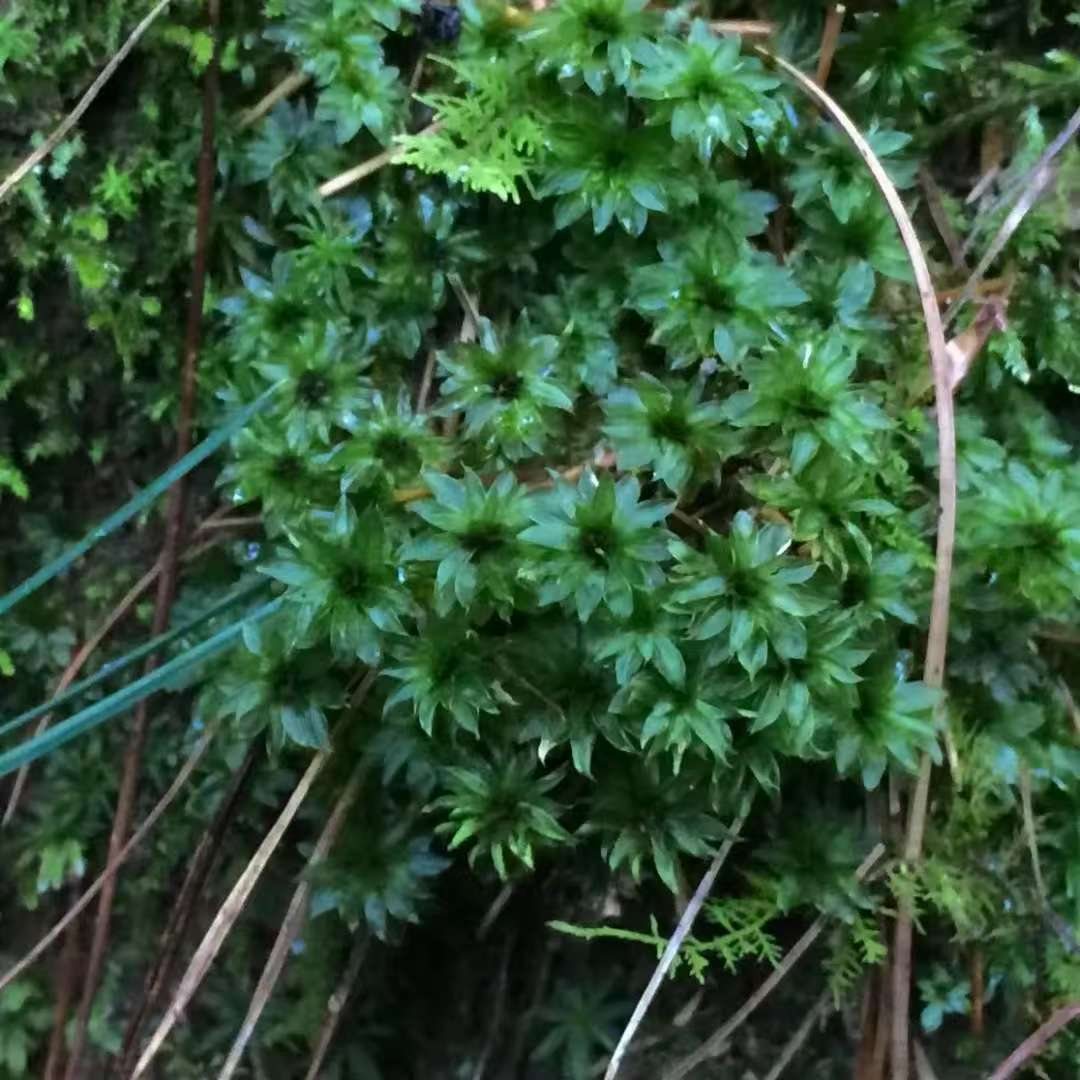
Star moss
Rat-tail moss
During the journey:
In summer, Sloth brought back plants from Cangshan.
As for whether they can be taken on a plane, Sloth also responded: Yes.
Our team introduction:
Our mushroom-picking group consists of five or six girls: Zacaoying, Yanzi, Xiaomin, Wawan, Lizhenhao, and Daixiang. Each has their own expertise, studying various mushroom books and extensively participating in fieldwork in different forests.
Summarizing their characteristics: They possess both deep theoretical knowledge and rich practical experience in forestry.
Photos and