この旅について
The biting wind in the mountains, the flowing stream in the forest.
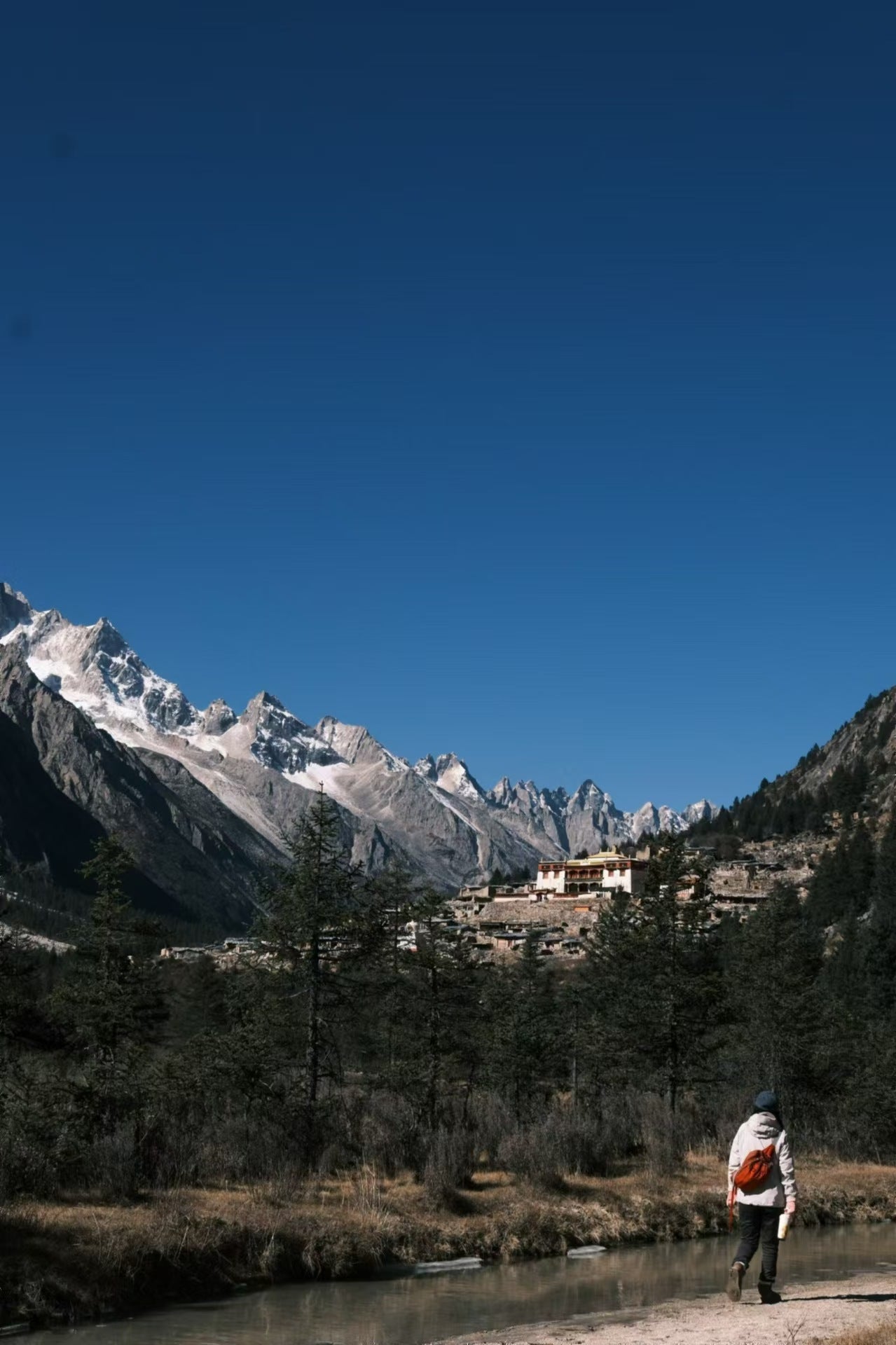
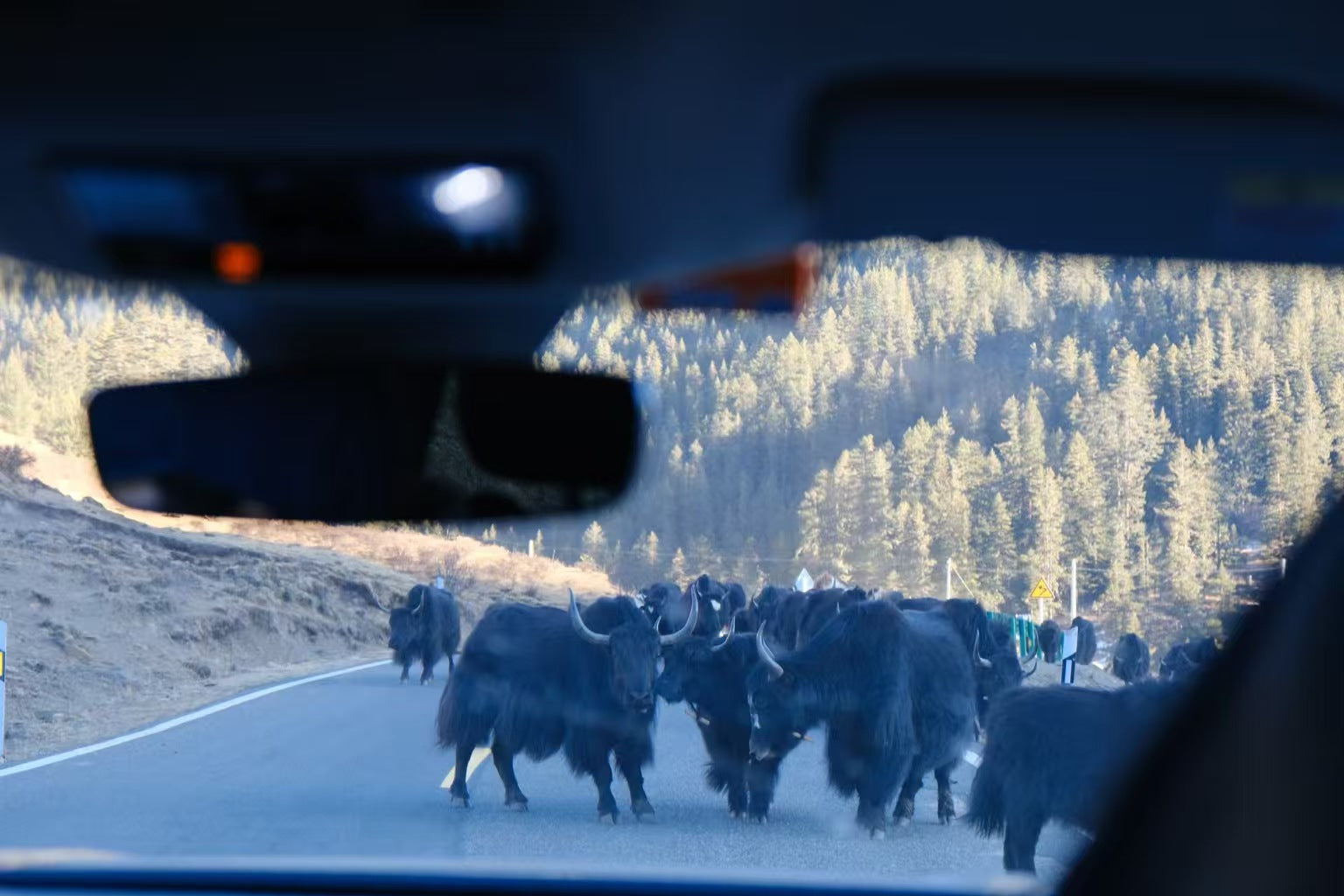
Glacier-carved snowy peaks, grasslands scattered with yaks and sheep.
The warm starry night sky, decorated with meteor showers.
What first attracted me to the name Gênyi Sacred Mountain was not its mysterious or trekking attributes, but the fact that it lies at the Heart of the Hengduan Mountains with minimal light pollution — a Bortle Scale Class 1 dark sky site that we have been searching for.
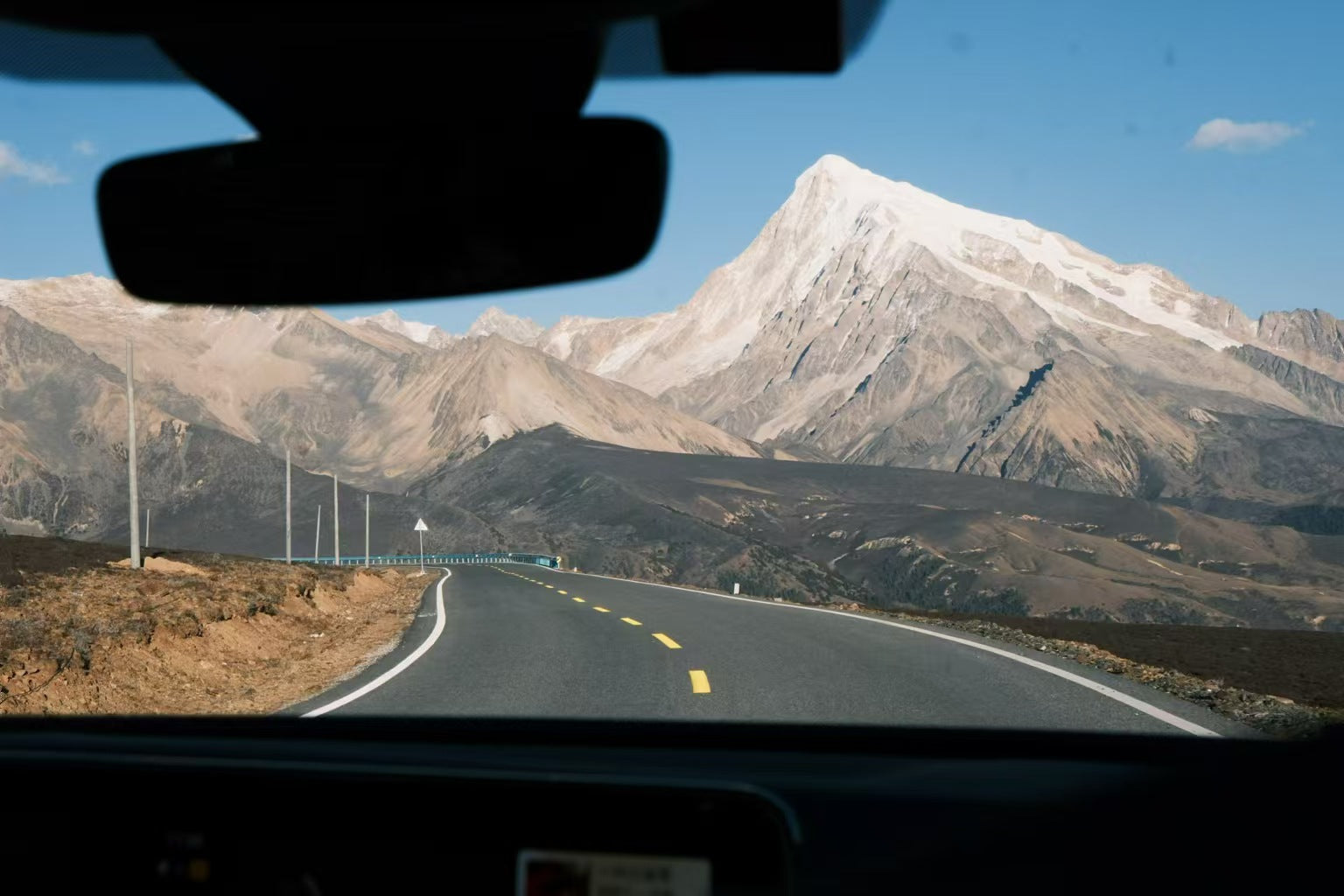
This will be a road trip deep into the Heart of the Hengduan Mountains, reaching the stars. Under light conditions of visual magnitude 7.6 to 8, the hidden stars begin to reveal themselves. (Here’s a joke: there are so many stars that I need to carefully locate Polaris.) Starting from Shangri-La, the journey climbs from canyons to mountain peaks, from primeval forests to golden grasslands beneath snowy mountains, from glacial remains to the world’s highest city, Litang. This is a loop route starting from Yunnan and arriving in western Sichuan, bypassing the congestion of Highway 318 and enjoying the pure wilderness.
On this three-day itinerary, we will circle the Gênyi Snow Mountains and Haizi Mountains in the Shaluli Mountains. (Along the way, you will see Tibetan houses of various styles, making you realize that lifestyles differ greatly even across a single mountain range.)
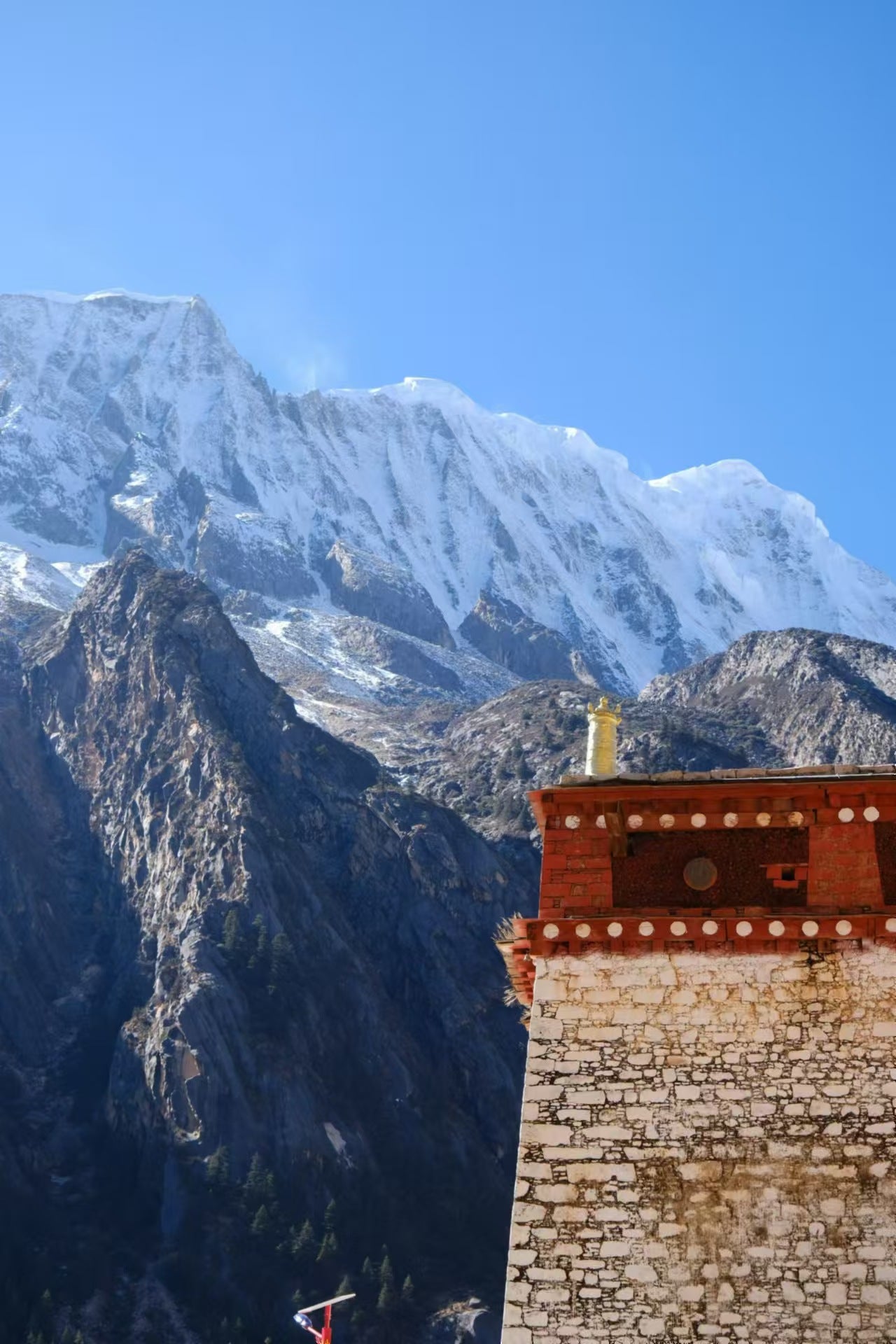
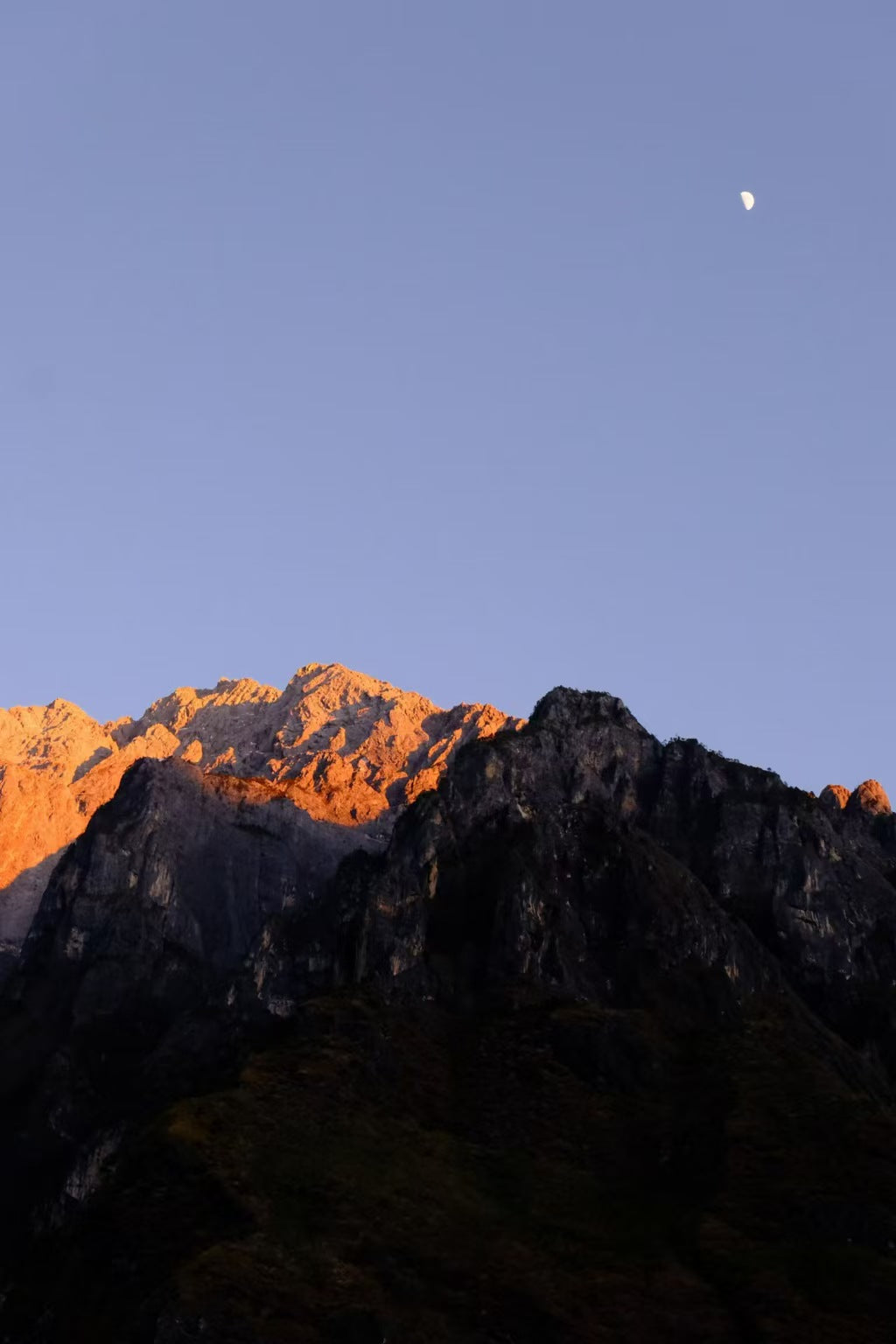
On the first day, after resting in Shangri-La, we depart from the canyon (if you have altitude sickness, you need to acclimatize in Shangri-La beforehand). We pass through the dry-hot valley of the Jinsha River with sparse vegetation, cross a well-preserved primeval forest, go over the Laolonglongba Pass to see the main peak of Gênyi, and arrive in the heart of Gênyi under the sunset glow, searching for a small village nestled between two mountains where local Tibetan people live. (I love what they say: “Foreigners with blond hair and blue eyes come from beyond the sea.” Visitors from the plains bring many outside stories, even more captivating than the legends of the mountains.) At night, we go stargazing. We will sit leisurely on the grass (or on the rooftop of the inn; or perhaps by the fireplace inside the inn, watching meteors through the window), drinking hot tea (or wine), looking for nebulae or galaxies visible this season with the naked eye, and running a half Messier marathon of visible objects. The moon phase that night is a 12% waxing crescent, so we can watch the moon set behind the snowy peaks, take photos, and chat about star stories. There are no strict rules — just sit facing the snowy mountains, relax under moonlight and starlight, and maybe see a fireball crossing the sky. The Quadrantid meteor shower of the coming year will arrive (though it often disappoints, fireballs are still possible). Under a dark sky undisturbed by moonlight, we can count the first meteor shower of the new year.
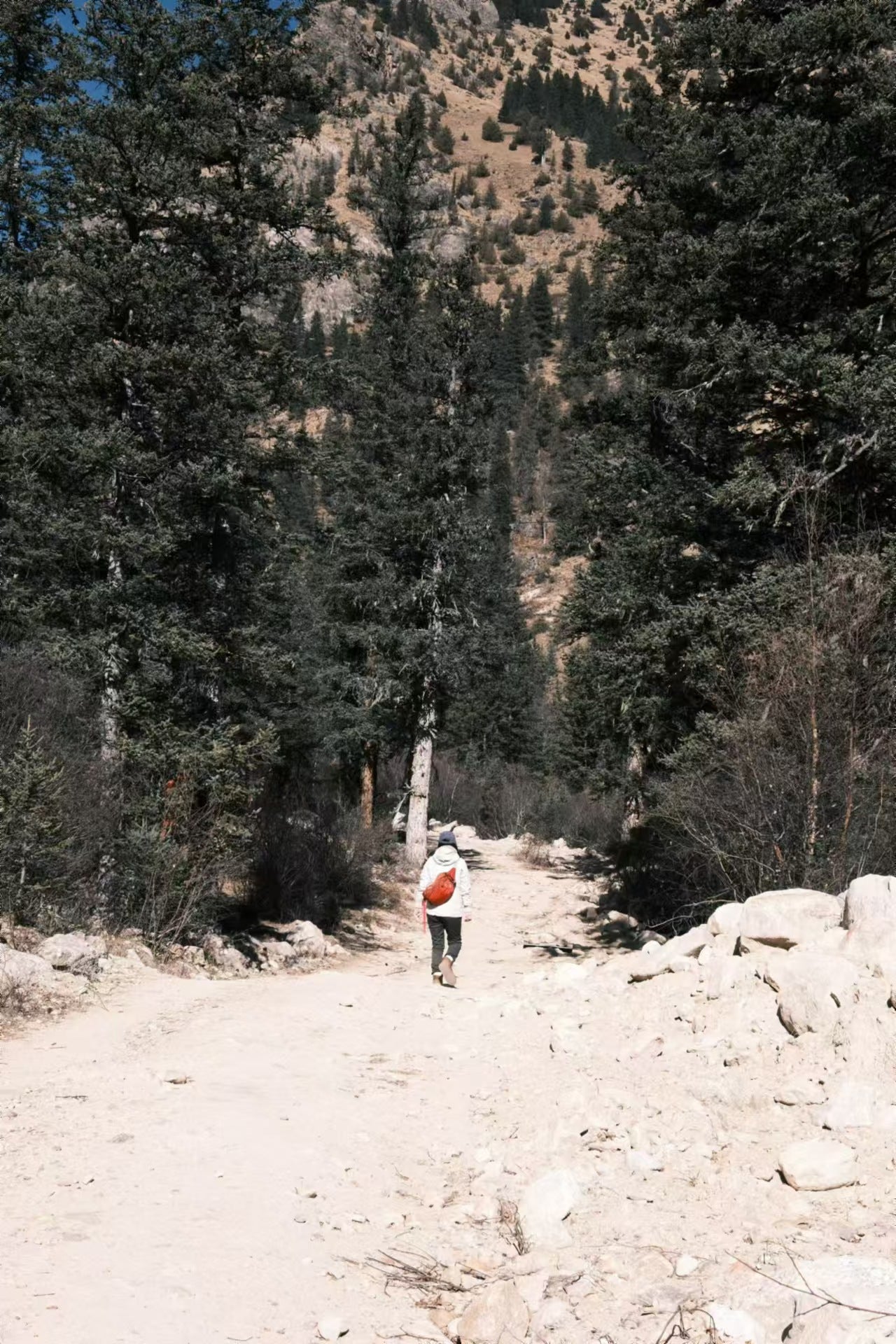
On the second day, we head to the Eye of Gênyi, surrounded by peaks. Beyond the barren meadow lies Gênyi Sacred Mountain, Xiaoza Sacred Mountain, and Kameron Sacred Mountain. On the way back, at the Tiejianshan Pass, we look back at the peaks and also take a look at the world’s largest ancient glacial remains. Crossing the Maoya Grassland, we arrive in Litang, the world’s highest city, under the golden sunset that paints the earth. (I think at noon we have time to lie like a big character on the withered grass, with our backs pressed tightly against the ground, basking in the warm sun, looking at the distant sacred mountains, listening to the bells on the yaks, searching for eagles soaring in the sky over the snow mountains, and feeling our connection with nature. If you like hiking, you can walk an 8-kilometer canyon section, taking about 3 hours to see an ancient temple said to be thousands of years old.)
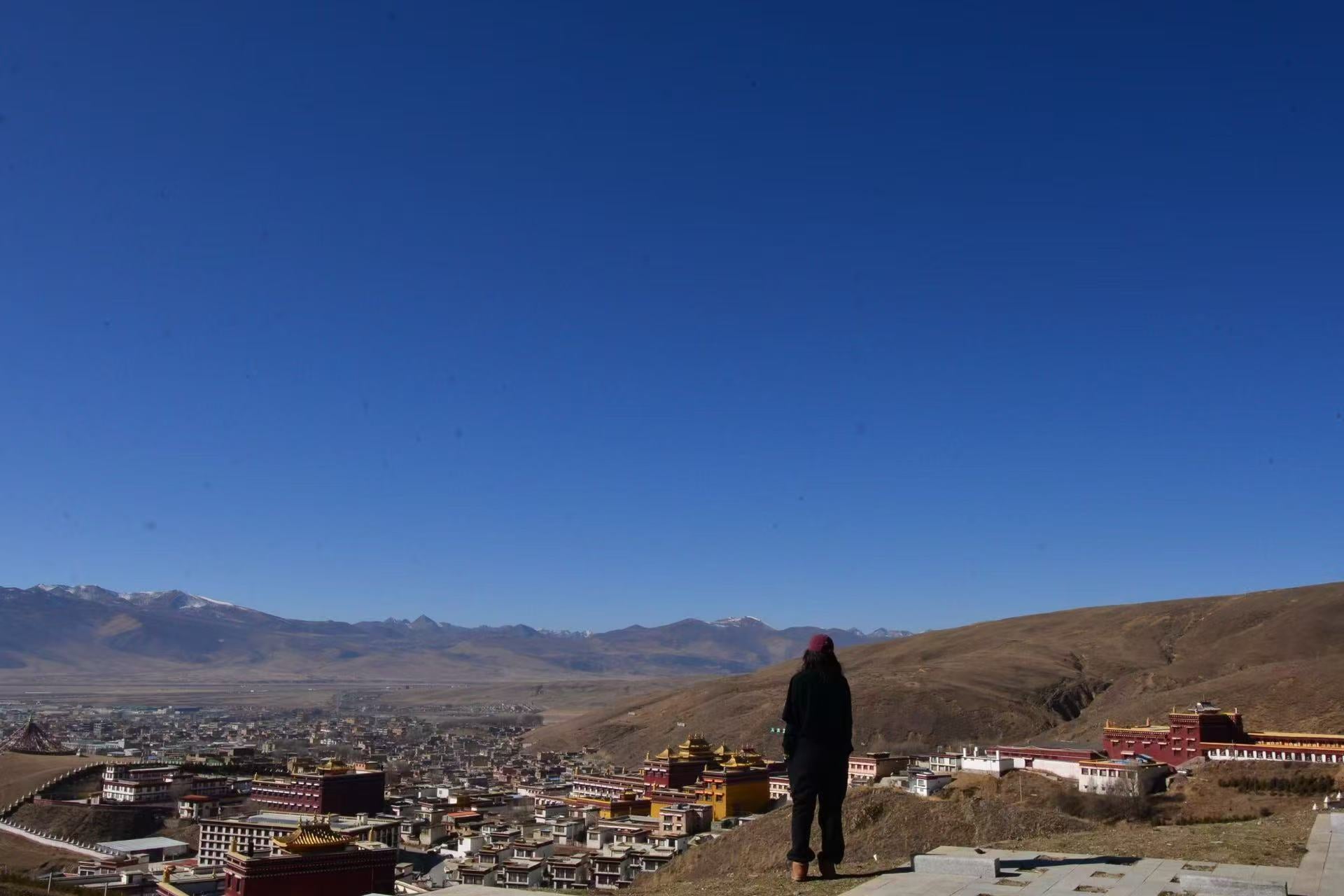
On the third morning, we stroll around the small Lhitong Ancient Town, sit leisurely at Changqingchun Koseli Temple, and listen to the monks’ possible chanting. Taking advantage of the warm sun, we depart through the Haizi Mountains and arrive in Xiangcheng in the afternoon. It is said to be the Shambhala of dreams. We see the most beautiful white Tibetan houses under Bamé Sacred Mountain, and take the once most difficult crossing route — Big and Small Snow Mountains (now paved). We view the steep eastern slope of Balagezong, and return to Shangri-La under the night sky, waiting for the first Quadrantid meteor shower of the new year (though it often disappoints).
Itinerary: This trip lasts about 3 days (most sections have no signal; please arrange work in advance).
Departure time: January 3, 2025
Departure point: Shangri-La (everyone needs to stay at a relatively high altitude the night before to acclimatize)
D1: Shangri-La - Derong - Bomi Township (passing through primeval forest) - Zeba Village (view of the main peak of Gênyi)
D2: Zeba Village - Eye of Gênyi - Tiejianshan Pass - Litang (world’s highest city)
D3: Litang - Haizi Mountains (passing through) - Xiangcheng (idyllic white Tibetan houses) - Big and Small Snow Mountains (viewing the Big and Small Snow Mountains on the border of Sichuan and Yunnan + Bamé Sacred Mountain + eastern slope of Balagezong) - Shangri-La (end of itinerary). (If there is heavy snow in previous days, we will return through the canyon to avoid black ice.)
Note: On the third day, the return route passes by Daocheng Yading Airport, where you can end the trip by taking a flight.
Activity fee includes: car rental fee, fuel cost, tolls, guide fee, stargazing explanation, telescope use, tea and snacks, fruit, insurance.
Other costs to be shared (not included in the activity fee): accommodation during the trip, meals, scenic spot tickets.
Note: Other personal expenses such as shopping are at your own expense.
Accommodation and meals:
In Tibetan areas, conditions are basic. There are ordinary standard rooms costing 100-200 RMB, and oxygen and heating-equipped standard rooms costing 300-500 RMB. We can discuss and choose according to our budget.
Lunch and dinner: authentic yak hotpot or free-range chicken hotpot, stir-fried dishes, 50-80 RMB per person.
Vehicles:
Weather will be confirmed before departure. If continuous sunny days, we drive an SUV. If snow, we take a hardcore off-road vehicle.
Tips:
1. When crossing snowy mountain passes, the altitude exceeds 4500 meters, with strong winds and low temperatures. Be sure to take measures to keep warm.
2. Accommodation in Gênyi is limited, altitude about 3800 meters.
3. In winter, western Sichuan is dry and sunny. Bring sunscreen and moisturizing products.