이 여정에 대해
"Going to Nuodeng is a trip deep into this thousand-year-old village. Enter through a hidden entrance, stay with local people, explore the cultural relics left by their ancestors in the back mountains, see the life of salt well families, and taste the ham they make. This trip will touch the imagination of the history of this land. On the second day, we drive over the Dachong Mountains, entering deeper forests and valleys of Yunlong, strolling on alpine meadows and pine forests. On the other side of the ridge, there is a river valley completely different from Nuodeng..."
Itinerary:
Day 1: Depart at 13:00, return to Dali around 20:30 on Day 2
Distance from Dali to Nuodeng: 150 km (2-hour drive)
Included: Round-trip transportation, travel insurance, one night accommodation, three meals (dinner on Day 1, breakfast on Day 2, midday trail lunch and dinner [i.e., no other costs])
About accommodation: Default is two people per room. If you need a single room, supplement 75 yuan per room.
Since this activity is far: minimum 2 participants
If the available dates are not suitable for you, you can consult me (WeChat at the beginning of the article)
For activity details and post-booking arrangements, please add my WeChat:
-------------------------------------------
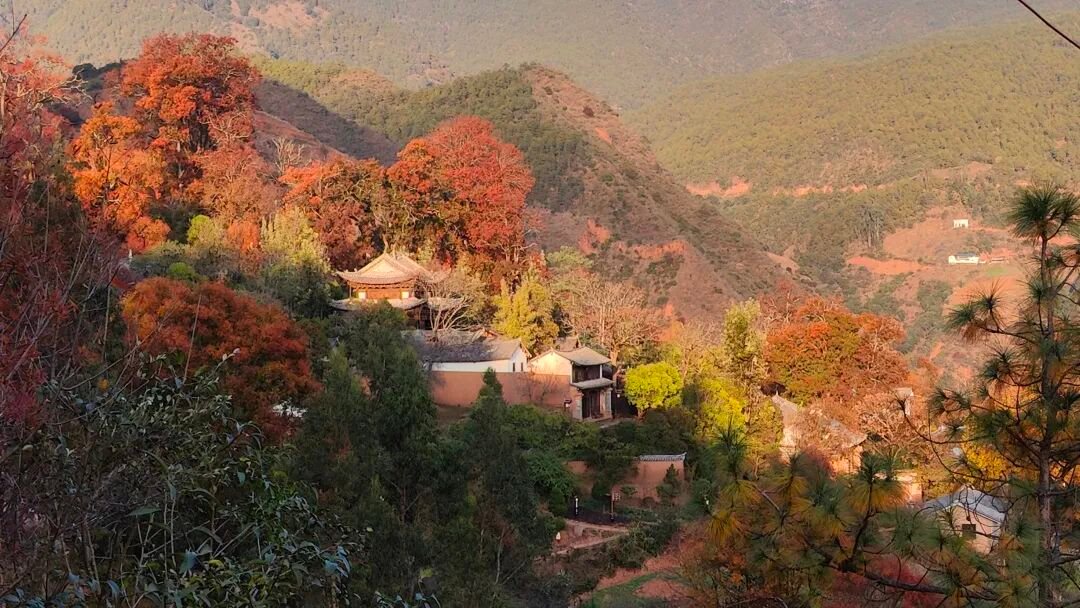
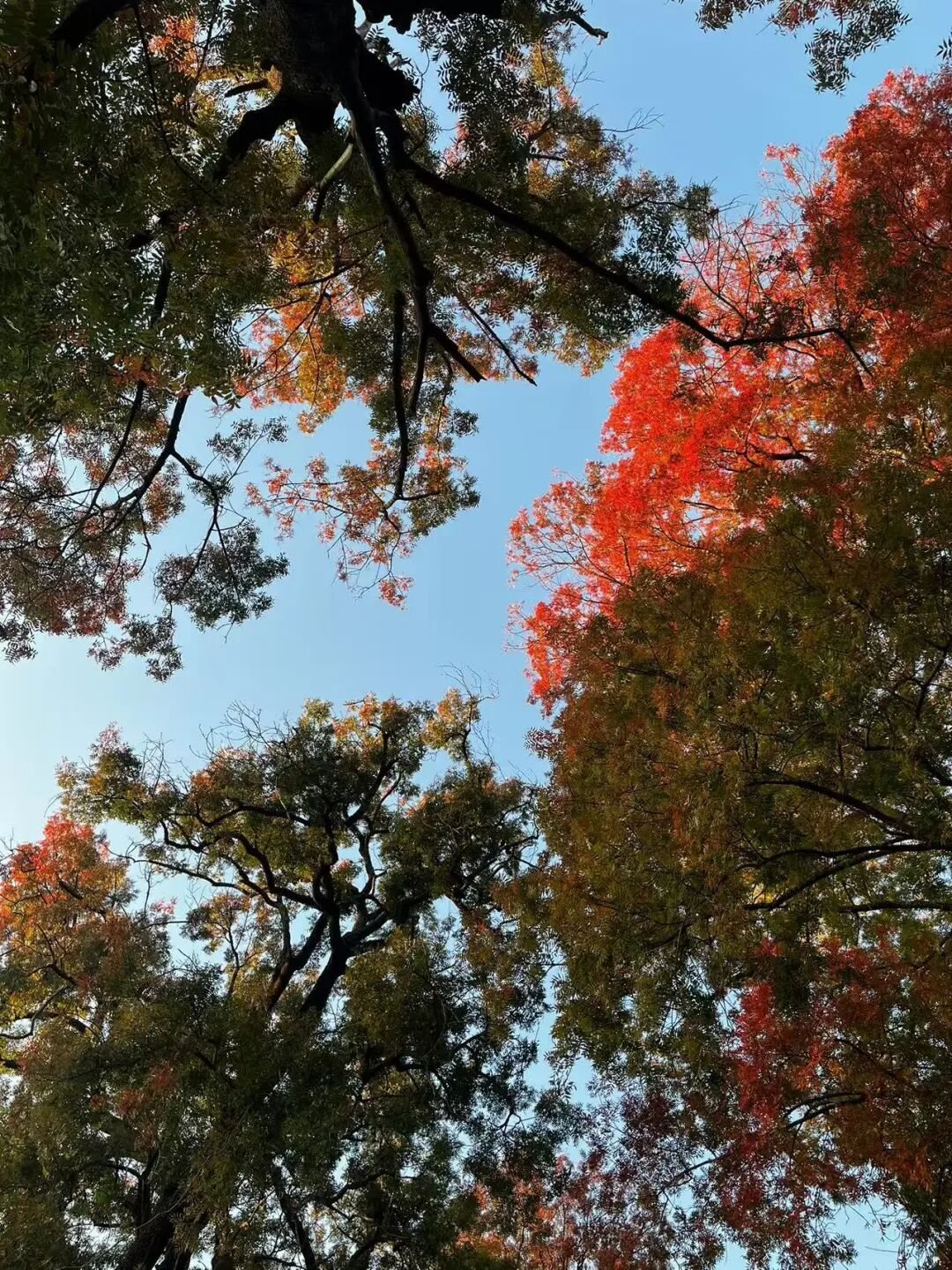
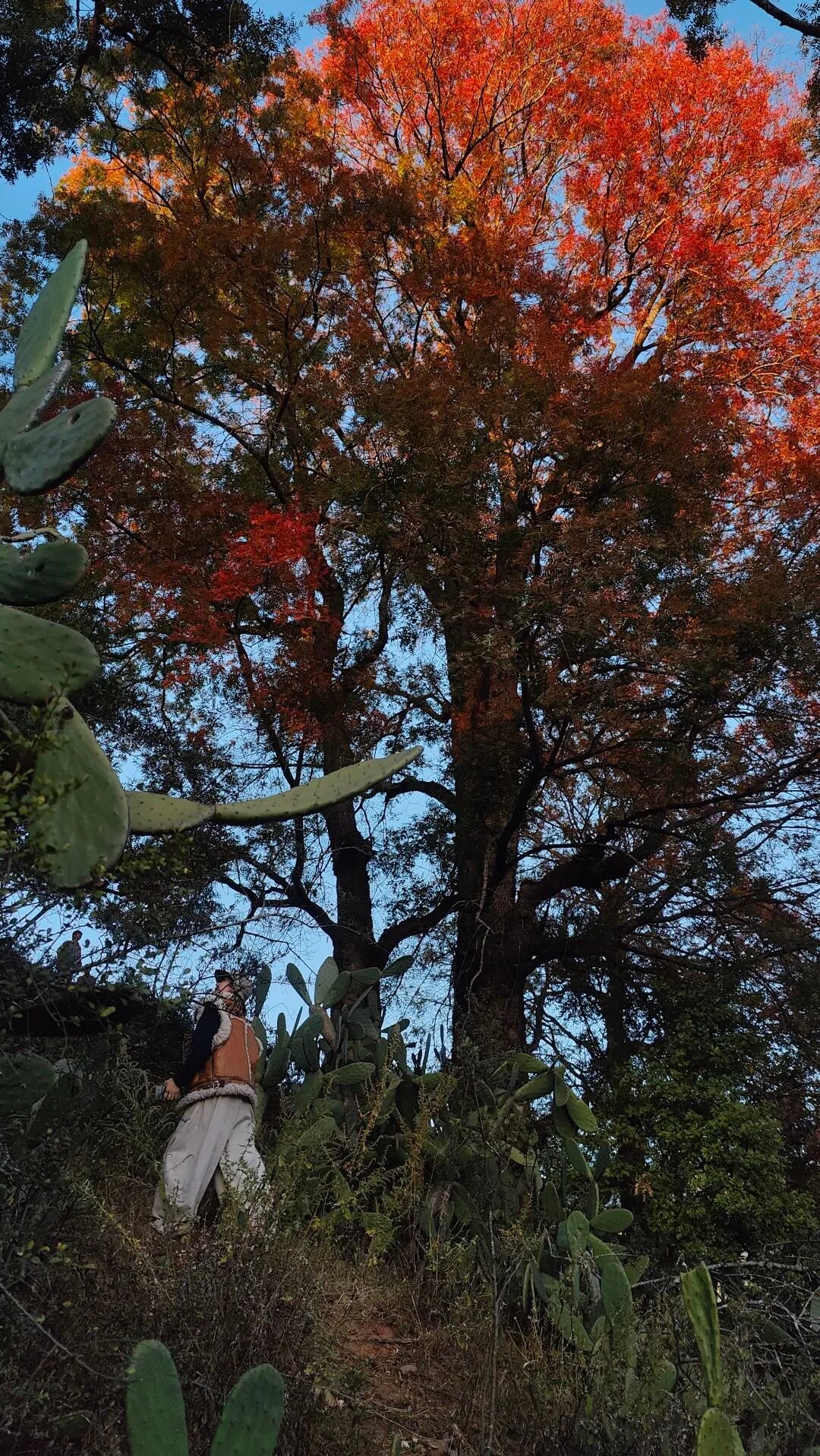
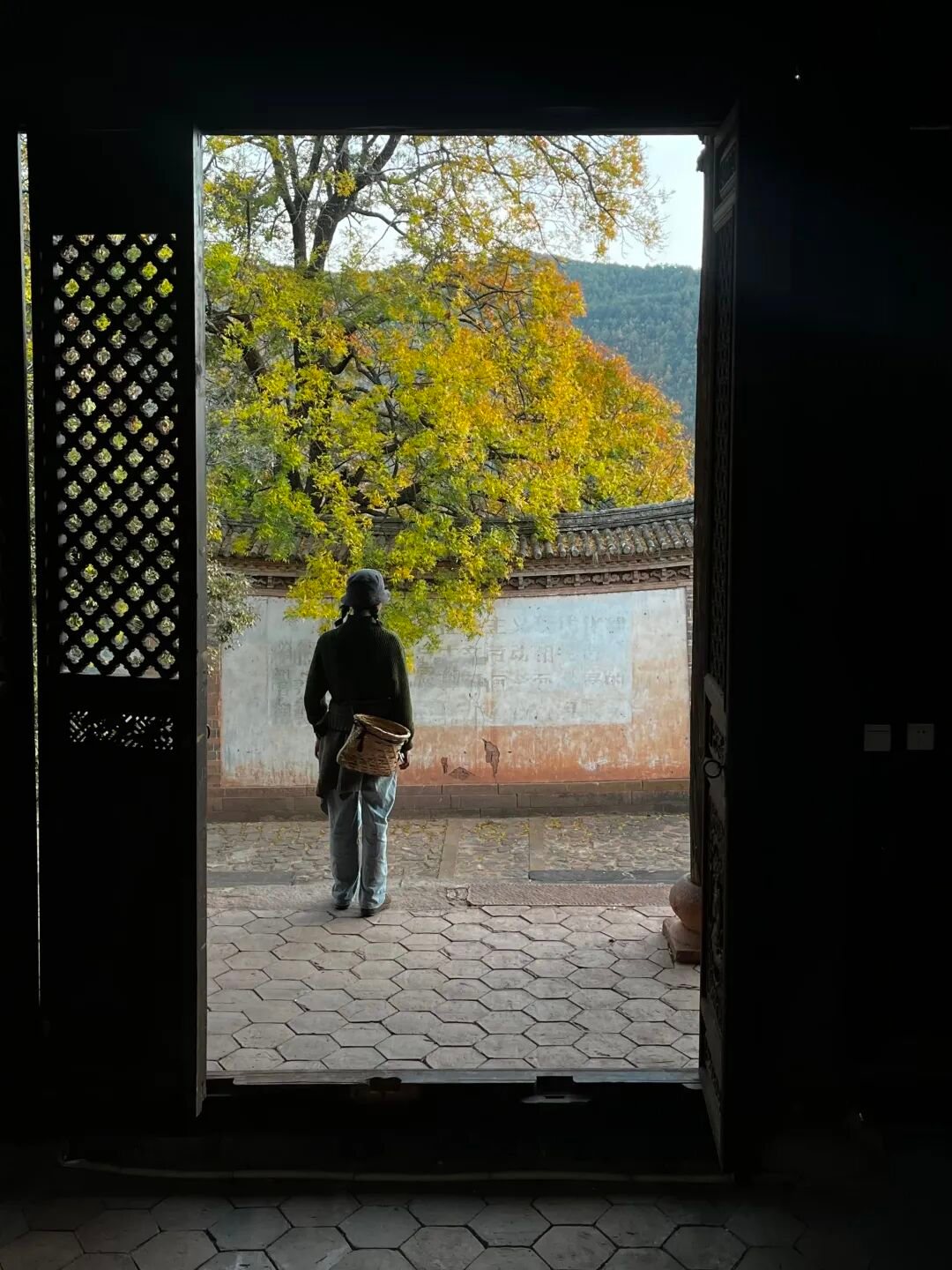
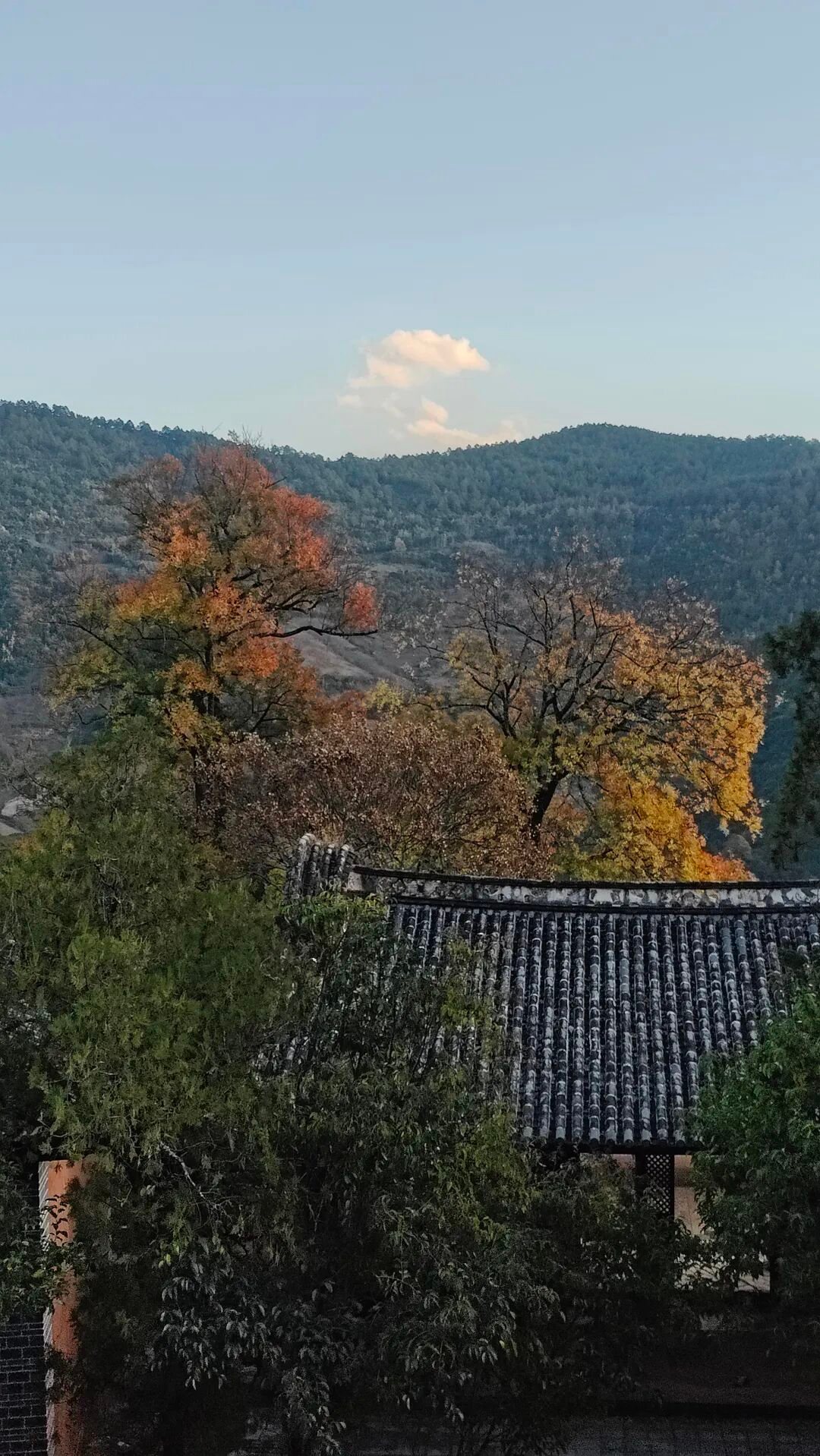
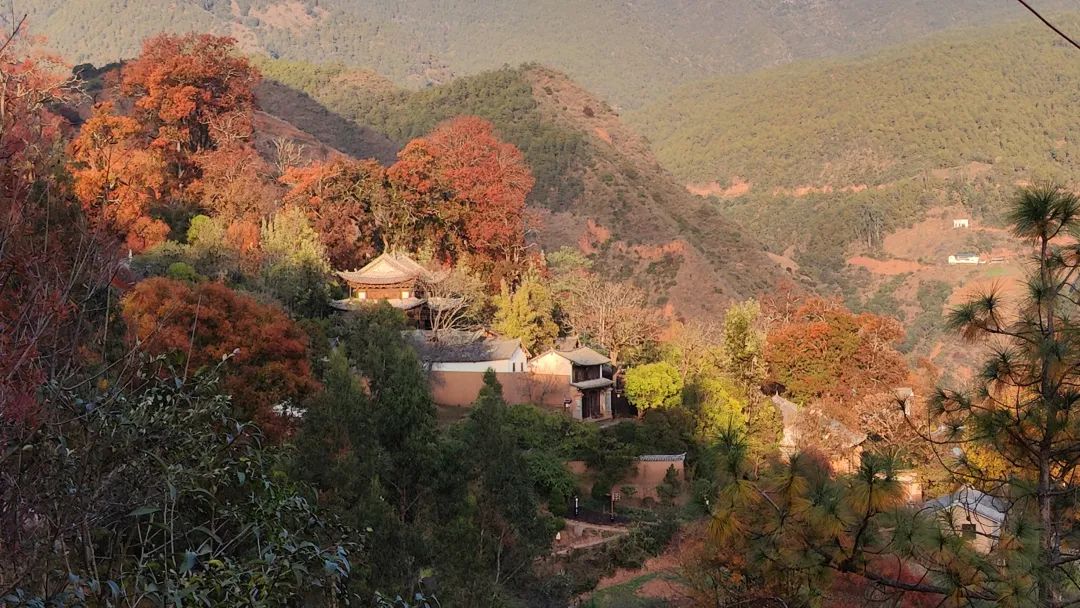
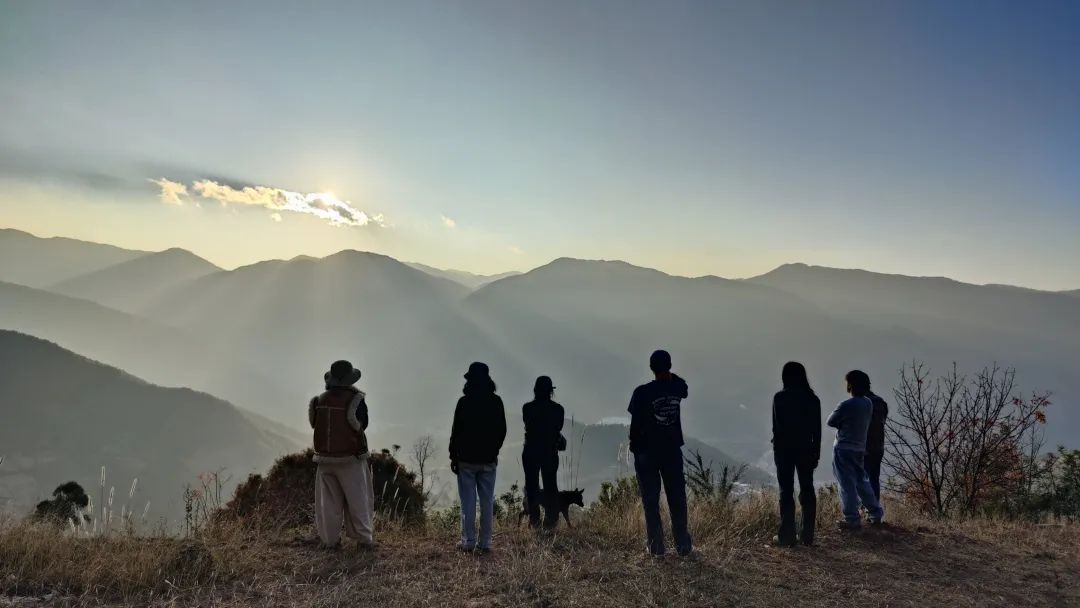
A few days ago, I went to Nuodeng with 8 guides from different groups to confirm that this route is excellent enough. Everyone, whether they had been there before or not, experienced a richness of beauty they had not discovered. For me, it was the fourth time in Nuodeng (not for work reasons; a once inaccessible mountain village visited three times shows its appeal). This season happens to coincide with the fiery red of the lacquer trees, scattered on the slopes behind the ancient village and in the nearby valleys. The setting sun in the evening and the backdrop of ancient architecture amazed each of us.
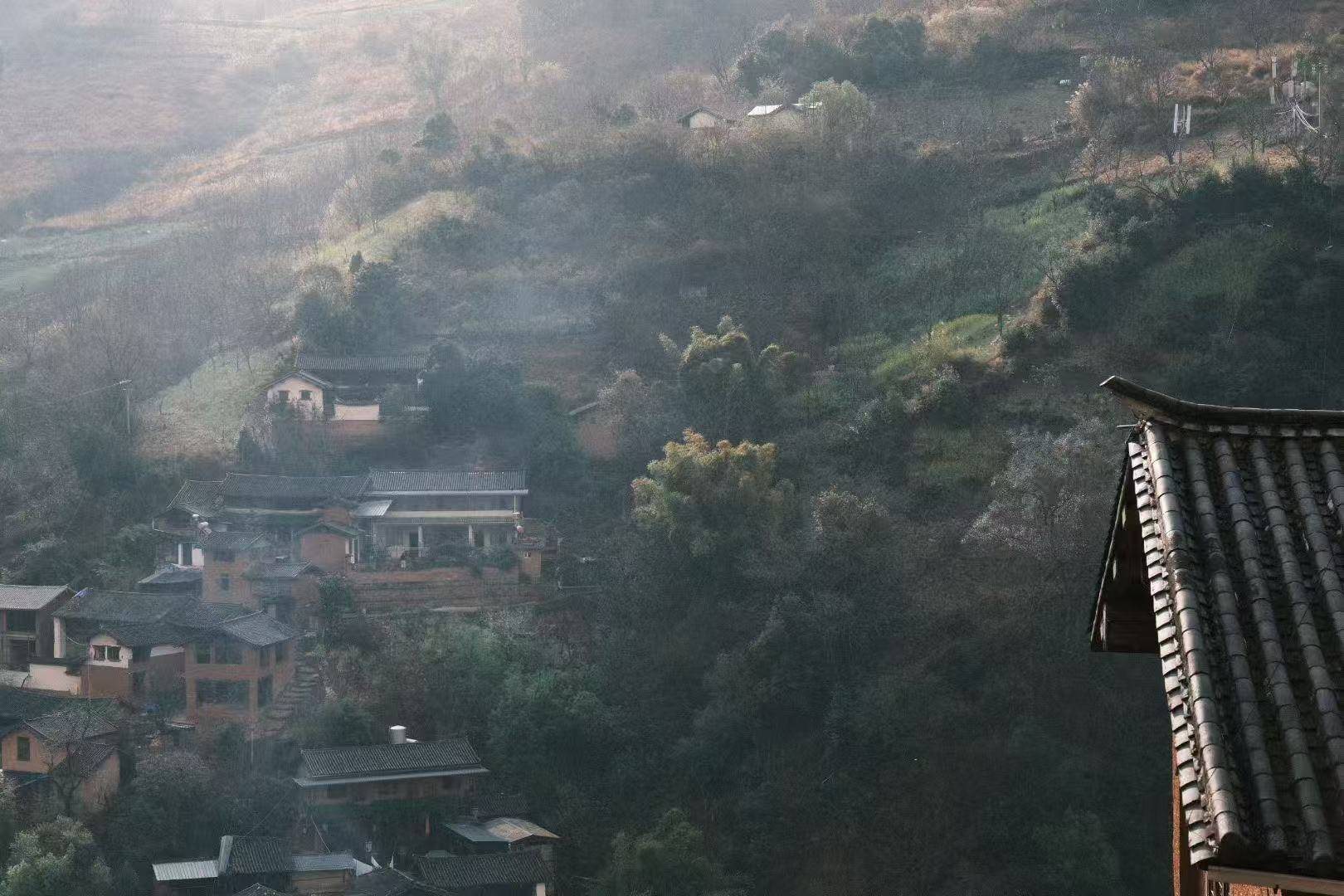
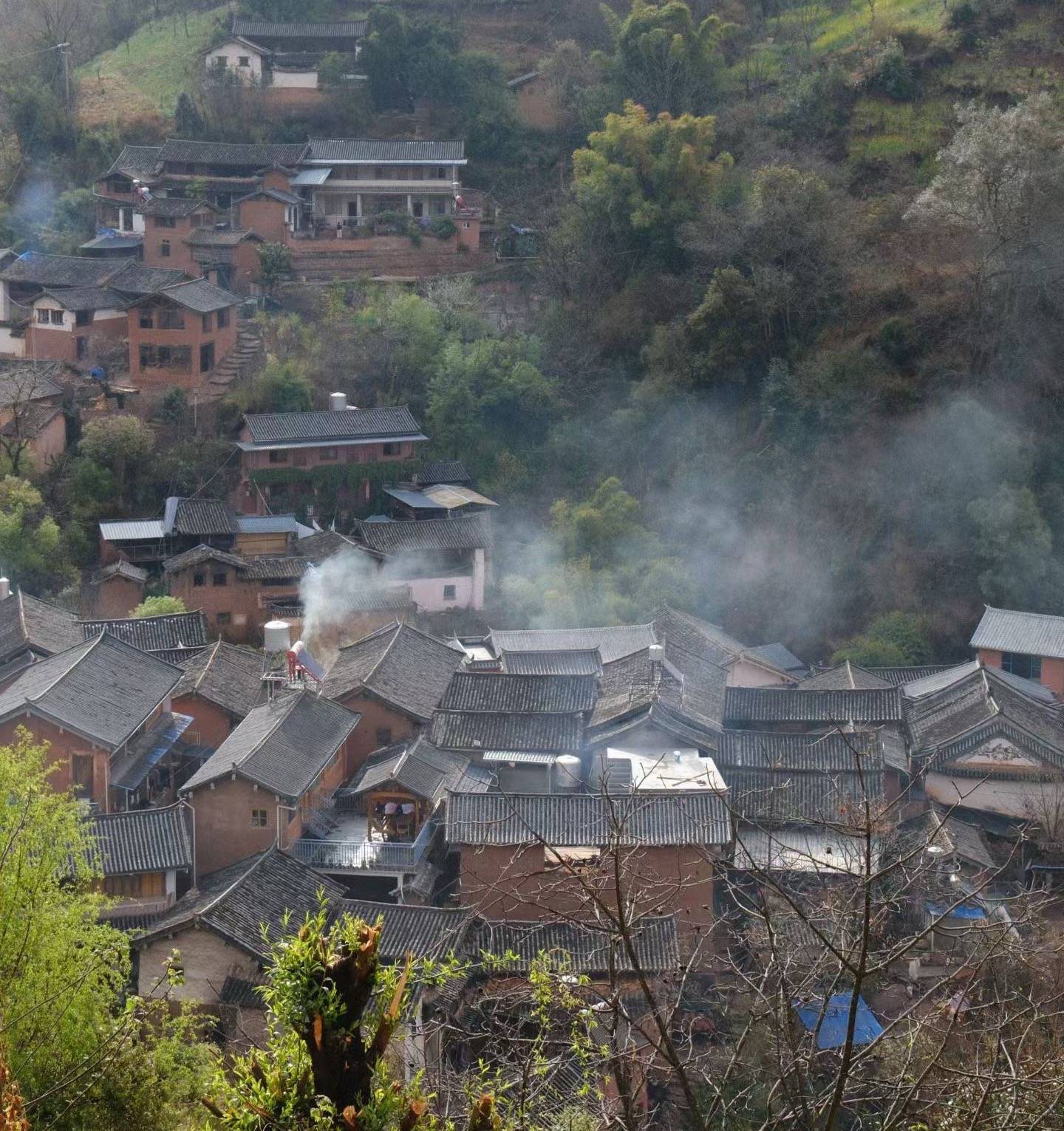
First, an overview (photo by He Chen)
Part1
Part2
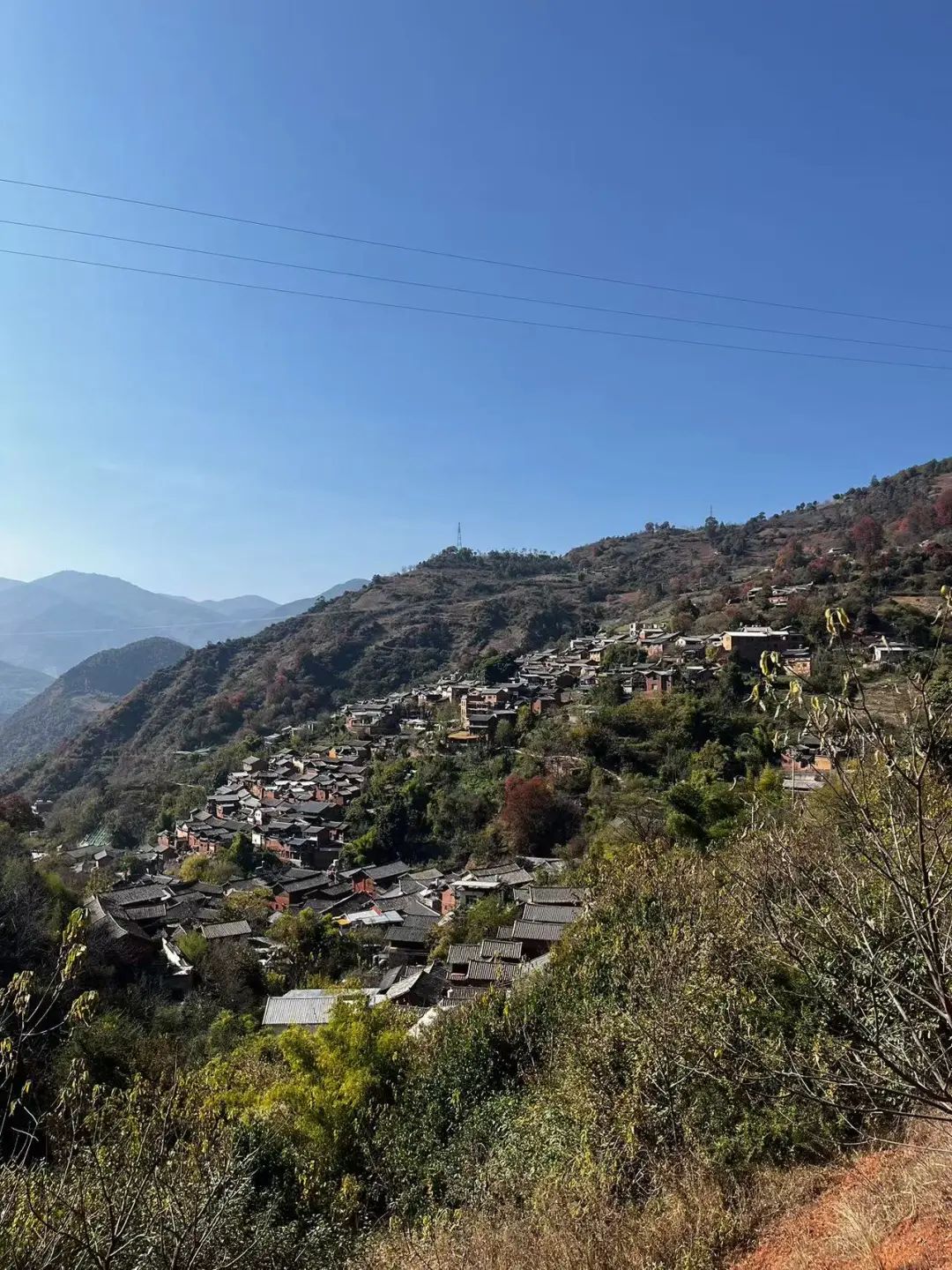
Starting over a thousand years ago, this village hidden in the valley was an important town on the Salt-Horse Ancient Route. During the Song Dynasty, it was one of the seven national salt affairs offices. The salt produced here was transported to various parts of the southwest, the borders of Sichuan and Yunnan, and also reached Tibet, serving as an important supplement to the commercial line of the Ancient Tea Horse Route. Because of historical prosperity, rich historical architecture and cultural heritage remain. The advent of modern sea salt caused Nuodeng's economic decline, but on the other hand, traditional architecture and lifestyle were preserved. The village, built on the hillside, has no vehicle access; supplies are still carried by mules and horses along the thousand-year-old stone paths, winding and twisting to every household.
Not only the architectural complex is preserved, but as a salt-producing area, the historical tradition of curing 'Nuodeng ham' has also become the main livelihood for Nuodeng villagers besides tourism: whether boiling local salt or each household using Nuodeng salt to cure ham, salt continues to nourish the descendants of Nuodeng village.
Let's talk about the uniqueness of our route choice—what makes it worth joining.
Day 1
The way into Nuodeng:
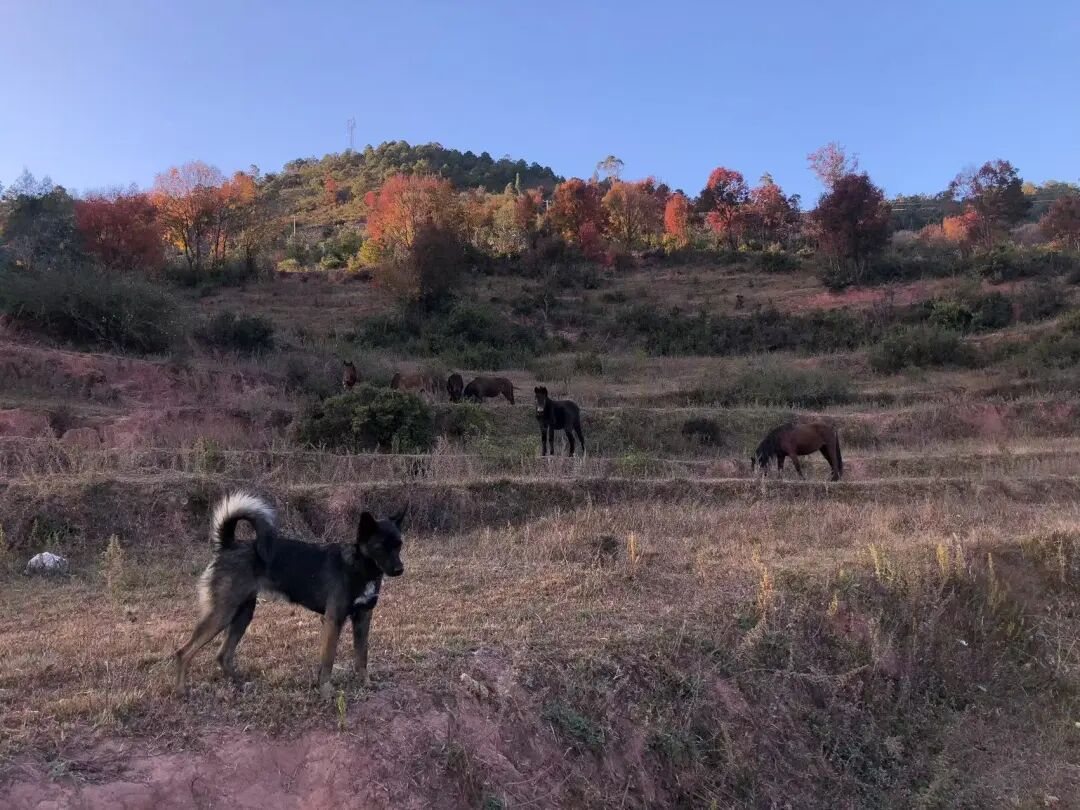
Although anyone can reach it on their own, entering through the visitor center and visiting the main attractions provides a relatively limited experience. Our itinerary chooses to bypass the tourist area, driving up from the other side of the mountain, passing through natural villages, overlooking the magnificent valley and distant mountains, and reaching Nuodeng via an uninhabited mountain path. A different way of entry gives a completely different feeling.
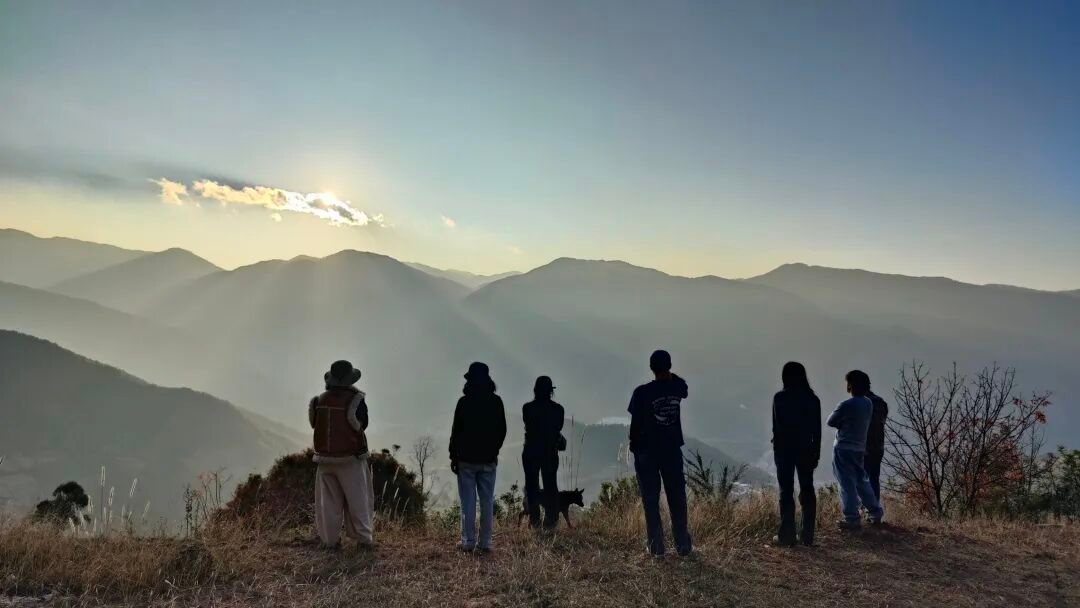
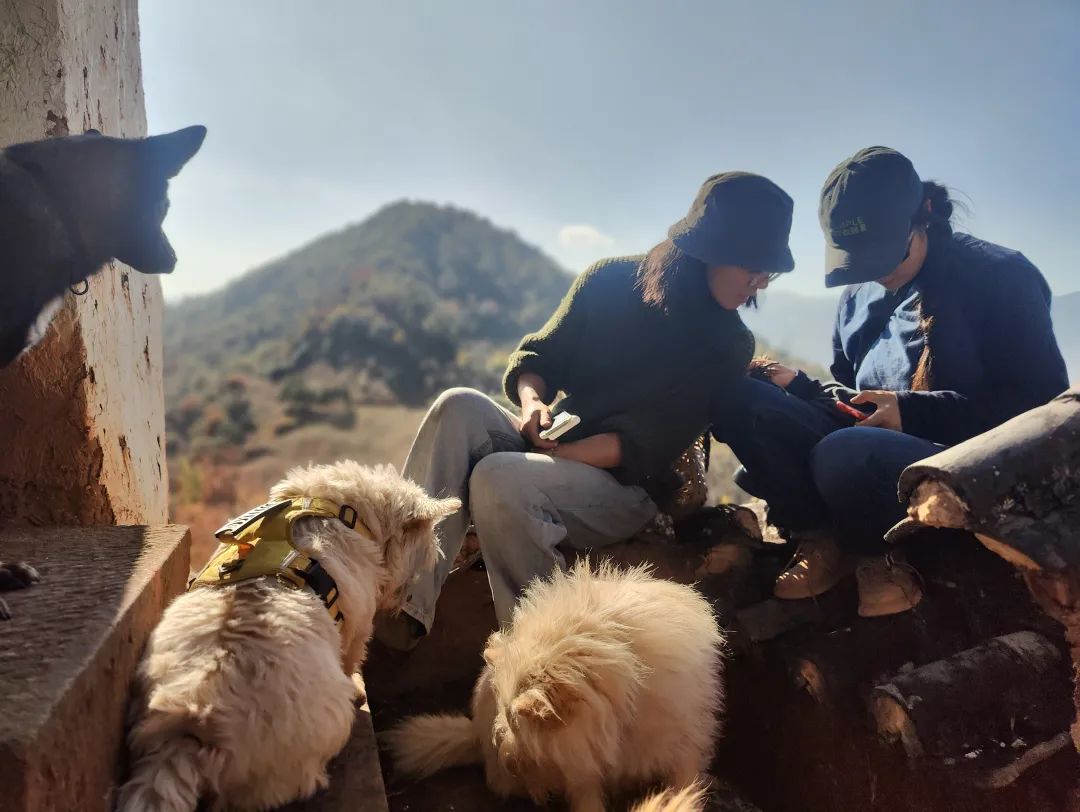
Partners on the mountain trail
The first sight upon arrival: the first glimpse of Nuodeng
Exploring the depths of Nuodeng:
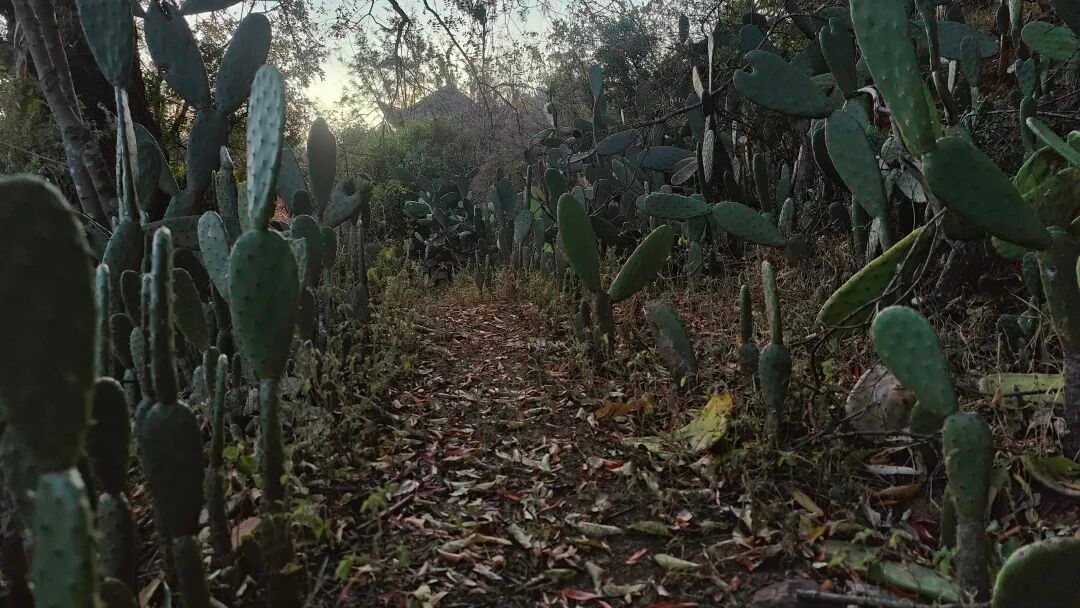
We stay in the village, so when we hike to the ancient architectural complex on the back mountain, we naturally take different routes through the village's winding paths and houses, and we also wander through fields and hillsides that ordinary tourists don't visit.
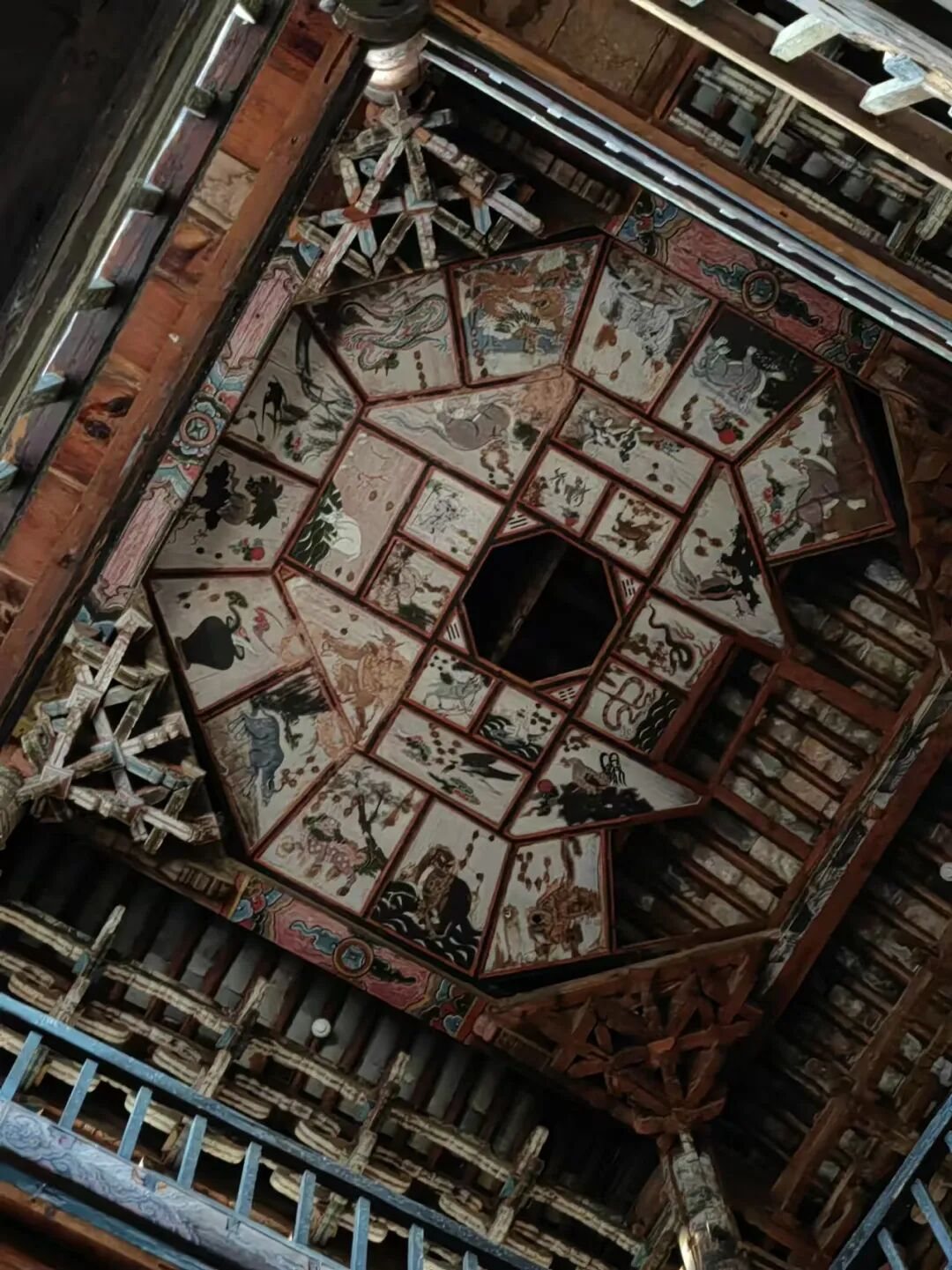
Arriving at the most beautiful and deserted time, we learn about the history and evolution behind these ancient buildings (Yuhuang Pavilion, Confucian Temple, Martial Temple). The relics have their own silent beauty, but the imagination brought by understanding the past is the soul:
Living in the daily life of Nuodeng people:
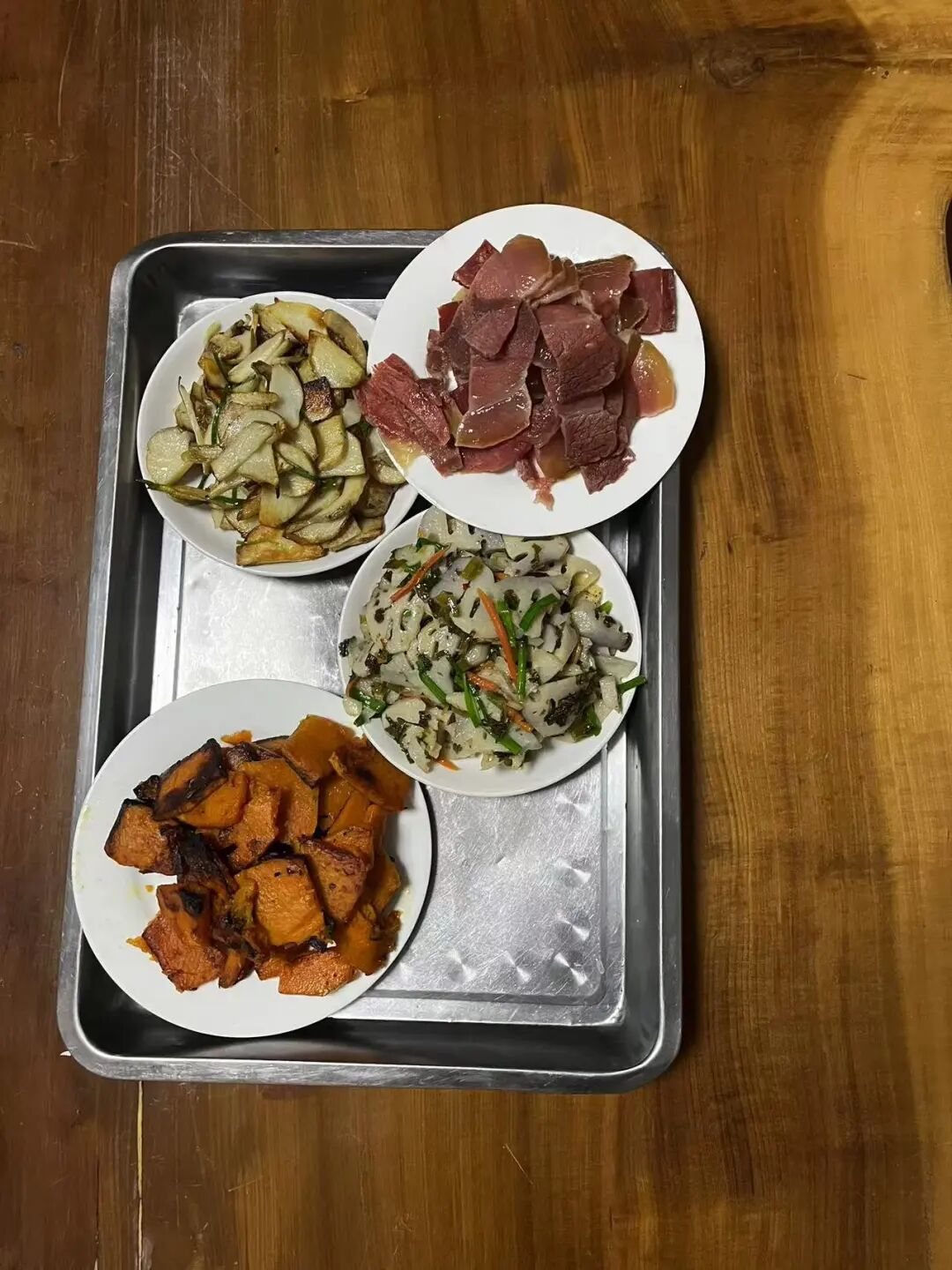
Rather than trendy hotels, we stay with an ordinary family. The host, Sister Fang, is a local with a cheerful personality. The first time I stayed, she shared some chicken with us at dinner, saying, 'Today we happened to have it; otherwise, it flies into the trees and can't be caught that day.' The house has three levels: the top floor is a small shop, the entrance is the street leading to the big green tree; down a steep staircase is the family's courtyard and kitchen, which still uses a wood-fired stove; outside the door is the neighbor's alley; through the alley and further down is the guest area. There is a small platform with tables and chairs. This is a very typical architectural layout of Nuodeng, like terraced fields on the slope—each level independent yet progressive. Our dinner is also at her home: the kitchen's wood stove is lit, ham is sliced, some vegetables are cooked—simple but delicious.
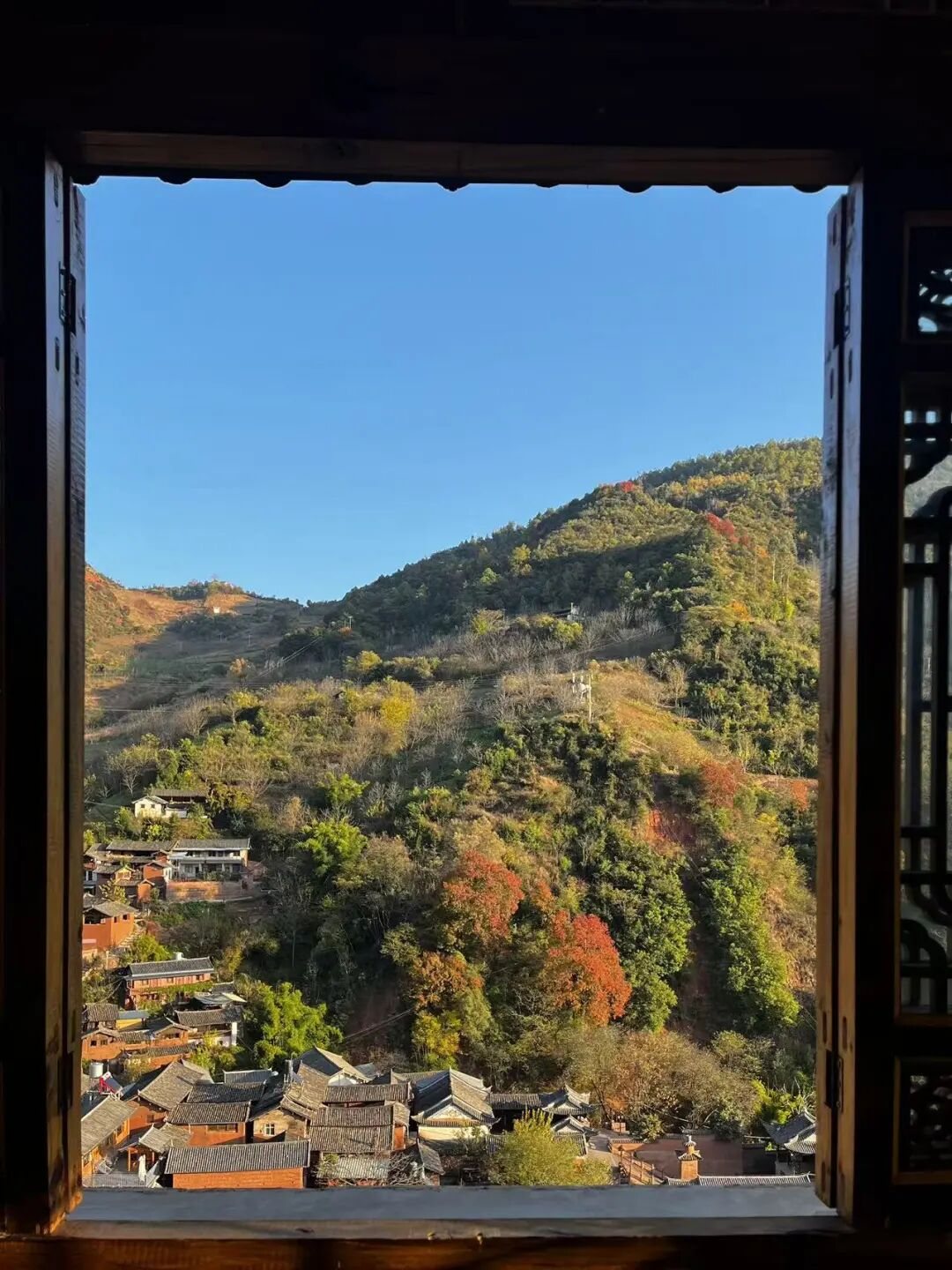
Although it's an ordinary home, the guest rooms are clean and tidy with a good view. The view from the room window:
Day 2
After breakfast, we go deeper into the mountains of Yunlong County, crossing the watershed between the Bijiang River and the Lancang River, reaching Jiuzhou. The winding mountain road leads us to the uninhabited pine forest of Dalangba. Dalangba is located in a high-altitude, cold mountainous area. The cool alpine meadows are surrounded by tall Yunnan pines. Strolling on the open spaces and paths among the pine trees, people and trees have space between each other.
Leaving Dalangba, our car climbs over the rugged ridge of Dachong Mountain and enters the old Jiuzhou area of Yunlong. Dachong Mountain is an important part of the Biluo Snow Mountain range in the Yunling mountain system, running from north to south, drawing a magical dividing line between Nuodeng and Jiuzhou. As we cross the pass, we bid farewell to the cool and dry air of the Nuodeng mountain area and welcome the warm and humid air of the deeply incised Lancang River valley on the west side of the ridge. Two places, but two different flavors of wind.
At this moment, I suddenly thought of this activity, launched last year, finally finding the best way to present it. Looking down at the spring-like valley from a height, I realized that this is the Yunlong I want to take everyone to.
Cancellation Policy
Before the activity starts:
• Within 12 hours: 30% refund
• 12-24 hours: 50% refund
• 24-48 hours: 70% refund
• Over 48 hours: 100% refund
• No refund after activity starts
• Full refund due to weather (please ask guide to handle cancellation)
*Fairness principle: our cancellation policy is mutual. If a confirmed booking (with WeChat group established) cannot proceed [except for weather reasons], we pay the same proportion.
Hiking near the mountains
Photos