이 여정에 대해
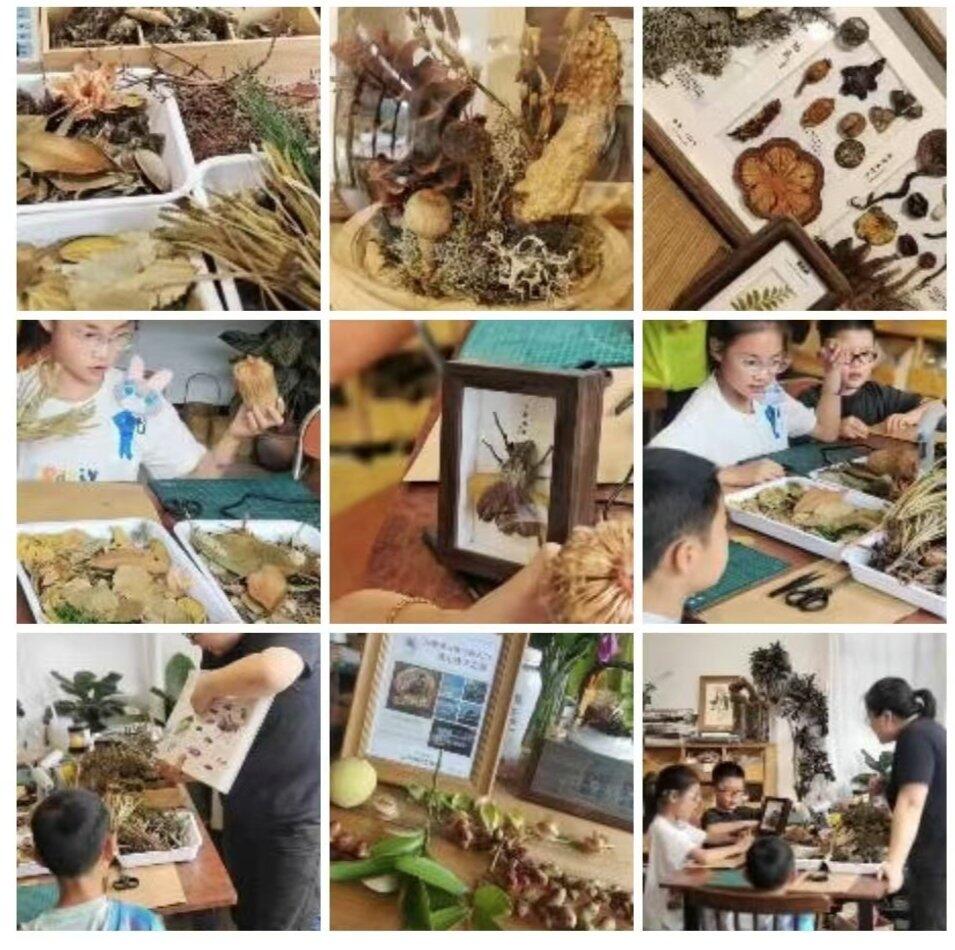
Travelers say, "Shanxia Studio" is not just a handcraft studio and café, but also a wonderful Yunnan plant specimen museum. What's more special is that all the specimens are collected by themselves, so each plant has its own story. The cycling group leader, Lao Shuai, said, "We need to start cycling half an hour earlier, because some people can't pass by Li Zhenhao's place without stopping and staying for half an hour." (His cycling activity "Cangshan and Erhai | Visiting Villages and People" passes through the village at the foot of Wuwei Temple, which is the village where Li Zhenhao's "Shanxia Studio" is located) Moreover, the enthusiastic Li Zhenhao always prepares tea and snacks for passing guests, allowing them to rest there and look at various strange fruit and plant specimens—it's really pleasant.
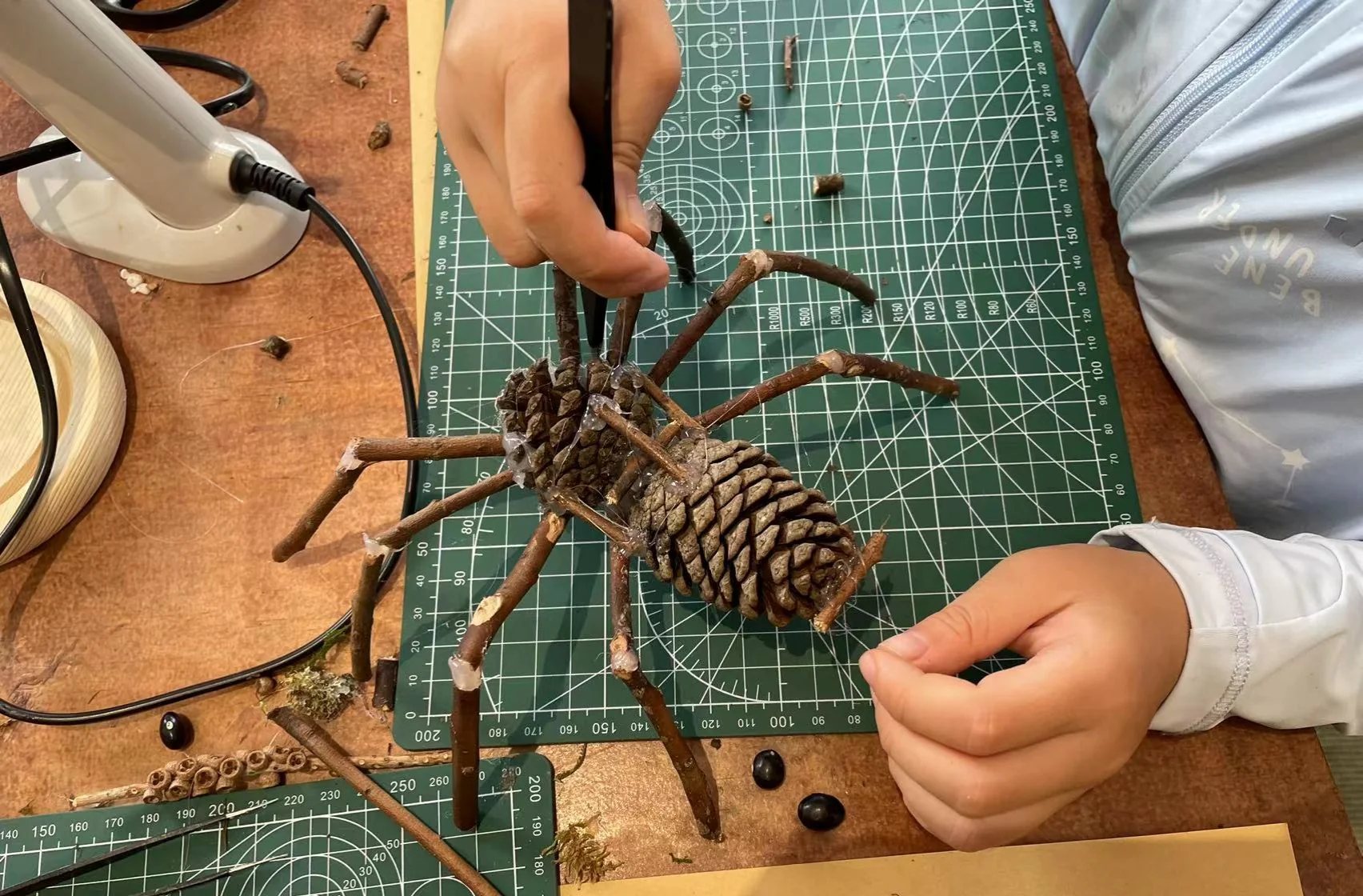
This insect specimen-making activity is held there.
Li Zhenhao:
"After having 'Shanxia,' I always felt that this is my mushroom home, like a reward to myself. It can have all kinds of mushrooms, and because of mushrooms, I have become more curious and interested in the forest, such as lichens, fruits, and plants.
I always want to make more things, but after Shanxia opened for business, the busy summer season arrived immediately. Fortunately, I had arranged for Agua to come to Dali to help a few months ago. I thought she could help a lot during the summer, at least ensuring the shop could open normally when I lead tours, even if there is no revenue. But it is more important for Shanxia that people who also like these mushrooms and plants can visit without disappointment."
Agua:
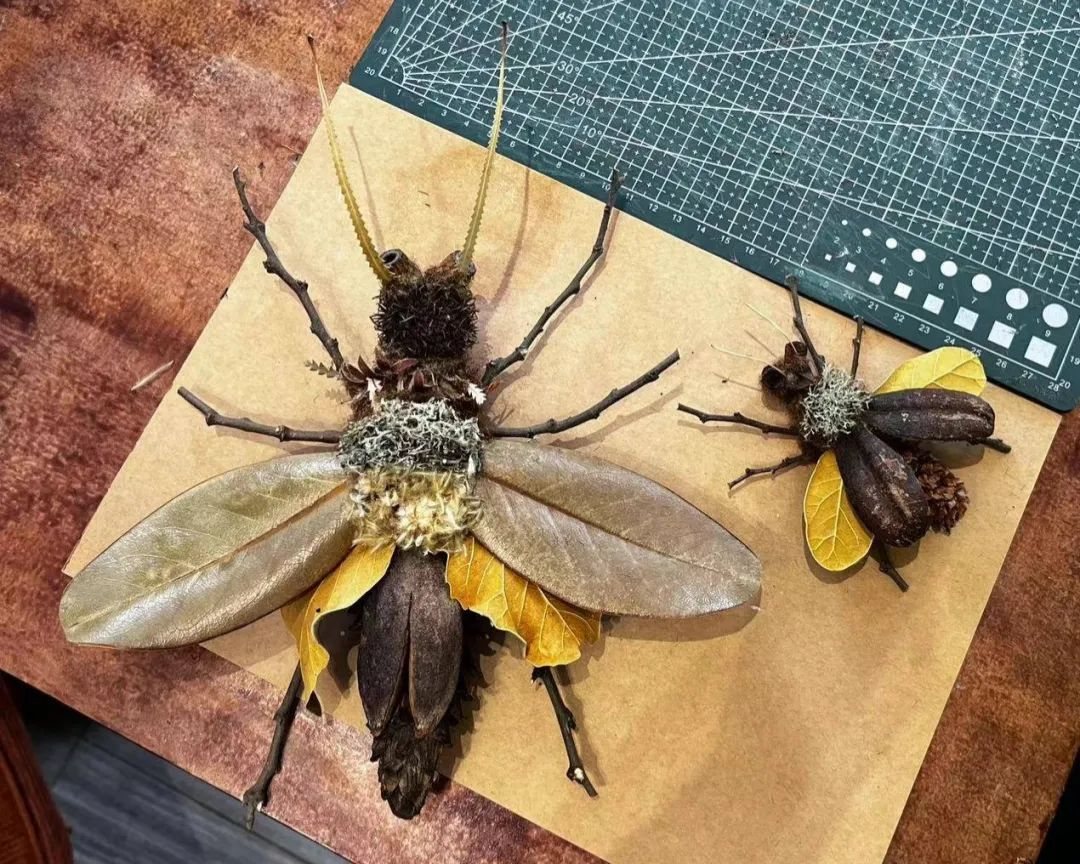
"The plant and insect making is a temporary summer special activity, probably lasting one to two months. I hope it's not just about making; if you join our other outdoor activities, you can bring naturally fallen dry pine cones, plants, or beautiful intact dry leaves you find in the forest to create a special travel record."
"There are many possibilities for plants. The process of caring for plants is always healing. You only need to spend some time watering, fertilizing, and removing pests, and leave the rest to time. I prefer foliage plants and fragrant plants. The characteristics of the plants themselves can bring unexpected comfort, and sometimes there are various surprises."
"Arranging dry plants in various combinations can also create decorative paintings with rich textures. Perhaps the colors of nature themselves have a healing effect. Whether fresh or dried, they have different kinds of beauty—simple and enduring.
In nature, there are many examples of mimicry: butterflies that look like dead leaves, stick insects that resemble bamboo, octopuses that disguise themselves as sea snakes, etc. They can disguise or transform into many different forms to protect themselves.
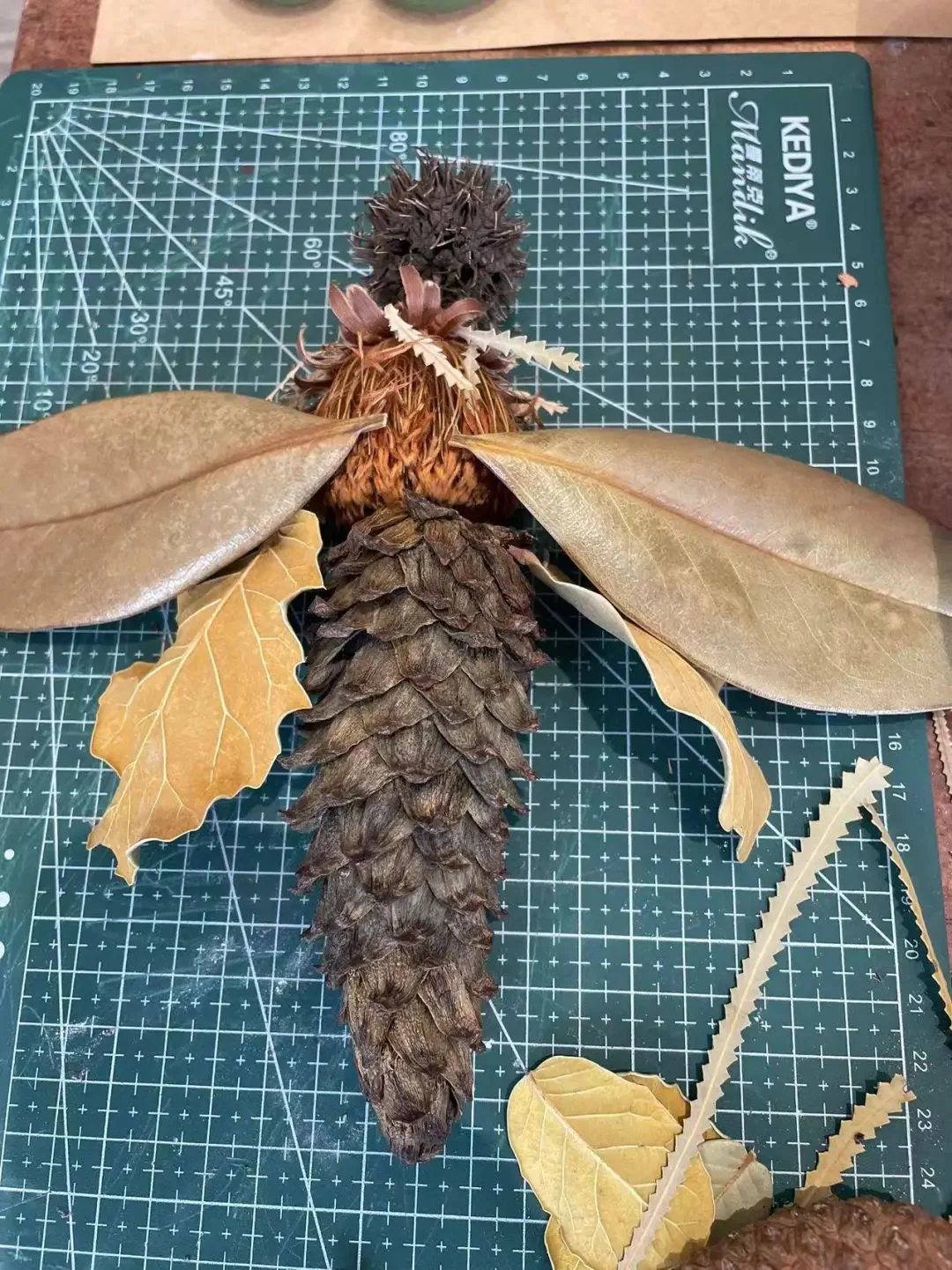
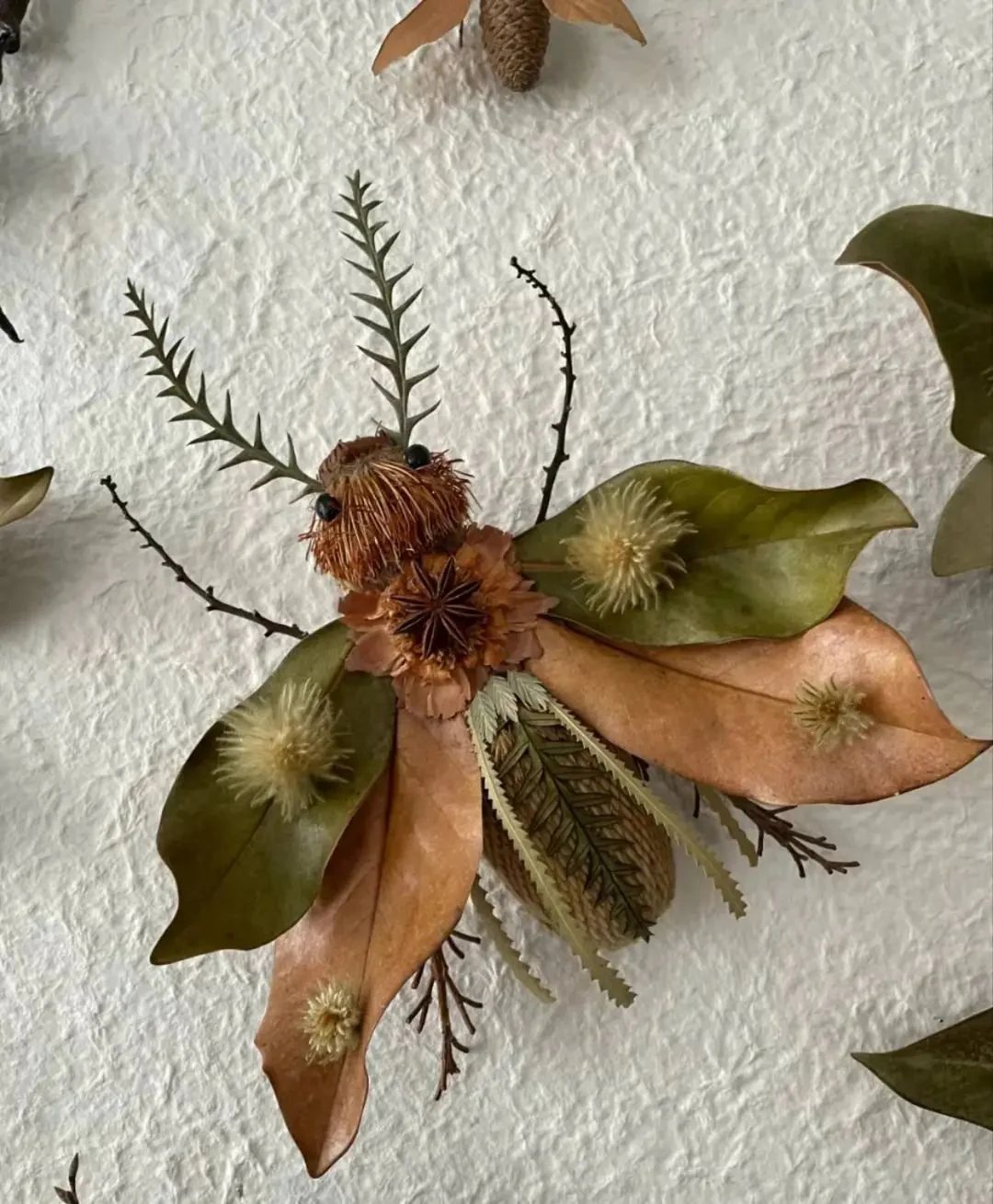
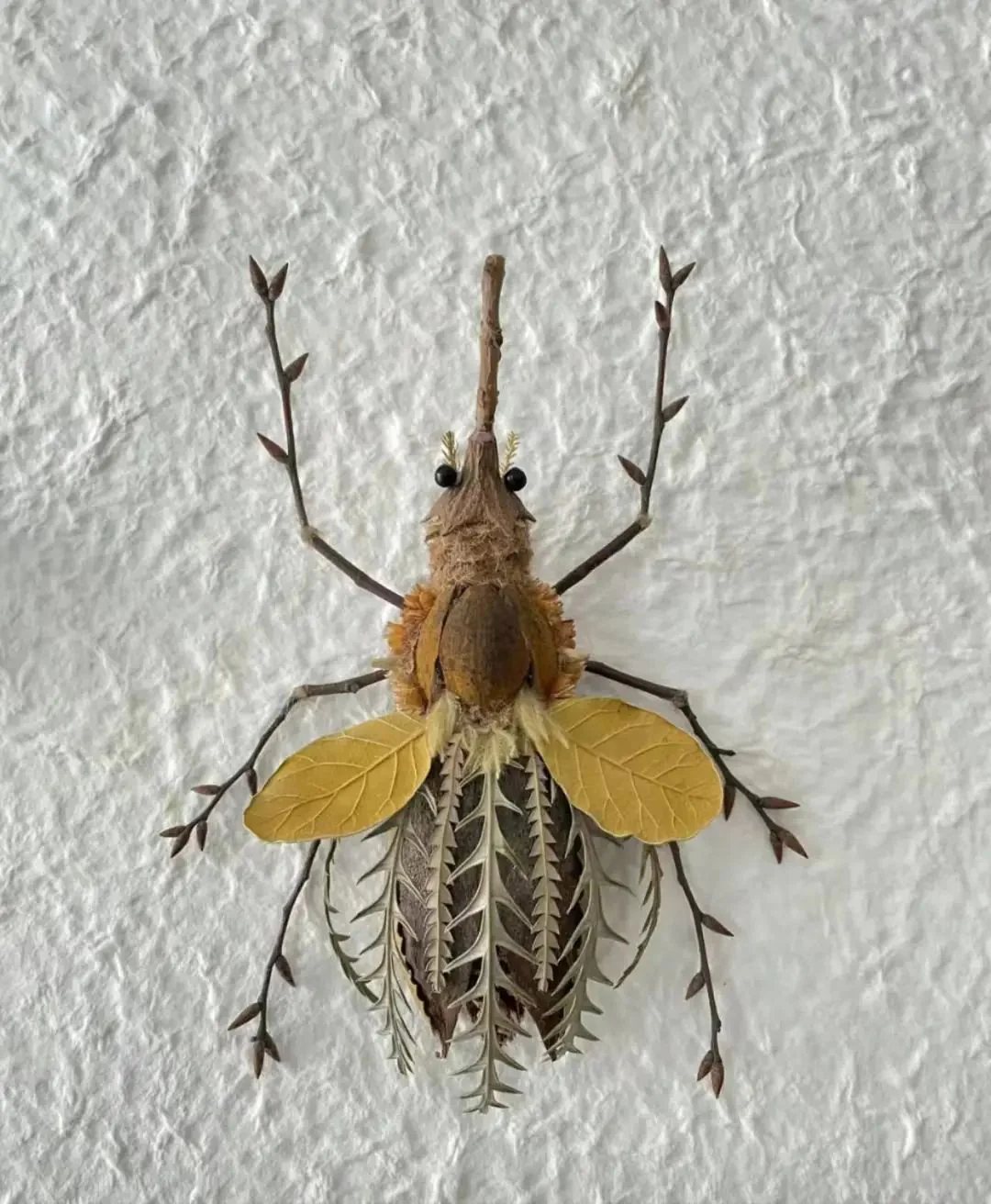
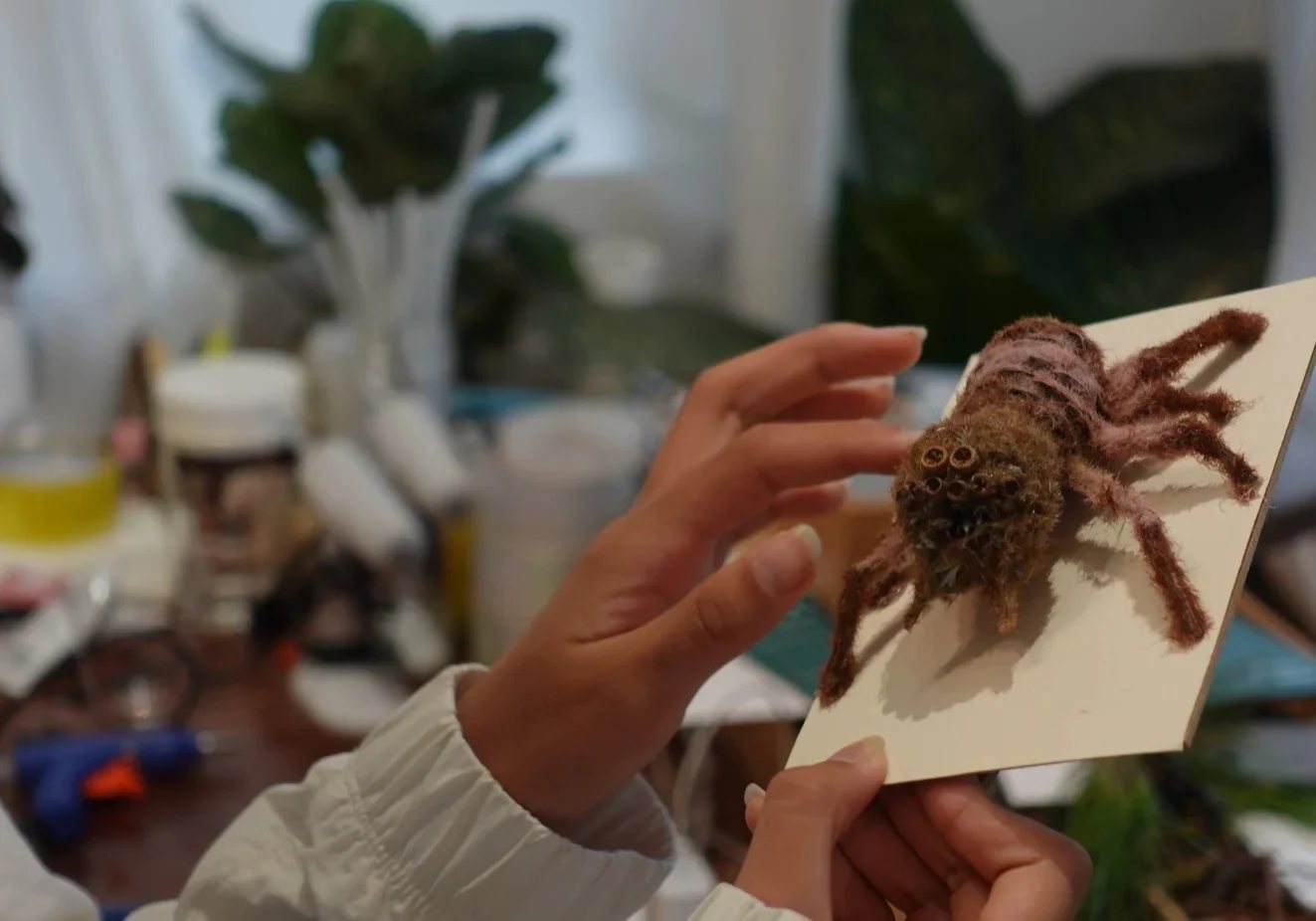
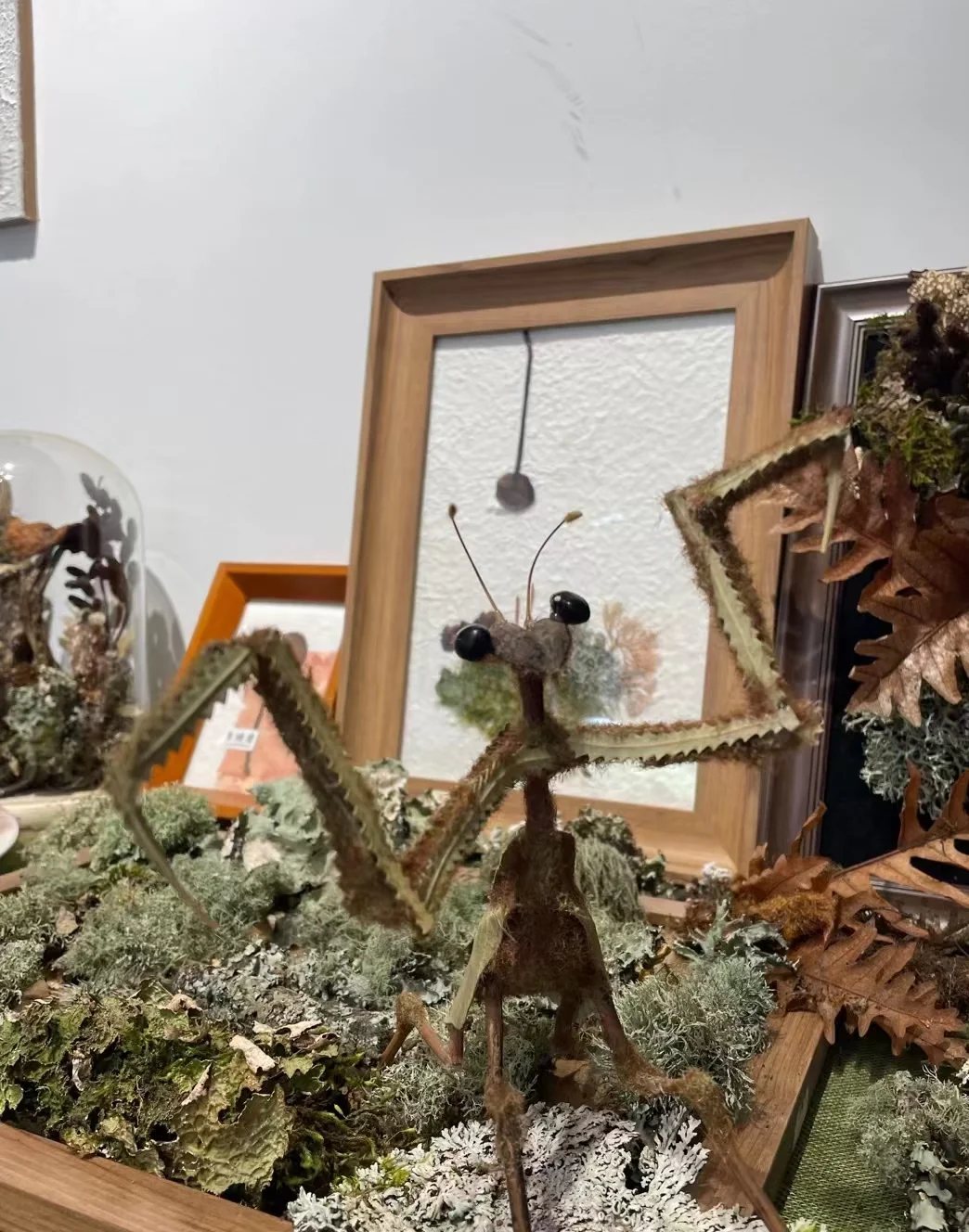
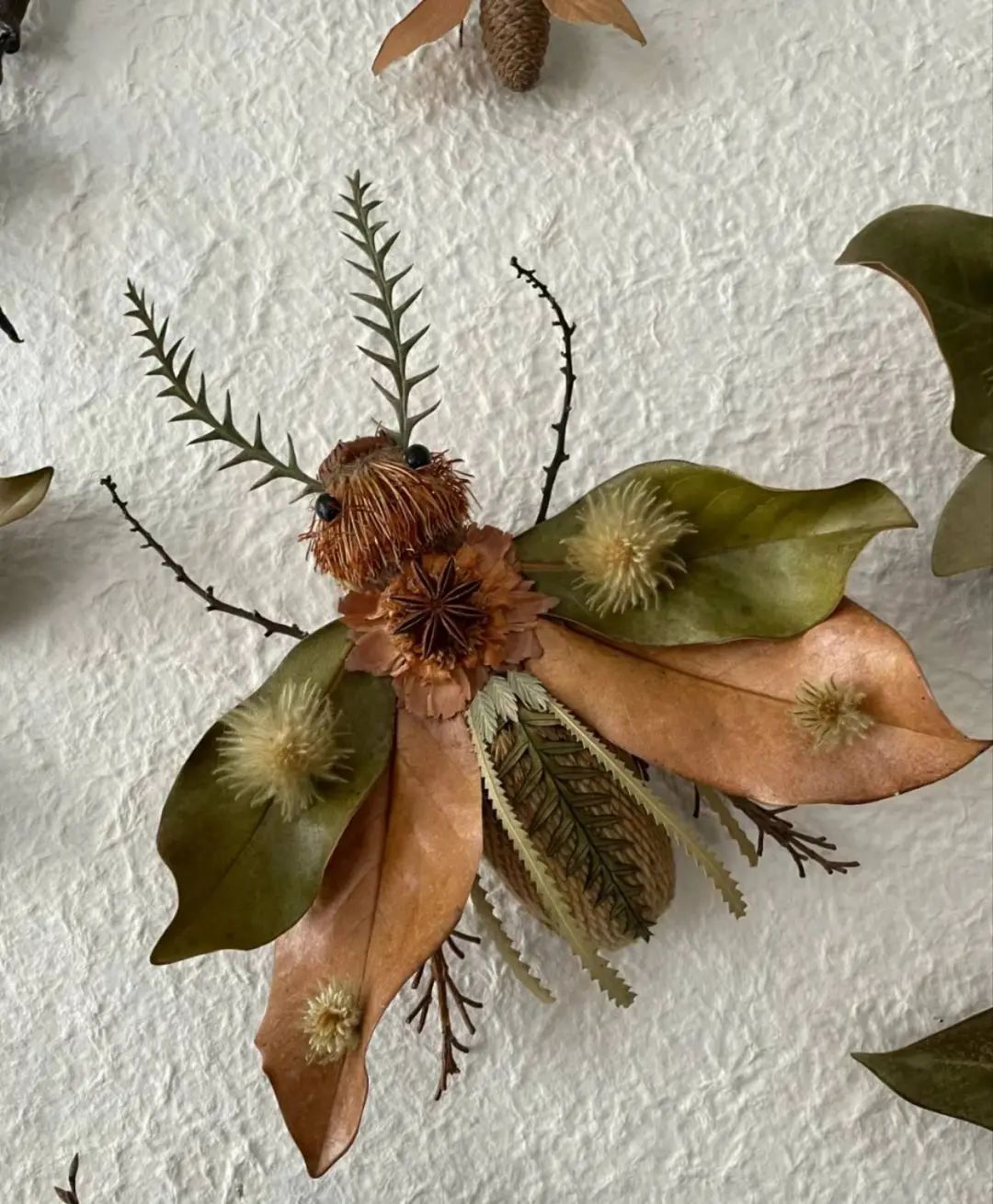
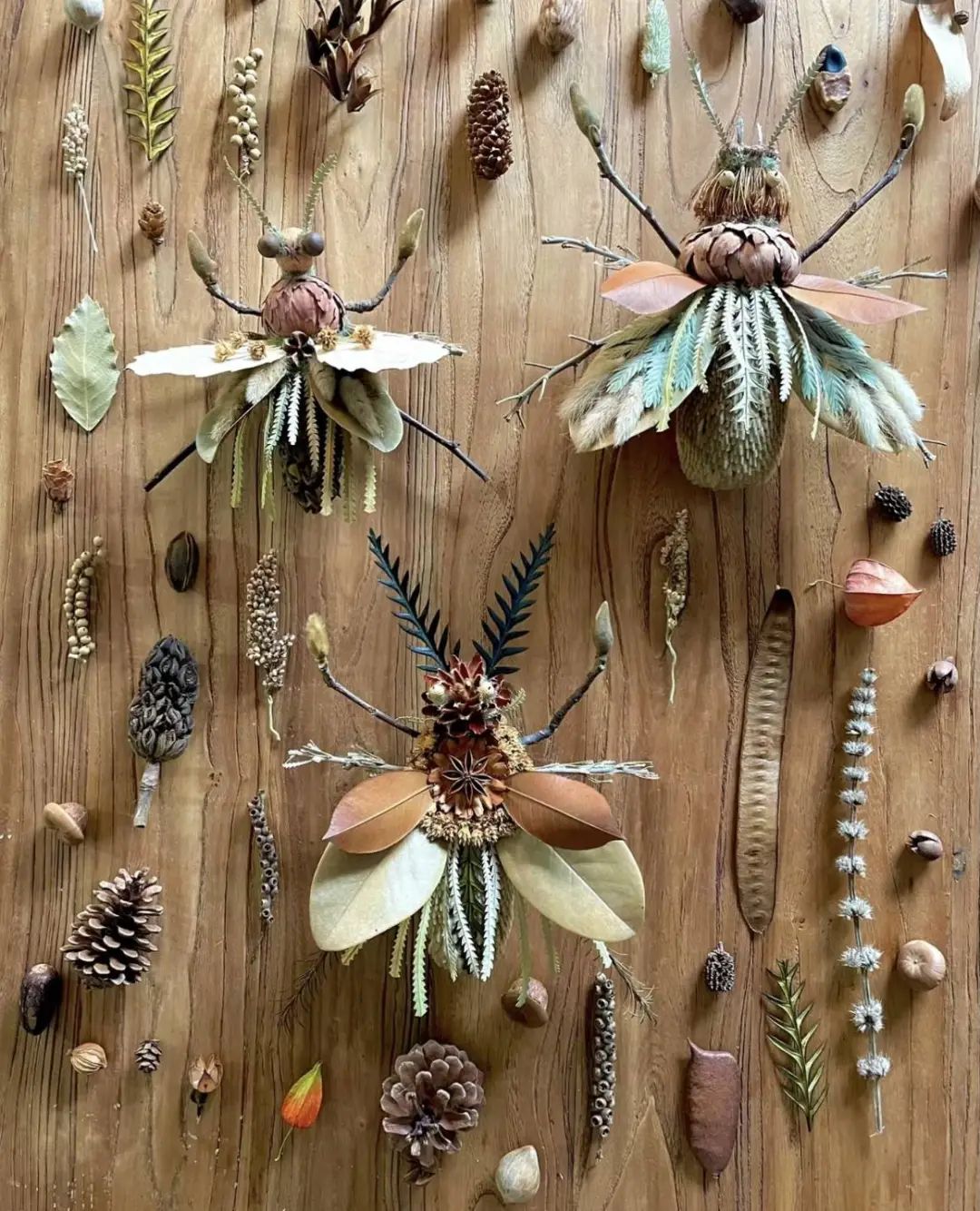
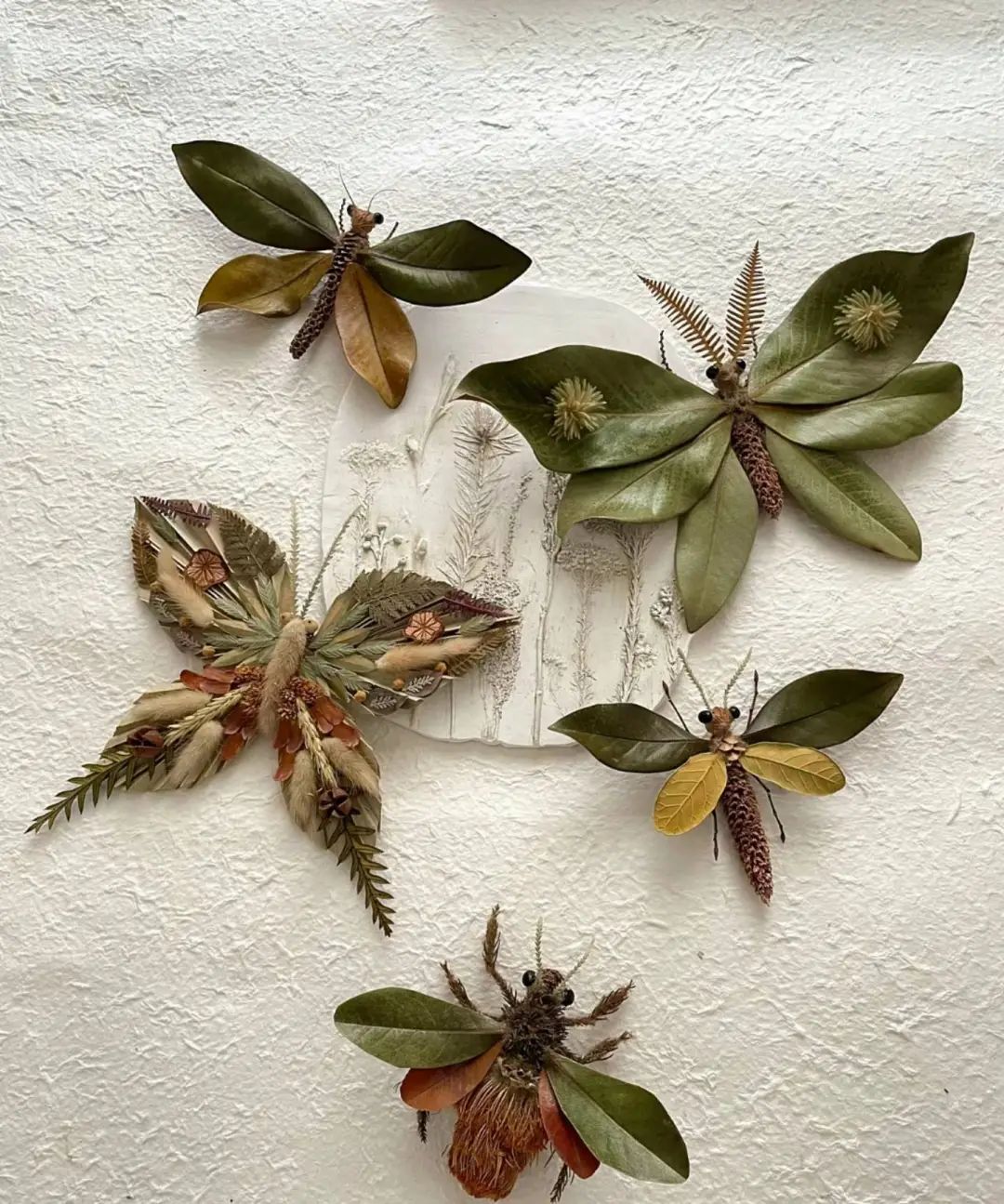
Occasionally, it's nice to do the opposite. Based on my previous clay modeling foundation and a preference for certain insects, I often think about how to assemble an insect using plant forms.
I like beetles, but I don't dare to keep them; it's okay just to look at them. The ones made from plants are different—they feel good to the touch and have rich details. Let's call it re-creation; it's not exactly a formal plant or insect specimen, just for fun."
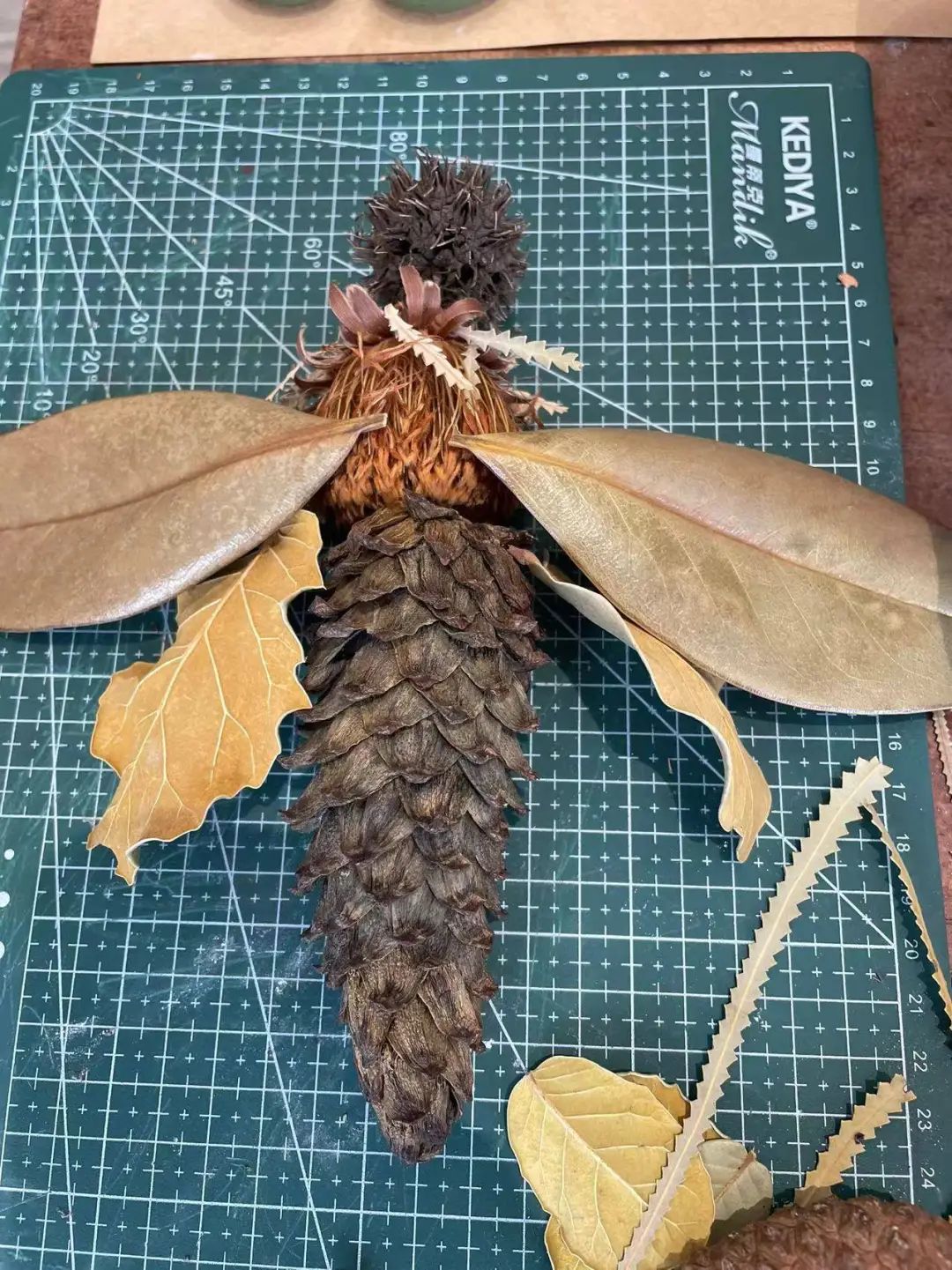
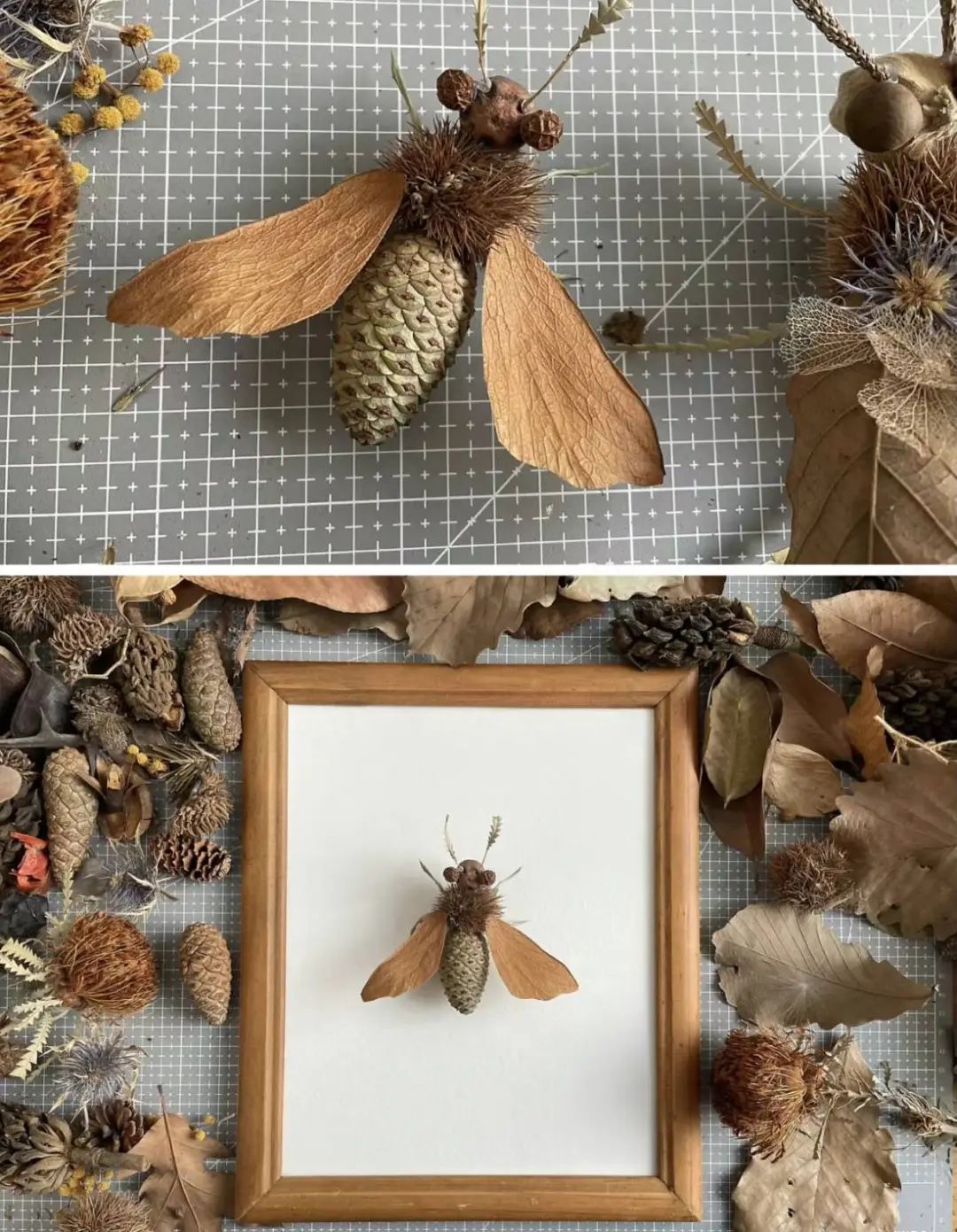
The process of making:
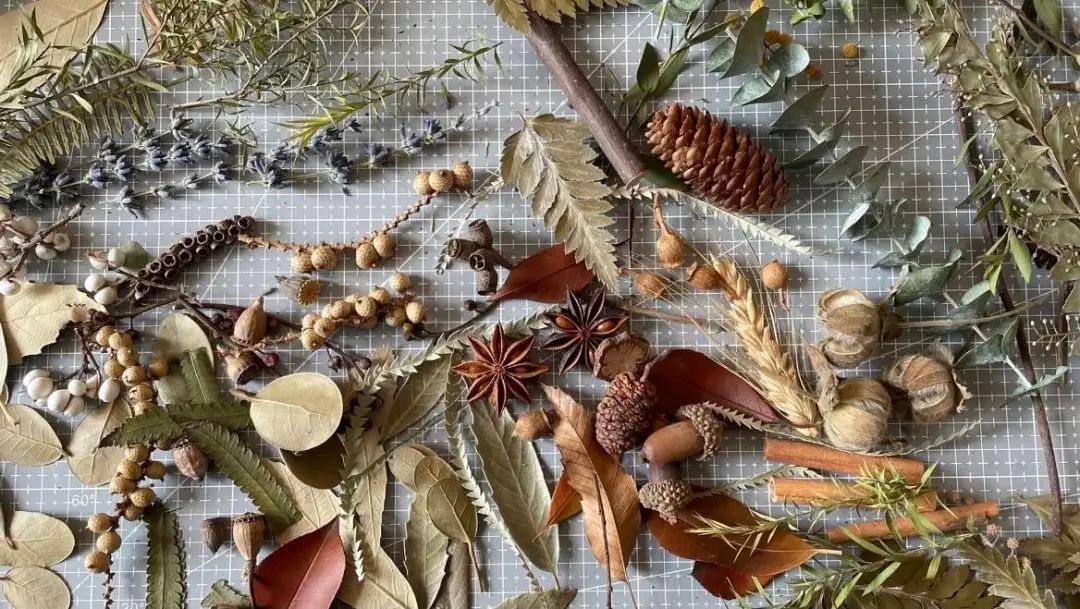
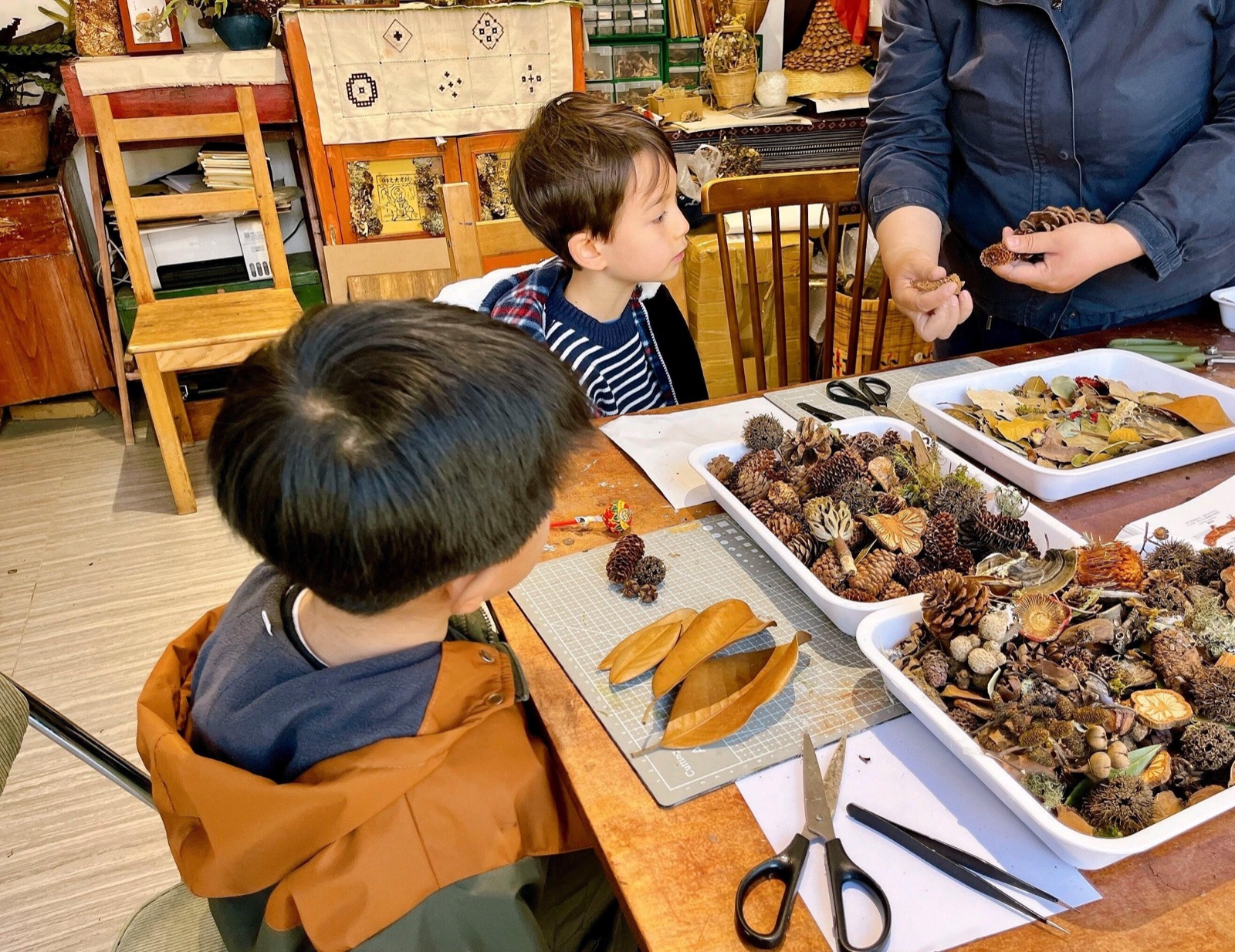
1. Select suitable plant and fruit materials
2. Conceive and design the composition
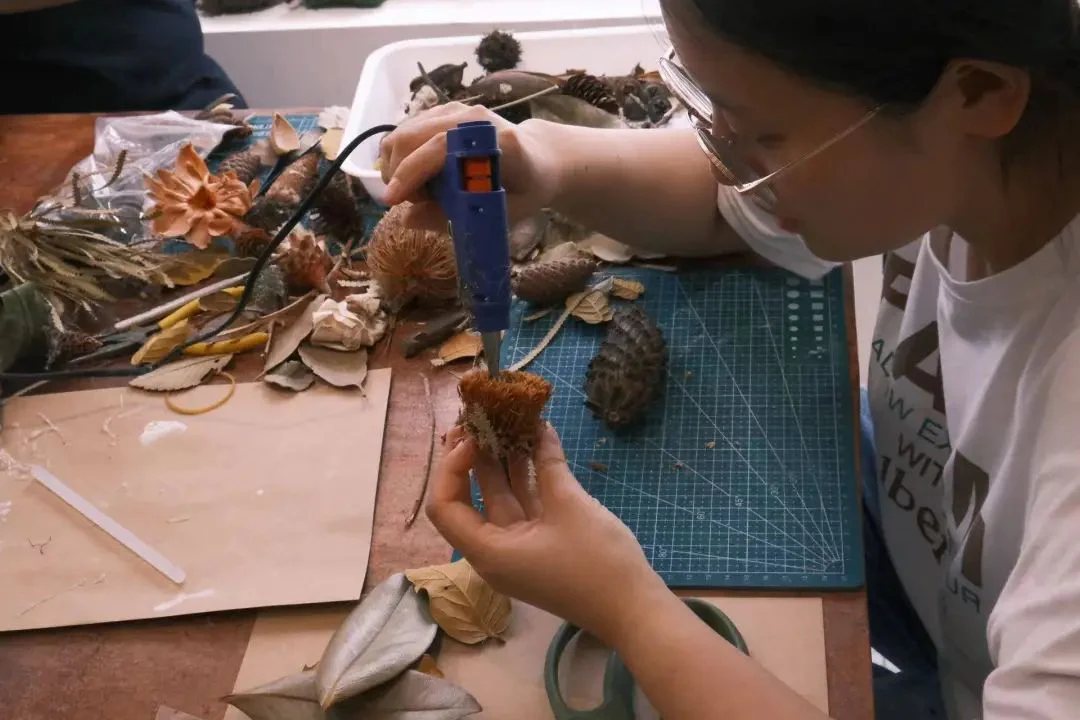
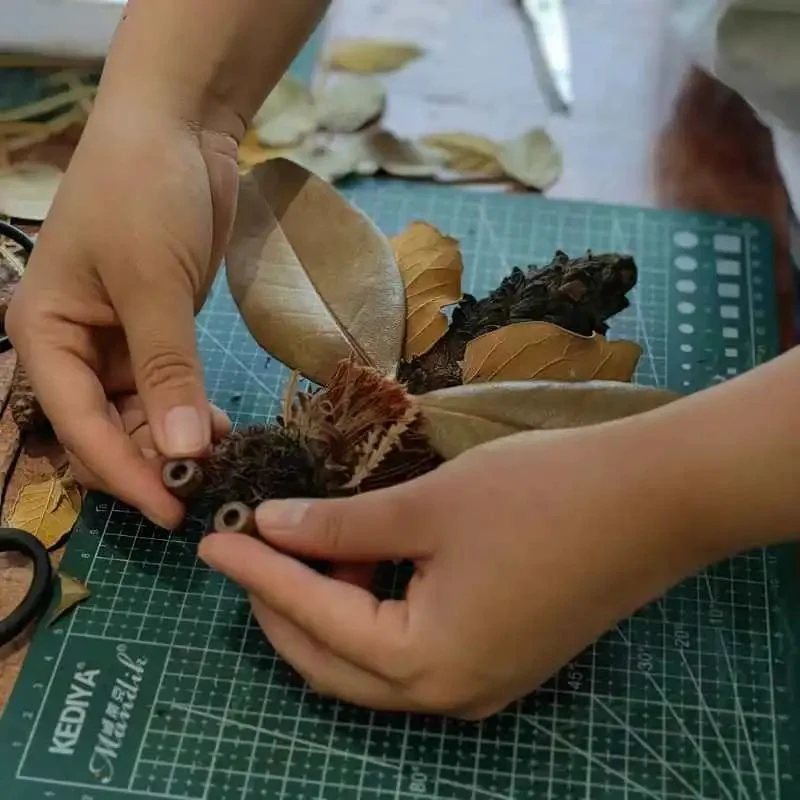
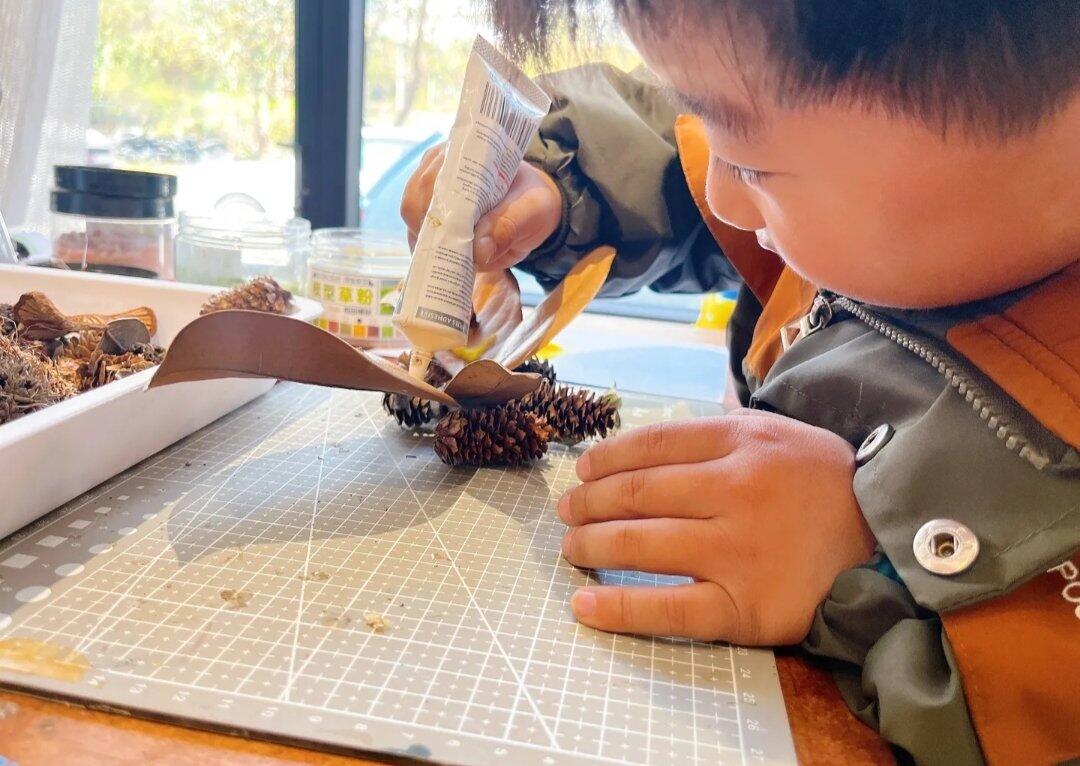
3. Start making
4. Finish:
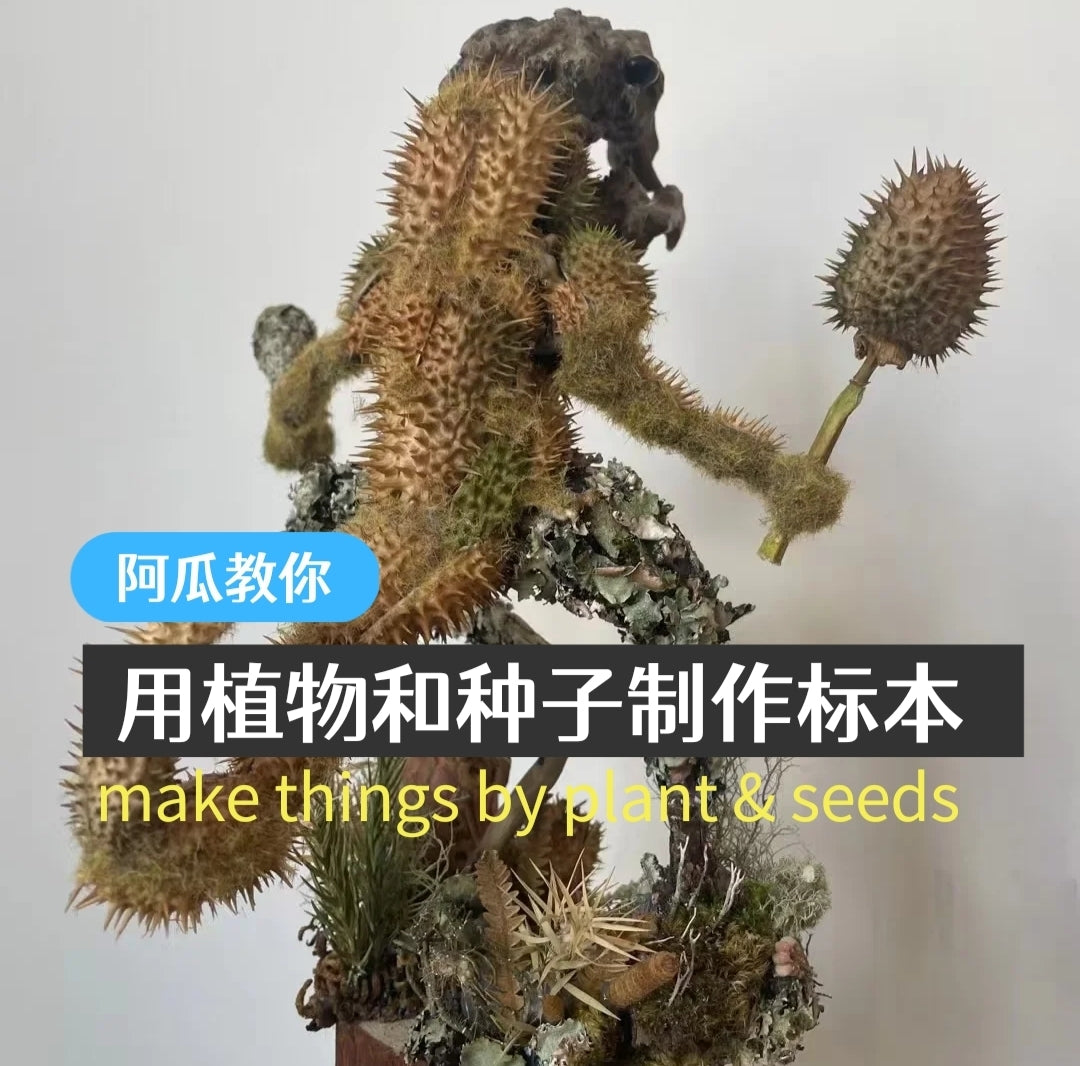
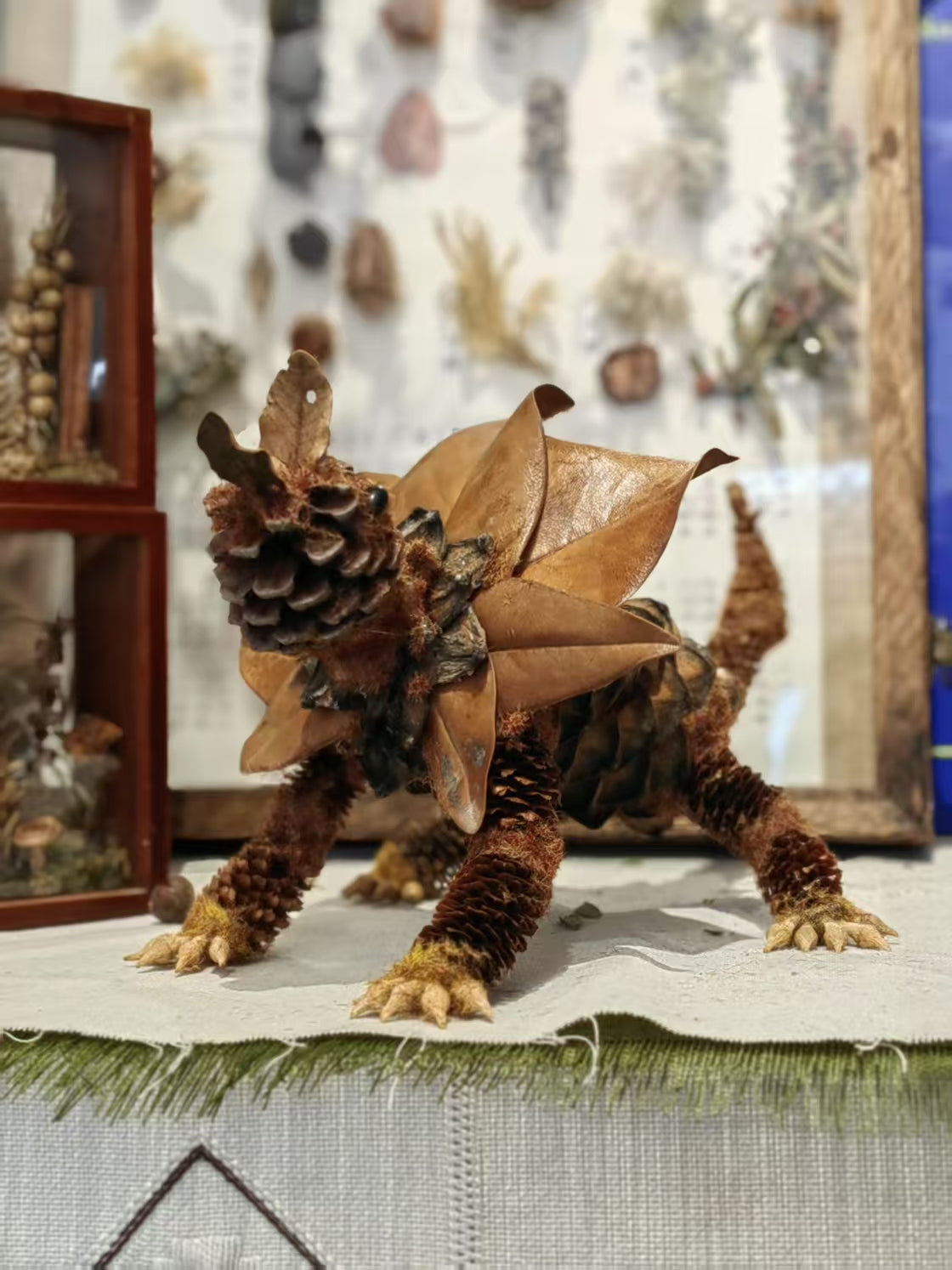
Some of Agua's works:
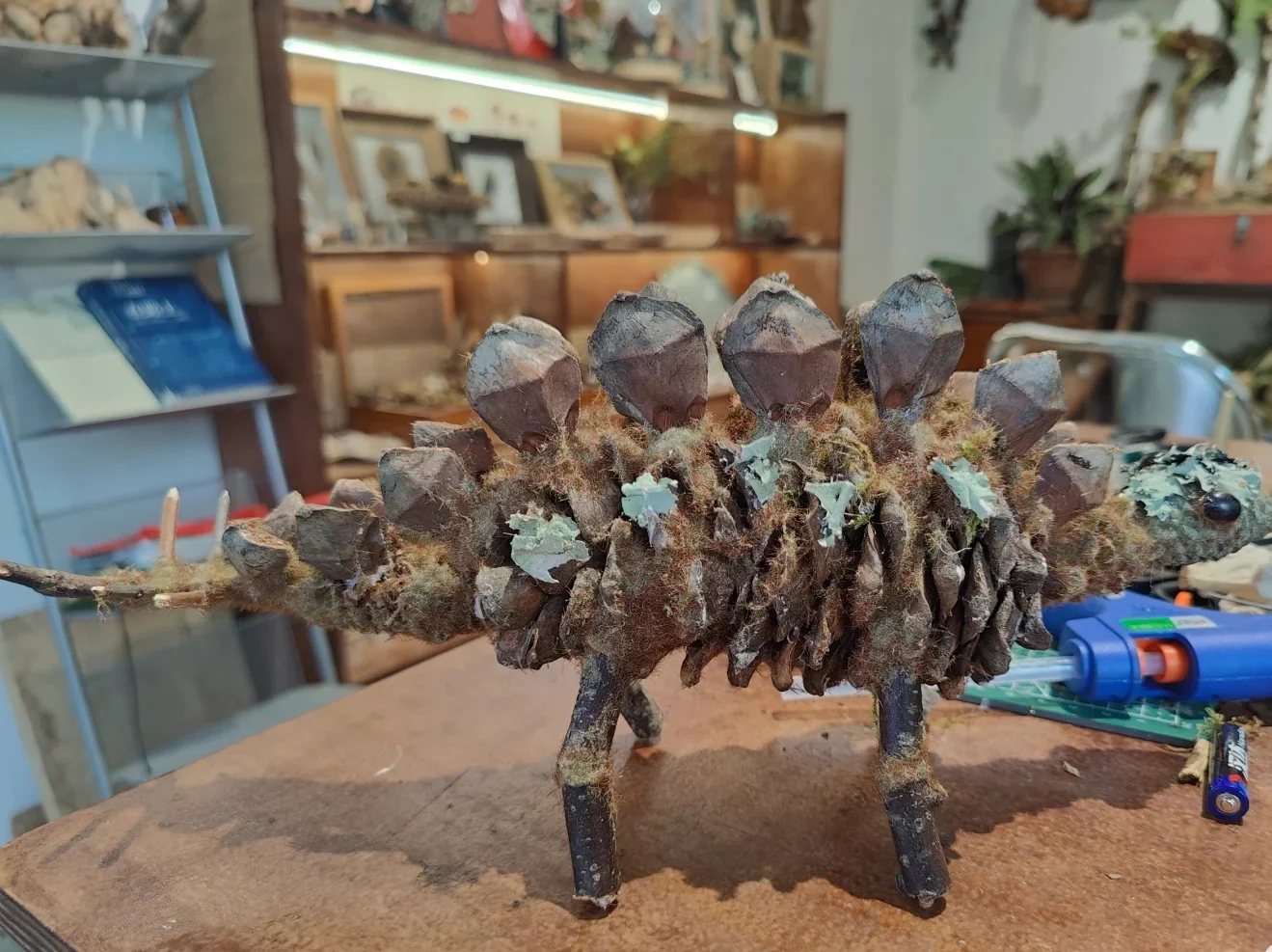
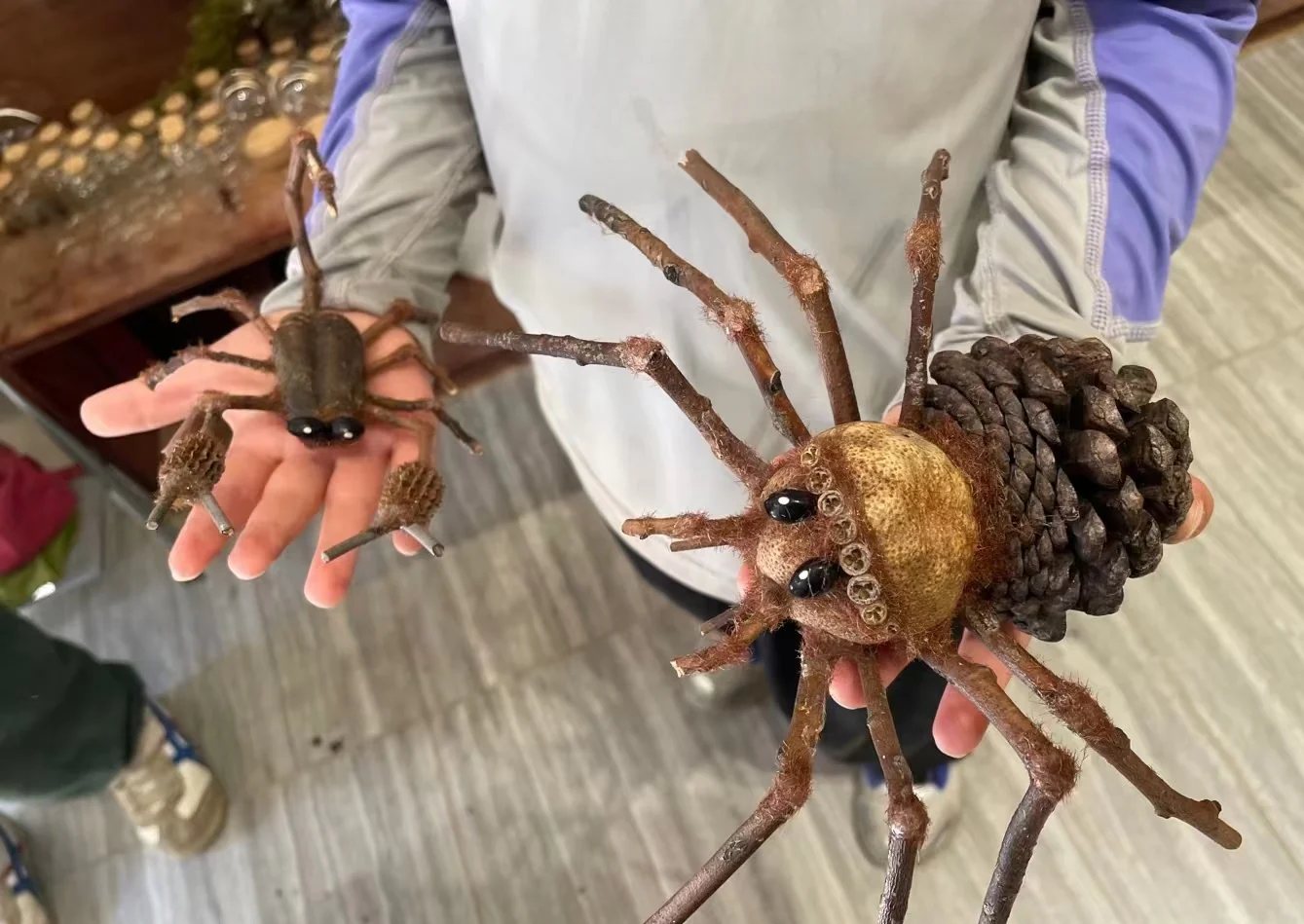
Children often create works beyond imagination. What is taught are only skills; creation is personal, not about absolute skill level.
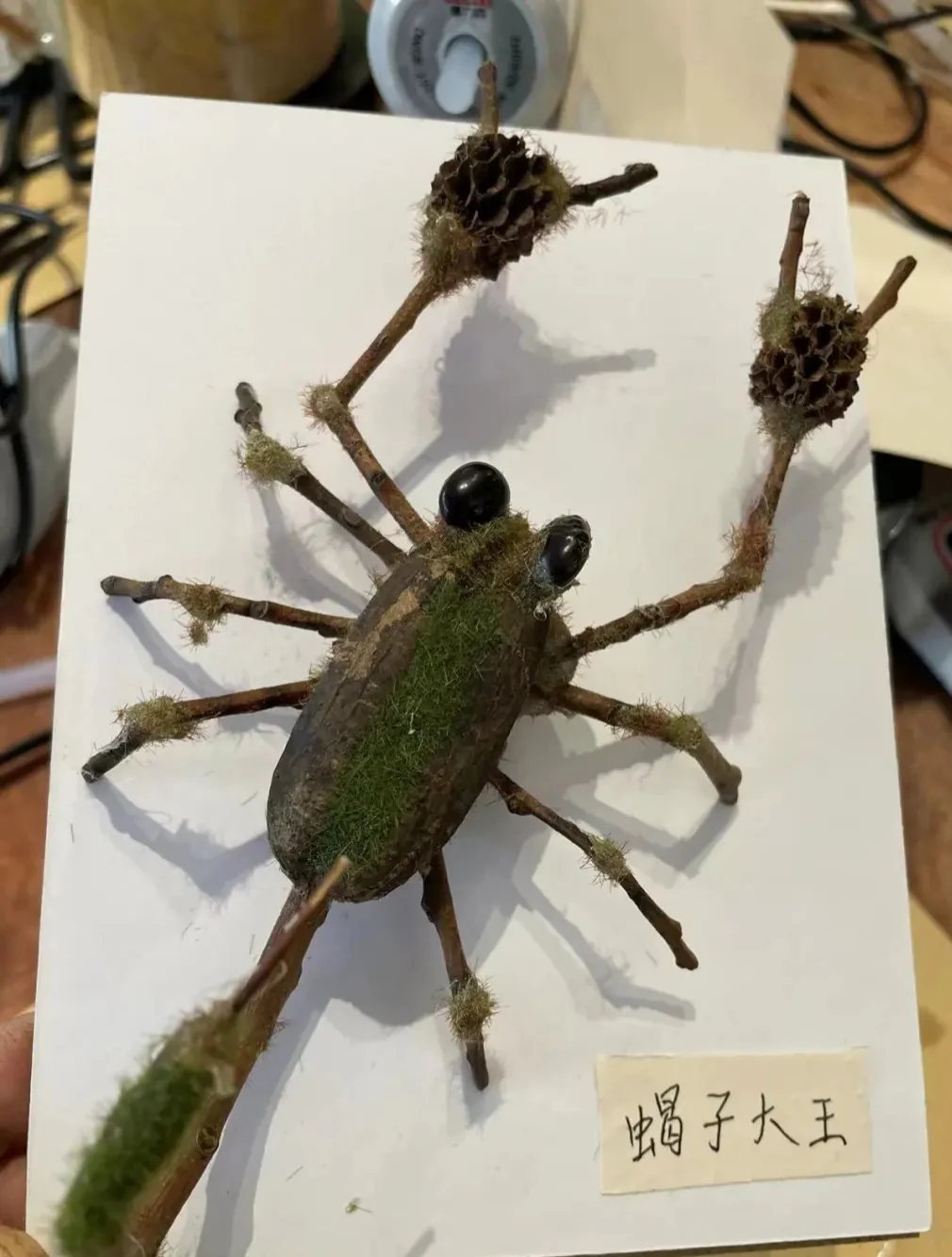
Below are works by guests (mostly children). These are products of imagination; the techniques learned from Agua are just the means to achieve them.
Photos and