Kyoto: Overnight Internet Cafes and Coffee Shops
Found a good overnight internet cafe and a cozy coffee shop. Starting to feel a little rooted in Kyoto. Just wanted to stay somewhere completely unfamiliar for a while.
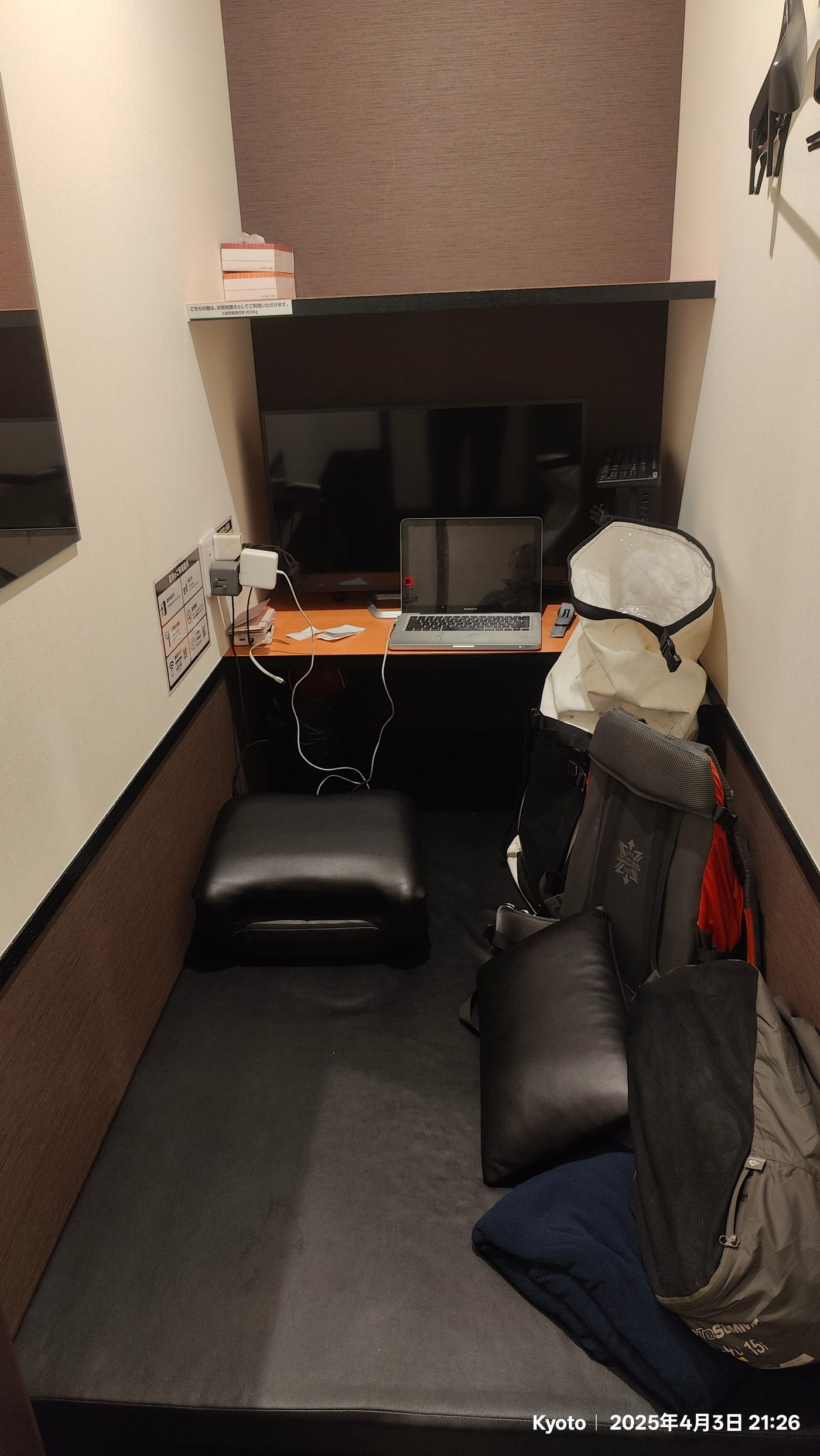
In early April, Kyoto is cherry blossom season. Hostel beds that are usually $35 cost $120. I don't plan ahead, so I arrived after dark with no accommodation. I have a tent, but it's cold. I wanted to try an internet cafe instead of paying $800 for a bed.
I found Hailey'5 Cafe, a regular internet cafe on the fourth floor of a commercial building. It was clean and bright, like a hotel lobby. Staff used Google Translate. I registered and got a small booth. Facilities included showers (extra fee), free drinks, and a smoking room. It was tidy. People stayed in their booths.
In the morning, I talked to a young man in the smoking room. He was from Nagoya, taking a motorcycle license test in Kyoto because it's cheaper. I stayed 13 hours, costing about 260 yuan.
With time before my language school orientation, I cycled to Higashi Honganji Temple. On the way, I found a quiet street with old machiya houses and a nice restaurant called LORIMER KYOTO for lunch. The temple was grand with cherry blossoms. I felt I had truly arrived in Kyoto.
At school, I met classmates from Taiwan and the UK. Afterward, I was cold and didn't know where to go. I tried another internet cafe, Katsu Club Shijo Omiya, which was more automated and cheaper. It had a clean booth, a luggage shelf, and a comfortable chair. Showers cost 16 yuan for 30 minutes. I felt a breakthrough: internet cafes are affordable and convenient.
Yesterday, after orientation, it was rainy and cold. I found a coffee shop called March. The owner was a slim elderly woman. I had coffee and egg toast, which was surprisingly good with a hint of mustard. The shop closed at 7 PM. Today I returned for lunch. The set meal was tofu rice bowl with miso soup and pickles. The shop was full of elderly regulars. A middle-aged man helped, probably her son.
Keep reading
3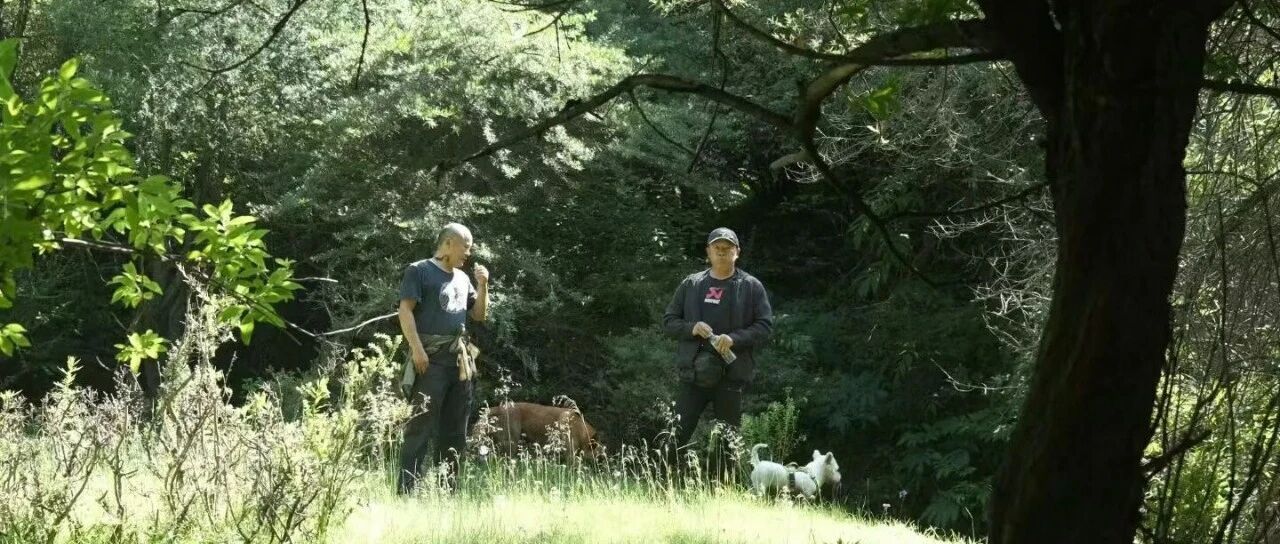
Jason | Using AI to Create Your Own Mini Program/Website
Two months ago in Chiang Mai, I stumbled upon the chance to start learning how to build mini programs. My AI programming mentor, Wangshen, told me, 'Once you finish your mini program, write a summary report.' Now I've completed the new mini program for Cangshan Hiking Home, and it's already being tested. It not only solves problems I've wanted to address for a while, like adding age tags to filter activities and providing an English version, but it has also introduced new features, such as browsing restaurants, guesthouses, and meeting points on a map for a more intuitive experience, and using AI to provide quite intelligent responses.
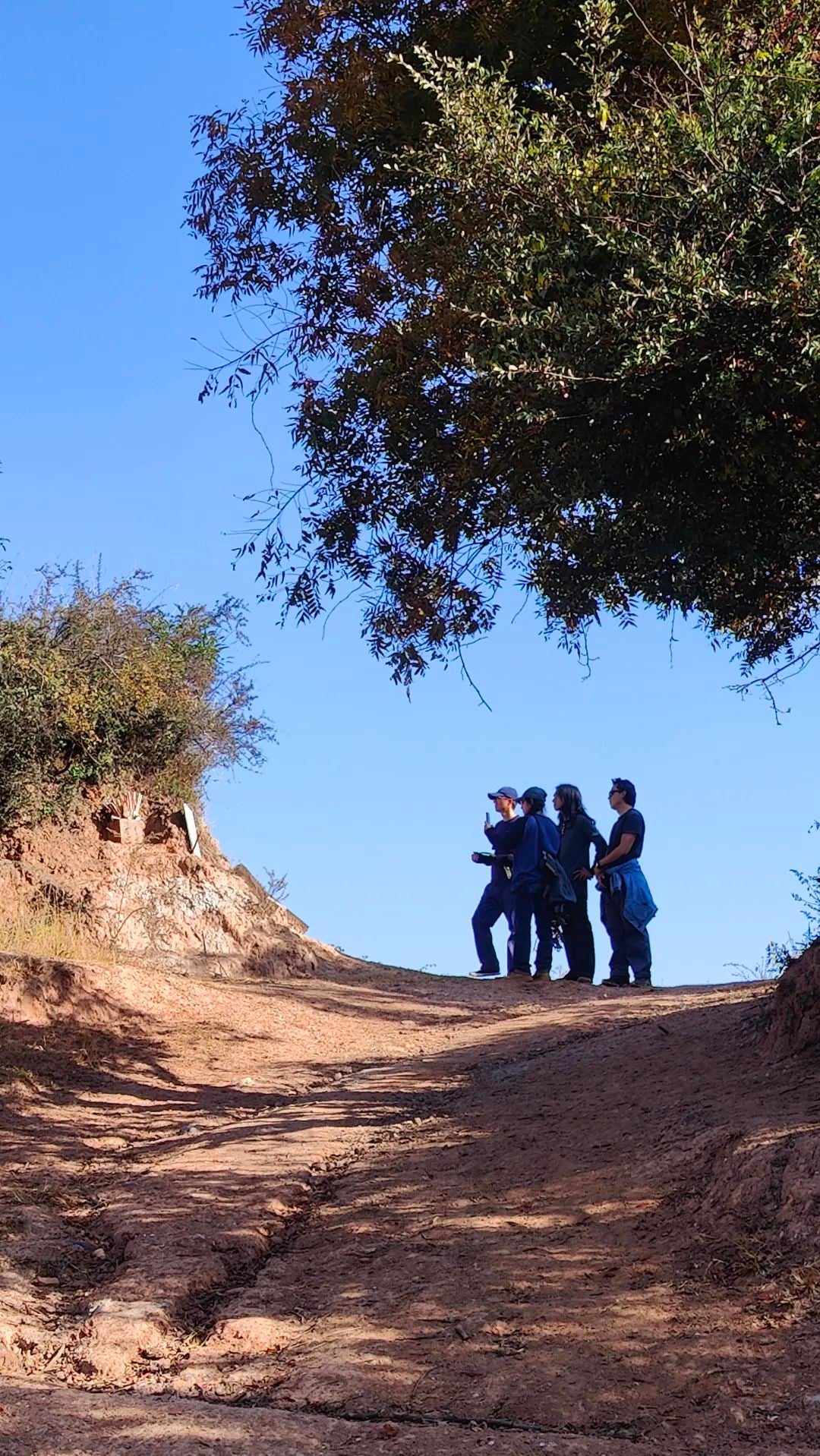
Learn AI Programming Together
Some information about AI programming
Celebrate the Torch Festival in a Nanzhao Royal Clan Village
Over the past two years, we have taken guests to celebrate the Torch Festival in Songhe Village, Eryuan. Together we slaughtered a sheep, and with the whole village, erected a huge torch in the center of the village square. Everyone made their own torches from hemp stalks, and together with the older and younger villagers, we rushed to grab the blessing baba (cakes) from the big torch, passing blessings to each other with fire. Even for me, a native Bai person, these are rare and precious traditional festival experiences. Dali has endless festivals, and I want to experience them more before they fade away. I remember the Torch Festival of my childhood: torches were no longer enough for me. Before the festival, I would tell my dad to prepare a bucket of waste engine oil and diesel, mix them together, and then I would tightly bind cotton and old cloth with rope into a ball (some kids would secretly take cotton from their quilts at home to make it). Finally, I would make an iron wire ball, soak it in the bucket of oil, and secretly take it out every day to look at it, looking forward to having a great time on the day of the Torch Festival. We would compete in the village and by the rice fields to see whose fireball or torch was more impressive. When the torches and fireballs were almost burned out, we would rush home, walk around the potted fruit trees in circles, and say blessing words, hoping they would grow even better in the coming year.