Phoebe | Spring Foraging (Part 1)
Xiao Jing said that the foraging team is going to have a wild edible plants party. I heard that everyone will bring various wild greens, and Zhen Hao will bring the nettle I've always wanted to try, so I got excited and applied to join. (Note: Wild greens marked with English in parentheses are also medicinal and edible ingredients in the West)
Xiao Jing said that the foraging team is going to have a wild edible plants party. I heard that everyone will bring various wild greens, and Zhen Hao will bring the nettle I've always wanted to try, so I got excited and applied to join. (Note: Wild greens marked with English in parentheses are also medicinal and edible ingredients in the West)
I grew up in the outskirts of Yongkang, a small city in central Zhejiang. Reflecting on my history of foraging wild greens, my experience is not too extensive: I've picked Gnaphalium affine to make green rice balls, and also picked shepherd's purse, Chinese chive (wild onion), and Indian aster. I remember in the spring of my senior year in high school, facing the pressure of college entrance exams, my desk mate Tao and I spent an afternoon picking wild greens in the fields near my home to relax. I love the spring-limited stir-fried rice noodles with milk vetch and shredded pork; I picked milk vetch tender leaves with my mom and sister. Other than that, not much else.
I know purslane and have eaten it, but I haven't picked it. I've eaten mulberry leaf pancakes made by my mom at home, but the tender mulberry leaves were bought. We've also made Gnaphalium affine pancakes at home. Can wild green pancakes ever be bad?! In the winter of 2018, I stayed for 10 days at a farmhouse in Zhaojia Tai Village, Tanzhe Si Town, on the outskirts of Beijing. I ate with the host family every day and had the host's mulberry leaf vegetarian pies, with a bit of garlic to enhance the flavor—delicious! I'm a pie lover, haha. BTW, in Japanese, "yacai" means vegetables, while "sansai" means wild greens)
After starting the nature notes/mini nature observation activities for Cangshan Hiking Home, I learned about many edible wild plants, but I haven't tried most of them myself. So this wild greens party is especially meaningful to me, hehe.
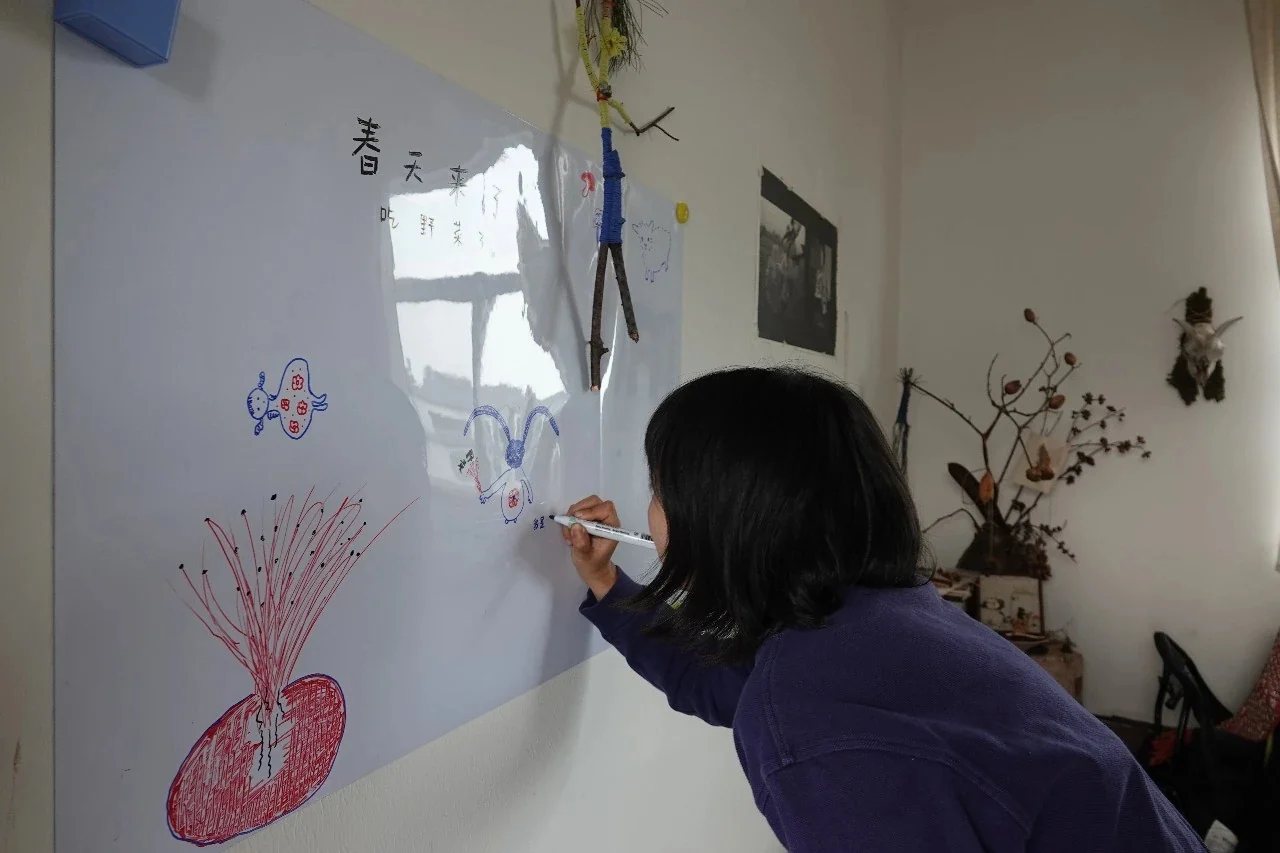
That afternoon when I arrived, Xiao Jing was painting on the whiteboard at home.
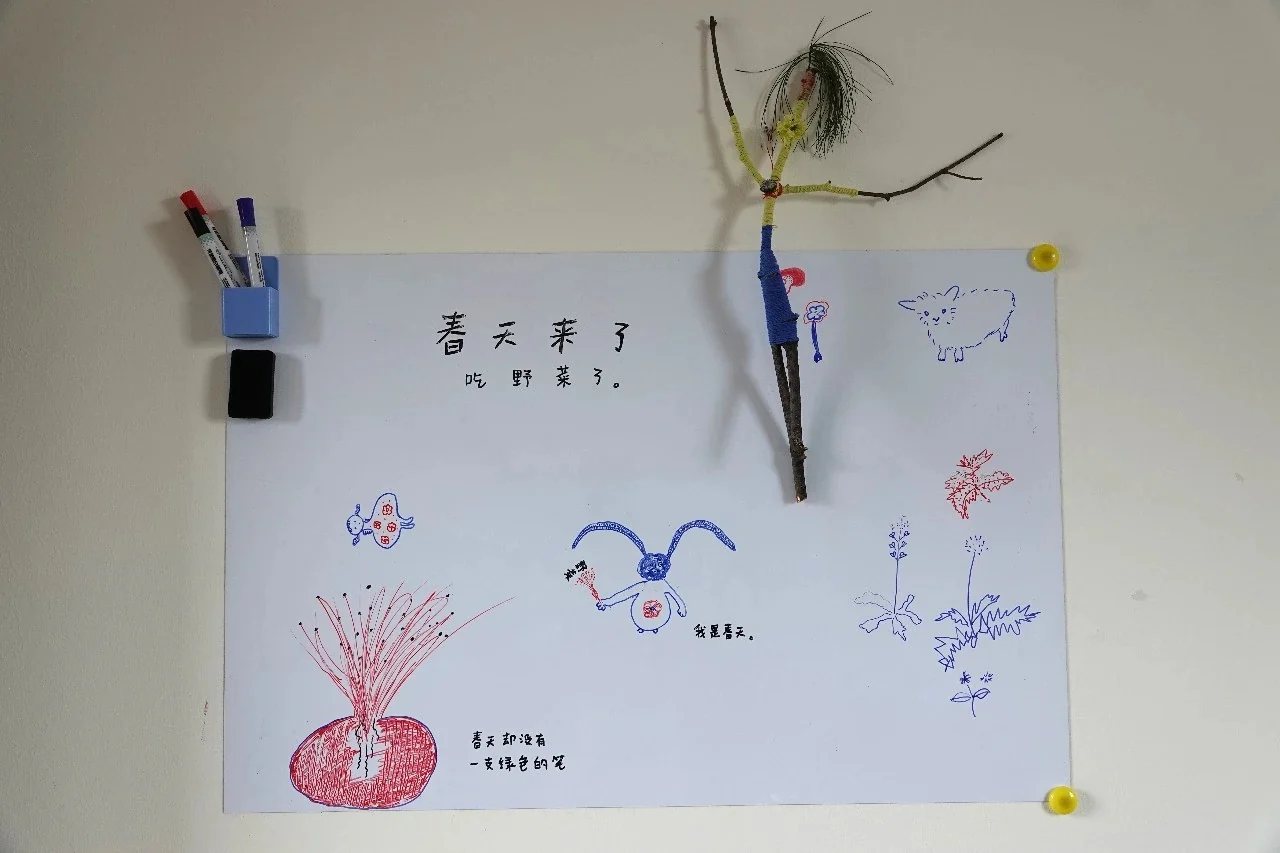
She sighed that unfortunately there was no green pen, and handed me two pens, asking me to draw something. I added a few wild greens that fit the theme next to it.
The title of the small poster was "Spring is here, eating wild greens." The little figure flying in the air was so cute, I said. The next day I saw Xiao Jing's diary entry; it turned out it was her lying on the ground, haha. Xiao Jing is very good at free play, drawing quirky little pictures casually.
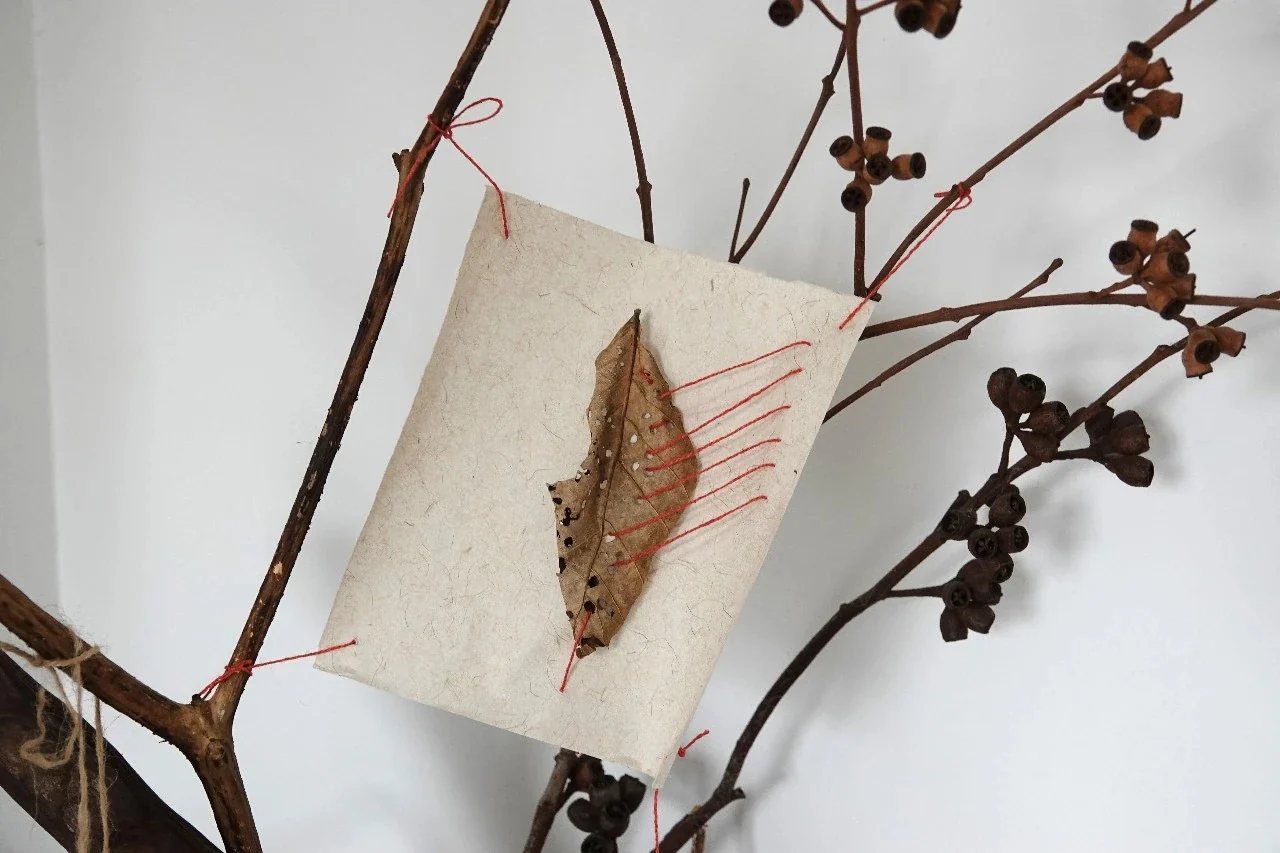
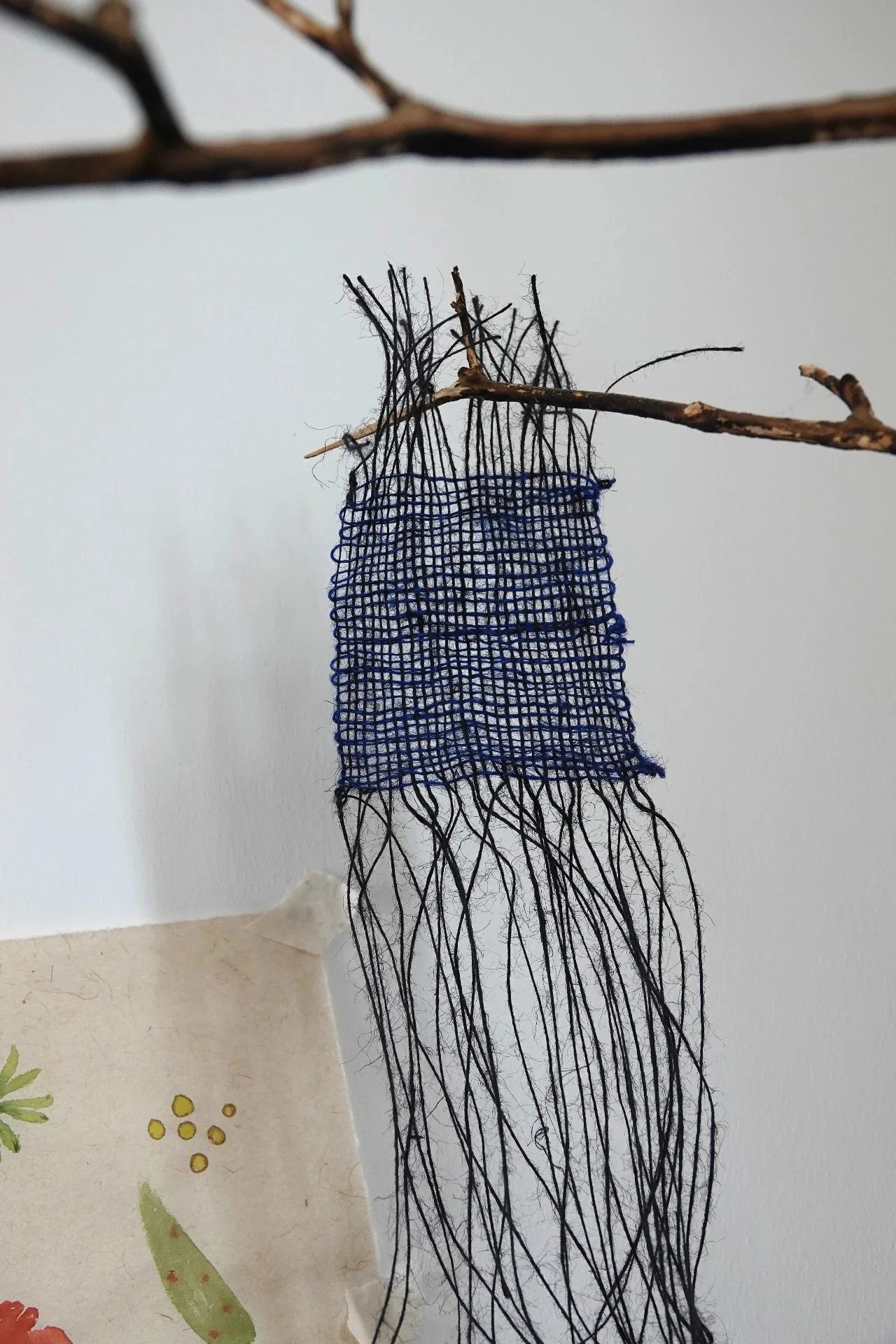
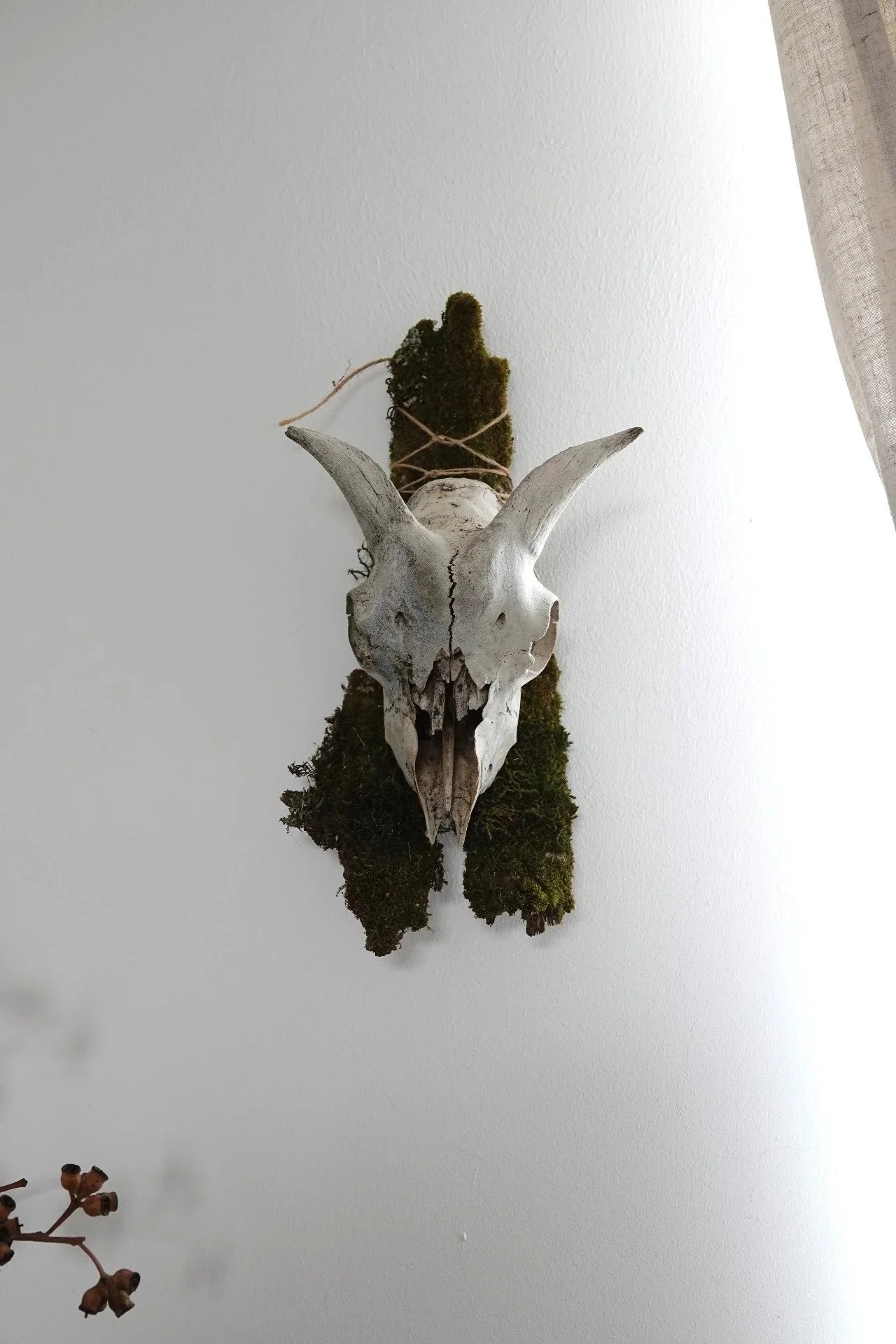
There were some small installations she had been tinkering with at home recently, pretty good! I admired each one with close-up shots.
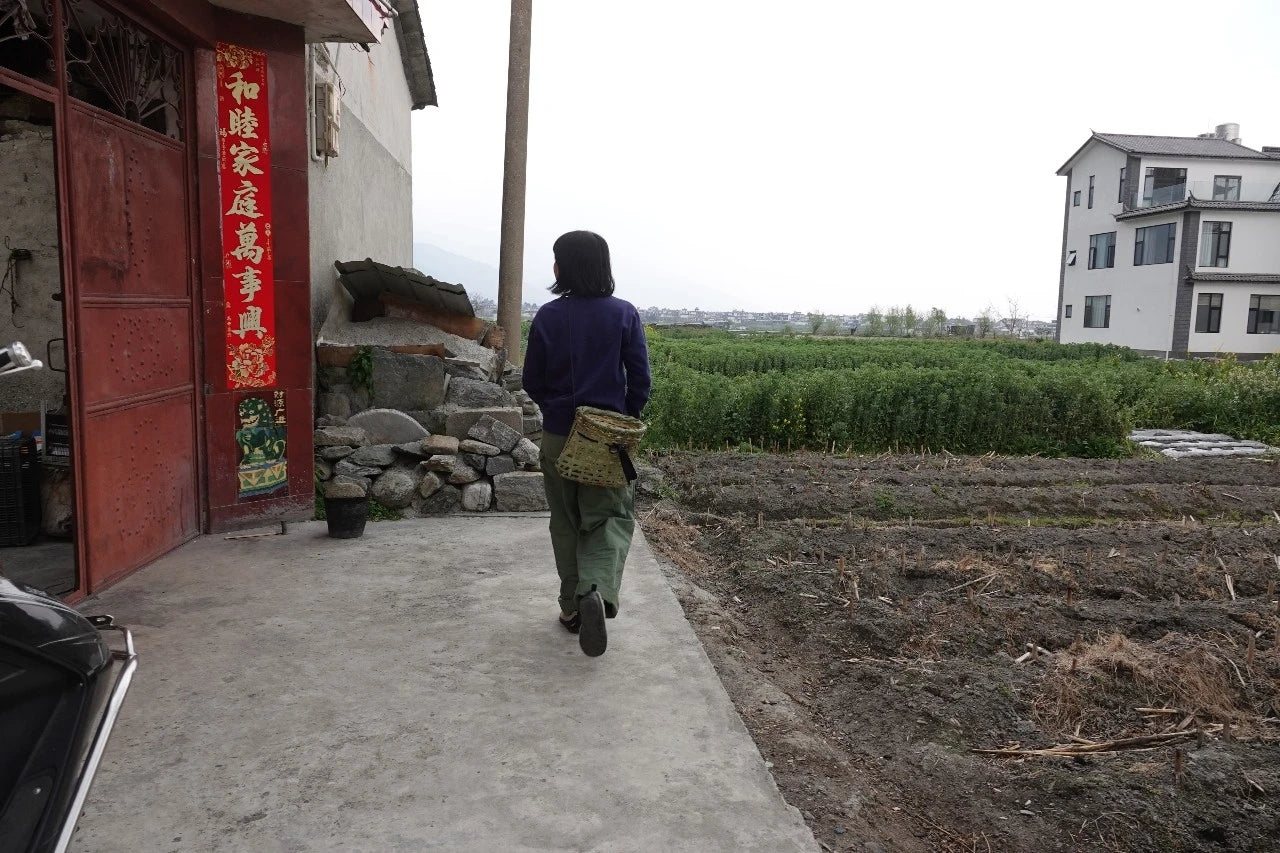
Then we went downstairs to the field to pick wild greens.
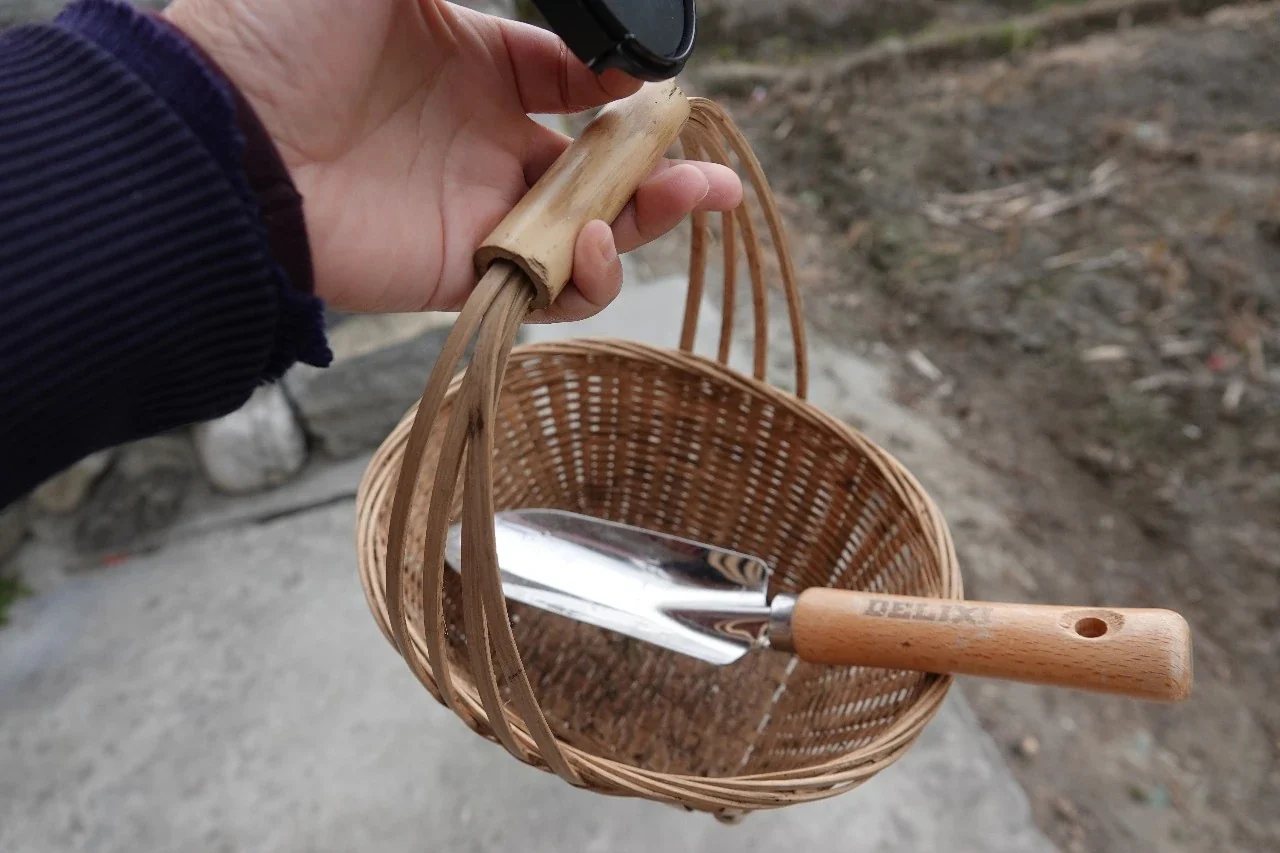
The equipment Xiao Jing gave me. The small bamboo basket seems to be the one used for kids in the mini mushroom foraging activity.
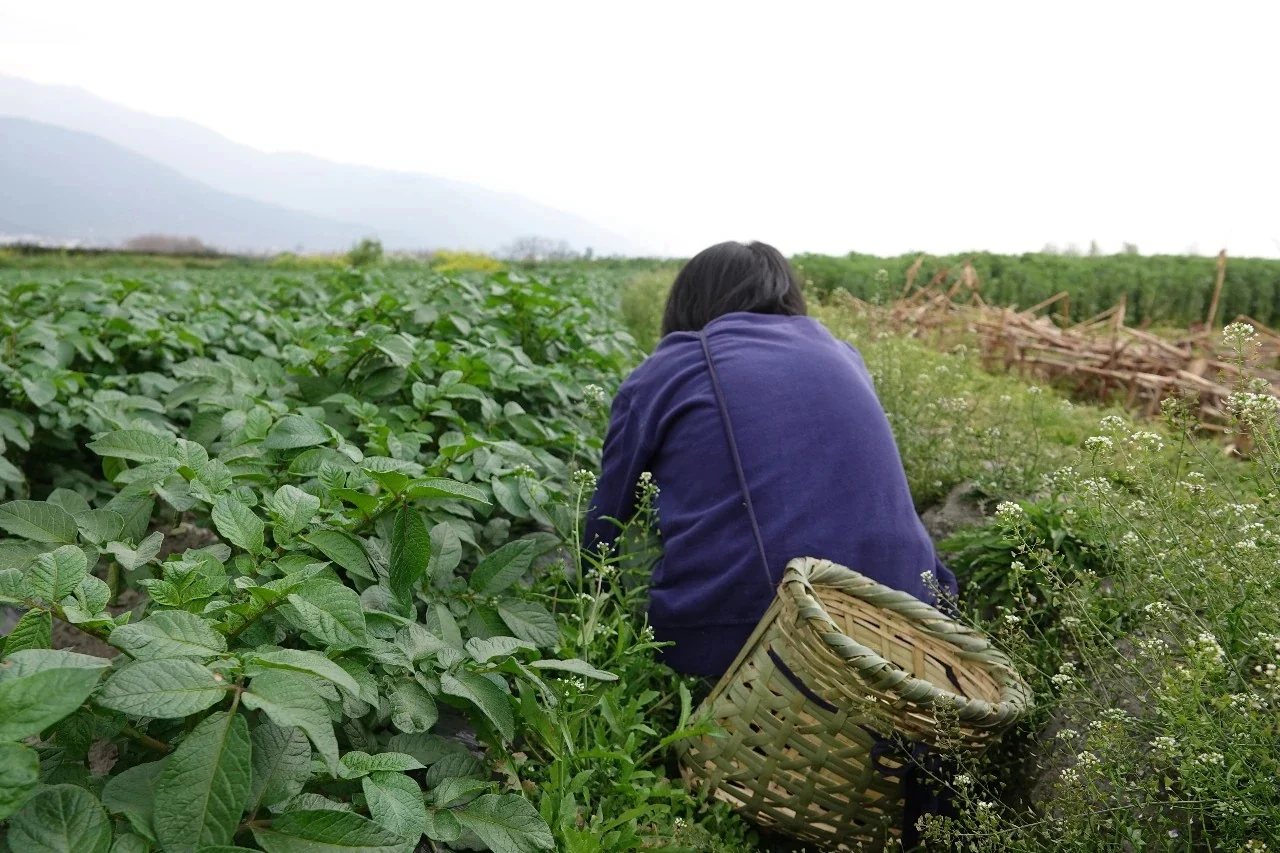
Xiao Jing crouched by a potato field and started digging shepherd's purse; she planned to make shepherd's purse meatballs. I followed and dug too.
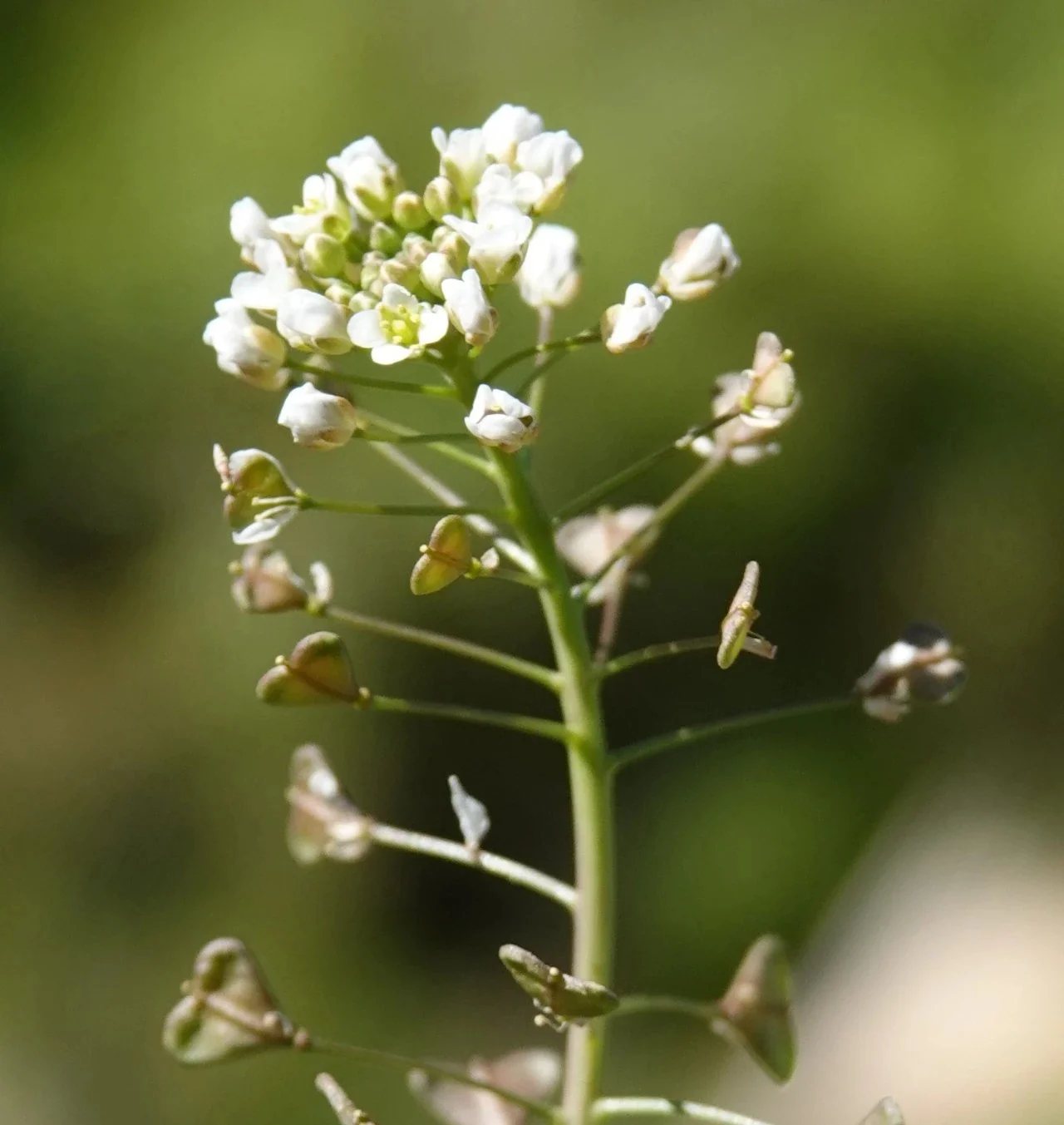
The field ridges were full of shepherd's purse. The flowering and fruiting shepherd's purse is very easy to identify; they have typical cruciferous white cross-shaped flowers and cute heart-shaped silicles. Zoom in, do you recognize it now?
Once you identify the flowering and fruiting shepherd's purse, it's easy to find its young plants nearby. The saying "shepherd's purse grows in abundance, hence called ji" means it grows in large patches, hence the name. We dig out the tender whole plant before it flowers and bears fruit, and take it home to eat. After picking for a while, you'll get a feel for the leaf shape of shepherd's purse.
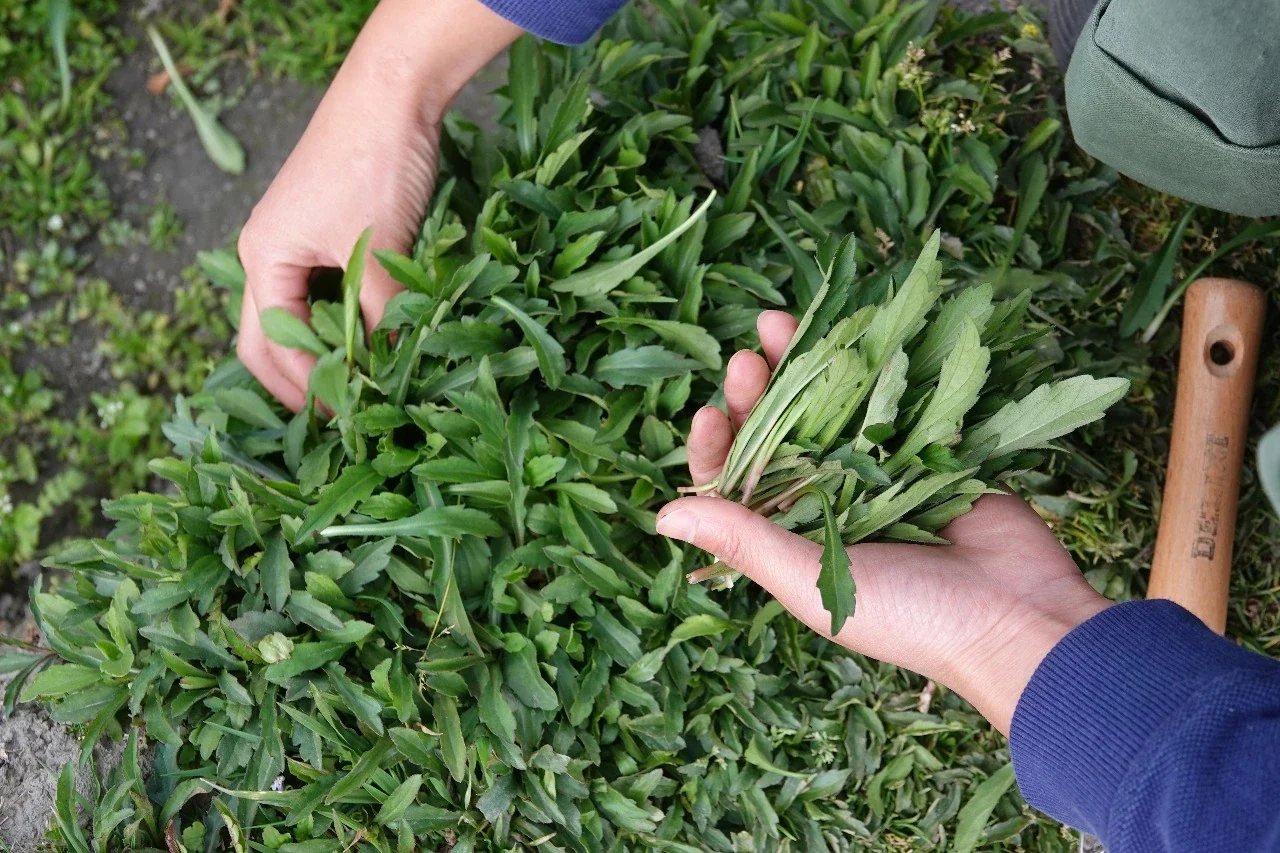
Xiao Jing found a patch of Indian aster (Asteraceae, Aster genus). She said it's not easy to find and asked if I wanted some. Greedy as I am, I said yes; we eat Indian aster with dried tofu. I haven't had it in a long time!
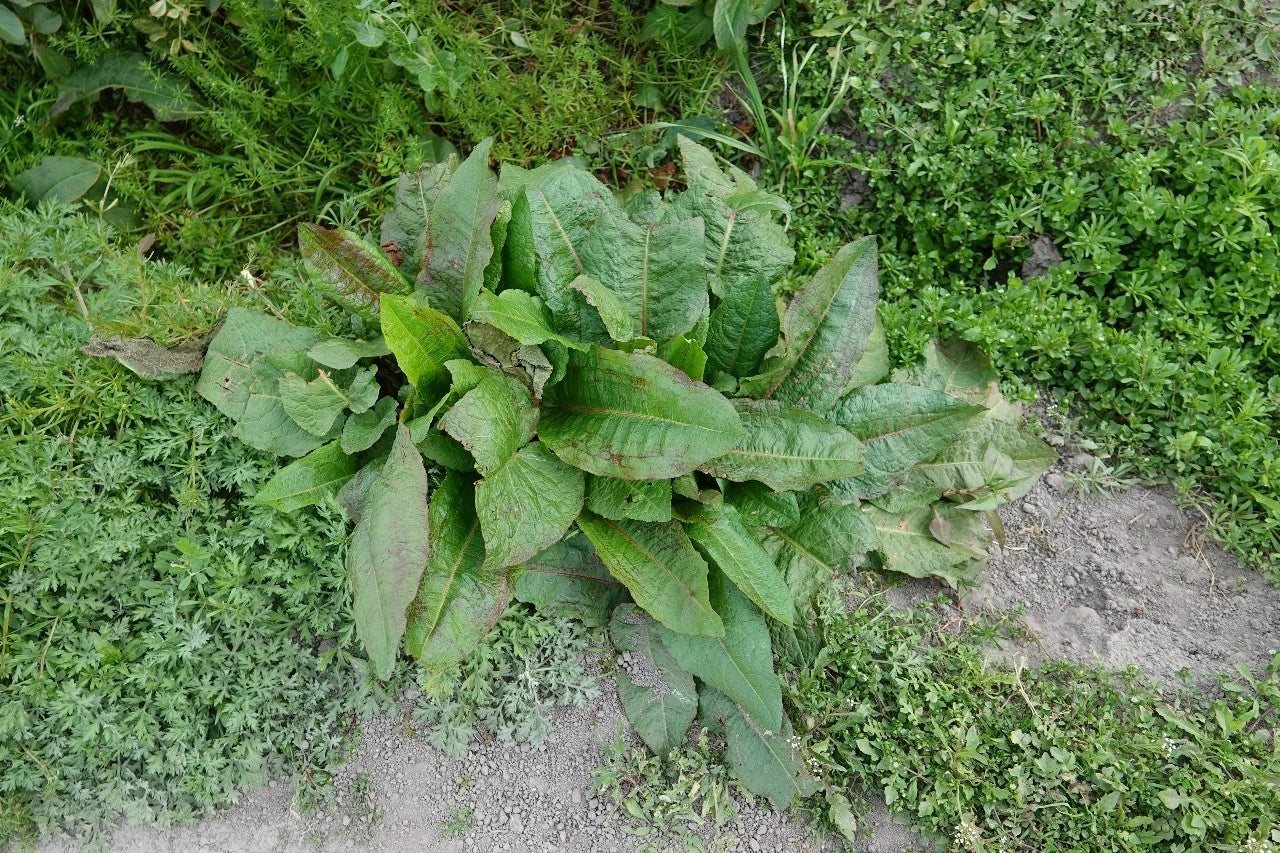
Wild spinach, I haven't tried it yet, I said. Let's pick some to taste, Xiao Jing said, and plucked a few leaves. I followed and picked a few too.
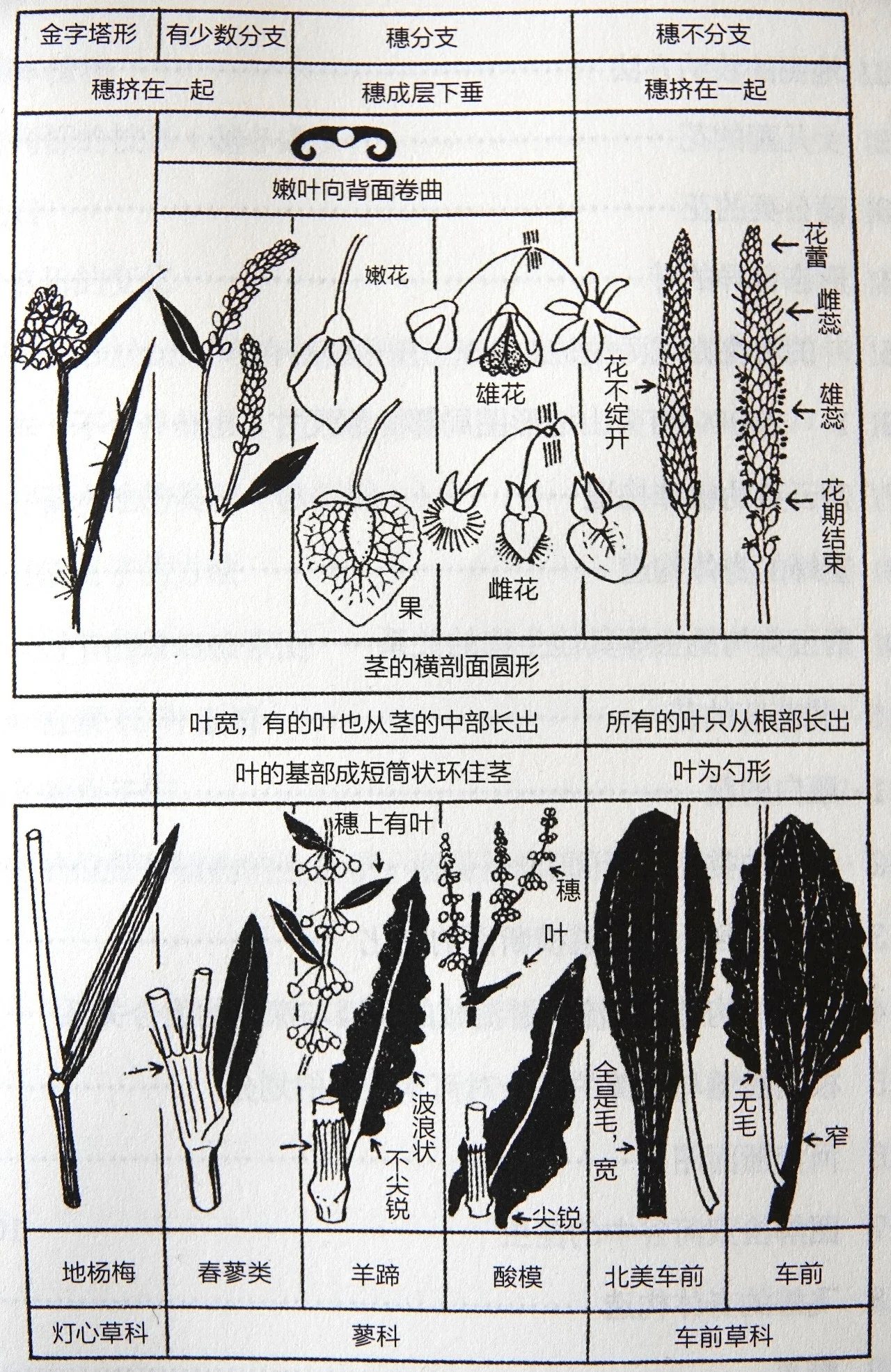
But when I got home and identified the photo, WeChat search said this is a close relative of sorrel (wild spinach) (Polygonaceae, Rumex genus) — curly dock. Without flowers or fruits, sorrel and curly dock are a bit hard to distinguish, just the leaf shapes differ, but the tender leaves of both are edible. They contain more oxalic acid like spinach, so they are not suitable for raw consumption.
The above picture is from the appendix of "Introduction to Nature Observation" (by Isao Hiura), where the key makes the difference between curly dock and sorrel clear at a glance.
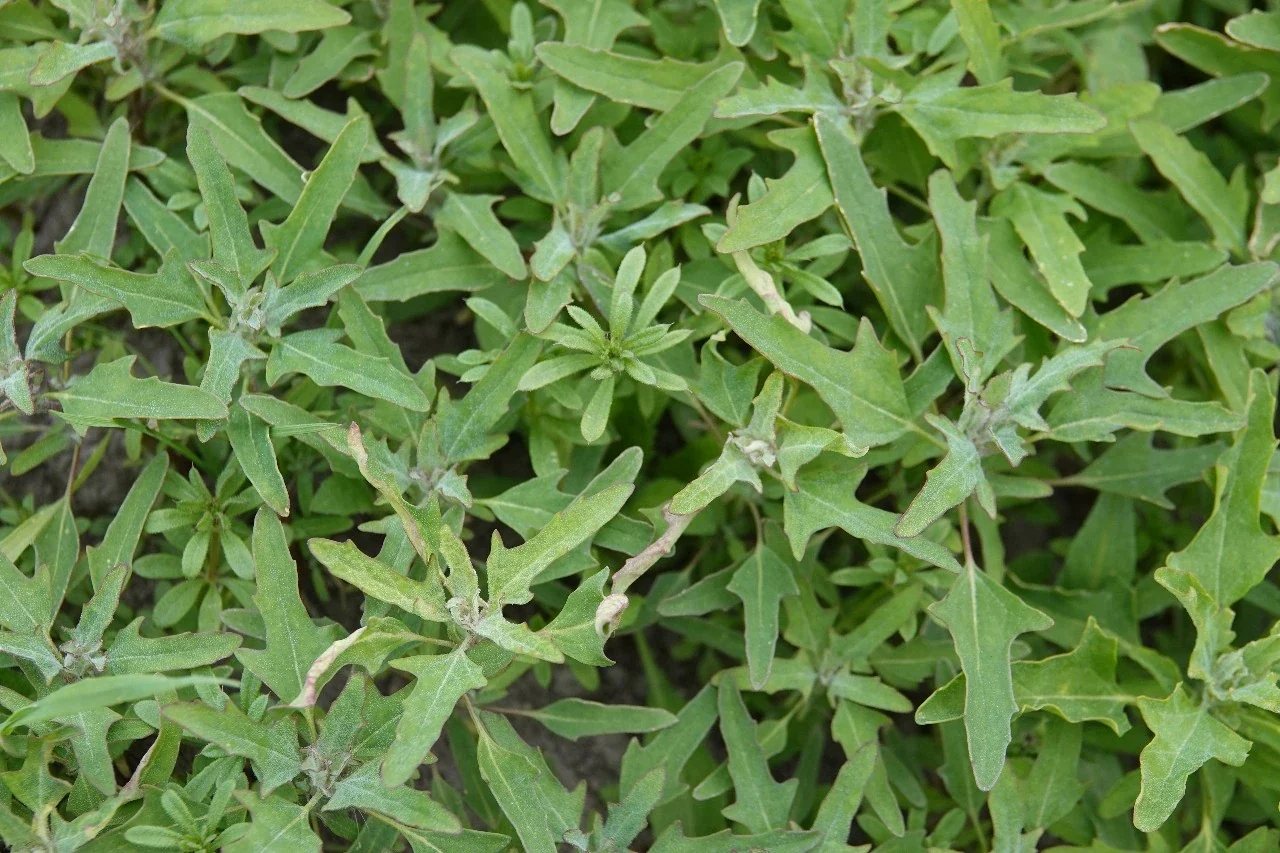
Found a clump of lamb's quarters, oh no, it's small lamb's quarters. The leaves of small lamb's quarters are more slender than lamb's quarters; both are close relatives in the Amaranthaceae, Chenopodium genus. Wang Wei's poem mentioned lamb's quarters: "In the accumulated rain, the empty forest slowly smokes; steaming lamb's quarters and cooking millet to feed the eastern fields." I also want to taste this ancient wild green, so I scraped it into my small basket.
While picking wild greens, I saw some March flies flying. These flies become active every March, hence the English common name March fly.
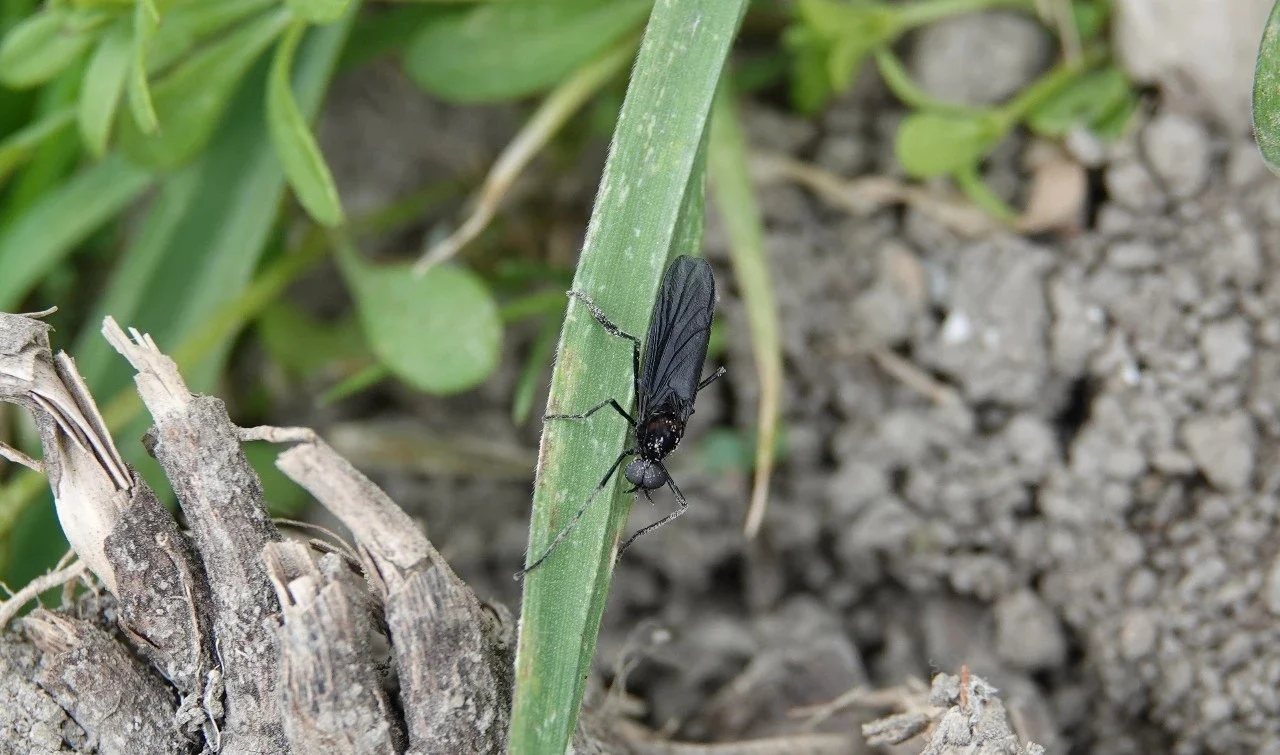
The larvae of March flies cluster in the shallow surface layer, eating decaying plants or plant roots; adults visit flowers, and can be seen until late autumn. Last year in early November when I went to Qingbi Creek, they were everywhere. Attach a close-up taken at that time for a clearer view.
The photo shows that the March fly is a dipteran insect with only one pair of forewings; the hindwings are reduced to a pair of halteres (those pin-like things). Most insects have two pairs of wings, so those with one pair are specially grouped into the order Diptera. Diptera includes flies, mosquitoes, gnats, midges, and horse flies.
At this time, some agile swallows were flying in the air, and a black-winged kite was hovering and hunting. The black-winged kite is the only bird of prey in Dali's top 10 common birds (by Nature Spirit Ecological Photography Studio). Based on my observations so far, I feel that the upland buzzard is more common; why isn't it on the list? The China Birding Assistant describes the black-winged kite as "the only white hawk that hovers in the air while searching for prey." The black-winged kite is beautiful with high recognition: mainly white feathers, dotted with black patches, red eyes, and yellow feet.
It seems that most of the land in the Shangyangbo area is contracted by agricultural companies, growing uniform crops like lettuce. According to Xiao Jing's intelligence, I came to a small irrigation ditch. Xiao Jing said the lamb's quarters here are bigger; they were indeed larger, but most were already with flower buds or in bloom. I selectively picked some. The common name "lamb's quarters" includes several similar species like lamb's quarters and small lamb's quarters.
What I saw by the water was still small lamb's quarters, with very small flowers, typical wind-pollinated flowers. Zooming in on my photo, you can see it has five green tepals (sepals and petals combined), two white thread-like stigmas showing the female organ's low-key presence, and more conspicuous are the pale yellow anthers of the stamens.
Online search found that the popular health food quinoa (pronounced "keen wa") in recent years is a close relative of lamb's quarters, in the same family and genus; its flowers and leaves look quite similar to the previous picture, and we eat its seeds. In ancient China, lamb's quarters seeds cooked as gruel were a coarse food for commoners, and Confucius ate it in times of distress. (BTW, lamb's quarters gruel, according to Hanyu dictionary, is a soup made from lamb's quarters. Although this statement is mainstream online, I support the Guokr species calendar's explanation)
A middle-aged man walked towards us. Xiao Jing greeted him and showed him the wild greens in her basket. The man nodded and smiled. In the spring fields, the word "wild greens" is a social password. Those who give the password automatically join the "Wild Greens Brotherhood," sharing a knowing smile. Digging wild greens is a serious matter.
I spotted a cruciferous plant with yellow flowers by the water and thought it might be edible, so I decided to pick some to try.
When I got home, I looked it up; this is marsh yellowcress (Brassicaceae, Rorippa genus), and as its name suggests, it grows by water and is edible. Further search confirmed it is edible, commonly called "water shepherd's purse."
By the water, there was another plant I didn't recognize, looking like this:
When I got home, I searched and found this is water speedwell (Plantaginaceae, Veronica genus). Looking closely at the flower, it does resemble Persian speedwell. The tender leaves are edible! It's commonly called "water spinach."
Xiao Jing had enough and called me to go back. I agreed while casually grabbing a clump of bittercress, another variety I wanted to try. The cross-shaped flowers of bittercress are larger than shepherd's purse, the fruit is a slender silique, and the pinnate leaves are clearly different from the simple leaves of shepherd's purse. Bittercress, like shepherd's purse, can be eaten as a wild green.
Back home, we first counted the varieties collected in the winnowing basket: lamb's quarters, trigonotis, Indian aster, Gnaphalium affine, wild buckwheat, water celery, shepherd's purse, bittercress, vetch, chickweed, marsh yellowcress, curly dock, wild mallow. Hehe, a total of thirteen kinds.
Yanzi's dog Er Dian appeared, and then Yanzi appeared with a large bamboo basket full of packages. She looked at our small collection and said, "You guys are playing house." I laughed. When I first started working, my mom came to Shanghai, and the kitchen utensils I bought didn't suit her; she made the same comment.
Yanzi is generous and capable, bringing two roast ducks. Besides making wild green pancakes, she also planned to cook a large pot of cured pork rib and chicken soup as hot pot broth. The wild greens Yanzi picked were abundant, good, and clean, mainly chickweed, water celery, vetch, and fiddlehead fern, plus cleavers. Cleavers were set aside because we hadn't figured out how to eat them yet.
Writing here, I searched and watched a video where a man named Mr. Wang simply cooked cleavers with a bit of oil and salt in soup. He said it tastes similar to vetch, but because cleavers have backward-pointing hairs on stems and leaves, the texture is a bit rough. Speaking of which, its English name also comes from its property of cleaving to your hand. So, just blanch it in hot pot.
I wrote about cleavers in Mi Cha's dictionary class five years ago (the above picture was taken near my home in Yongkang at that time). The last sentence read: "Cleavers is almost a global citizen, found everywhere in the world. Both East and West recognize its medicinal value. Westerners also dry and chop it to make herbal tea, called cleavers tea." At that time, the accepted Chinese name for cleavers (Rubiaceae, Galium genus) was still "zhu yang yang" (pig's suffering), but now "zhu yang yang" has been relegated to a synonym.
It is said that cleavers tea has many benefits, including preventing kidney stones, reducing urinary tract infections, improving the immune system... When writing the article, I also found a simple recipe for making tea with fresh cleavers: wash 5-10 fresh cleavers segments, steep in 100ml boiling water for 5-10 minutes, filter out the leaves, add honey or sugar, and a little lemon juice if you like, and a cup of herbal tea is ready. I tried it; the result will be revealed in the next part:P
When Yanzi saw the flowering vetch I had picked, she told me that flowering vetch leaves are toxic, but the flowers are edible, so remember to pick the tender leaves that haven't bloomed. When I got home, I searched; one article from The Paper mentioned, "After vetch blooms, the levels of toxic substances like β-cyanoalanine in the plant increase, and the toxicity becomes stronger after seed set; at that time, the stems and leaves should not be eaten." No wonder Yanzi loves watching wilderness survival videos.
Shortly after Yanzi arrived, Yang Mi appeared with Xiao Xi. She held a bunch of winter jasmine, carried a bamboo basket and a bag, just as loaded as Yanzi. She brought butterfly bush flowers and small glutinous rice balls, saying she would make butterfly bush flower dumplings for everyone, plus delicious white strawberries, a basket of California burclover (golden flower vegetable), walnut flowers, and some shepherd's purse with roots, and a little mint picked along the way. Yang Mi said that where she comes from, they say shepherd's purse tastes better when cooked with the roots.
I described to Xiao Jing how Shanghainese stir-fry California burclover with white liquor; the so-called "wine-scented grass head" is fragrant! Yang Mi planned to coat them in flour and steam them, which is the popular "steamed vegetable" dish in her hometown Henan — steamed eating of vegetables.
The common name "golden flower vegetable" for California burclover comes from its bright yellow flowers. Since there is southern California burclover, is there a northern one? The alfalfa (accepted Chinese name) more common in northern China is larger, an introduced species with purple flowers, and the leaflets of its trifoliate leaves are more slender. The small California burclover is the native Chinese species, with leaf shapes between alfalfa and wood sorrel. I compared them in "House Hunting Story (Part 5)." Attach an old image from that article for easy comparison.
The walnut flowers Yang Mi picked are the male inflorescences of walnut (Juglans regia), the flowers still in bud. I had seen walnut flowers sold on Taobao before; after the male flowers finish pollination, they are brushed off, and the central rachis is eaten, sold as dried goods.
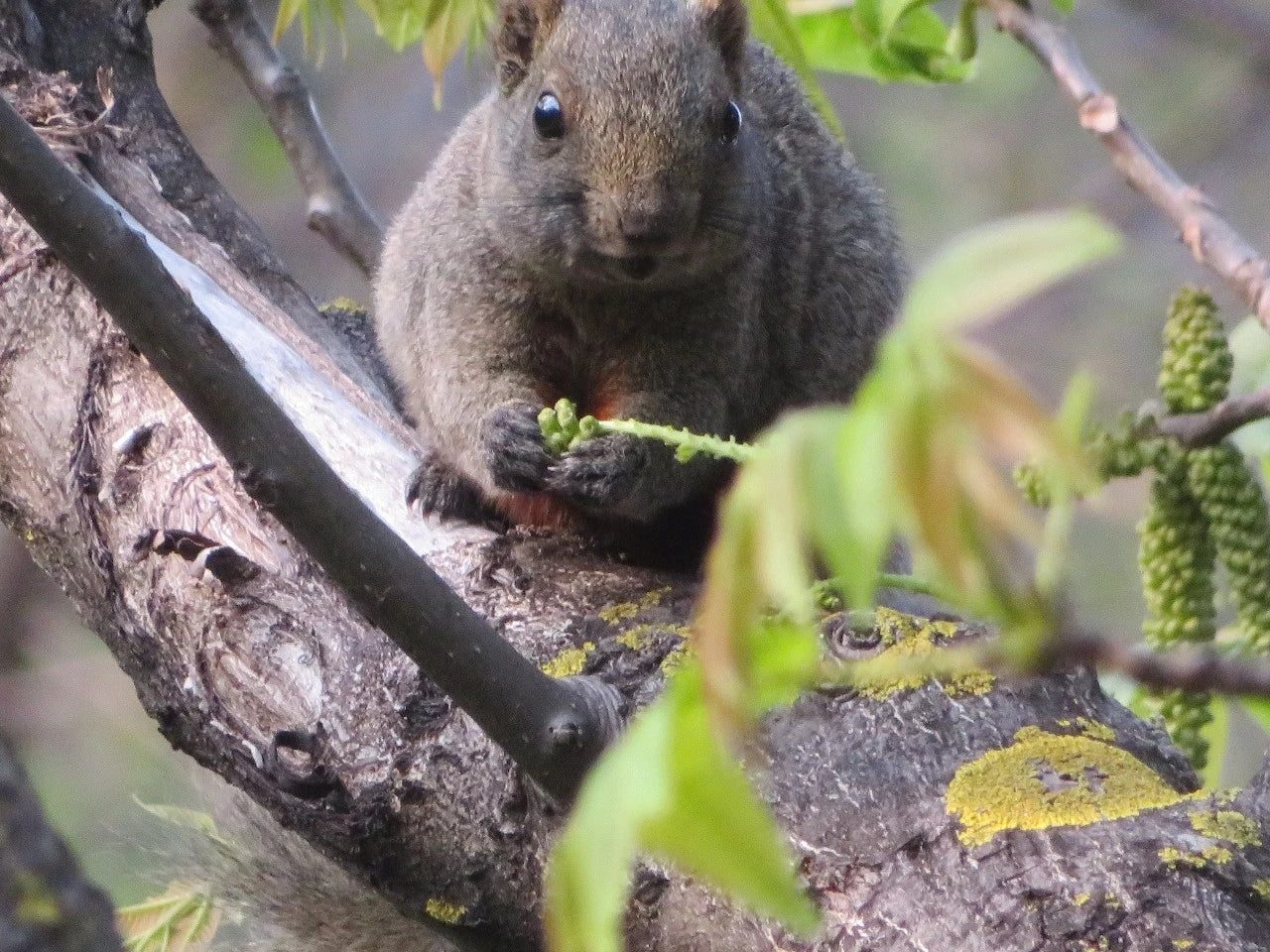
Last spring, I photographed a red-bellied squirrel eating walnuts in Taoxi Valley.
Of course, the little squirrels don't miss the walnut flowers either. I also photographed squirrels eating walnut flowers, but they seemed to only eat the tender buds, leaving the central rachis like gnawing a corn cob.
Cheng Chang had AI help me compose this photo into a vertical frame with the squirrel centered, which shocked me; I wondered how Teacher Chang did that! Later, that picture became my event poster, haha.
Xiao Jing said Xiao Qi has arrived. Everyone leaned on the railing and looked down. (To be continued)
Related reading: "Spring | Wild Greens Guide" by Xiao Jing
Photos
계속 읽기
3
Jason | Using AI to Create Your Own Mini Program/Website
Two months ago in Chiang Mai, I stumbled upon the chance to start learning how to build mini programs. My AI programming mentor, Wangshen, told me, 'Once you finish your mini program, write a summary report.' Now I've completed the new mini program for Cangshan Hiking Home, and it's already being tested. It not only solves problems I've wanted to address for a while, like adding age tags to filter activities and providing an English version, but it has also introduced new features, such as browsing restaurants, guesthouses, and meeting points on a map for a more intuitive experience, and using AI to provide quite intelligent responses.
Learn AI Programming Together
Some information about AI programming
Celebrate the Torch Festival in a Nanzhao Royal Clan Village
Over the past two years, we have taken guests to celebrate the Torch Festival in Songhe Village, Eryuan. Together we slaughtered a sheep, and with the whole village, erected a huge torch in the center of the village square. Everyone made their own torches from hemp stalks, and together with the older and younger villagers, we rushed to grab the blessing baba (cakes) from the big torch, passing blessings to each other with fire. Even for me, a native Bai person, these are rare and precious traditional festival experiences. Dali has endless festivals, and I want to experience them more before they fade away. I remember the Torch Festival of my childhood: torches were no longer enough for me. Before the festival, I would tell my dad to prepare a bucket of waste engine oil and diesel, mix them together, and then I would tightly bind cotton and old cloth with rope into a ball (some kids would secretly take cotton from their quilts at home to make it). Finally, I would make an iron wire ball, soak it in the bucket of oil, and secretly take it out every day to look at it, looking forward to having a great time on the day of the Torch Festival. We would compete in the village and by the rice fields to see whose fireball or torch was more impressive. When the torches and fireballs were almost burned out, we would rush home, walk around the potted fruit trees in circles, and say blessing words, hoping they would grow even better in the coming year.