Yizhao Highway
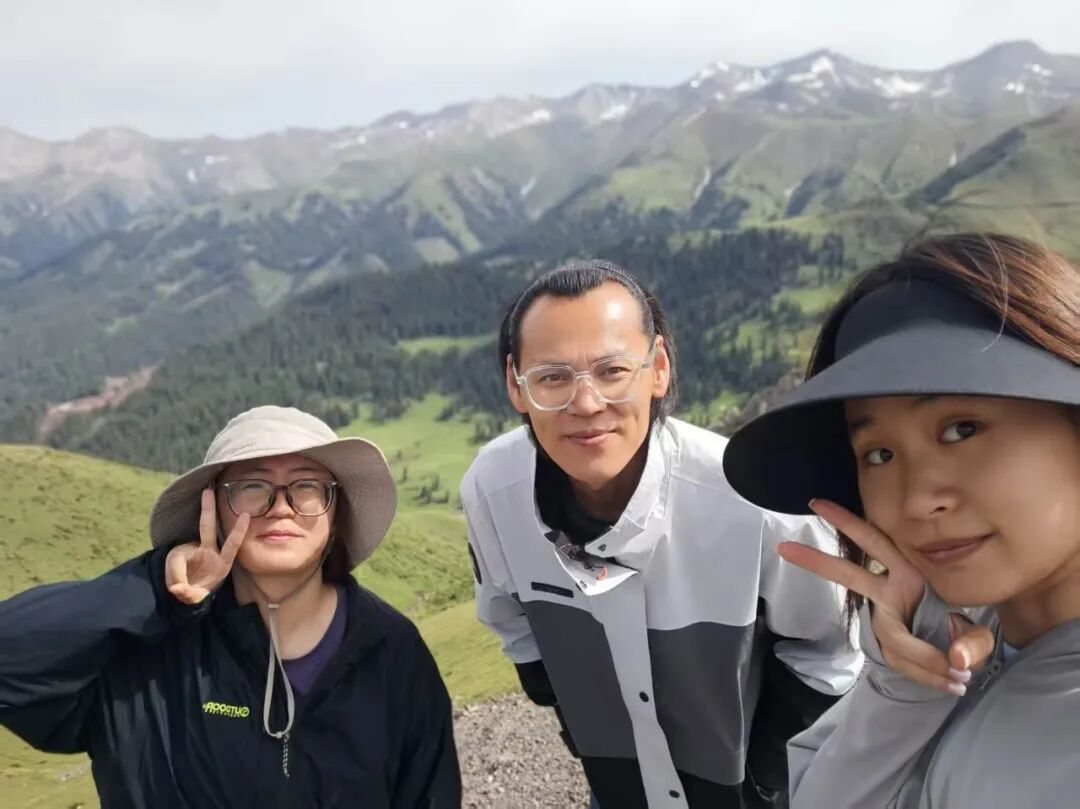
The Yizhao Highway is known as 'Little Duku' (open for only about 3 months each year). This Tianshan scenic road connects Yining to Zhaosu, stretching over 130 kilometers and crossing the Wusun Mountains at an altitude of over 3,100 meters. Along the way, it links snow-capped mountains, grasslands, canyons, forests, flower seas, and pastures together. In just over 130 kilometers, it traverses the Tianshan range, encapsulating the natural beauty of Ili. In my mind, it is one of Xinjiang's most beautiful highways. In the morning, departing from Yining.
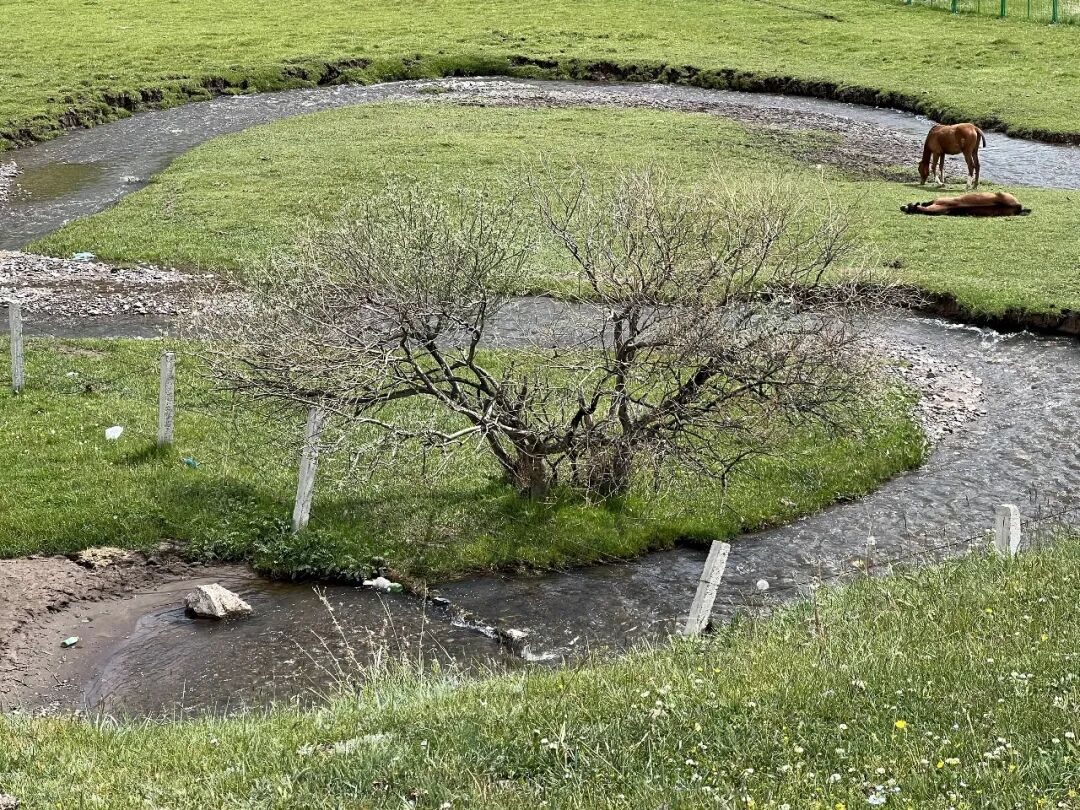
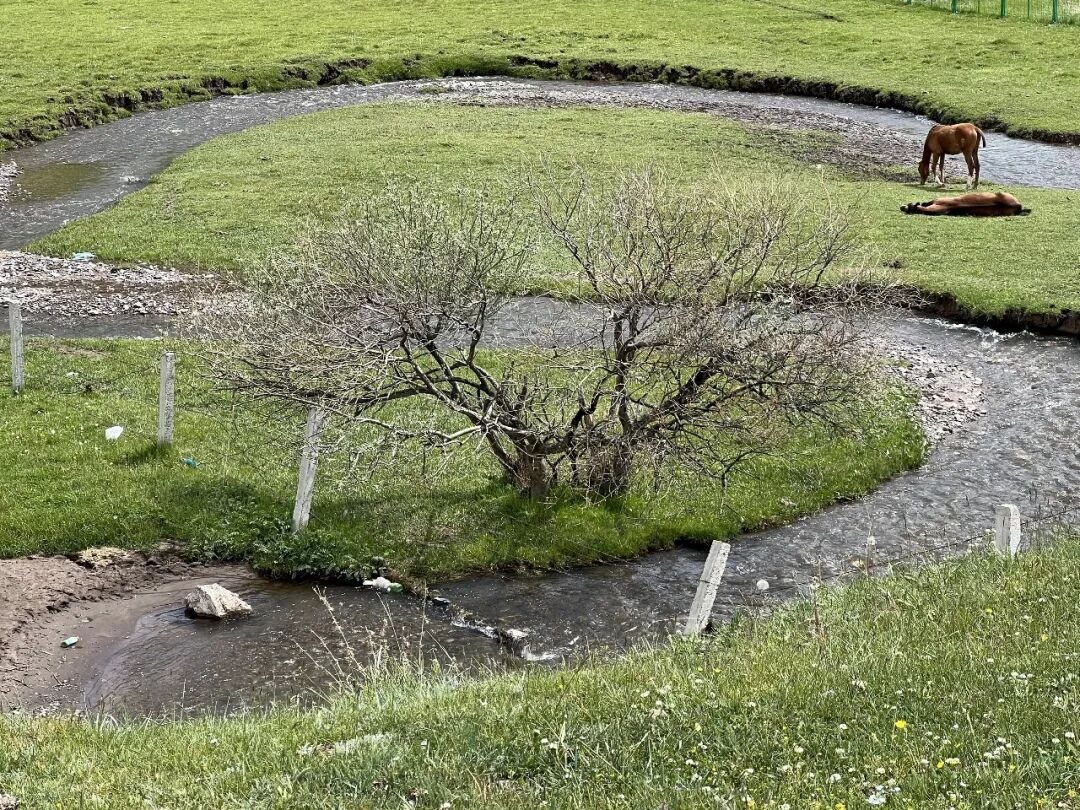
The Yizhao Highway is known as 'Little Duku' (open for only about 3 months each year). This Tianshan scenic road connects Yining to Zhaosu, stretching over 130 kilometers and crossing the Wusun Mountains at an altitude of over 3,100 meters. Along the way, it links snow-capped mountains, grasslands, canyons, forests, flower seas, and pastures together. In just over 130 kilometers, it traverses the Tianshan range, encapsulating the natural beauty of Ili. In my mind, it is one of Xinjiang's most beautiful highways.
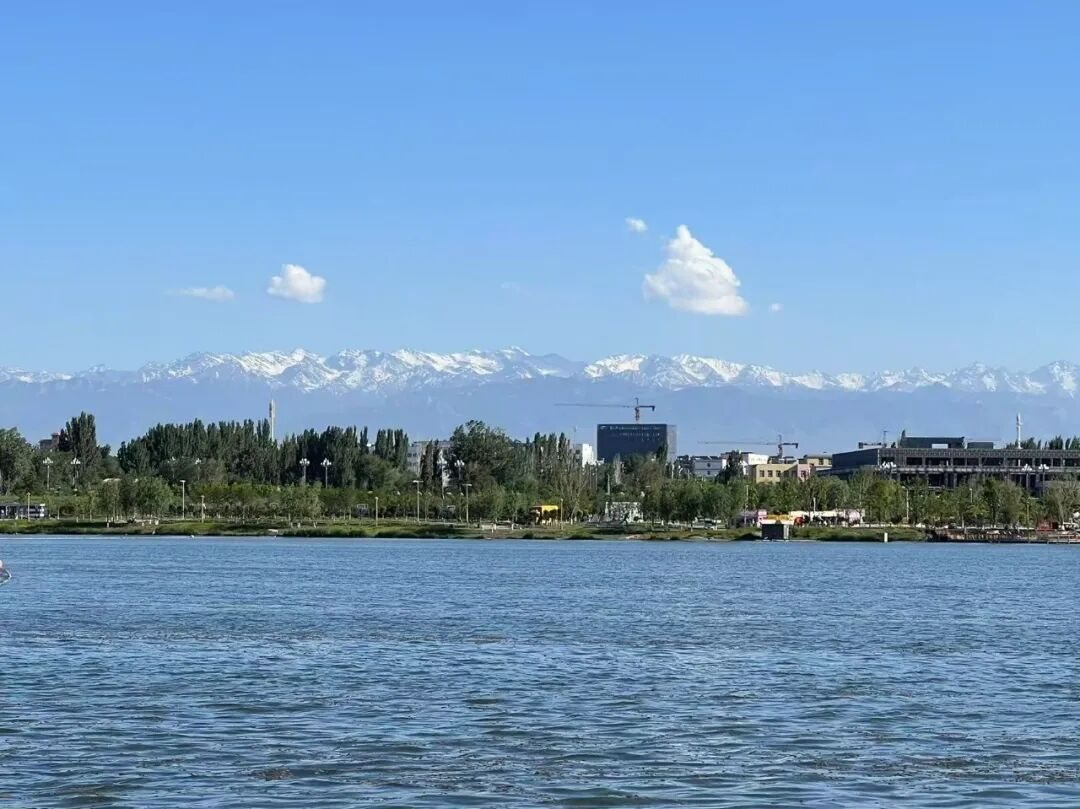
Departing from Yining in the morning and heading south, as we leave the city, the view gradually opens up, and the snow-capped peaks of the Tianshan Mountains appear right before your eyes.
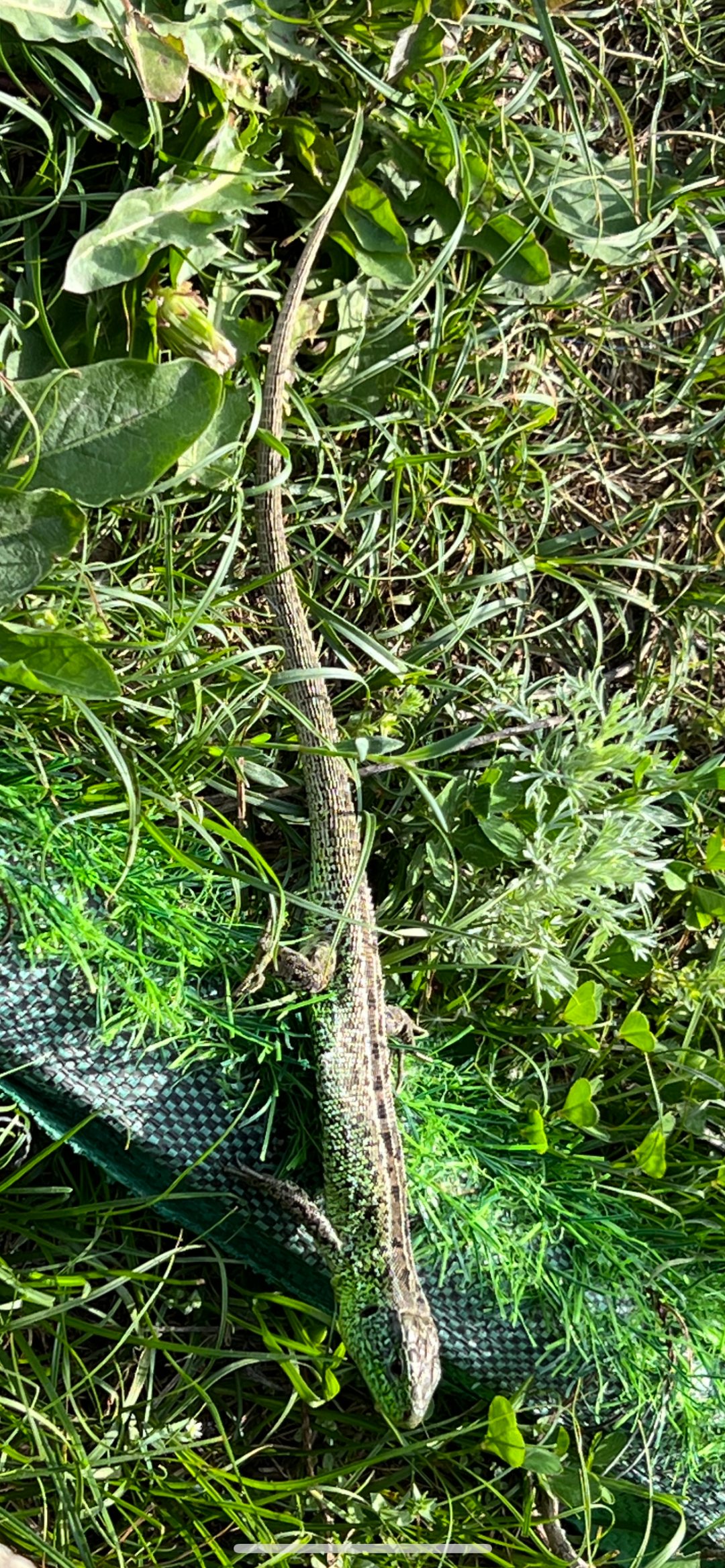
After passing through Qapqal, we stop at the Camel Post Station, where you can see the full view of White Stone Peak in the distance. There is a viewing platform here to look back at the road we came from. Fortunately, we spotted a chameleon here.
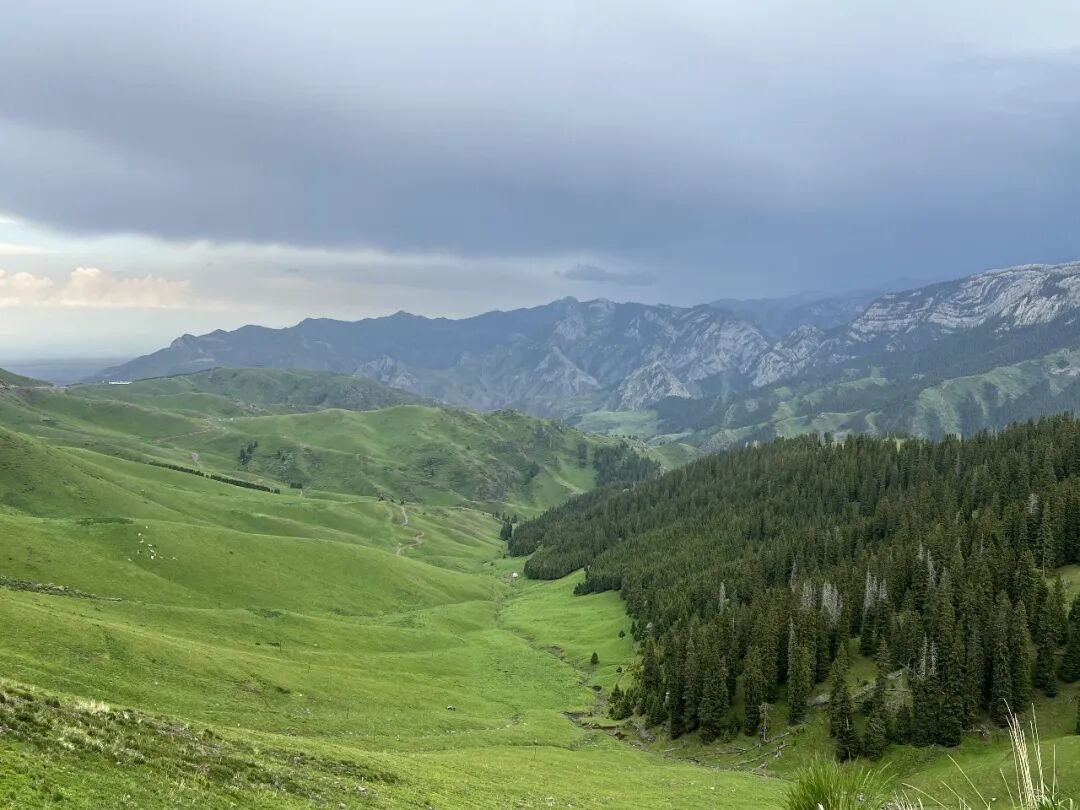
At the mountain pass viewing platform, you can see the Ili River Valley and the winding mountain road.
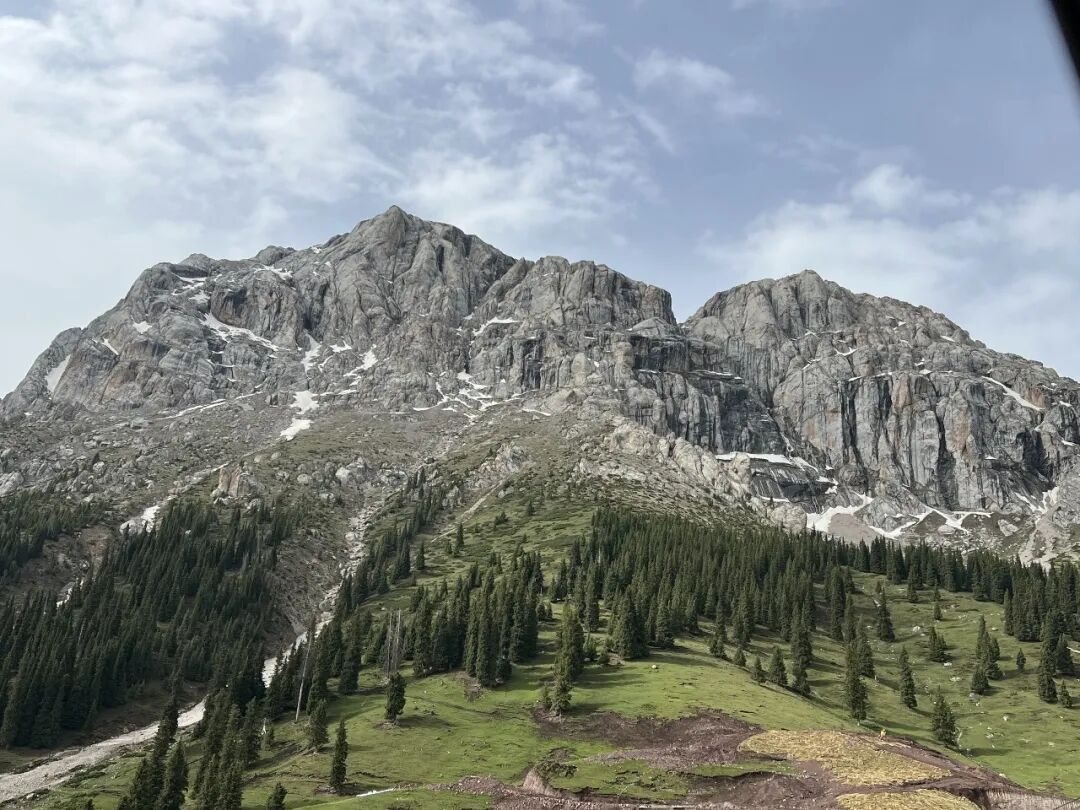
The White Stone Peak viewing platform allows you to see White Stone Peak up close.
Angelit Daban (Wusun Mountain Daban, elevation 3177). Here there are continuous switchbacks, with mountain wall on one side and a cliff on the other.
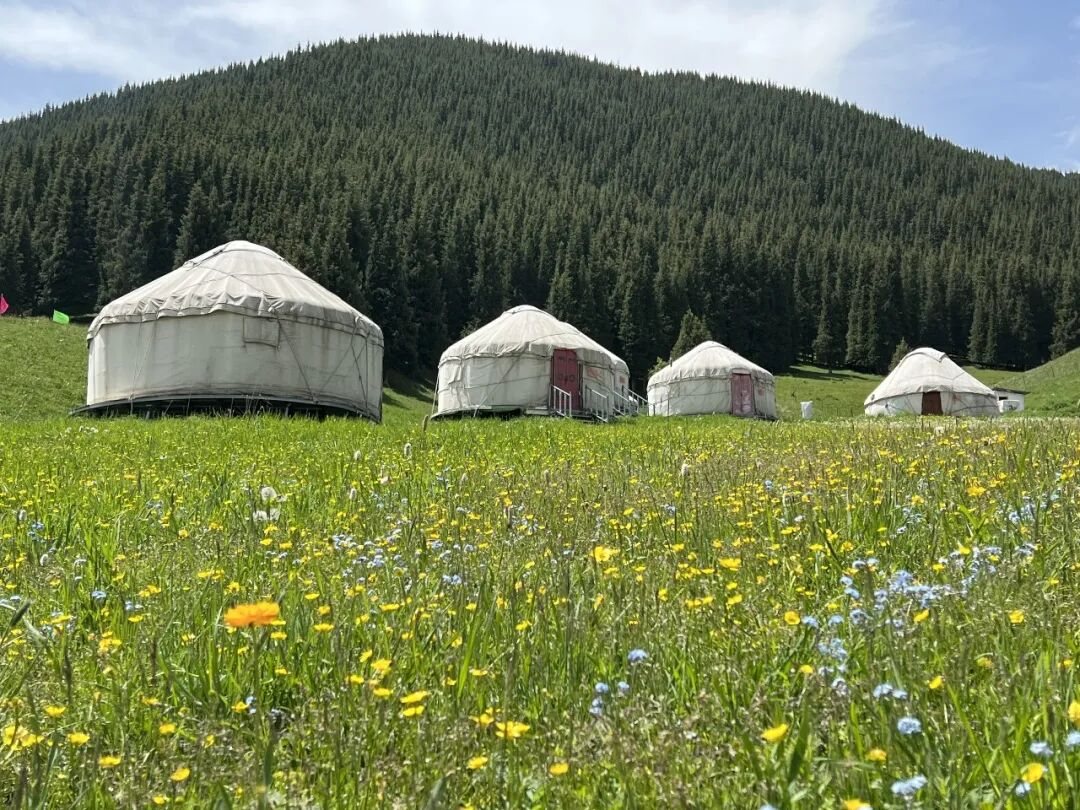
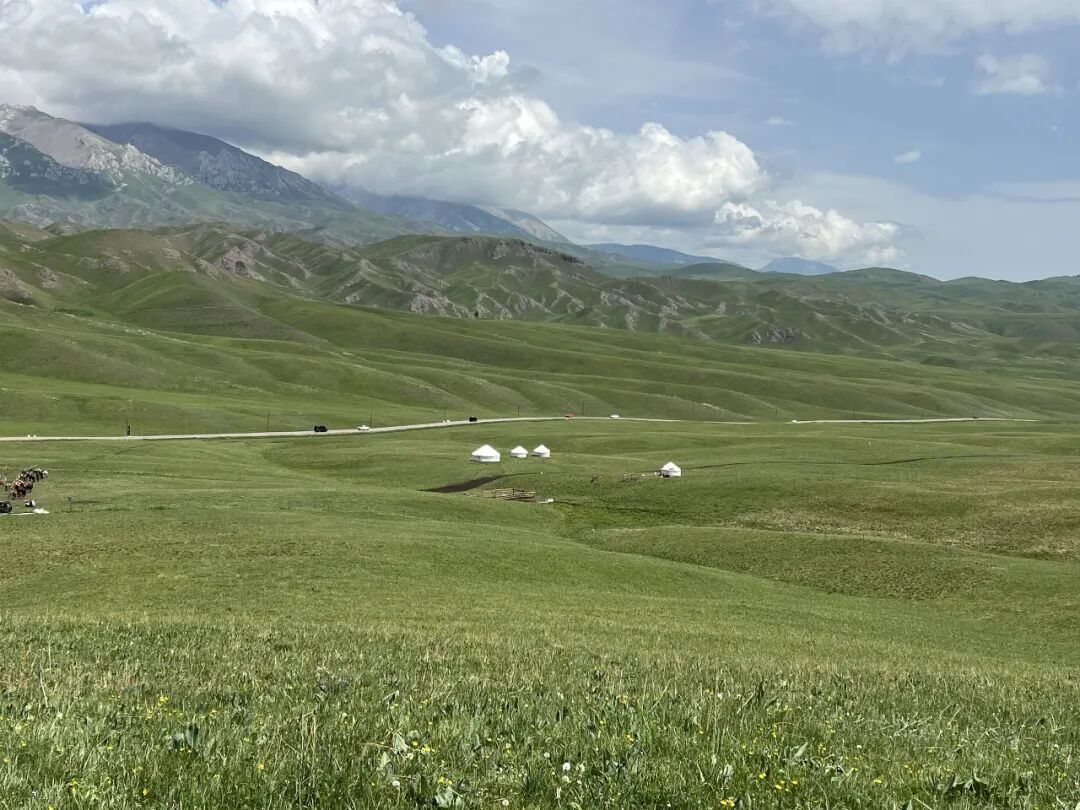
Maheqin Grassland (Qapqal Alpine Grassland). You can see open alpine meadows, yurts, and cattle, horses, and sheep grazing scattered across the mountains.
Wild Wolf Valley is said to have wild wolves. It features pristine mountain forests and grasslands, with a viewing platform to enjoy the untouched natural scenery.
Zhaosu County town.
The Yizhao Highway ends here. To avoid aesthetic fatigue from returning the same way, we take a different route back to Yining. Departing from Zhaosu on National Highway 577, we pass through Tekes County town, also known as the Bagua City (Eight Trigrams City).
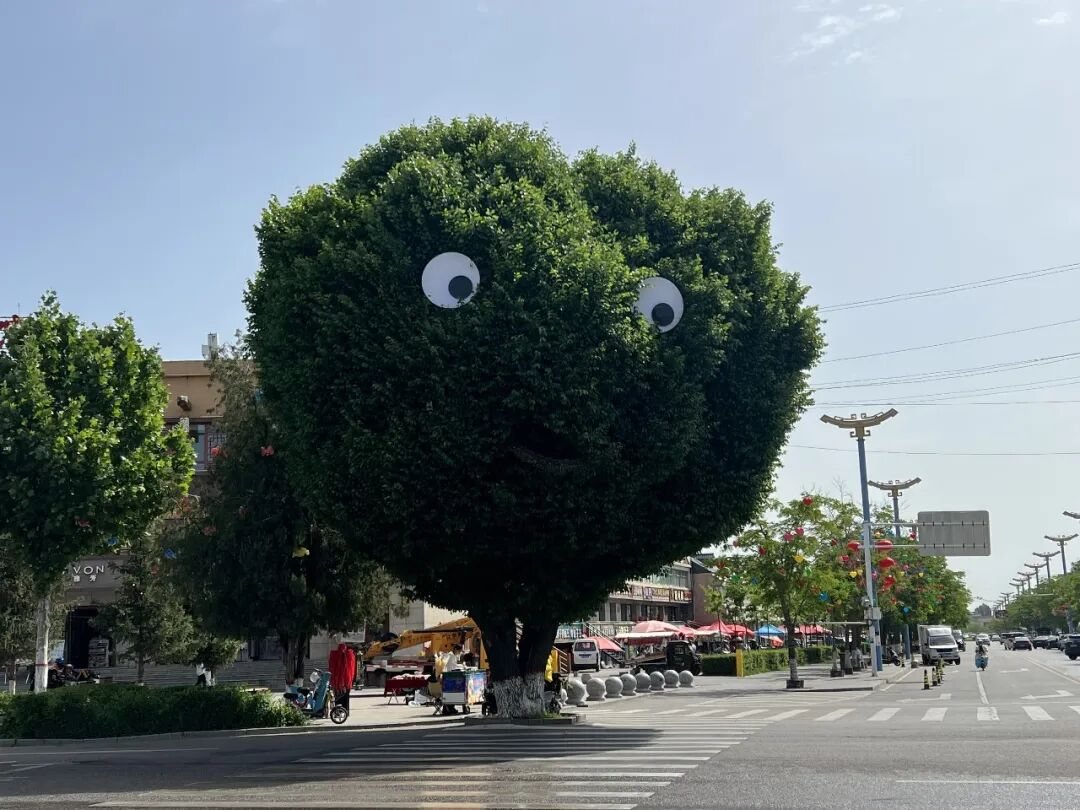
It is laid out according to the Later Heaven Bagua arrangement of the I Ching (Qian, Kan, Gen, Zhen, Xun, Li, Kun, Dui). Eight main streets radiate outward from the central Taiji altar, and four ring roads form the 64 hexagrams. It is the only city in the country's main urban area without traffic lights. There is an internet-famous tree in the city center.
Photos

계속 읽기
3
Jason | Using AI to Create Your Own Mini Program/Website
Two months ago in Chiang Mai, I stumbled upon the chance to start learning how to build mini programs. My AI programming mentor, Wangshen, told me, 'Once you finish your mini program, write a summary report.' Now I've completed the new mini program for Cangshan Hiking Home, and it's already being tested. It not only solves problems I've wanted to address for a while, like adding age tags to filter activities and providing an English version, but it has also introduced new features, such as browsing restaurants, guesthouses, and meeting points on a map for a more intuitive experience, and using AI to provide quite intelligent responses.
Learn AI Programming Together
Some information about AI programming
Celebrate the Torch Festival in a Nanzhao Royal Clan Village
Over the past two years, we have taken guests to celebrate the Torch Festival in Songhe Village, Eryuan. Together we slaughtered a sheep, and with the whole village, erected a huge torch in the center of the village square. Everyone made their own torches from hemp stalks, and together with the older and younger villagers, we rushed to grab the blessing baba (cakes) from the big torch, passing blessings to each other with fire. Even for me, a native Bai person, these are rare and precious traditional festival experiences. Dali has endless festivals, and I want to experience them more before they fade away. I remember the Torch Festival of my childhood: torches were no longer enough for me. Before the festival, I would tell my dad to prepare a bucket of waste engine oil and diesel, mix them together, and then I would tightly bind cotton and old cloth with rope into a ball (some kids would secretly take cotton from their quilts at home to make it). Finally, I would make an iron wire ball, soak it in the bucket of oil, and secretly take it out every day to look at it, looking forward to having a great time on the day of the Torch Festival. We would compete in the village and by the rice fields to see whose fireball or torch was more impressive. When the torches and fireballs were almost burned out, we would rush home, walk around the potted fruit trees in circles, and say blessing words, hoping they would grow even better in the coming year.