Give Rise to the Mind Without Dwelling Anywhere
In 2012 and 2014, I attempted to survive in Yunnan but failed both times, leaving eventually because of financial constraints. This year is different—when Phoebe officially invited me to be her assistant for her nature journal hiking trips, I was truly happy. I was no longer just a traveler passing through Dali, because I finally had a connection here at the level of making a living. When I arrived at Xishu Bookstore and saw someone had written “Give rise to the mind without dwelling anywhere,” I decided to use that as the title. Phoebe’s mini nature journal hiking activity involves taking children to catch insects in the mountains. Phoebe is also a translator of English and Japanese books; she gave us her translation of Midnight Diner and gave Shusha a Japanese picture book she had translated.
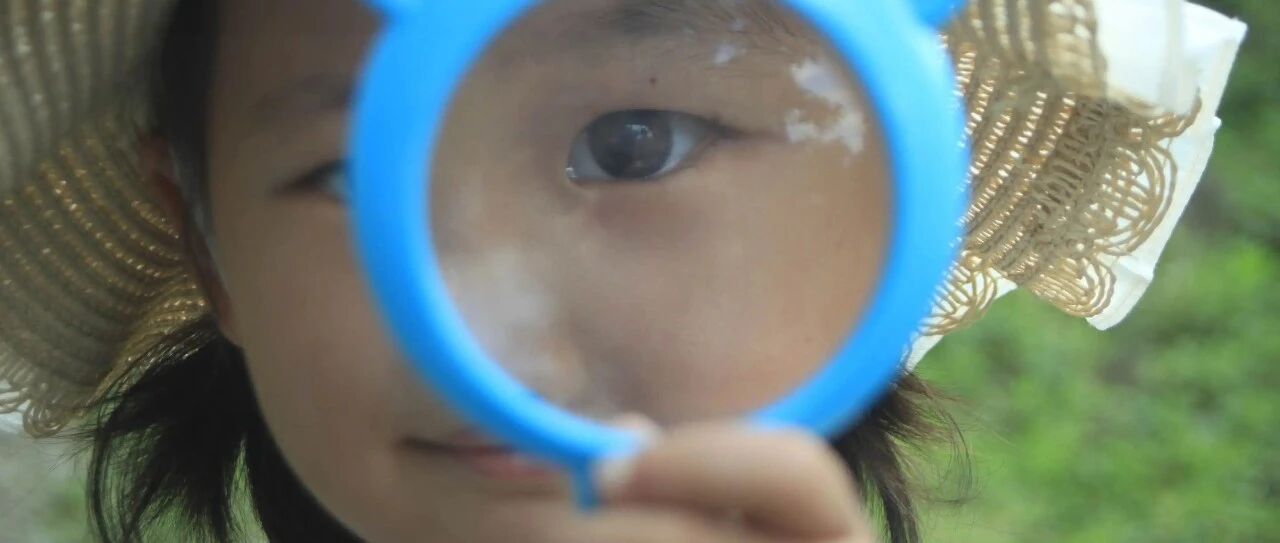
In 2012 and 2014, I attempted to survive in Yunnan but failed both times, leaving eventually because of financial constraints. This year is different—when Phoebe officially invited me to be her assistant for her nature journal hiking trips, I was truly happy. I was no longer just a traveler passing through Dali, because I finally had a connection here at the level of making a living. When I arrived at Xishu Bookstore and saw someone had written “Give rise to the mind without dwelling anywhere,” I decided to use that as the title.
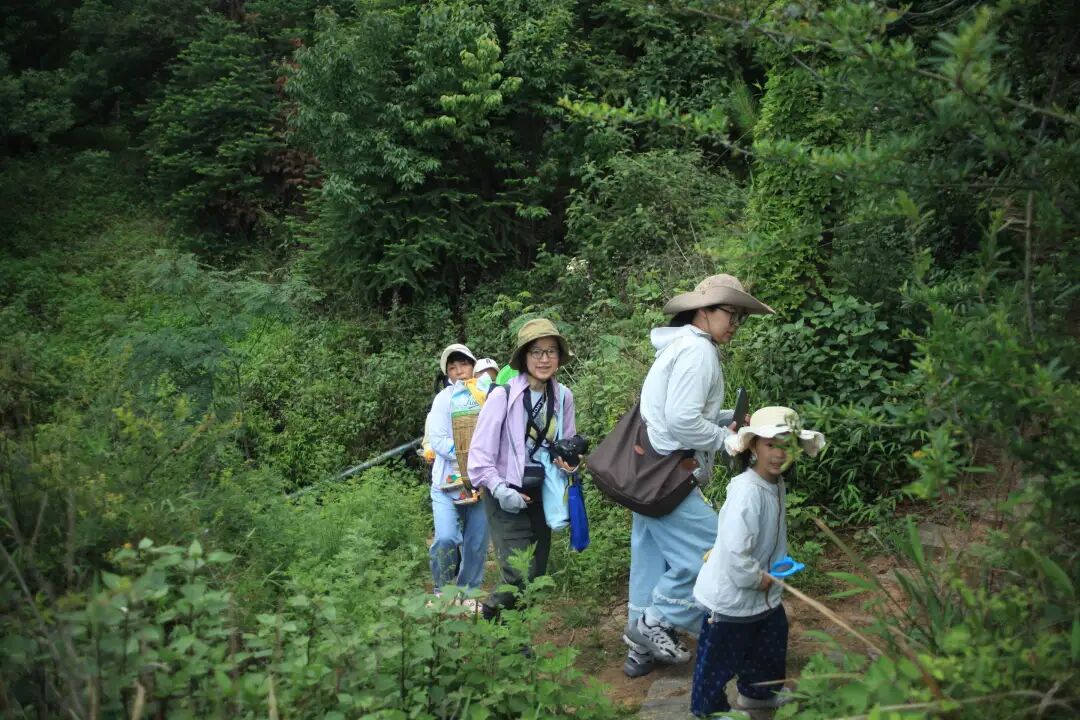
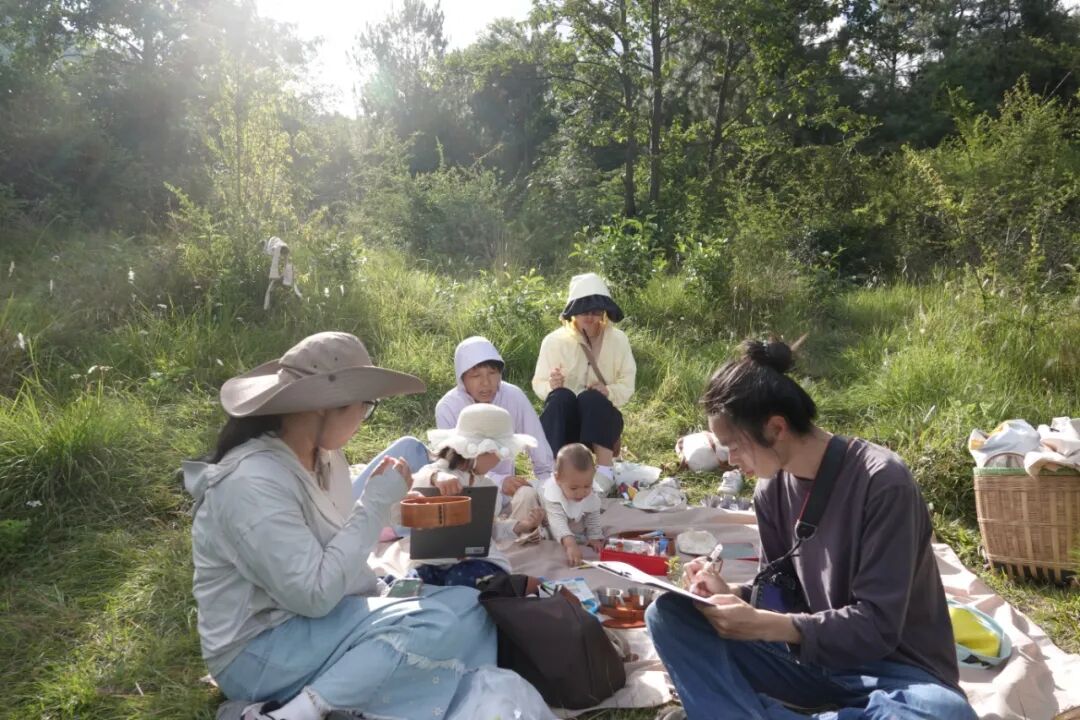
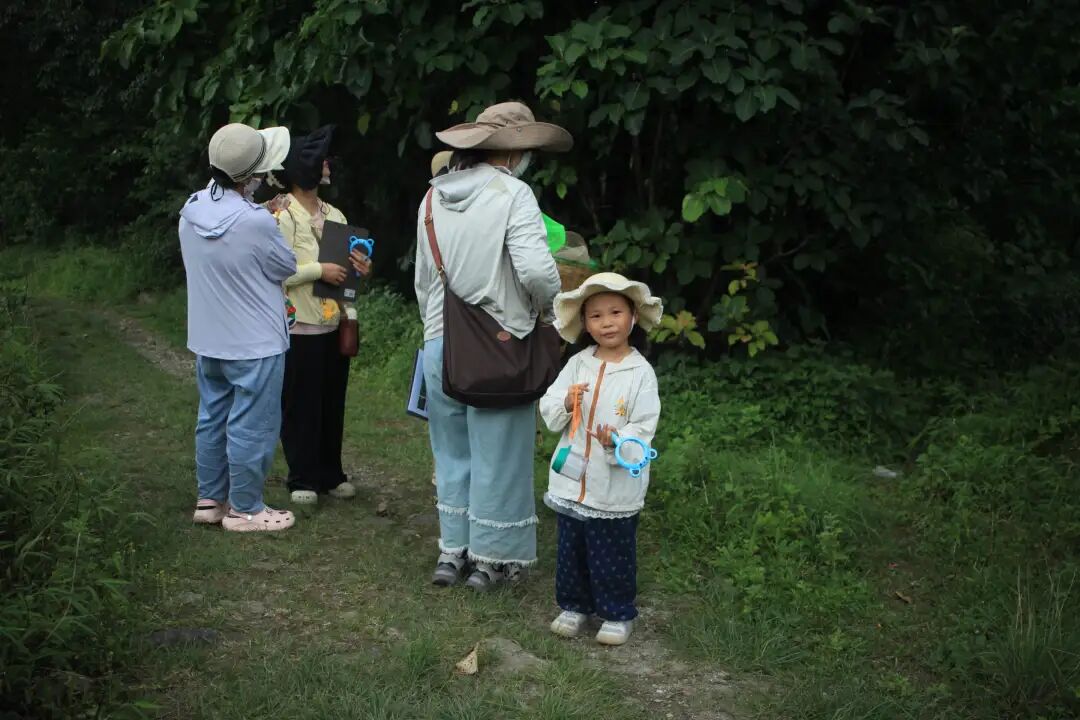
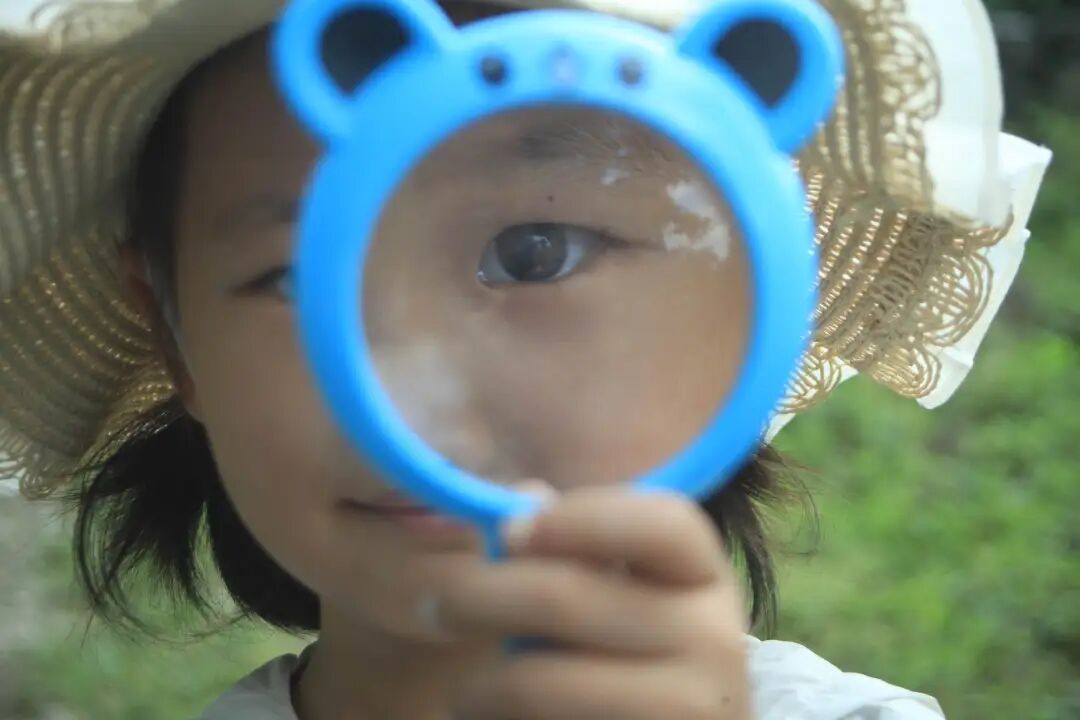
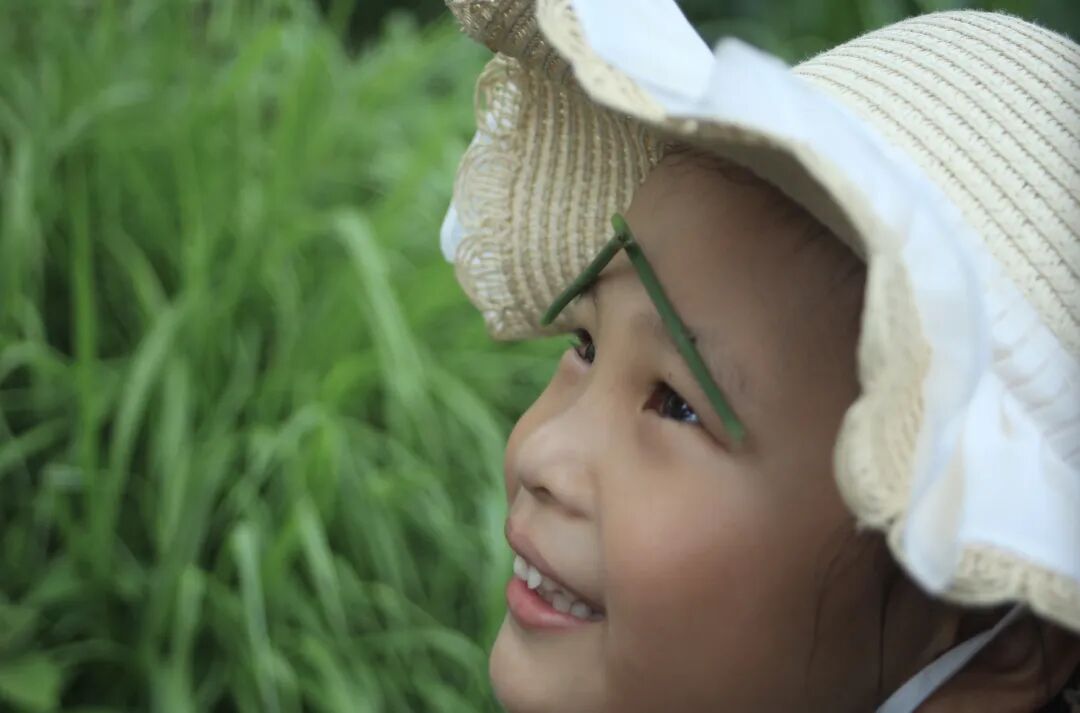
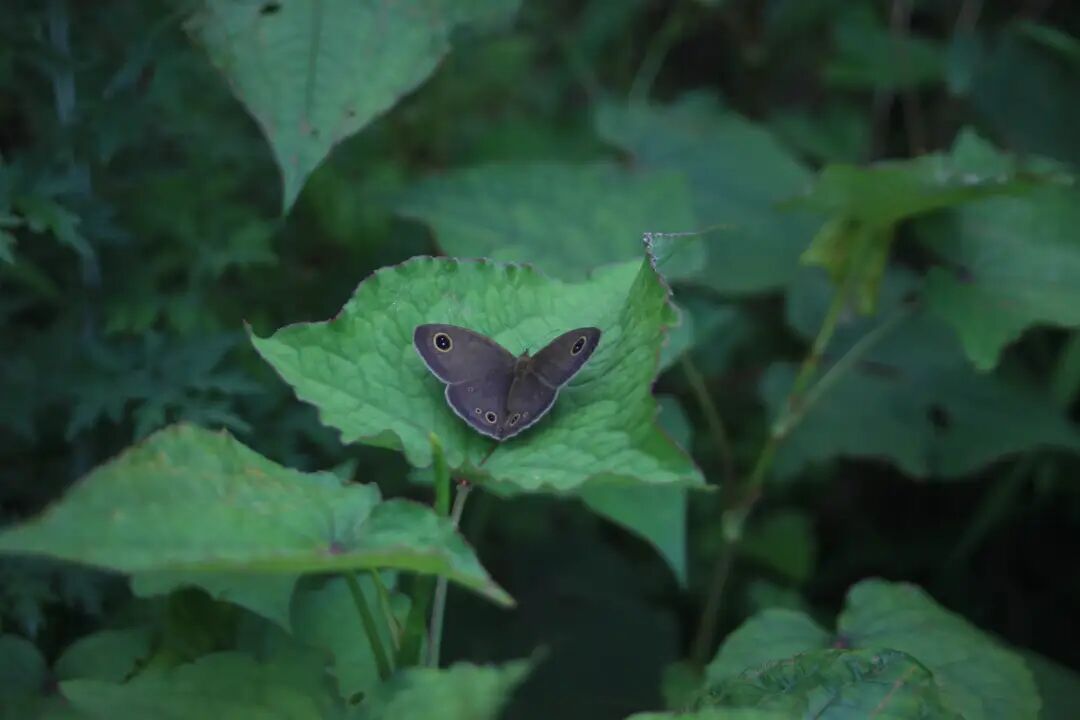
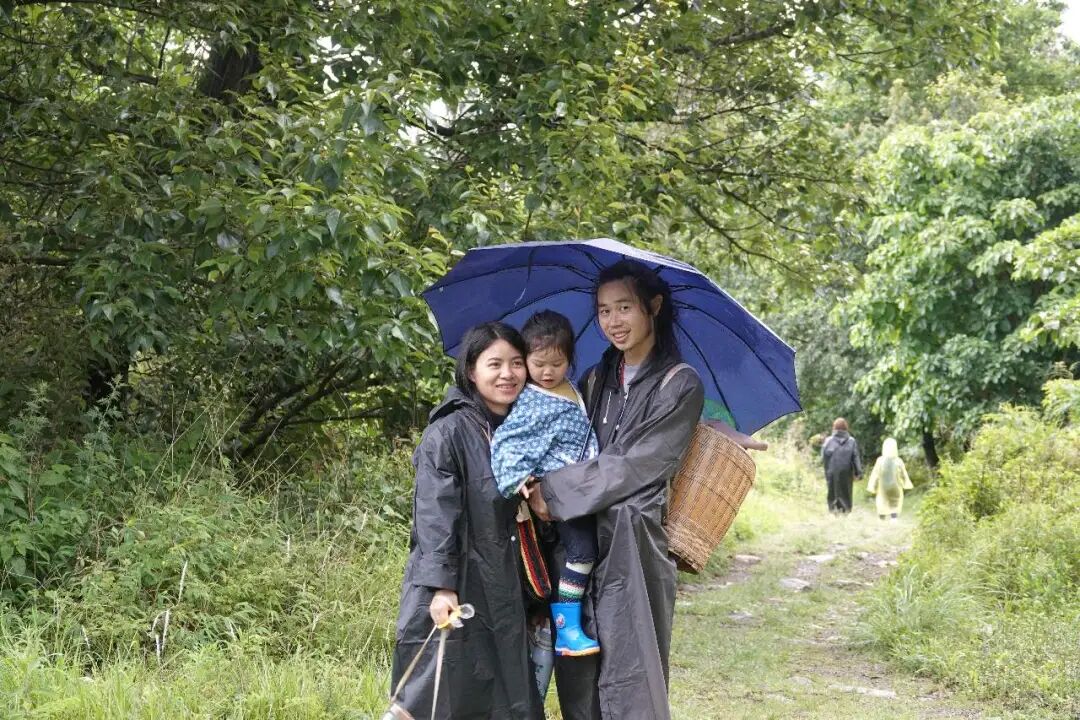
Phoebe’s mini nature journal hiking activity is to take children to catch insects in the mountains. Phoebe is also a translator of English and Japanese books; she gave us her translation of Midnight Diner and gave Shusha a Japanese picture book she had translated. In 2022, when Shusha was five months old, I took her to climb Cangshan Mountain. This is now the second time I have brought her up Cangshan; she has turned three. Phoebe prepared raincoats and insect-catching clips for us. Catching insects was easy for us, but Phoebe dared to catch a stink bug—a giant shield bug—with her bare hands. I truly admire that. Through Phoebe, I felt her passion for her profession. She made me think of Nini, who is in Hangzhou. We used to read poetry in the mountain forests of Weixi, Yunnan. In this small world, people become gentle. Go into nature, it has everything.
6.3
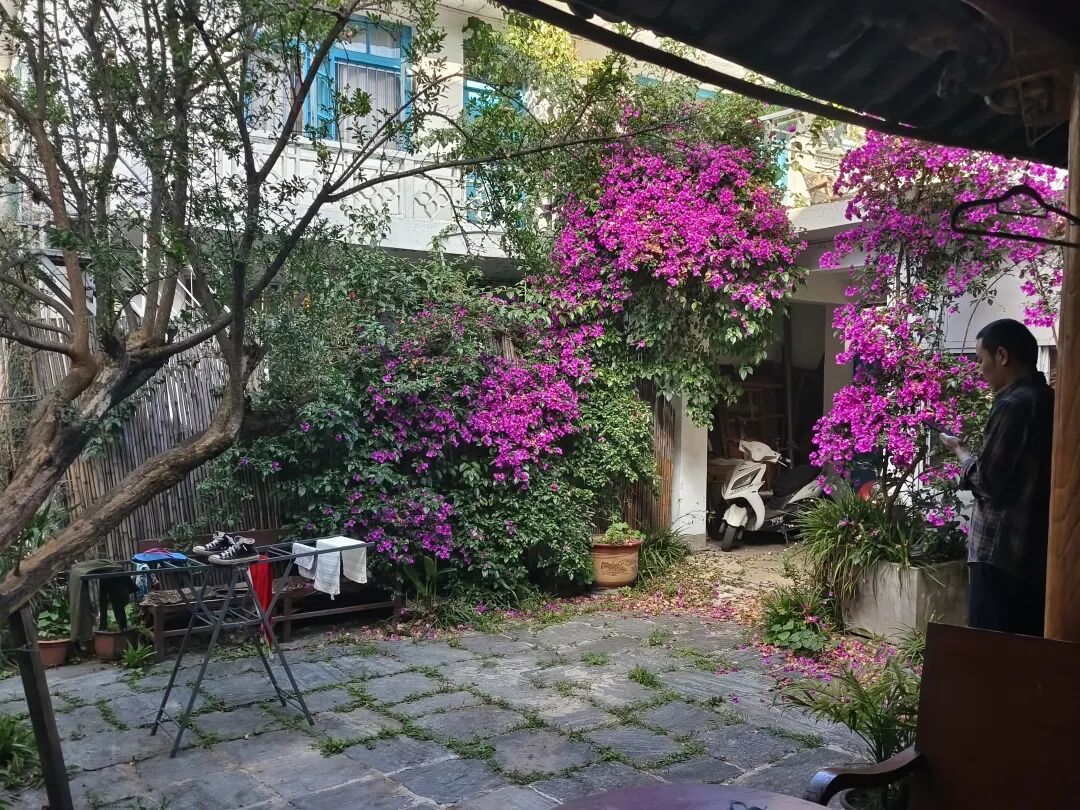
The other day, I suddenly received a message from Teacher Tandin inviting us to her home. It was an unexpected surprise. In the afternoon, we found the blue gate Teacher Tandin had mentioned. After entering, there was a bougainvillea and an old pomegranate tree. The old house on the left was a hundred years old. As soon as we stepped inside, we were separated from the outside world, and our bodies relaxed. Yangqiao said that before, she always hoped for a good teacher to guide us, but then she thought that good friends are more real, because in the end, we must walk our own path and experience all feelings ourselves, and then find our own direction. Teacher Tandin is going to Xiamen next, then on to Turkey to prepare for her Black Sea sound project.
6.6
Yesterday I led another hiking group. We stopped on the stone-paved road at the foot of Cangshan Mountain to get organized and ready to depart. Next to the stone road was an old house. Every time I passed by, I would see these old residences and wonder who lived inside. This time, I suddenly saw a young woman. I noticed a tree tomato in her yard, which reminded me of Wanfenglin, so I wanted to take a photo. I asked the young woman if I could go into her courtyard to take a picture of the tree tomato. She said yes. She went out to meet her friend. When I saw her friend approaching, I asked again, “Is it convenient for me to come in now?” At that moment, her female friend said, “It’s not appropriate to run into someone’s yard! This is a private residence, not a tourist attraction.” I said nothing more, but I heard the young woman mumble, “These tourists nowadays…” This made me a bit sad because I had once thought that a place might become restless due to too many tourists, and now I had become part of that restlessness. While I was thinking about these things, Phoebe’s hiking group arrived—two families, with a one-and-a-half-year-old boy and a four-and-a-half-year-old girl. When I saw them, I thought, “Now it’s time to focus on work,” and I no longer had the mood for melancholy.
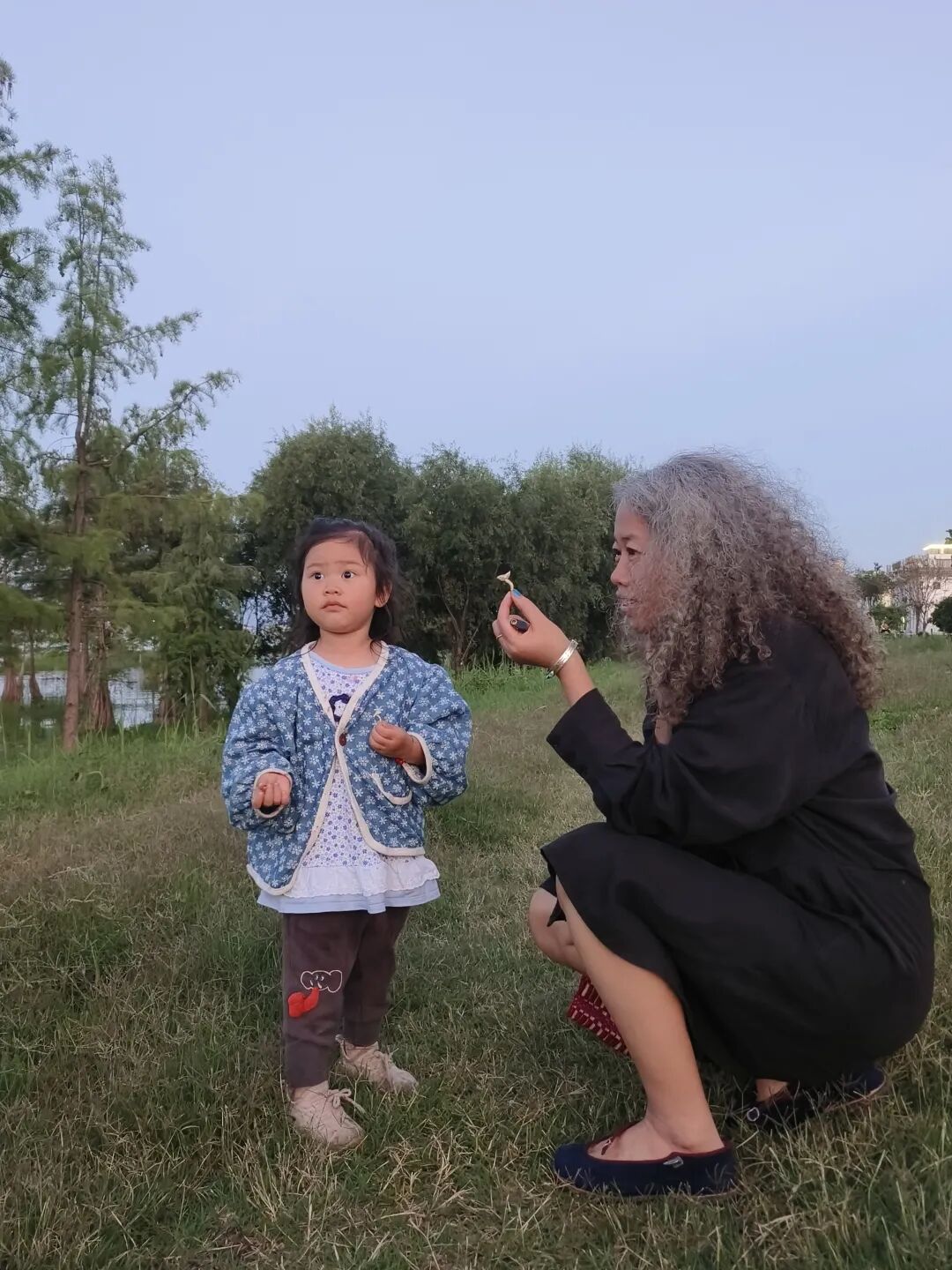
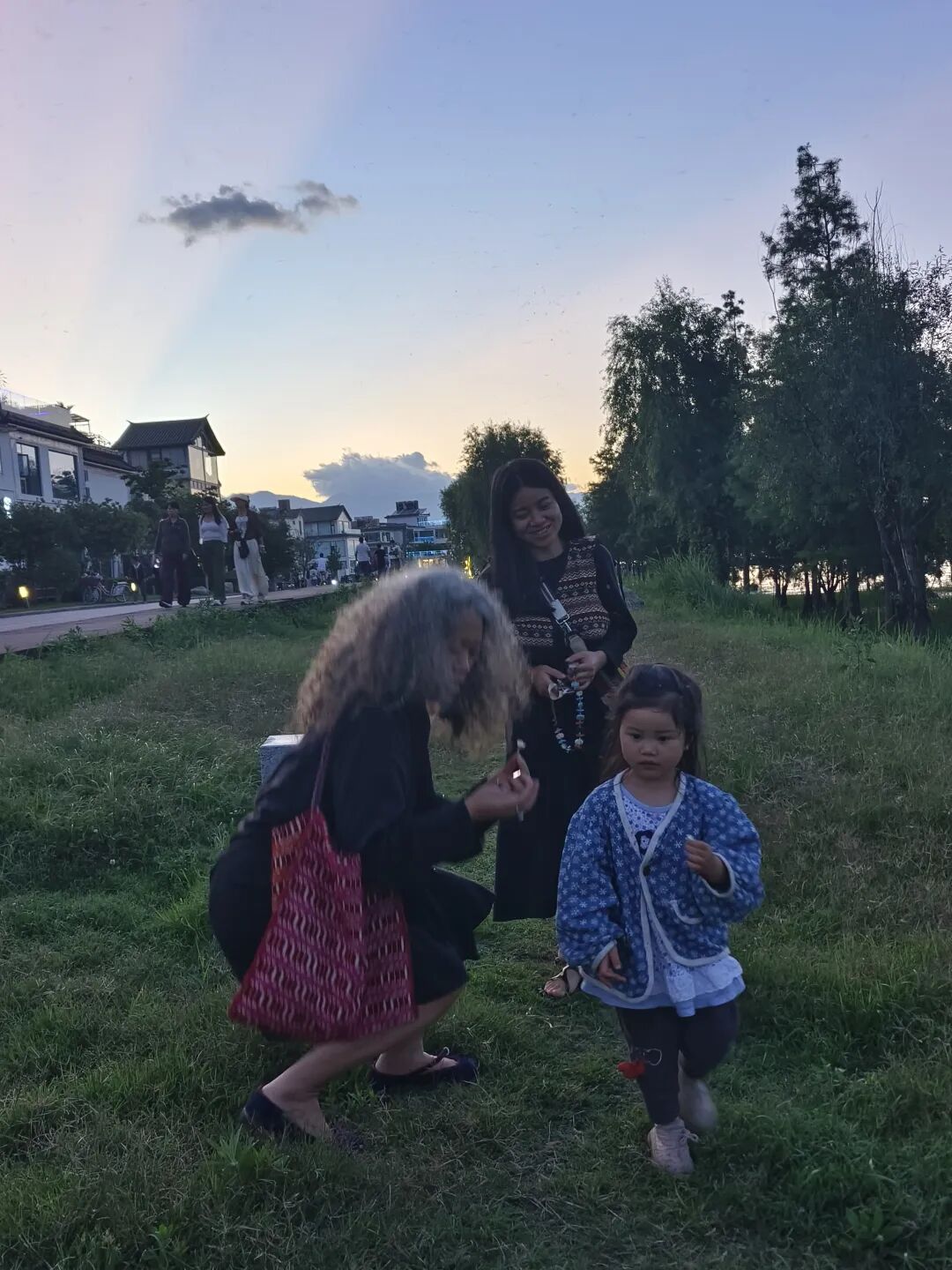
By the next morning, Shusha got up early and was about to cry. I wanted to take her out for a walk because today, June 9th, is Shusha’s solar calendar birthday. I went to the Sanwenbi Village market. It was called a market, but there were actually only two stalls: one selling vegetables, run by an old man and an old woman, whose faces did not look very kind, and another selling meat. Occasionally, other vendors would come and go intermittently. Today, for some reason, a beautiful bunch of fresh flowers was placed in front of the vegetable stall. I took two photos with my camera. At that, the old woman said, “No photos! These are for sale. You take photos but don’t buy? Not allowed!” I said, “Then I’ll delete the photos, okay?” She mumbled something or other in complaint. I thought, since it’s Shusha’s birthday, buying them for her would be nice. So I asked how much. The old woman said, “Originally fifteen yuan, but I’ll sell it to you for twelve.” I took the flowers, smelled them—they were quite fragrant—but I felt a sense of sadness. At the corner, I saw a young couple: the man had long hair, was slim, with clear eyes, holding a guitar; the woman stood quietly beside him, as if waiting for a friend or a car. They looked at me, perhaps attracted by my flowers or by the overall sight of me holding Shusha’s hand—a long-haired man with a cute kid does draw many glances. He looked at me as if he knew me and wanted to say something, but then suddenly lowered his head. That look reminded me of the time I met Wang Junli at Mushroom Bookstore in Xiamen years ago. Wang Junli used to sell books with Lao Mo on Renmin Road in Dali and at Xishu Bookstore. But Wang Junli spent all the money he earned on buying books. Later, when physical bookstores declined, he left Dali in desolation. As I walked forward, I thought about Dali’s changes. The young couple at that moment made me feel Dali’s soon-to-be-lost beauty. This beauty is like the glow of a setting sun. And after that glow, the bright white lights in restaurants will turn on one by one, dazzling everyone’s eyes.
6.8–6.9
Today I wanted to take Shusha to the Three Pagodas Reflection Park. When I passed by Xishu to return the umbrella, I went by a Thangka experience center. At the entrance was a sign saying “Butter tea 5 yuan.” I was curious because the price seemed quite affordable, so I went in. But when I went to pay, it turned out to be 15 yuan. The owner said he was sorry—maybe the rain had washed away the “1” from the sign. I thought about it and accepted it, because at five yuan the owner would be at a loss, but still, I felt a bit uncomfortable. On the road, I planned to give this butter tea to Yangqiao. Yangqiao said, “Why did you get a hot milk tea in the middle of summer? It’s so hot, how can you drink it?” I felt uncomfortable again. When Shusha took a sip and burned his mouth, I took him to find a small shop to buy a bottle of cold water, but the entire street had no bottled water for sale. Shusha kept asking, “Where is Mama?” as we walked. I rested with him by the roadside, then got up and headed back. I thought to myself, maybe this cup of milk tea ruined everyone’s mood, so I set it down by the roadside. After all, a cup of milk tea that made everyone uncomfortable was the culprit. With this thought, after taking a dozen steps, Shusha asked me, “Daddy, where is the milk tea?” I said I had thrown it away. Shusha said, “It tasted so good, why did you throw it away?” So I went back and picked up the butter tea. Then I poured some butter tea into the lid and fed it to Shusha little by little. At that moment, someone across the street called out to us. I followed the sound and saw a monk squatting, holding a few leaves and smelling them. I asked him what he was smelling. He said it was mint. Then he asked, “Have you eaten?” I was going to say no, but I said yes, because a man with a crying child might elicit sympathy, but lying felt bad. He then asked where I was from. I said Fujian. He said, “Compared to here, is it hotter there? Is it a bit better here?” I said, “Much better.” Strangely, after saying that, my mood improved. Dali still has many quiet corners waiting to be discovered. Watching the monk’s slightly limping figure as he walked away, I felt warmth.
6.16 Sanwenbi Village, Dali
P.S. I received a good review from leading a hiking group. Thank you for your recognition!
Photos
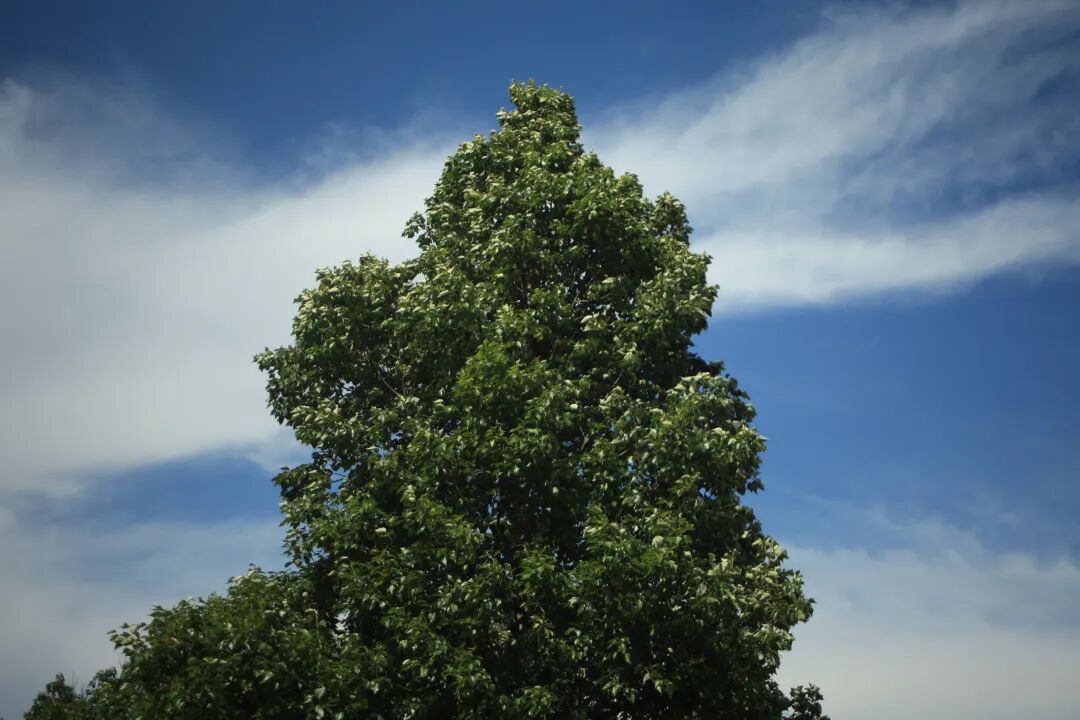
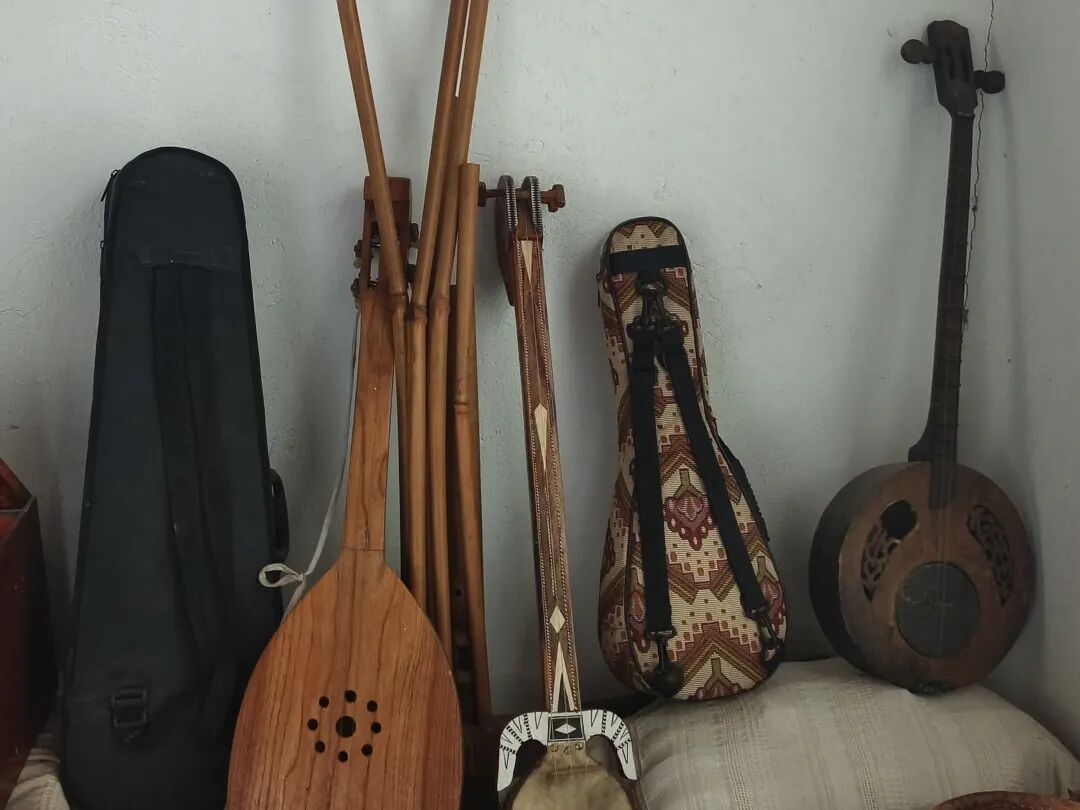
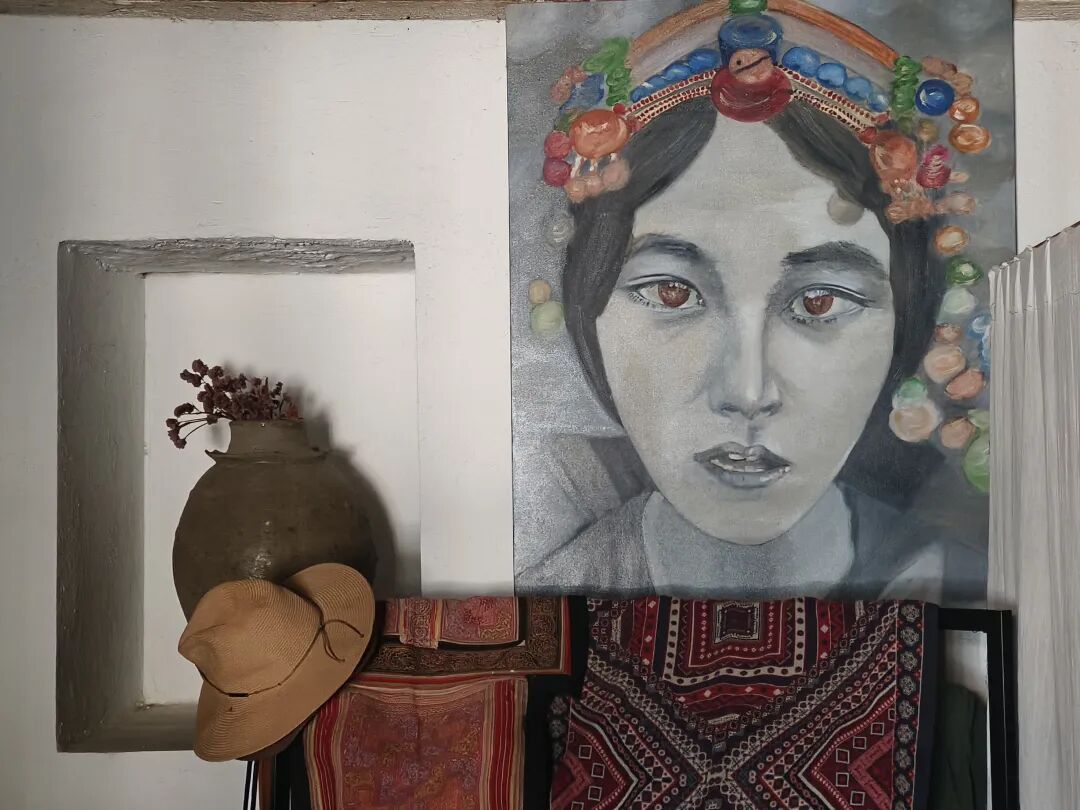
Keep reading
3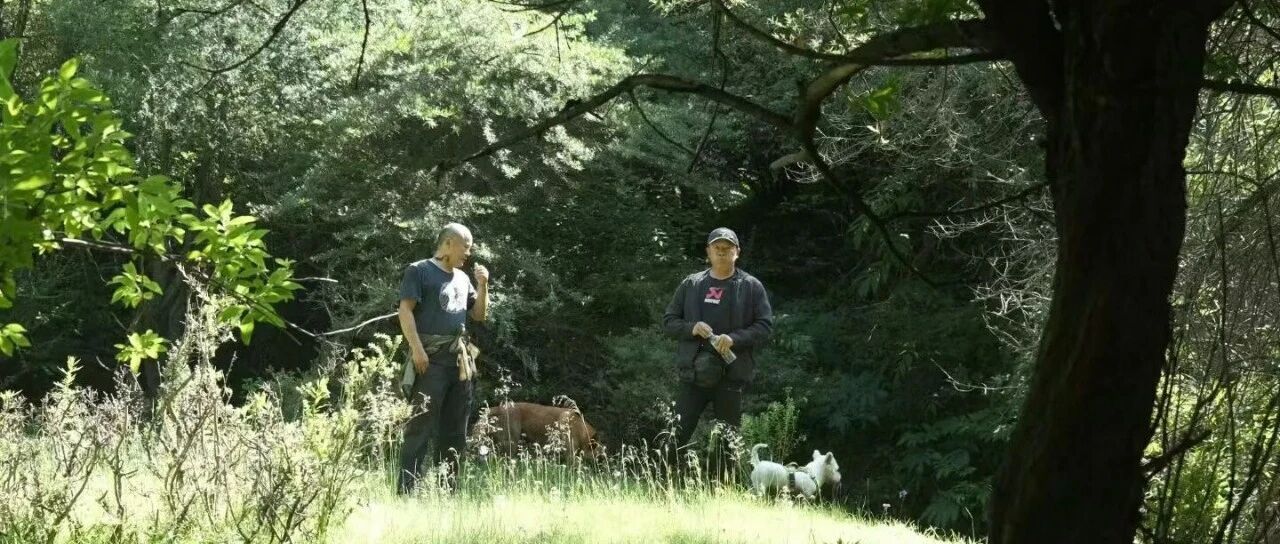
Jason | Using AI to Create Your Own Mini Program/Website
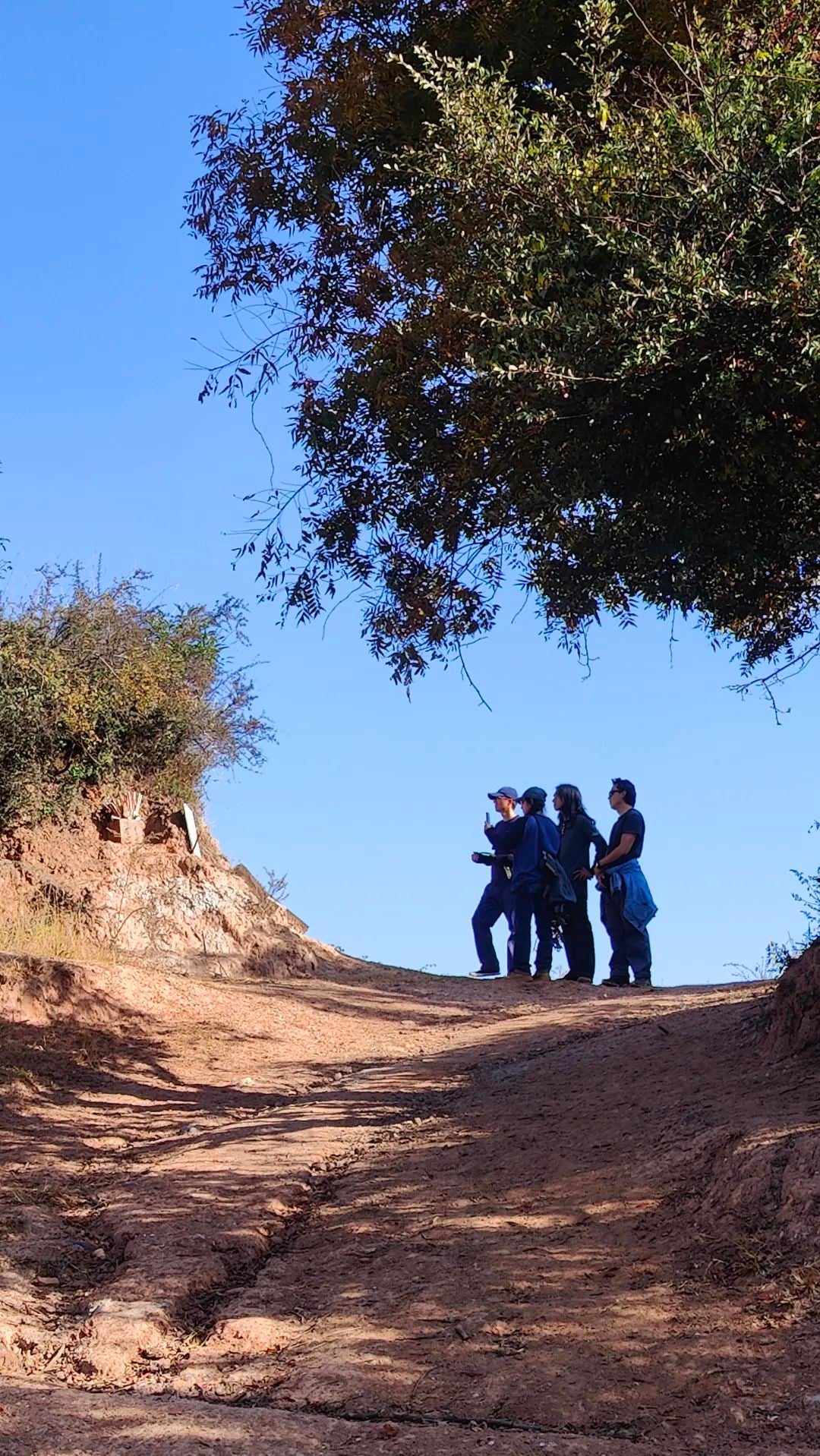
Two months ago in Chiang Mai, I stumbled upon the chance to start learning how to build mini programs. My AI programming mentor, Wangshen, told me, 'Once you finish your mini program, write a summary report.' Now I've completed the new mini program for Cangshan Hiking Home, and it's already being tested. It not only solves problems I've wanted to address for a while, like adding age tags to filter activities and providing an English version, but it has also introduced new features, such as browsing restaurants, guesthouses, and meeting points on a map for a more intuitive experience, and using AI to provide quite intelligent responses.
Learn AI Programming Together
Some information about AI programming
Celebrate the Torch Festival in a Nanzhao Royal Clan Village
Over the past two years, we have taken guests to celebrate the Torch Festival in Songhe Village, Eryuan. Together we slaughtered a sheep, and with the whole village, erected a huge torch in the center of the village square. Everyone made their own torches from hemp stalks, and together with the older and younger villagers, we rushed to grab the blessing baba (cakes) from the big torch, passing blessings to each other with fire. Even for me, a native Bai person, these are rare and precious traditional festival experiences. Dali has endless festivals, and I want to experience them more before they fade away. I remember the Torch Festival of my childhood: torches were no longer enough for me. Before the festival, I would tell my dad to prepare a bucket of waste engine oil and diesel, mix them together, and then I would tightly bind cotton and old cloth with rope into a ball (some kids would secretly take cotton from their quilts at home to make it). Finally, I would make an iron wire ball, soak it in the bucket of oil, and secretly take it out every day to look at it, looking forward to having a great time on the day of the Torch Festival. We would compete in the village and by the rice fields to see whose fireball or torch was more impressive. When the torches and fireballs were almost burned out, we would rush home, walk around the potted fruit trees in circles, and say blessing words, hoping they would grow even better in the coming year.