Jason | April 11, My Classmates
Most people come alone, without friends or classmates here, so they quickly get to know each other and discuss basics of adapting to life: renting, buying SIM cards, getting a driver's license, buying daily necessities. After class, if we chat at the smoking area, we often sit a bit longer. More
Woke up at 11:00 AM, heard someone cleaning outside, the vacuum cleaner was loud. Went out to wash up, saw an elderly man, possibly the landlord. Exchanged simple greetings and went to wash up. Downstairs there are two toilets and two bathrooms, shared by four rooms on the first floor. The second floor has five rooms with the same setup.
From washing up to leaving, no one else appeared in the common areas. Last night I saw Yoshi pulling a suitcase out and asked where he was going; he said he was going on a trip to Osaka, two days with friends.
At 11:50 I rode my bike to class. The school is about 4 kilometers east of where I live now. The ride was pleasant - most houses in Kyoto are single-story or two-story, new-style buildings interspersed with traditional machiya townhouses, narrow streets where you can see far in any direction. Distances are usually a few kilometers, so cycling is the best way. I remembered before leaving Dali, He Chen helped me buy a second-hand bike on Xianyu. He chose a Dahon P18 folding speed bike, and told the seller: "It's for studying abroad, please check it carefully."
Today is the third day of class. The teacher is Ito, she teaches very well, emphasizing interaction and very attentive. For example, when performing actions like turning off lights for a projection, she would say each word clearly: "Denki - wo - keshimasu", which is usually not in the lesson. Yesterday I took a day off to move, that was Homeroom teacher Kuroda's class, and before that there was Osaka native Nomura and Nishide. A different teacher every day.
The course uses "Minna no Nihongo". Two Chinese students, Yin and Zhao, who had only studied the kana, after one lesson they felt completely lost and under pressure, and are applying to switch to a slower beginner class. They are around my age, seemed to be long-term residents with their families, not attending language school for university or employment. So if you plan to attend a language school, you can first study some of this textbook's content, so you won't be easily discouraged at the start. In Osaka I had a meal with a friend who lives there long-term. She enrolled in a language school as a hobby but quickly gave up. She said, "All-Japanese classes, couldn't understand or keep up, couldn't learn."
Actually, attending a short-term language school in Japan is quite convenient. What you need to do is add a teacher at the Chinese liaison office on WeChat (WeChat: isijapan5), arrange the dates and duration, pay (about 4500/month). Short-term students are generally not given priority for housing; you can book directly on https://www.kyoto-apartment.com/en, no need for an agent unless special needs. There are shared apartments (private room) or separate units, you can choose. Then just come to school (there is an online placement test before, used to assign classes by level), and there is an orientation for new students one day before the term starts. My school, ISI, was recommended by a friend who studied in Kyoto, so it was easy for me. Students here say this school is serious and the most expensive. Most long-term students aim for higher education (university, vocational school).
Among classmates, the first ones I met were at the rooftop smoking area. We were not in the same class, and had we not met by chance, we probably would never have known each other: two Taiwanese men in their early twenties, they plan to find work here after language school, no specific field mentioned, possibly ordinary jobs. The British guy Toby and Brazilian Bella (a couple) are the ones who introduced me to my apartment. They want to move to Japan and hope to find work.
The first person I got to know in class is Mr. X, 41, who lived in the United States for many years (about ten?). He said he has a green card but feels that Chinese Americans or Asian Americans are not doing well now. In the US, he, his wife, and two kids did long road trips, then came to Japan for road trips, and returned to China by ship. After that, he traveled within China but found it uncomfortable, so he thought of trying Japan. He probably didn't stay in the US after university, and his English is not very good. His idea is to buy land in Japan and grow agriculture, like strawberries, because agricultural cooperatives will help sell with a safety net. He also wants to see if he can do some farm experiences.
My desk mate, L, is a very young Chinese boy, possibly a high school graduate. He works hard at Japanese and had elementary level when he came, but because he didn't take the placement test seriously, he was placed in Beginner 1 and is now transferring to a faster class. His goal is to master the language and find work in Japan. His educational background is unknown.
Across the aisle from me is Tom, a Brazilian, young and handsome. Based on class Q&A, his language foundation is relatively good in the class. I asked him, "What do you plan to do later?" He said, "I want to learn Japanese cuisine, then find work in Japan. I'm also interested in bartending."
Again during a smoking break, I met R, a Chinese person known by L, age 31. He said he felt life in China wasn't so good, came to Japan after his own research, and plans to find work here. "I want to go back to my transportation major," he said. "Will you continue studying?" "Yes, after language school, I'll attend a two-year vocational school." "Then you need full attendance, and getting a teacher's recommendation letter is very important for applying, otherwise they won't accept you; attendance must be above 90%."
Also smoking was a Chinese girl, W, who came with her boyfriend. She's from Sichuan, her Japanese is already good, N3 level, in the intermediate class. "I want to be a hairdresser," she said. "Do you also need a vocational school?" "Yes, two years, otherwise not recognized."
Another Chinese person, M, has been here three weeks, zero base, runs his own company. But studying is just an excuse; he mainly came to play, otherwise his wife at home wouldn't approve.
Most people come alone, without friends or classmates here, so they quickly get to know each other and discuss basics of adapting to life: renting, buying SIM cards, getting a driver's license, buying daily necessities. After class, if we chat at the smoking area, we often sit a bit longer.
I rode home, had coffee at a kissaten, ate toast, and went home.
On the way to school by bike along the road
There were people heading home after dark
At 9:30 PM, I received a message from Sun Yu: "I'm in trouble. The hotel in Kyoto doesn't allow check-in after 21:00. I sent an email at 19:50 saying I'd be 20 minutes late, arriving at 21:20, but they still wouldn't let me in. When I arrived, nobody was there."
"Looks like it's not happening today. How about I take you to stay at an internet cafe?"
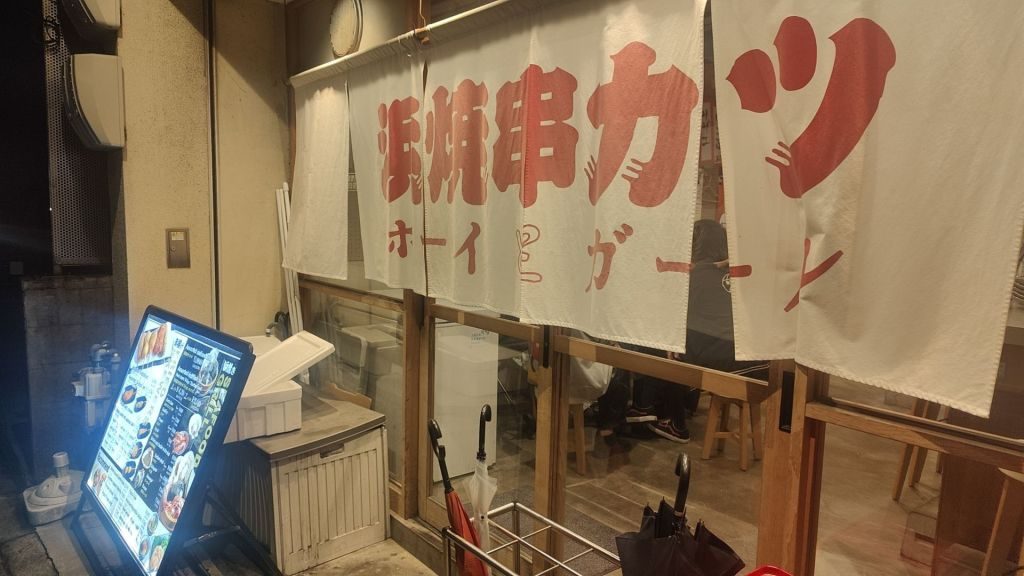
So my rich experience with internet cafes in Kyoto came in handy. I rode my bike to find Sun Yu, then carried her to 'Kuaikurabu' internet cafe. It was clean, private, with free drinks, and she was quite satisfied. So she treated me to a meal at a yakitori place nearby that stays open until 2 AM.
Photos
Continuer à lire
3
Jason | Using AI to Create Your Own Mini Program/Website
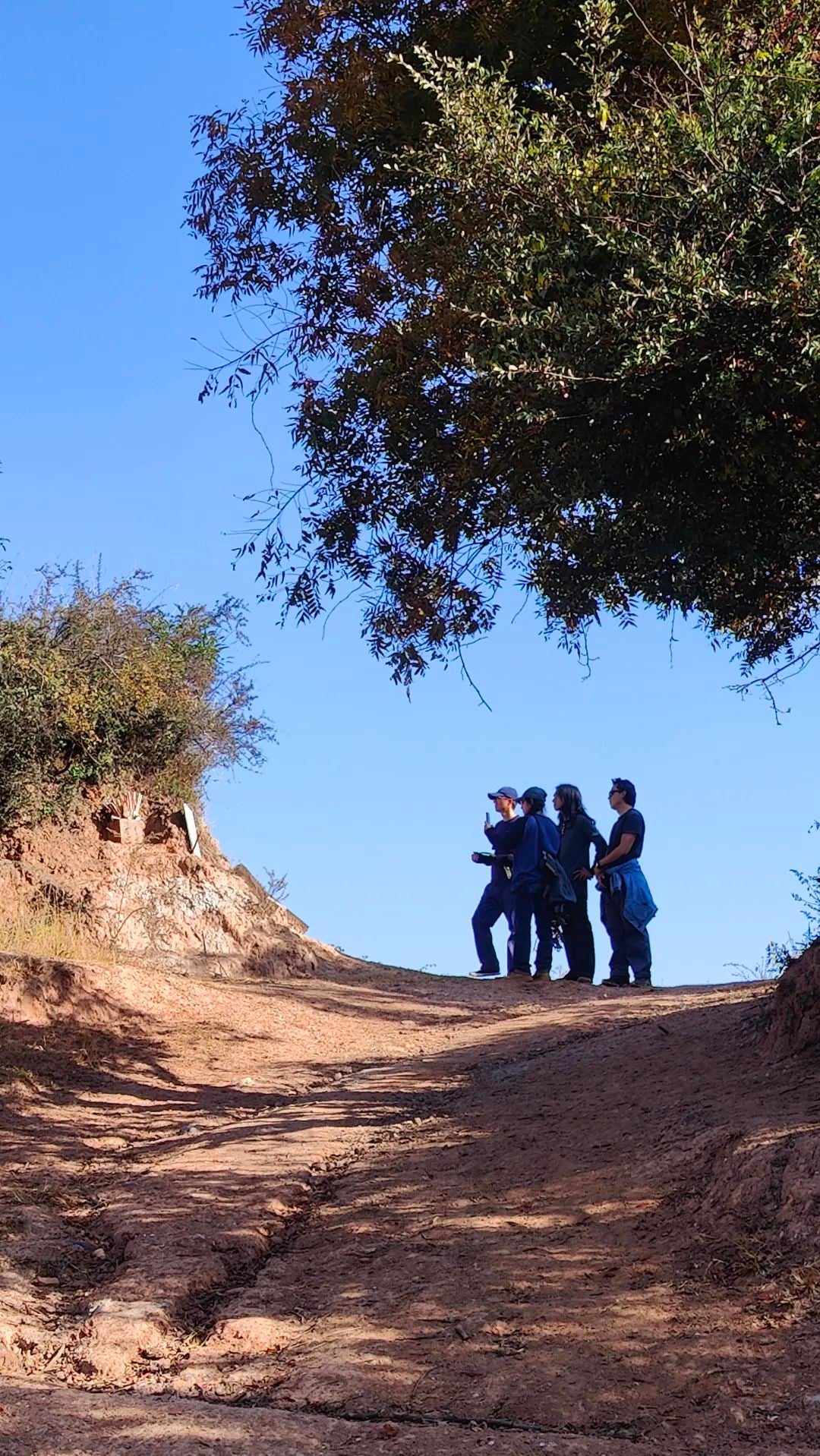
Two months ago in Chiang Mai, I stumbled upon the chance to start learning how to build mini programs. My AI programming mentor, Wangshen, told me, 'Once you finish your mini program, write a summary report.' Now I've completed the new mini program for Cangshan Hiking Home, and it's already being tested. It not only solves problems I've wanted to address for a while, like adding age tags to filter activities and providing an English version, but it has also introduced new features, such as browsing restaurants, guesthouses, and meeting points on a map for a more intuitive experience, and using AI to provide quite intelligent responses.
Learn AI Programming Together
Some information about AI programming
Celebrate the Torch Festival in a Nanzhao Royal Clan Village
Over the past two years, we have taken guests to celebrate the Torch Festival in Songhe Village, Eryuan. Together we slaughtered a sheep, and with the whole village, erected a huge torch in the center of the village square. Everyone made their own torches from hemp stalks, and together with the older and younger villagers, we rushed to grab the blessing baba (cakes) from the big torch, passing blessings to each other with fire. Even for me, a native Bai person, these are rare and precious traditional festival experiences. Dali has endless festivals, and I want to experience them more before they fade away. I remember the Torch Festival of my childhood: torches were no longer enough for me. Before the festival, I would tell my dad to prepare a bucket of waste engine oil and diesel, mix them together, and then I would tightly bind cotton and old cloth with rope into a ball (some kids would secretly take cotton from their quilts at home to make it). Finally, I would make an iron wire ball, soak it in the bucket of oil, and secretly take it out every day to look at it, looking forward to having a great time on the day of the Torch Festival. We would compete in the village and by the rice fields to see whose fireball or torch was more impressive. When the torches and fireballs were almost burned out, we would rush home, walk around the potted fruit trees in circles, and say blessing words, hoping they would grow even better in the coming year.