Sting and His Wuliang Mountain Coffee Beans
Sting is a special presence in Dali. Although the friends around him are all kinds of extraordinary people, they all respect him. He is a free and self-directed person. My association with him was limited to more than ten years ago, when I met him a few times because I played football with friends from the Bird Bar. Later, I saw him many more times when I went to eat at his salmon restaurant in Sanwenbi. I watched him work, smoke, and observed his furnishings, tableware, and ashtrays. Then in the article below, seeing his coffee utensils, I was quite moved. A person's understanding of things is hidden in these simple details, striking a chord. Because my understanding of him is limited, I found these excellent pieces of writing to present Sting and his coffee. His coffee beans are very simple, three categories, 250g packaging at 55 yuan: 10 (light roast, fruity) 20 (medium roast, aromatic) 30 (deep roast, extra strong) If you want to try the coffee understood by a person who started growing and roasting his own beans before coffee became fashionable, please order a pack. To purchase, add his WeChat: Sting-1122 His Japanese salmon restaurant with friends will also reopen soon at a new location under Wushi Temple. Reposted from WeChat official account: Luye Travel. Author: Qiyue Shang. Date: February 3, 2018. In an old courtyard in Dali, have a cup of brown sugar and ginger coffee. If coffee beans had a choice, They would surely wish to become the beans on Sting's plate, Grown with care, roasted patiently, and brewed freely. 01 On the third day in Dali, the old driver said he would take us to a place where coffee beans are roasted. He said Sting had been a chef in Japan for 20 years, and after returning, he grew coffee beans and roasted them—an interesting man. So we wound through alleys and arrived at an old courtyard that I would never find again even on a second visit. When we caught Sting, he was still basking in the sun in the small garden behind the house, and asked if we wanted coffee. Of course, we had come to leech coffee. Sting showed us his beans. Beside them lay a map with a circle around a place called Wuliang Mountain. He said these beans were grown on Wuliang Mountain. As if learning a person's hometown, the beans suddenly became very familiar and friendly. 02 Sting brewed coffee for us and said apologetically, "I hope you're not put off by such ordinary utensils." How rustic these coffee tools were! Having lived in the city for a long time, we were used to many beautiful utensils. Coffee served in beautiful vessels often seems to taste better. But in this courtyard with vegetables growing, clothes drying, and people repairing shoes and kicking shuttlecocks, none of that seemed to matter. We chatted idly. Sting said the first cup was stronger and could be drunk with some brown sugar and milk, while later cups were not as strong and might need nothing. Then he added, "You can also put brown sugar and ginger, then pour coffee in. The ginger should be peeled. Drinking this in winter is very good." He also suggested pairing coffee with very thinly sliced lemon to taste the contrast between lemon's sourness and coffee's bitterness. Oh, so coffee could be drunk this way! We chatted leisurely and drank the freshly ground small-bean coffee, which suited Yunnan's beautiful weather perfectly. Indeed, we had drunk a lot of cappuccino and latte. But this was the first time, in a simple courtyard, with such rustic utensils, listening to a craftsman who had cooked for 20 years and then grown coffee beans for 7 years talk about the collision of different ingredients. The coffee beans seemed to dance, gaining more flexibility and possibility. 03 Ah, right, I brought back the techniques Sting taught me. From now on, the Luye Cultural and Creative Space also has Wuliang Mountain coffee, lemon coffee, and brown sugar and ginger coffee. There are more possibilities, and I will continue to catch Sting and keep curiously experimenting. A Spoonful of Light | Vol. 02 Wuliang Mountain Coffee (Yunnan small-bean coffee) Address: Dali, Yunnan... in a glowing house. People | Hippie Chef, Coffee Farmer Reposted from WeChat official account: illusion. Date: August 15, 2015. When I first met Sting, I felt he was too cool. First, I was enveloped by his warm hippie-big-shot aura, then conquered by the various delicious dishes he cooked himself. From a master chef to a coffee farmer, Sting has made his home in Dali for four years. Starting with a love for drinking coffee, he later personally drove south with friends like Jia Ju to search for the purest-tasting coffee beans. Through continuous visits and tastings, they finally found the most satisfying flavor in a village north of Wuliang Mountain. Wuliang Mountain is located in the transitional zone between the mid-subtropical and south-subtropical zones in the west of Jingdong County, Pu'er City. With an altitude of 3,306 meters, small annual temperature differences, abundant rainfall, and complex and diverse natural environmental conditions, its unique vertical climate is very suitable for growing Arabica coffee beans. We cooperated with several local farmers who grow at high altitudes and produce high-quality beans. We use no chemical fertilizers or pesticides, only farmyard manure, allowing the coffee trees to grow healthily in their most natural state. The first batch of coffee cherries begins to form in October each year, and the last batch ripens by March the following year. To ensure stable quality and taste, from the moment the cherries are picked, everyone personally handles every step, unlike other coffee brands that directly purchase finished beans processed by the farmers themselves. Fresh coffee cherries are picked and must be sun-dried for at least 40 days, dried day after day by the warmth of the sun and wind, before the husks can be removed to obtain the green coffee beans. The beans are then hand-sorted, graded, and roasted through several steps before reaching our mouths. Many hands make light work. Sting, Jia Ju, and friends created their own brand of Yunnan's native coffee beans. They divided the beans into three roast levels—10, 20, and 30—and also created a custom blend. The packaging comes in two sizes, suitable for both shops and homes. The LOGO and seal design were carved by Xiaomi (Baldhead), and everyone hand-packed the beans. Everything is natural, rustic, and very psychedelic. Now, Wuliang Mountain coffee beans supply several shops in Dali Ancient Town and across Erhai Lake, and have entered some cafés in other cities, beloved by many coffee enthusiasts. The whole process contains not only the gifts of nature—sunshine, rain and dew, wind and thunder—but also the hard work of farmers and the collective support of friends. It is certainly the sweetest bitterness in the world. In the past two years, Sting gets up every morning, first waters the vegetable garden, tends the crops, then roasts coffee beans, screens them, packs them, and then rides his motorcycle around, delivering coffee beans to friends. He said that compared to cooking, he increasingly loves the life of a farmer, because farming is too much fun. The garden grows various organic vegetables for salads, small tomatoes, fennel, sour papaya, pomegranates, etc., and has already begun to supply a few shops in the ancient town for vegetable salads. Whenever friends visit, Sting and Jia Ju first invite them to wander in the garden, share freshly picked fruits, look at the thriving crops, and talk about nature—farming, livelihood, clothing, food. Hardworking people who rely on the heavens for food will always be favored by nature. Thank the "hermits." Photos: Si Si Text: Meng Qi Driver: Su Yang Excerpted from WeChat official account: We Are Happy on the Road. Author: Lai Min. Date: February 13, 2021. Happiness on the Road 12 "Later, she (Wang Dan) took me around Dali Ancient Town, eating all the snacks in the old town, seeing the unique screen walls and courtyards in the villages, and braiding my hair into special Dali-style little braids. She also introduced me to another former city dweller who now lives in seclusion in Dali—Sting, a Hong Kong coffee master who was once a Japanese cuisine chef for more than ten years. The cool Uncle Sting, with long hair and black-framed glasses, showed me for the first time coffee beans still in their parchment—grown by them on Wuliang Mountain. Sting is an especially suave man. What makes people most envious is his unconstrained nature. He does whatever he wants. He likes this life, so he lives it. This is a kind of freedom, and it is this freedom that gives him his naturally chic temperament. I asked him, 'Can you teach me to make coffee?' He immediately said, 'Sure, I'll teach you to make a particularly tasty coffee.' He taught me hand by hand how to grind the beans into powder, how to boil water, and how to brew. He said simply hand-poured coffee is very good, but technique is important. I also helped him bag the coffee beans. While bagging, I couldn't resist sneaking a bean into my mouth. Sting was surprised and asked, 'Don't you find it bitter?' I said, 'It's okay, I can taste the aroma.' Hearing this, he generously gave me a big bag of coffee beans. I was overjoyed and kept thanking him. When I left, Uncle Sting said to me, 'The world is so big, you should go see it. Don't care what others say.' I nodded. Those words truly spoke to my heart. Lao Ding and I were exactly going to see how big the world is."
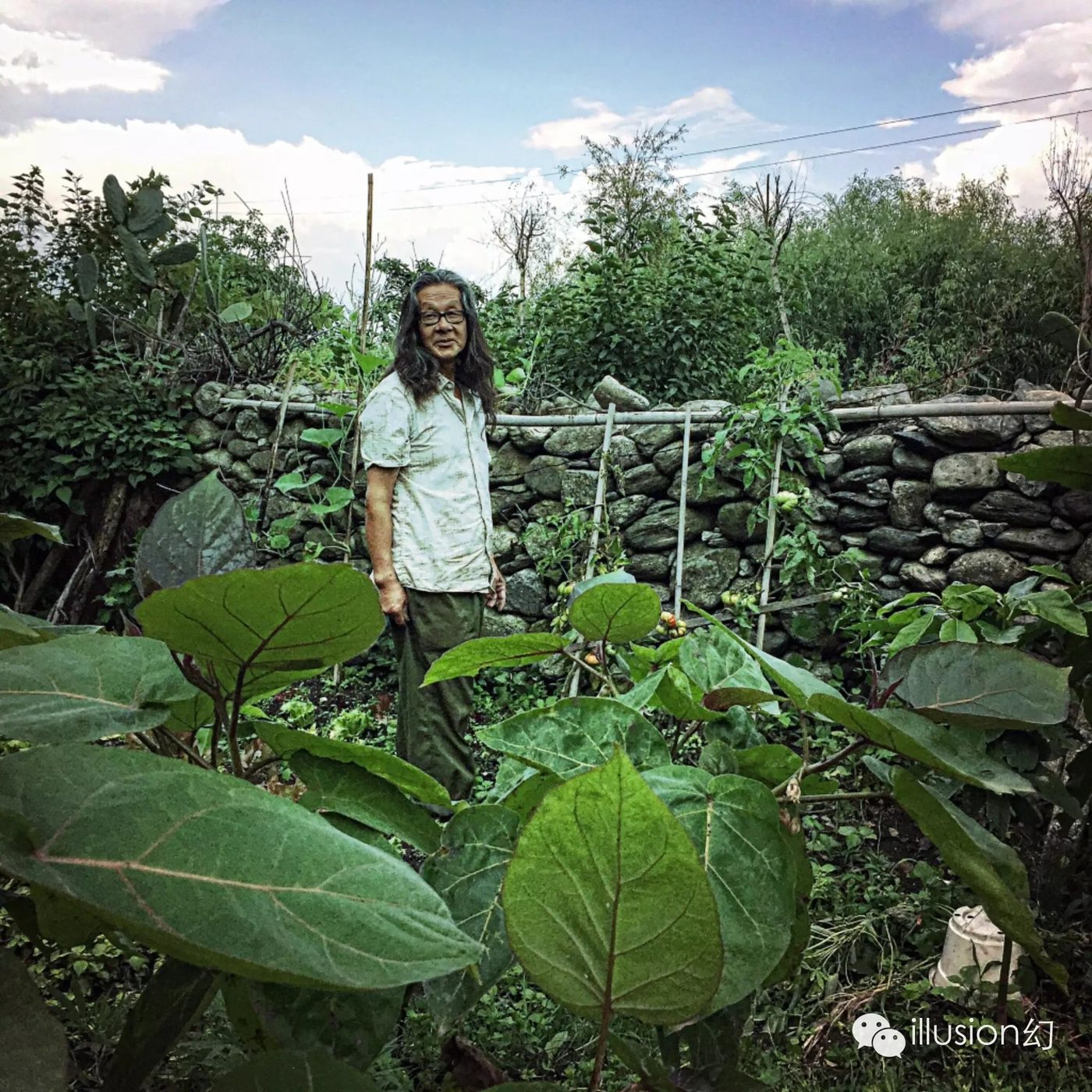
Sting is a special presence in Dali. Although the friends around him are all kinds of extraordinary people, they all respect him. He is a free and self-directed person. My association with him was limited to more than ten years ago, when I met him a few times because I played football with friends from the Bird Bar. Later, I saw him many more times when I went to eat at his salmon restaurant in Sanwenbi. I watched him work, smoke, and observed his furnishings, tableware, and ashtrays. Then in the article below, seeing his coffee utensils, I was quite moved. A person's understanding of things is hidden in these simple details, striking a chord.
Because my understanding of him is limited, I found these excellent pieces of writing to present Sting and his coffee.
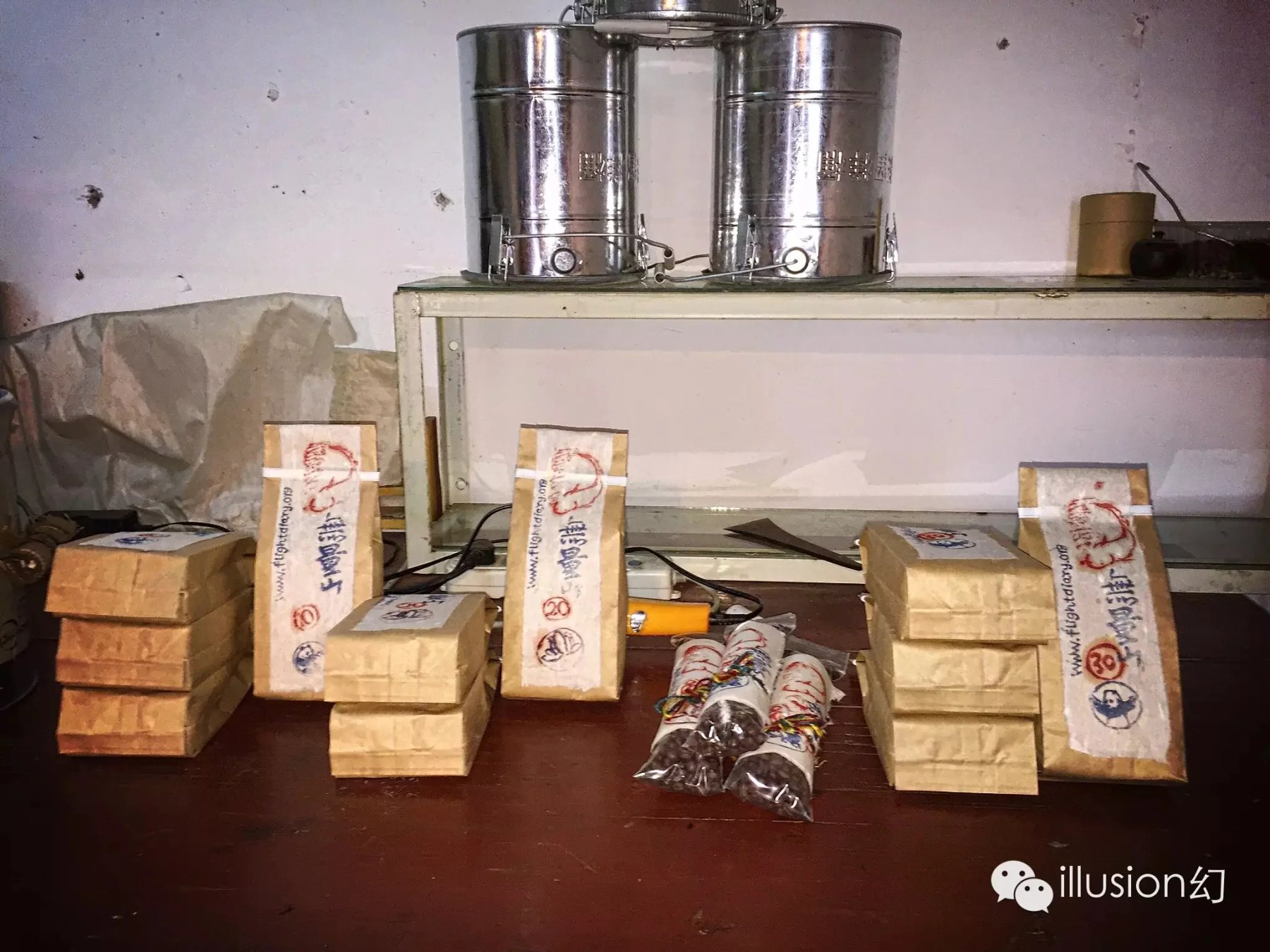
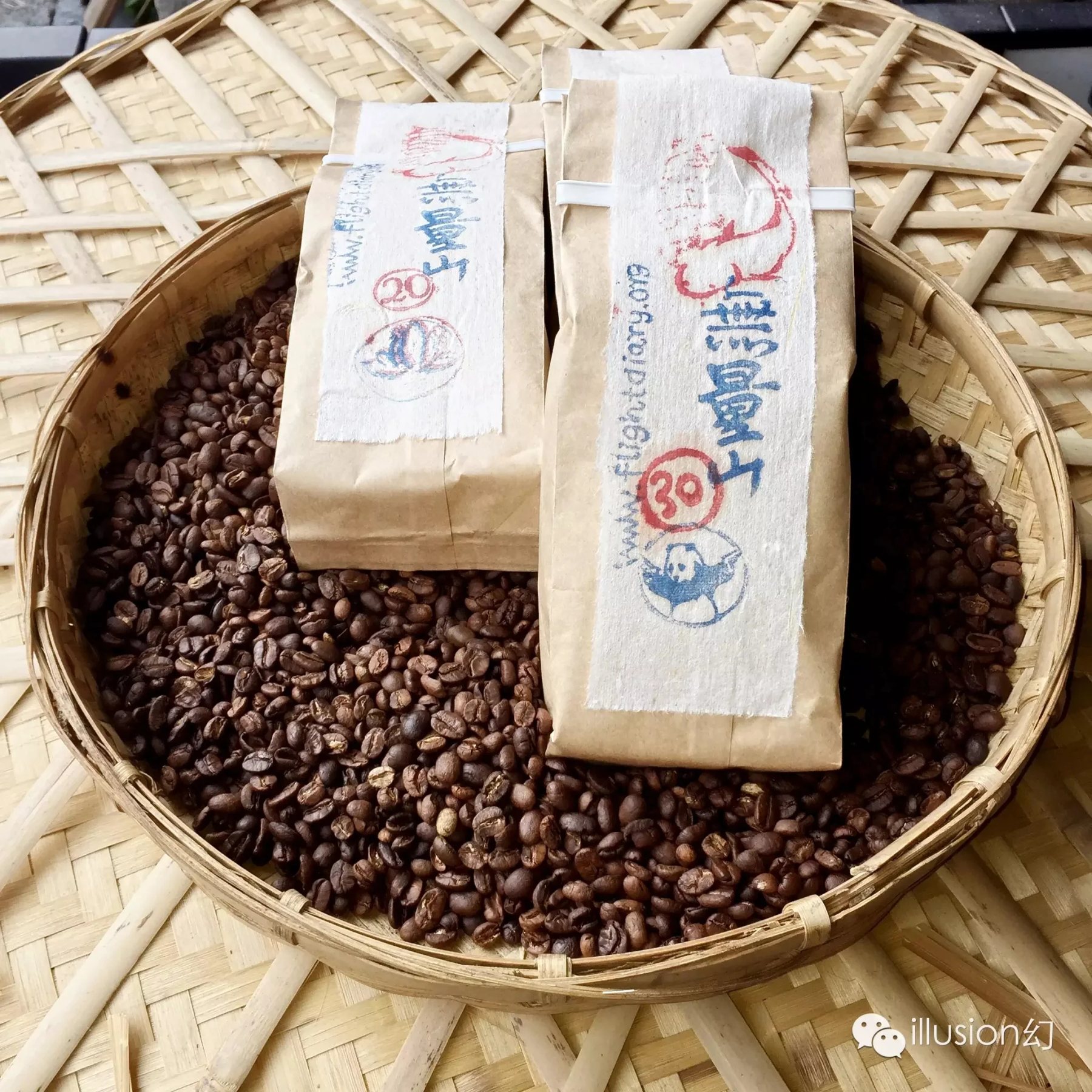
His coffee beans are very simple, three categories, 250g packaging at 55 yuan:
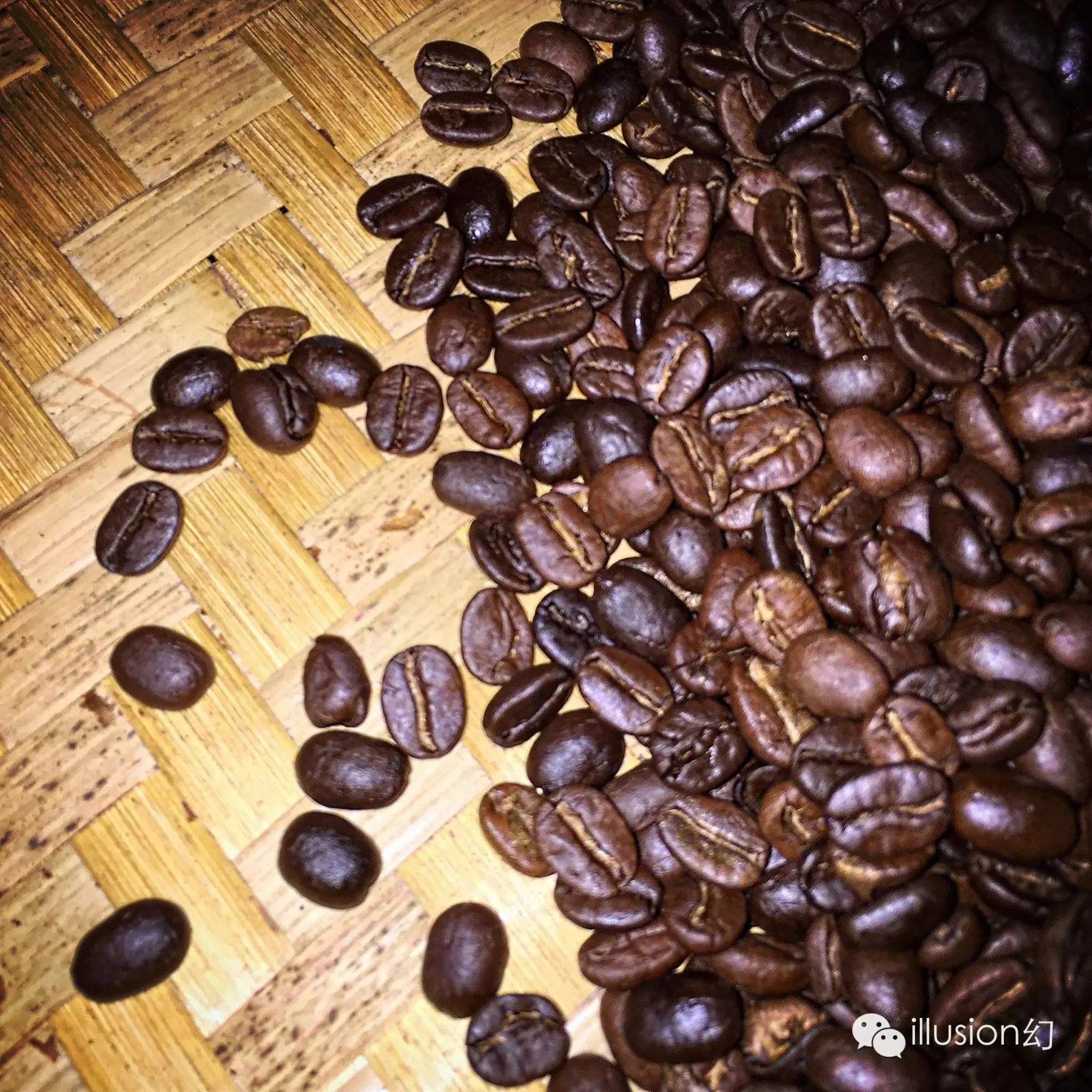
10 (light roast, fruity)
20 (medium roast, aromatic)
30 (deep roast, extra strong)
If you want to try the coffee understood by a person who started growing and roasting his own beans before coffee became fashionable, please order a pack. To purchase, add his WeChat: Sting-1122
His Japanese salmon restaurant with friends will also reopen soon at a new location under Wushi Temple.
Reposted from WeChat official account: Luye Travel. Author: Qiyue Shang. Date: February 3, 2018.
In an old courtyard in Dali, have a cup of brown sugar and ginger coffee.
If coffee beans had a choice,
They would surely wish to become the beans on Sting's plate,
Grown with care, roasted patiently, and brewed freely.
01
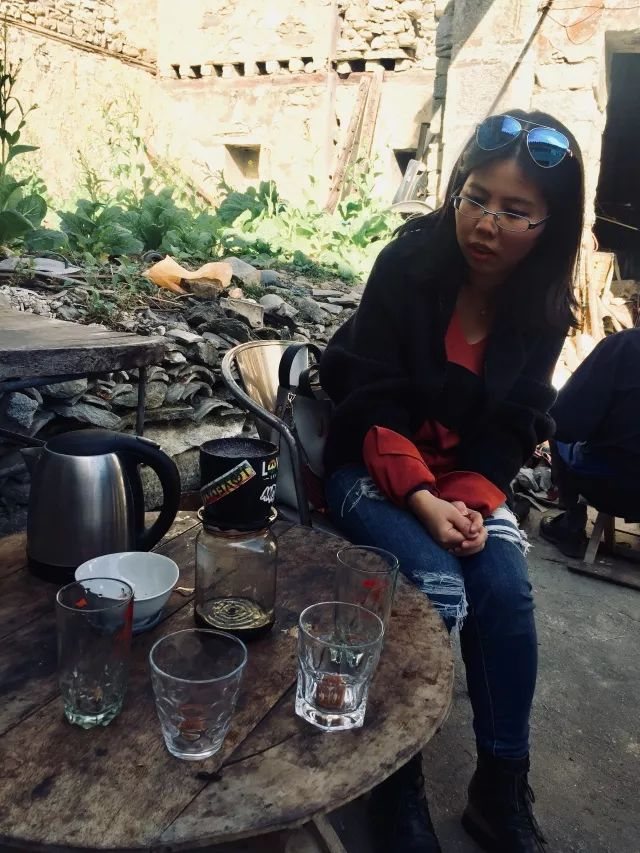
On the third day in Dali, the old driver said he would take us to a place where coffee beans are roasted. He said Sting had been a chef in Japan for 20 years, and after returning, he grew coffee beans and roasted them—an interesting man. So we wound through alleys and arrived at an old courtyard that I would never find again even on a second visit.
When we caught Sting, he was still basking in the sun in the small garden behind the house, and asked if we wanted coffee. Of course, we had come to leech coffee.
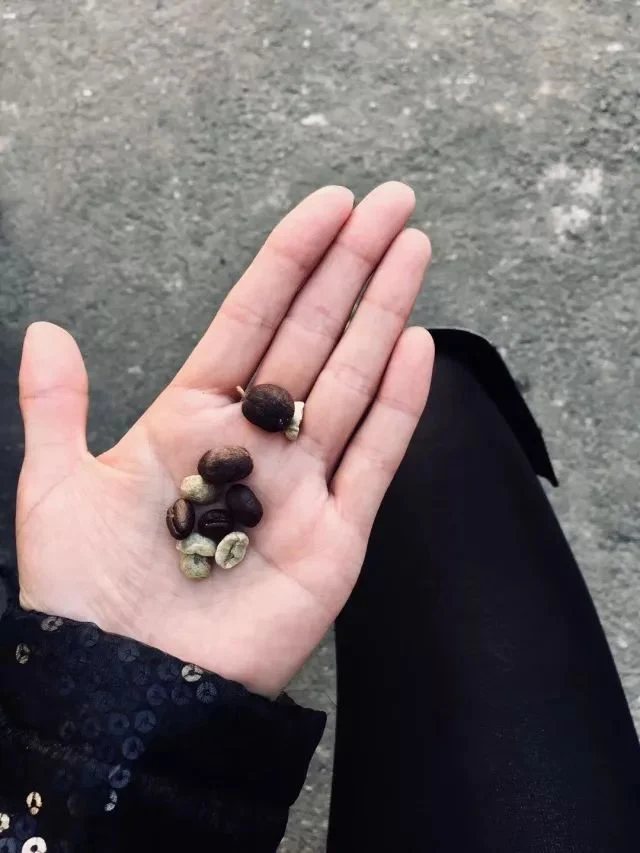
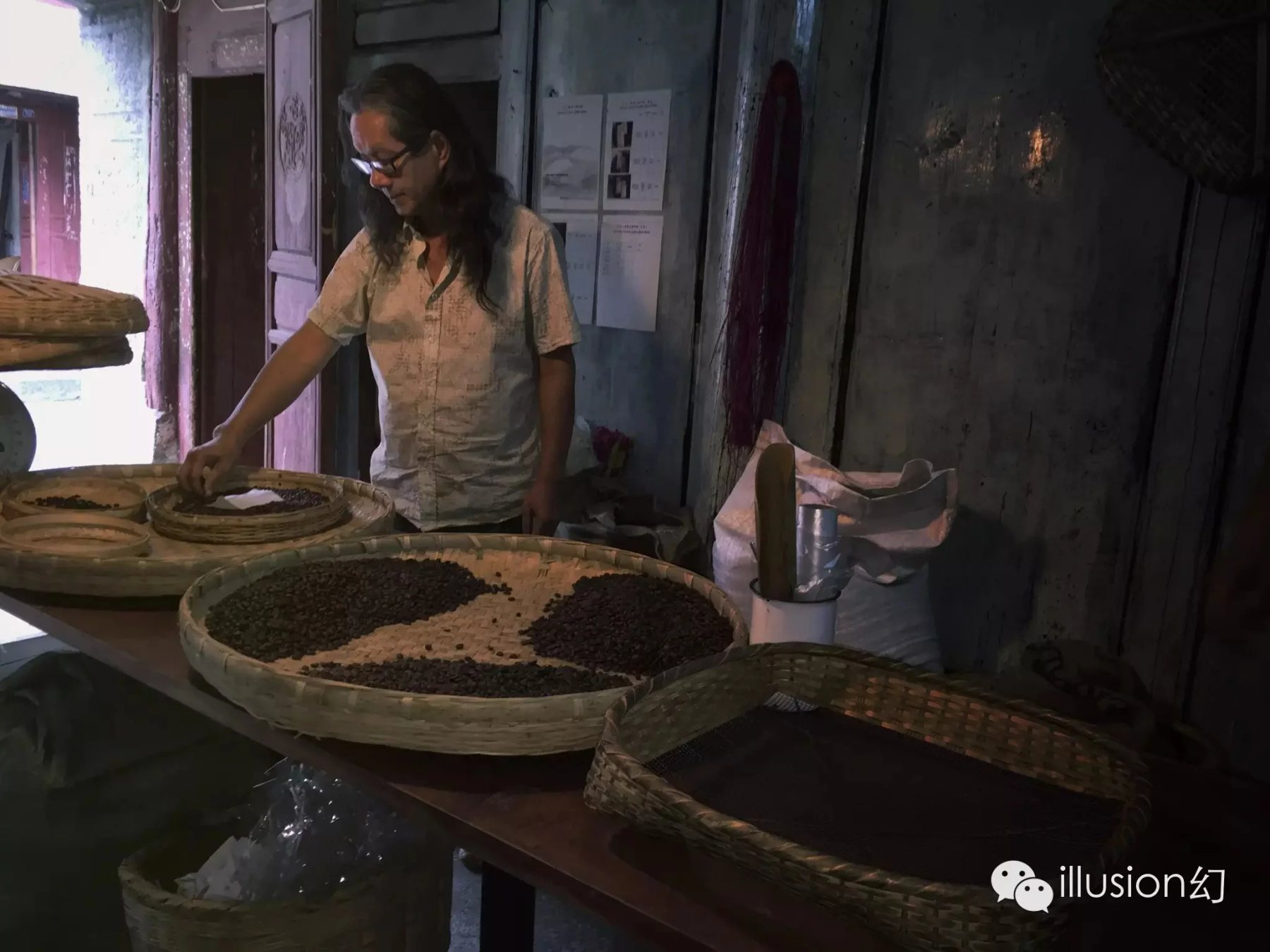
Sting showed us his beans. Beside them lay a map with a circle around a place called Wuliang Mountain. He said these beans were grown on Wuliang Mountain. As if learning a person's hometown, the beans suddenly became very familiar and friendly.
02
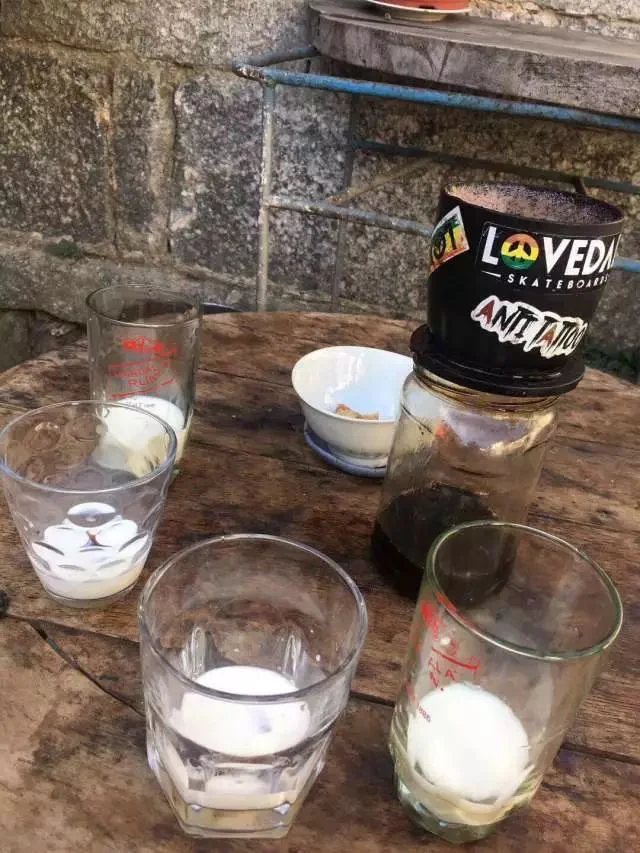
Sting brewed coffee for us and said apologetically, "I hope you're not put off by such ordinary utensils."
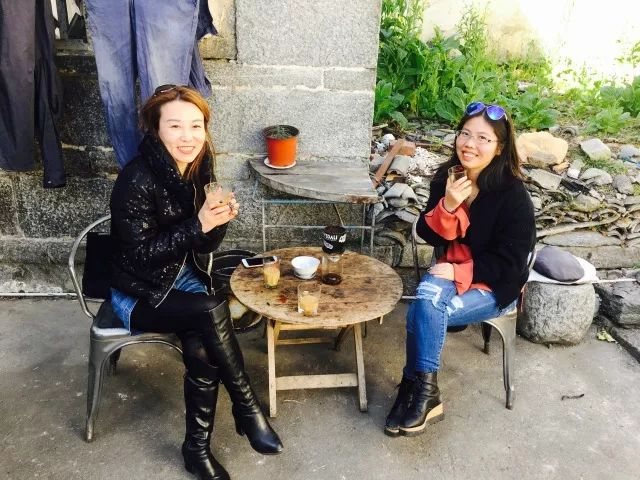
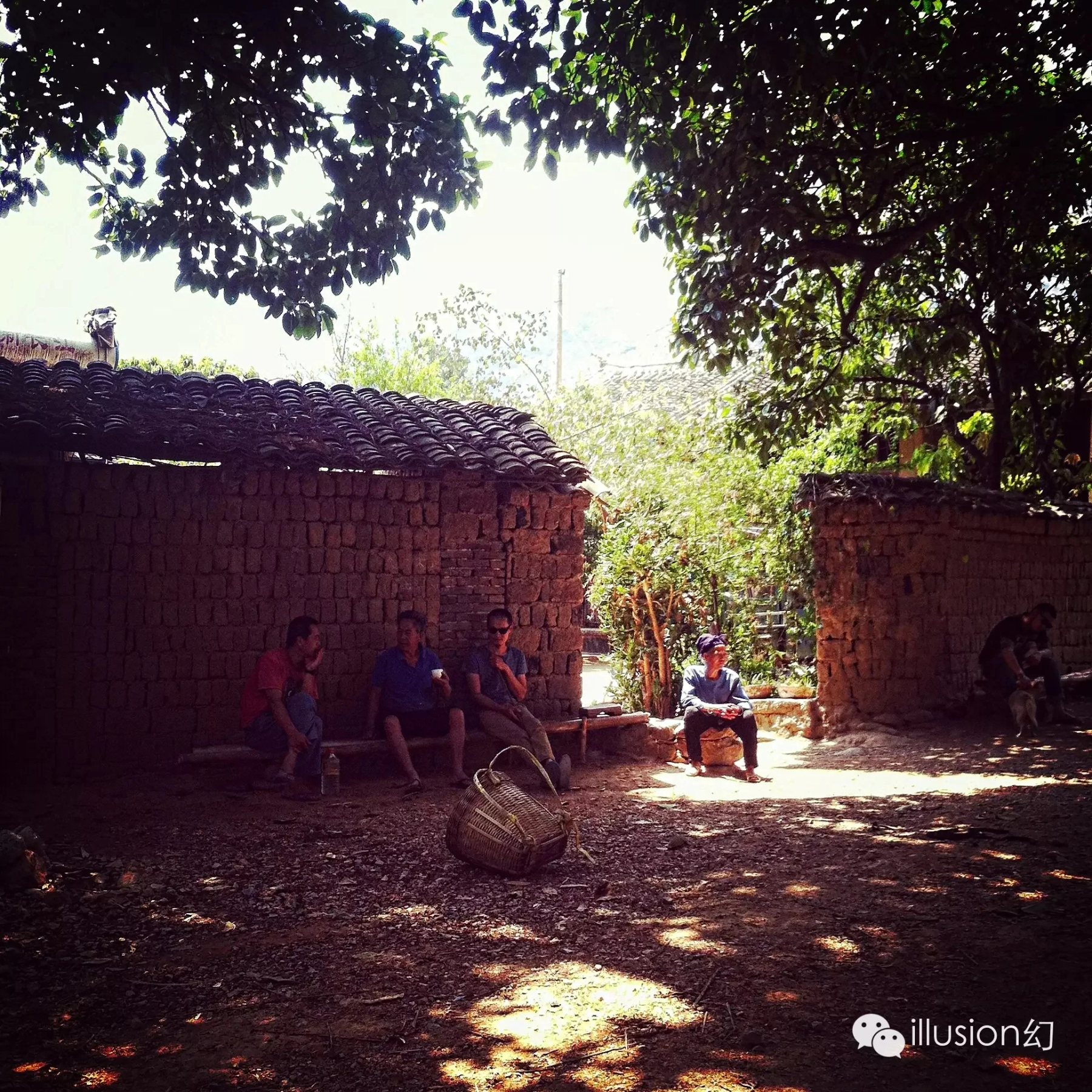
How rustic these coffee tools were! Having lived in the city for a long time, we were used to many beautiful utensils. Coffee served in beautiful vessels often seems to taste better. But in this courtyard with vegetables growing, clothes drying, and people repairing shoes and kicking shuttlecocks, none of that seemed to matter.
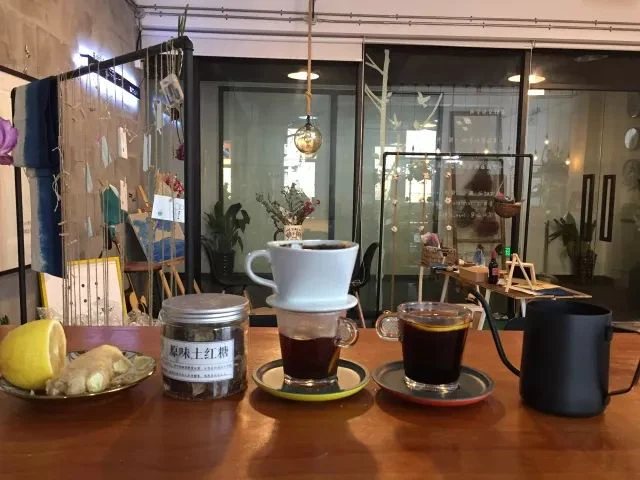
We chatted idly. Sting said the first cup was stronger and could be drunk with some brown sugar and milk, while later cups were not as strong and might need nothing. Then he added, "You can also put brown sugar and ginger, then pour coffee in. The ginger should be peeled. Drinking this in winter is very good." He also suggested pairing coffee with very thinly sliced lemon to taste the contrast between lemon's sourness and coffee's bitterness. Oh, so coffee could be drunk this way! We chatted leisurely and drank the freshly ground small-bean coffee, which suited Yunnan's beautiful weather perfectly.
Indeed, we had drunk a lot of cappuccino and latte. But this was the first time, in a simple courtyard, with such rustic utensils, listening to a craftsman who had cooked for 20 years and then grown coffee beans for 7 years talk about the collision of different ingredients. The coffee beans seemed to dance, gaining more flexibility and possibility.
03
Ah, right, I brought back the techniques Sting taught me. From now on, the Luye Cultural and Creative Space also has Wuliang Mountain coffee, lemon coffee, and brown sugar and ginger coffee. There are more possibilities, and I will continue to catch Sting and keep curiously experimenting.
A Spoonful of Light | Vol. 02 Wuliang Mountain Coffee (Yunnan small-bean coffee)
Address: Dali, Yunnan... in a glowing house.
People | Hippie Chef, Coffee Farmer
Reposted from WeChat official account: illusion. Date: August 15, 2015.
When I first met Sting, I felt he was too cool. First, I was enveloped by his warm hippie-big-shot aura, then conquered by the various delicious dishes he cooked himself.
From a master chef to a coffee farmer, Sting has made his home in Dali for four years. Starting with a love for drinking coffee, he later personally drove south with friends like Jia Ju to search for the purest-tasting coffee beans. Through continuous visits and tastings, they finally found the most satisfying flavor in a village north of Wuliang Mountain.
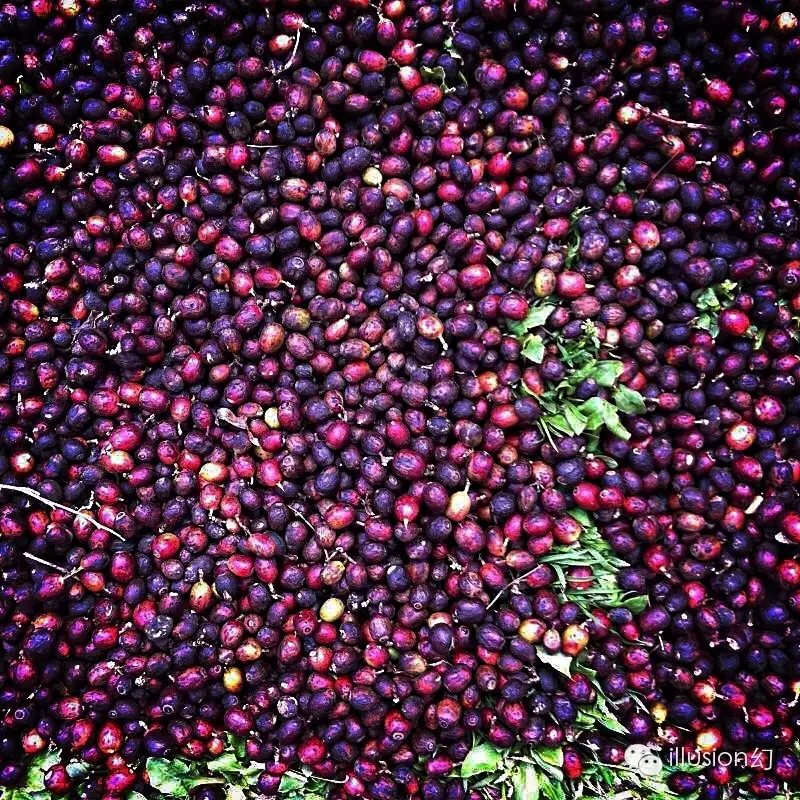
Wuliang Mountain is located in the transitional zone between the mid-subtropical and south-subtropical zones in the west of Jingdong County, Pu'er City. With an altitude of 3,306 meters, small annual temperature differences, abundant rainfall, and complex and diverse natural environmental conditions, its unique vertical climate is very suitable for growing Arabica coffee beans. We cooperated with several local farmers who grow at high altitudes and produce high-quality beans. We use no chemical fertilizers or pesticides, only farmyard manure, allowing the coffee trees to grow healthily in their most natural state. The first batch of coffee cherries begins to form in October each year, and the last batch ripens by March the following year. To ensure stable quality and taste, from the moment the cherries are picked, everyone personally handles every step, unlike other coffee brands that directly purchase finished beans processed by the farmers themselves.
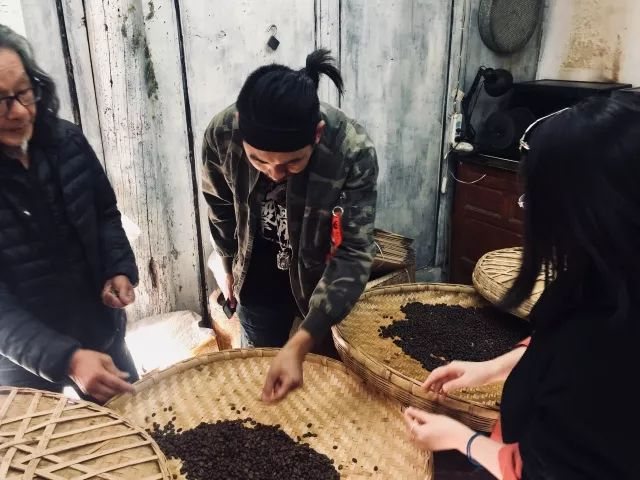
Fresh coffee cherries are picked and must be sun-dried for at least 40 days, dried day after day by the warmth of the sun and wind, before the husks can be removed to obtain the green coffee beans. The beans are then hand-sorted, graded, and roasted through several steps before reaching our mouths.
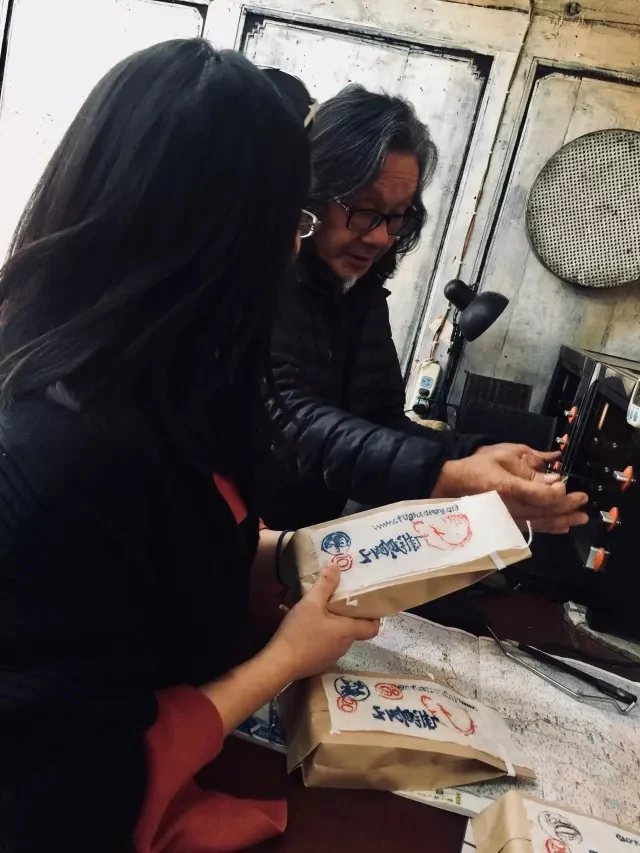
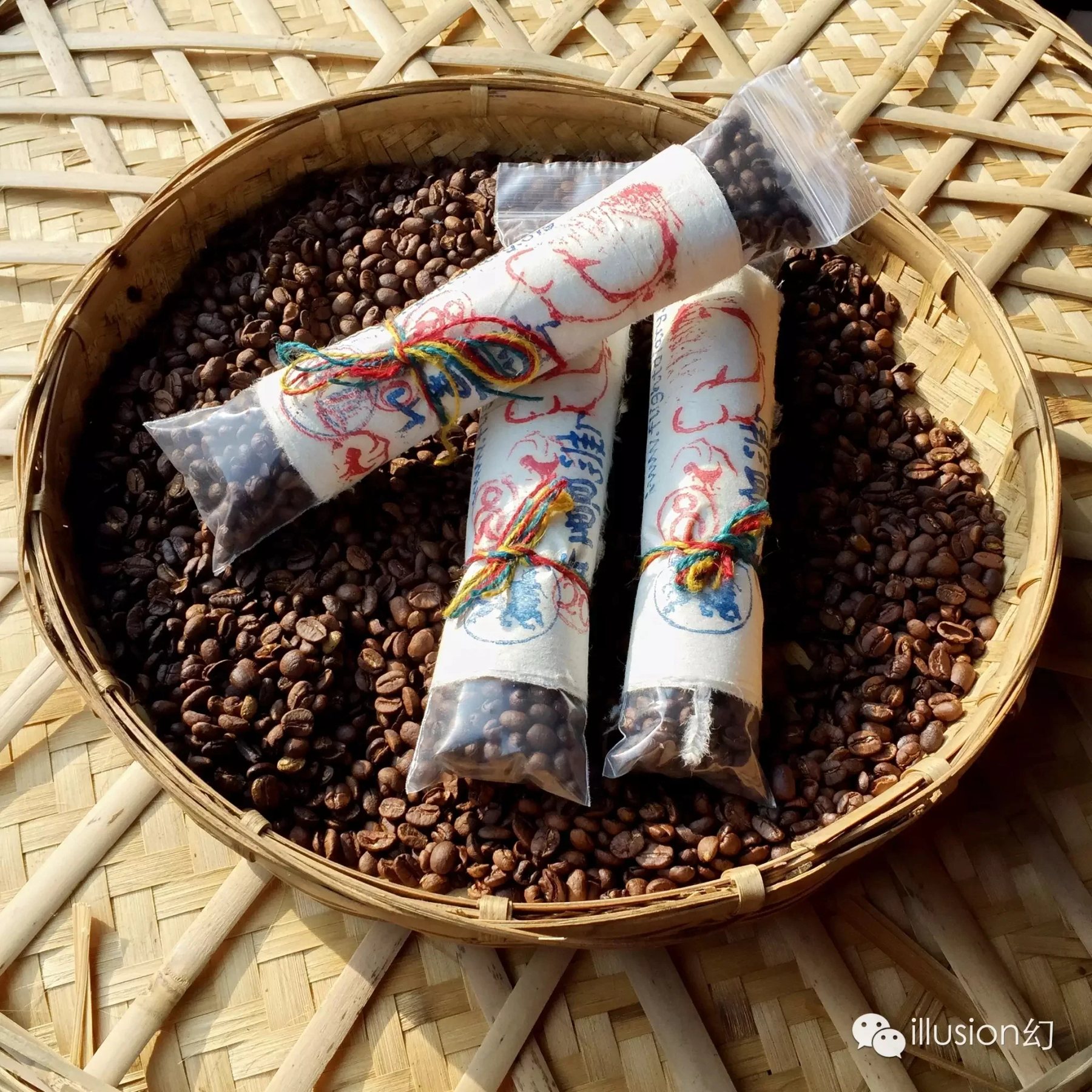
Many hands make light work. Sting, Jia Ju, and friends created their own brand of Yunnan's native coffee beans. They divided the beans into three roast levels—10, 20, and 30—and also created a custom blend. The packaging comes in two sizes, suitable for both shops and homes. The LOGO and seal design were carved by Xiaomi (Baldhead), and everyone hand-packed the beans. Everything is natural, rustic, and very psychedelic.
Now, Wuliang Mountain coffee beans supply several shops in Dali Ancient Town and across Erhai Lake, and have entered some cafés in other cities, beloved by many coffee enthusiasts. The whole process contains not only the gifts of nature—sunshine, rain and dew, wind and thunder—but also the hard work of farmers and the collective support of friends. It is certainly the sweetest bitterness in the world.
In the past two years, Sting gets up every morning, first waters the vegetable garden, tends the crops, then roasts coffee beans, screens them, packs them, and then rides his motorcycle around, delivering coffee beans to friends.
He said that compared to cooking, he increasingly loves the life of a farmer, because farming is too much fun. The garden grows various organic vegetables for salads, small tomatoes, fennel, sour papaya, pomegranates, etc., and has already begun to supply a few shops in the ancient town for vegetable salads. Whenever friends visit, Sting and Jia Ju first invite them to wander in the garden, share freshly picked fruits, look at the thriving crops, and talk about nature—farming, livelihood, clothing, food.
Hardworking people who rely on the heavens for food will always be favored by nature.
Thank the "hermits."
Photos: Si Si
Text: Meng Qi
Driver: Su Yang
Excerpted from WeChat official account: We Are Happy on the Road. Author: Lai Min. Date: February 13, 2021.
Happiness on the Road 12
"Later, she (Wang Dan) took me around Dali Ancient Town, eating all the snacks in the old town, seeing the unique screen walls and courtyards in the villages, and braiding my hair into special Dali-style little braids. She also introduced me to another former city dweller who now lives in seclusion in Dali—Sting, a Hong Kong coffee master who was once a Japanese cuisine chef for more than ten years. The cool Uncle Sting, with long hair and black-framed glasses, showed me for the first time coffee beans still in their parchment—grown by them on Wuliang Mountain. Sting is an especially suave man. What makes people most envious is his unconstrained nature. He does whatever he wants. He likes this life, so he lives it. This is a kind of freedom, and it is this freedom that gives him his naturally chic temperament. I asked him, 'Can you teach me to make coffee?' He immediately said, 'Sure, I'll teach you to make a particularly tasty coffee.' He taught me hand by hand how to grind the beans into powder, how to boil water, and how to brew. He said simply hand-poured coffee is very good, but technique is important. I also helped him bag the coffee beans. While bagging, I couldn't resist sneaking a bean into my mouth. Sting was surprised and asked, 'Don't you find it bitter?' I said, 'It's okay, I can taste the aroma.' Hearing this, he generously gave me a big bag of coffee beans. I was overjoyed and kept thanking him. When I left, Uncle Sting said to me, 'The world is so big, you should go see it. Don't care what others say.' I nodded. Those words truly spoke to my heart. Lao Ding and I were exactly going to see how big the world is."
Photos
Continuer à lire
3
Jason | Using AI to Create Your Own Mini Program/Website
Two months ago in Chiang Mai, I stumbled upon the chance to start learning how to build mini programs. My AI programming mentor, Wangshen, told me, 'Once you finish your mini program, write a summary report.' Now I've completed the new mini program for Cangshan Hiking Home, and it's already being tested. It not only solves problems I've wanted to address for a while, like adding age tags to filter activities and providing an English version, but it has also introduced new features, such as browsing restaurants, guesthouses, and meeting points on a map for a more intuitive experience, and using AI to provide quite intelligent responses.
Learn AI Programming Together
Some information about AI programming
Celebrate the Torch Festival in a Nanzhao Royal Clan Village
Over the past two years, we have taken guests to celebrate the Torch Festival in Songhe Village, Eryuan. Together we slaughtered a sheep, and with the whole village, erected a huge torch in the center of the village square. Everyone made their own torches from hemp stalks, and together with the older and younger villagers, we rushed to grab the blessing baba (cakes) from the big torch, passing blessings to each other with fire. Even for me, a native Bai person, these are rare and precious traditional festival experiences. Dali has endless festivals, and I want to experience them more before they fade away. I remember the Torch Festival of my childhood: torches were no longer enough for me. Before the festival, I would tell my dad to prepare a bucket of waste engine oil and diesel, mix them together, and then I would tightly bind cotton and old cloth with rope into a ball (some kids would secretly take cotton from their quilts at home to make it). Finally, I would make an iron wire ball, soak it in the bucket of oil, and secretly take it out every day to look at it, looking forward to having a great time on the day of the Torch Festival. We would compete in the village and by the rice fields to see whose fireball or torch was more impressive. When the torches and fireballs were almost burned out, we would rush home, walk around the potted fruit trees in circles, and say blessing words, hoping they would grow even better in the coming year.