Cattle, Horse, and Sheep Grand Bazaar
Xinjiang's absolute must-see is the local bazaar (market). Speaking of bazaars, the most distinctive in Xinjiang is the cattle, horse, and sheep bazaar. The largest one in northern Xinjiang is in Ili. The grand bazaar is not held every day but at specific times—three times a week. I was fortunate to take part in a Xinjiang cattle, horse, and sheep bazaar up close. We set off at 10 a.m. and arrived at the bazaar just after 11. By then, trucks carrying cattle and sheep had already formed long queues.
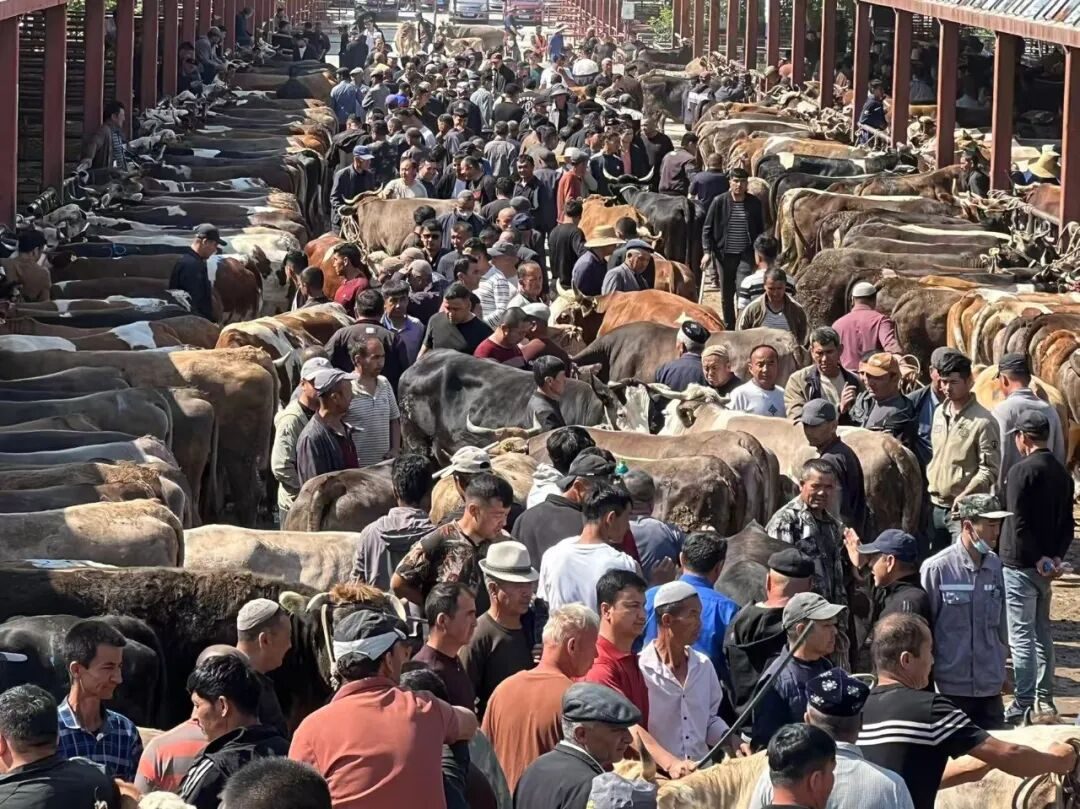
Xinjiang's absolute must-see is the local bazaar (market). Speaking of bazaars, the most distinctive in Xinjiang is the cattle, horse, and sheep bazaar. The largest one in northern Xinjiang is in Ili. The grand bazaar is not held every day but at specific times—three times a week. I was fortunate to take part in a Xinjiang cattle, horse, and sheep bazaar up close.
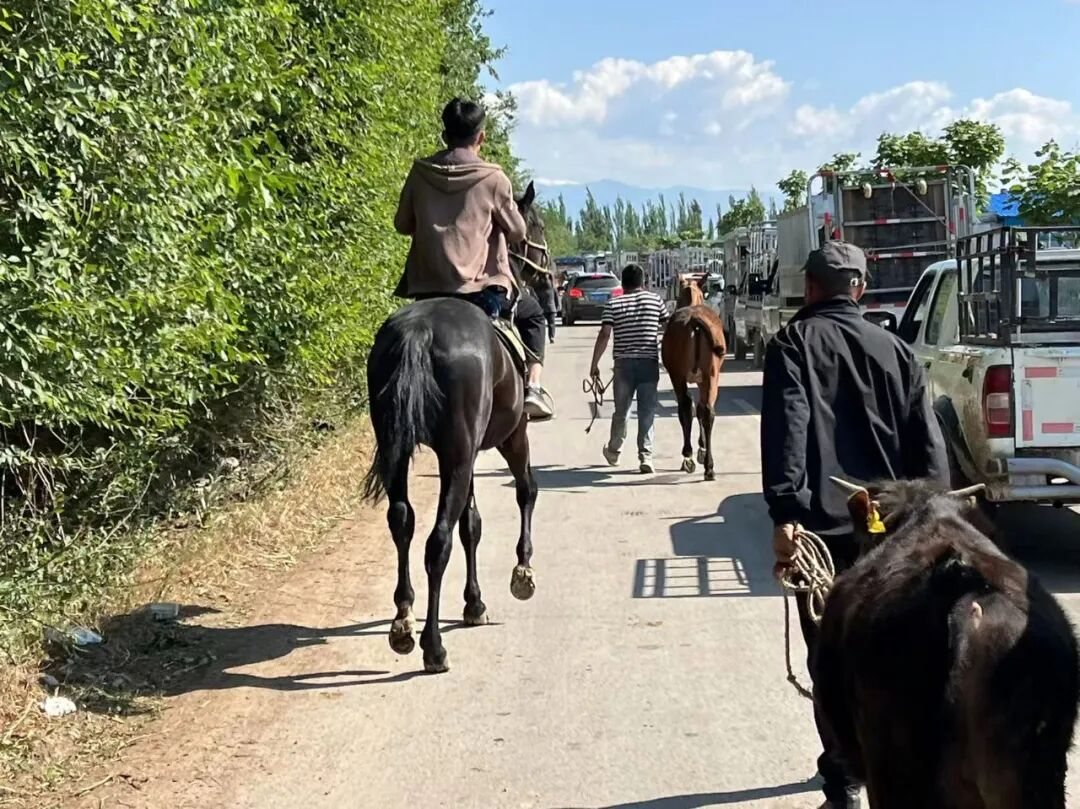
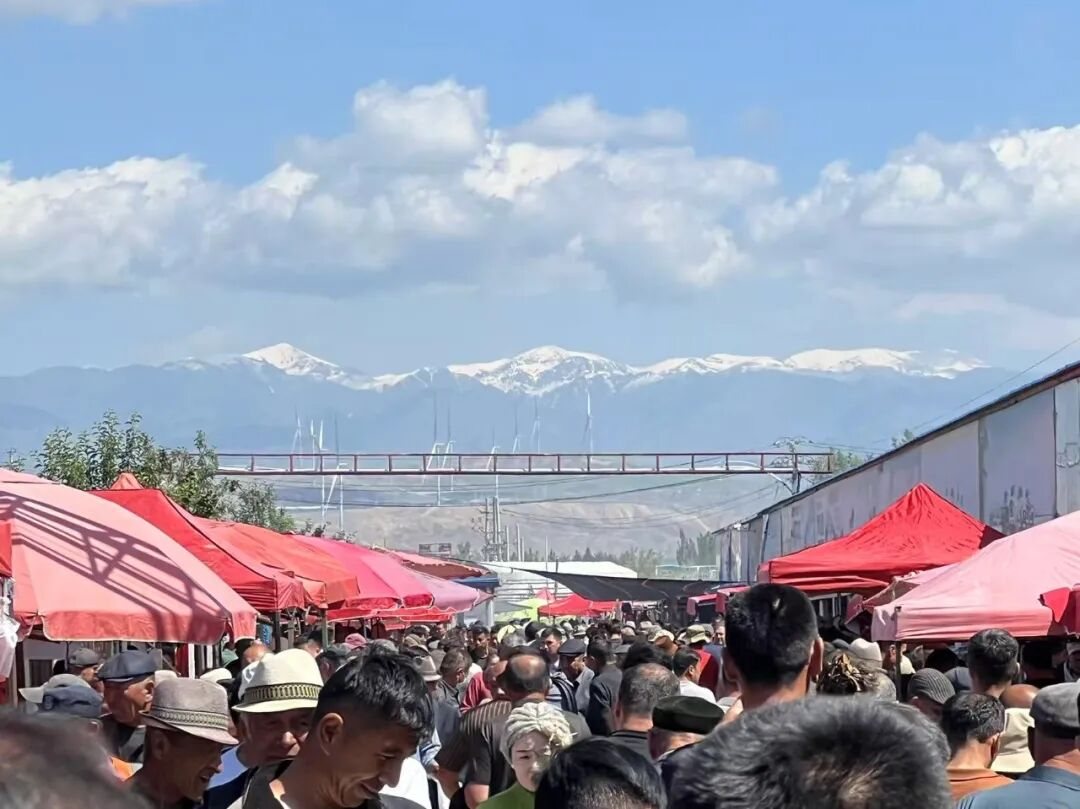
We set off at 10 a.m. and arrived at the bazaar just after 11. At this point, trucks carrying cattle and sheep had already formed long lines. People living nearby arrived on horseback or led sheep to trade on the spot. As we followed the flow of vehicles toward the grand bazaar, we heard the calls of cattle, horses, and sheep of all sizes along the way, like randomly striking different musical notes—sounds that normally don't reach the ear in daily life. It was a truly unique auditory experience. Passing through a gate, we entered the core trading area.
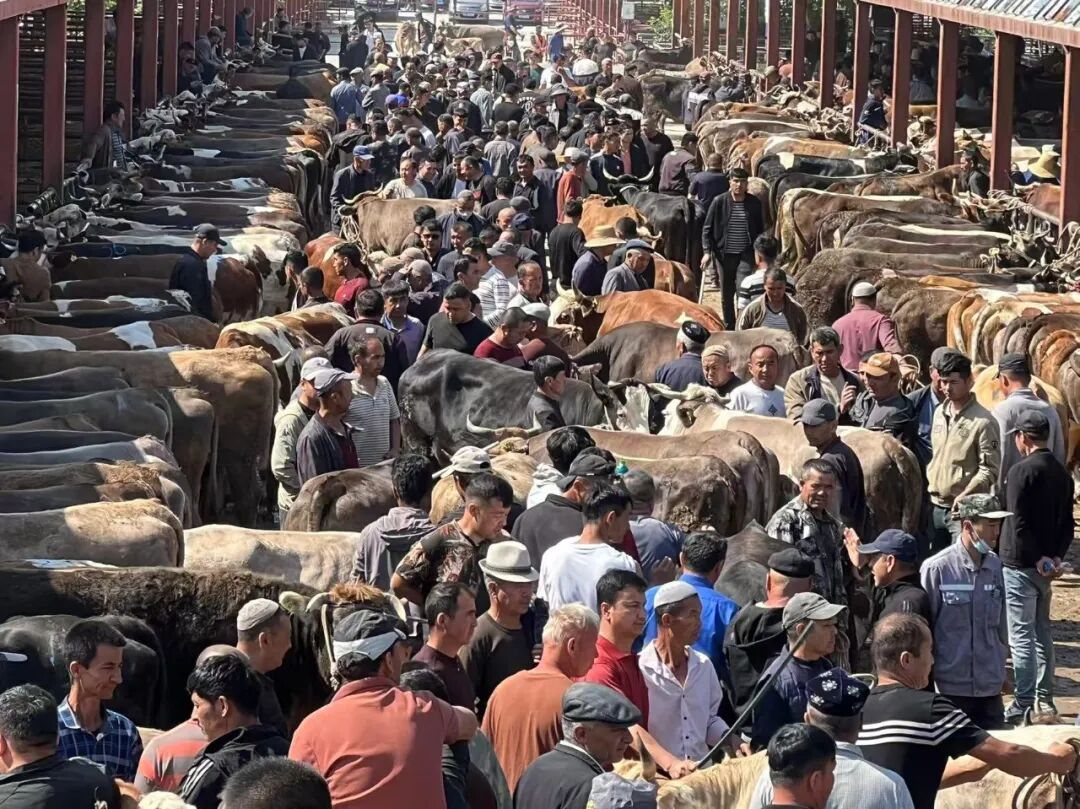
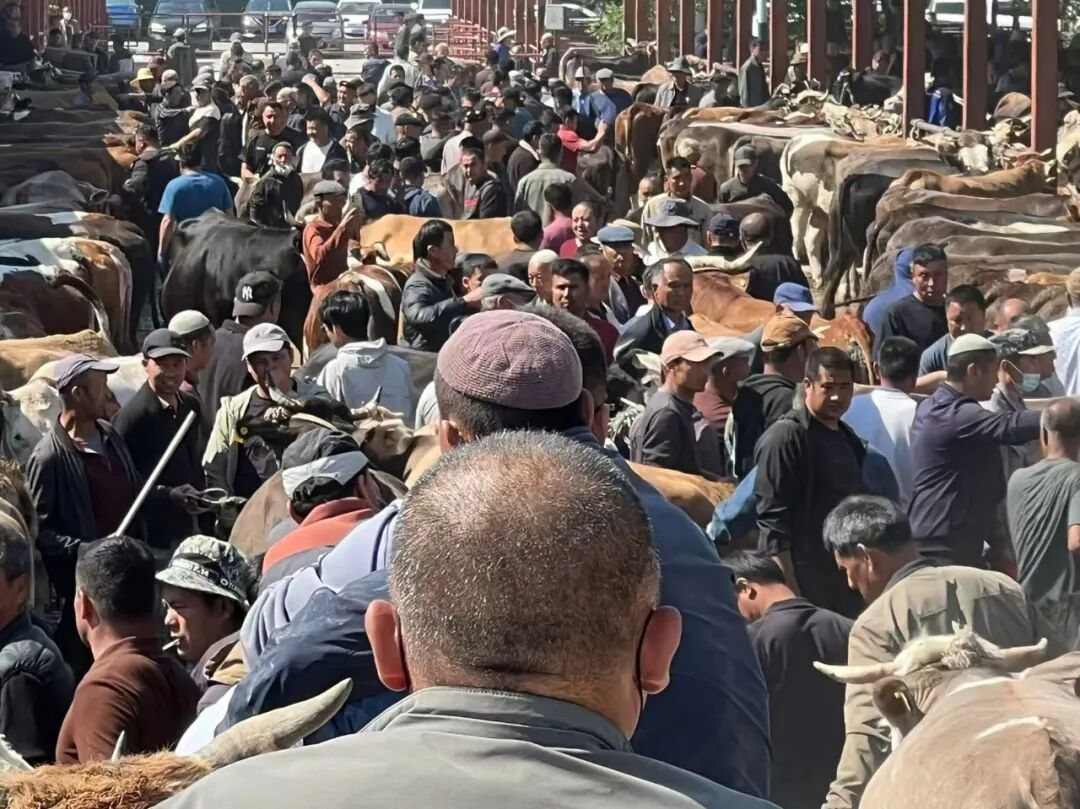
In my entire life, I had never seen so many cattle, horses, and sheep gathered in one area. First, I saw the adult cattle trading zone. It was also my first time brushing past so many cattle up close at once. It wasn't as dangerous as I had imagined. I dodged left and right, much like a racing game I played as a child. In that moment, I felt like the race car I controlled with the game controller in my childhood. The overlap of past memories and the real world brought me joy.
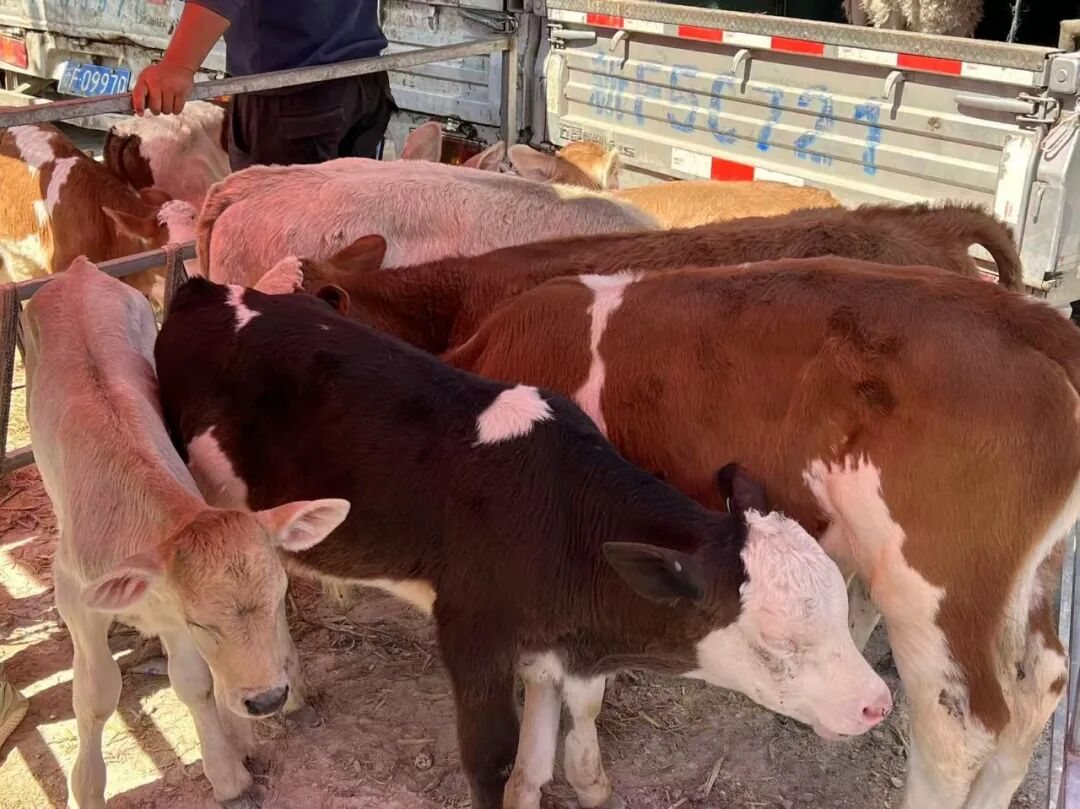
Leaving the adult cattle area, on the other side was the calf trading zone. Away from the intimidating presence of adult cattle, I found the calves adorable. I asked a Uyghur uncle who was leading a calf away how much he had paid for it. He said 2,500 yuan. In Xinjiang, you can buy a calf for 2,500 yuan, which seemed incredibly cheap to me. If I had a place to raise it, I'd have been tempted to buy one.
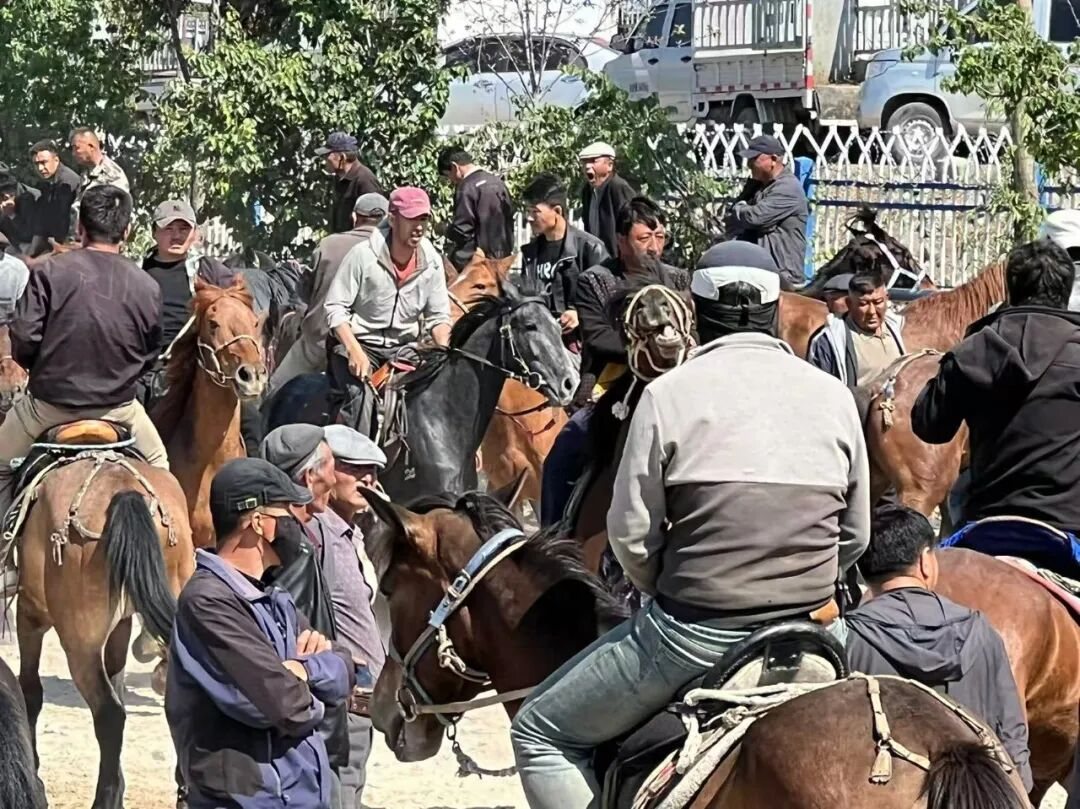
Among the cattle and the crowd, I could sense the tacit understanding between the herders and their cattle, a natural bond forged through long contact. Leaving the adult cattle area, I found the horse trading zone. The horses were enclosed by a huge iron fence—by the look of it, the size of several football fields. Some were tethered, but most were being ridden by their owners. In that confined space, people let their horses gallop and then turn around. Watching each rider, I could see a passion comparable to a man's love for cars.
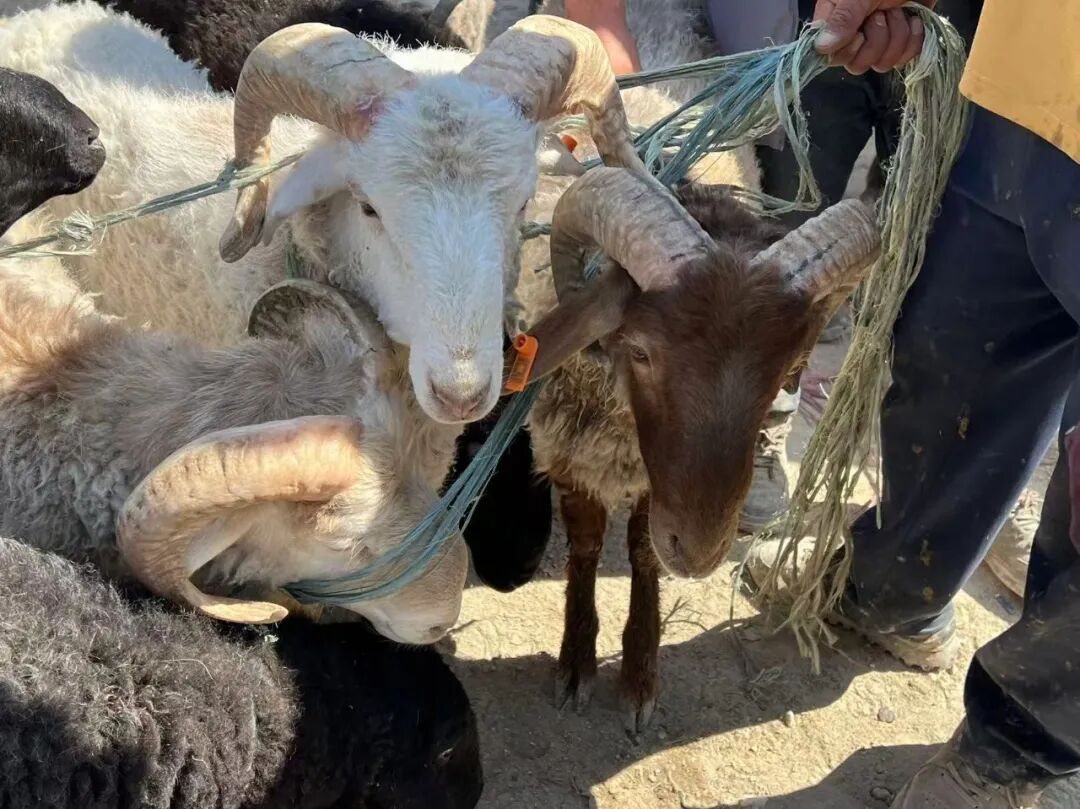
At the same time as seeing the horses, I also saw the sheep trading area. Some sheep were locked inside iron fences, others were led by hand. The sheep looked very different from one another—pure white, curly-fleeced, spotted, big and small. In the sheep area, you could freely touch them, and the lambs were really adorable. Watching the people on site shaking hands with each other while haggling back and forth, I couldn't understand the words, but it was clear they were negotiating prices. Just like the Tibetans who bargain by pinching fingers, it was fascinating.
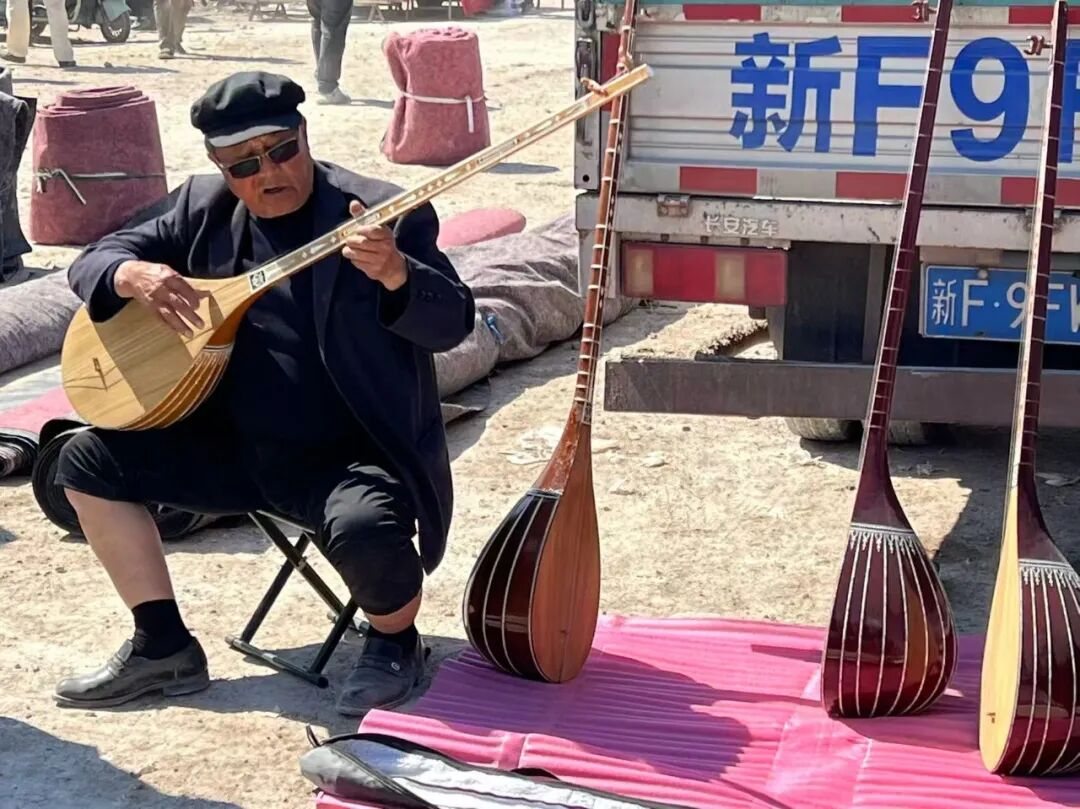
Beyond the cattle, horse, and sheep market, through a temporary corrugated iron barrier, was the daily-life bazaar. Here, there were Uyghur uncles playing and singing the dombura, shops selling horse tack and equipment, stalls with wooden goods, and vendors selling all kinds of clothing, shoes, and hats. There were also shops selling beef and mutton, and seasonal fruits.
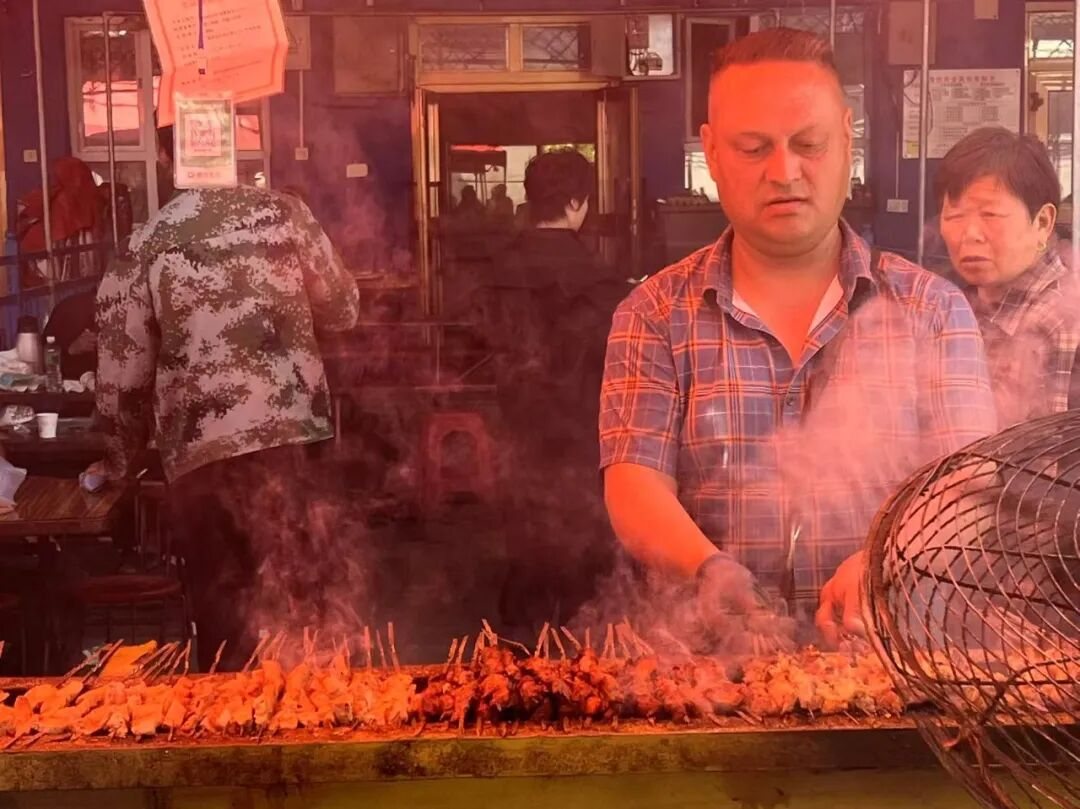
My favorite part was the food street, which offered a variety of grilled skewers, pilaf, lamb offal soup, baked buns, bone broth, pomegranate juice, cold noodles, and more. Here, your taste buds can be fully satisfied.
If a trip is about more than just seeing different landscapes, in my heart, you must also go to a local bazaar that is closest to the locals' daily life. Here, everyone gains their own insights. If your travel plans include Ili in Xinjiang and the timing aligns, I strongly recommend attending a cattle, horse, and sheep grand bazaar.
Photos
Continuer à lire
3
Jason | Using AI to Create Your Own Mini Program/Website
Two months ago in Chiang Mai, I stumbled upon the chance to start learning how to build mini programs. My AI programming mentor, Wangshen, told me, 'Once you finish your mini program, write a summary report.' Now I've completed the new mini program for Cangshan Hiking Home, and it's already being tested. It not only solves problems I've wanted to address for a while, like adding age tags to filter activities and providing an English version, but it has also introduced new features, such as browsing restaurants, guesthouses, and meeting points on a map for a more intuitive experience, and using AI to provide quite intelligent responses.
Learn AI Programming Together
Some information about AI programming
Celebrate the Torch Festival in a Nanzhao Royal Clan Village
Over the past two years, we have taken guests to celebrate the Torch Festival in Songhe Village, Eryuan. Together we slaughtered a sheep, and with the whole village, erected a huge torch in the center of the village square. Everyone made their own torches from hemp stalks, and together with the older and younger villagers, we rushed to grab the blessing baba (cakes) from the big torch, passing blessings to each other with fire. Even for me, a native Bai person, these are rare and precious traditional festival experiences. Dali has endless festivals, and I want to experience them more before they fade away. I remember the Torch Festival of my childhood: torches were no longer enough for me. Before the festival, I would tell my dad to prepare a bucket of waste engine oil and diesel, mix them together, and then I would tightly bind cotton and old cloth with rope into a ball (some kids would secretly take cotton from their quilts at home to make it). Finally, I would make an iron wire ball, soak it in the bucket of oil, and secretly take it out every day to look at it, looking forward to having a great time on the day of the Torch Festival. We would compete in the village and by the rice fields to see whose fireball or torch was more impressive. When the torches and fireballs were almost burned out, we would rush home, walk around the potted fruit trees in circles, and say blessing words, hoping they would grow even better in the coming year.