À propos de ce voyage
Cross the warm Shanyang Basin in winter, visit a local market, walk the core part of the Southern Silk Road: the Bonan Ancient Road, cross the Lancang River, arrive at the border between Dali Prefecture and Baoshan City, visit an ancient village by the river, go to a local rural market, and enter the forest of Mount Mulianghua.
Activity Schedule:
Minimum participants: 2
Departure time: 10:00 AM, meet at SIMPLE STONE BAKERY, 2 hours 40 minutes drive
Return time: 8:30 PM on the second day
Includes: round-trip transportation, travel insurance, one night accommodation, four meals (breakfast on day one, dinner on day one, breakfast on day two, lunch on day two) (no additional costs)
Notes: On the first night, you will stay at a local hotel in Shanyang Town; the hotel in town is a standard hotel with limited conditions.
The cost is per person, same price for adults and children, no group discounts.
For inquiries and post-booking itinerary arrangements, please add my WeChat:
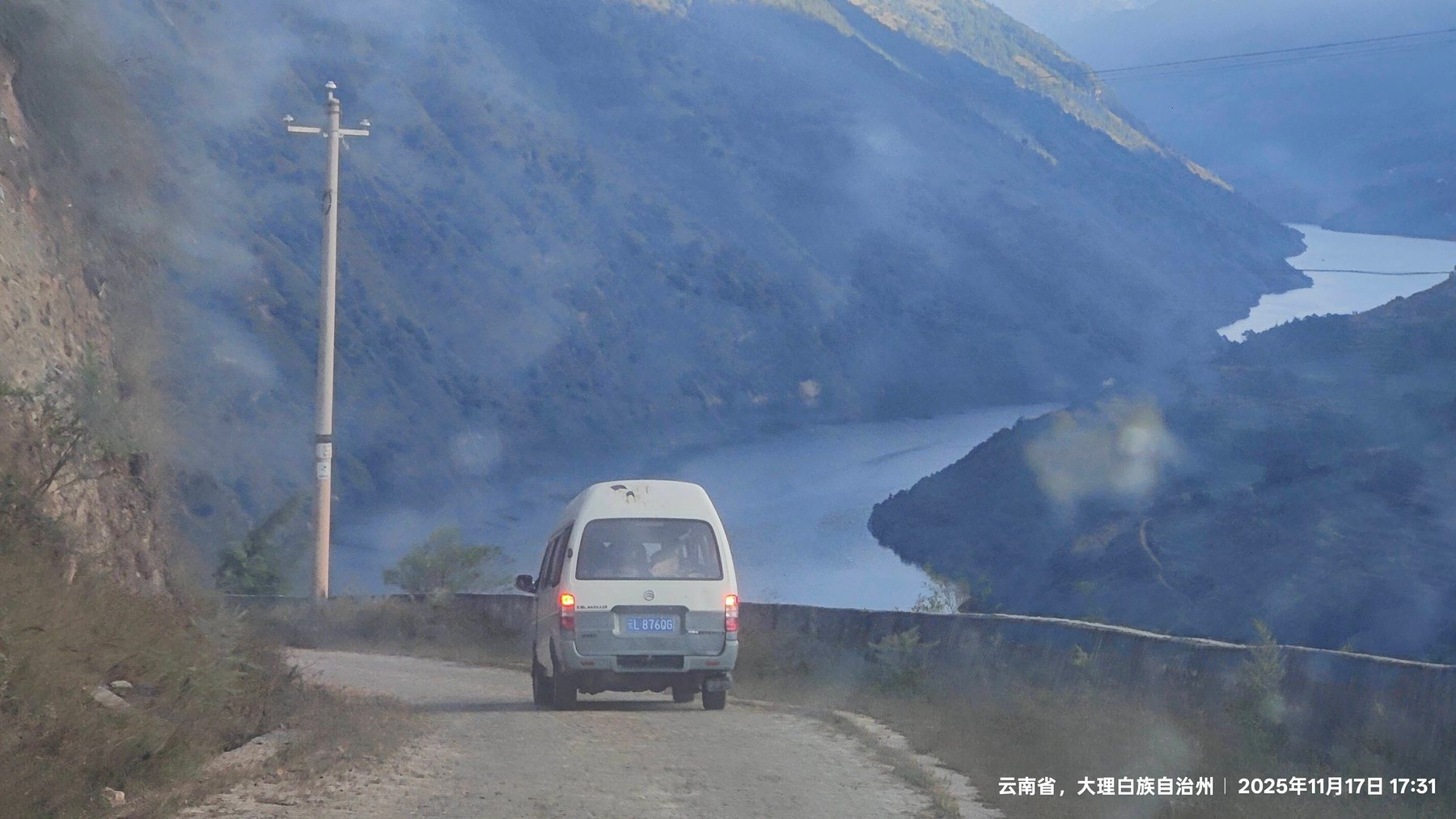
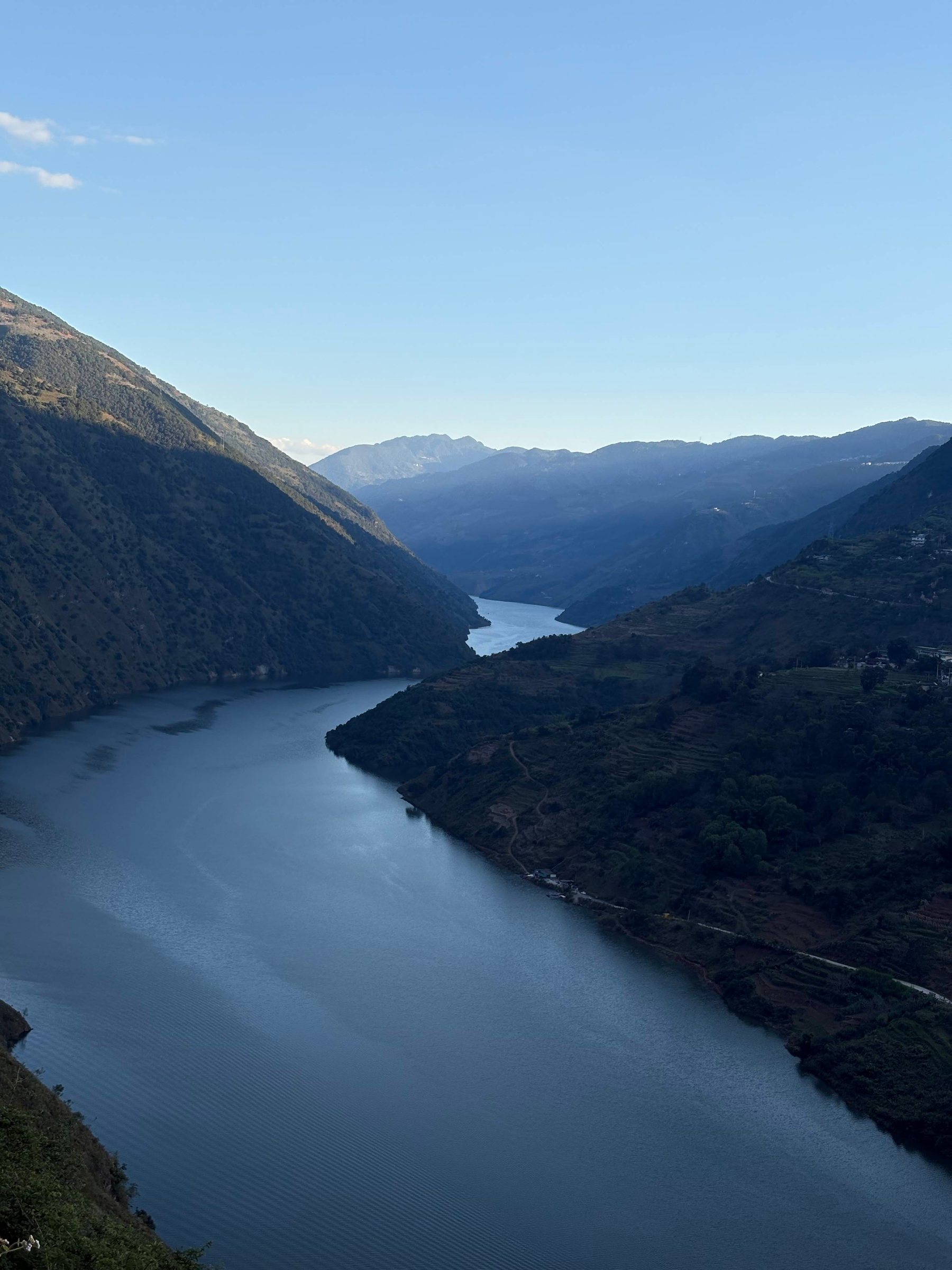
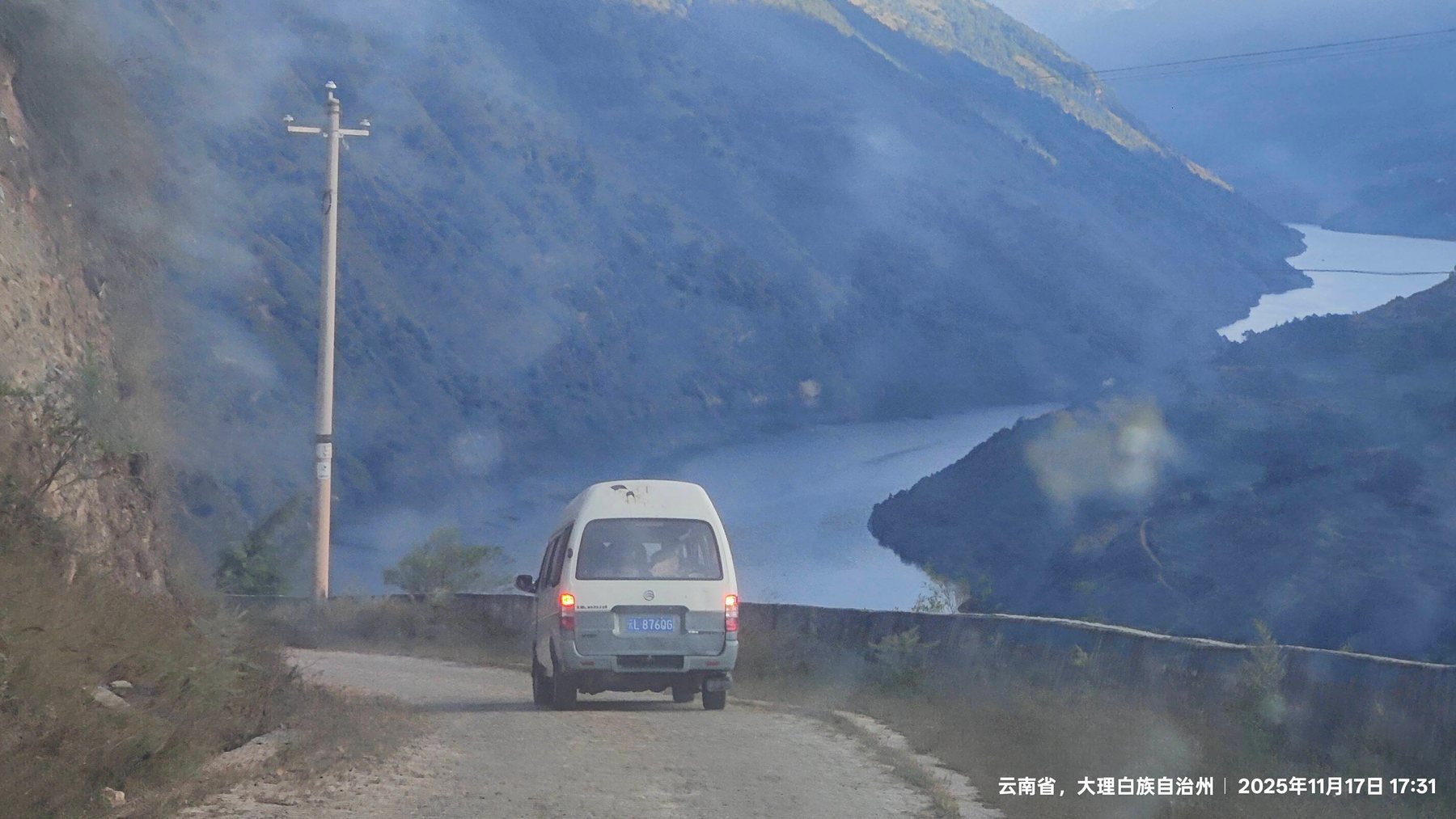
Our car is crossing the warm basin of Shanyang Town, the faint evening sunlight pours into the windows. This is already near the border between Dali Prefecture and Baoshan. The Lancang River is flowing quietly in the direction of the sunset.
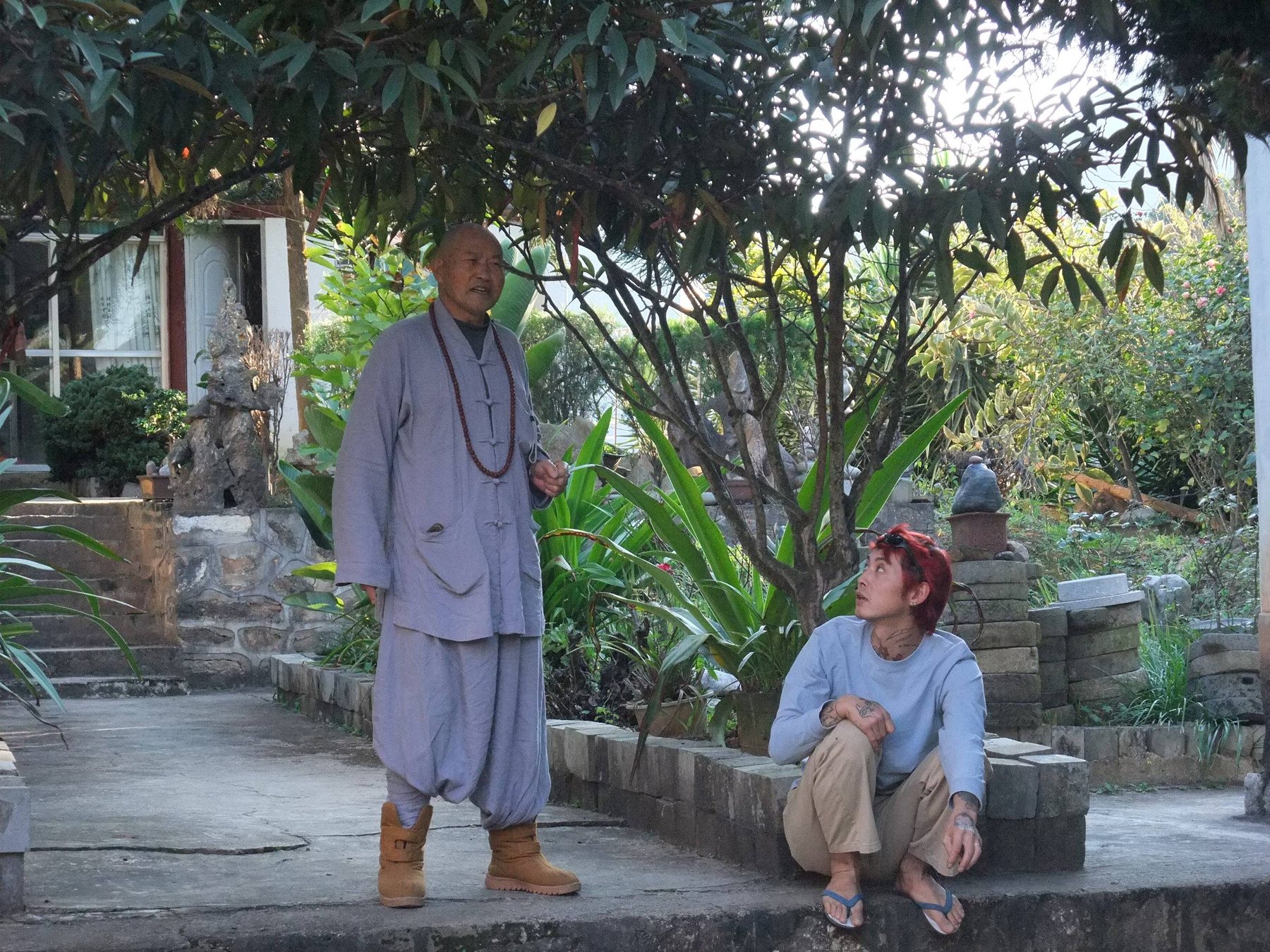
Teacher Zhuang, a local middle school art teacher traveling with us, is enthusiastically introducing the history of Shanyang Town, the Lancang River, and the Bonan Ancient Road. A few minutes ago, he naturally walked into our sight, finished his self-introduction in just over ten seconds, and got into our car. It felt like a scene allowed in a road movie; his sincerity and passion moved us from the very beginning.
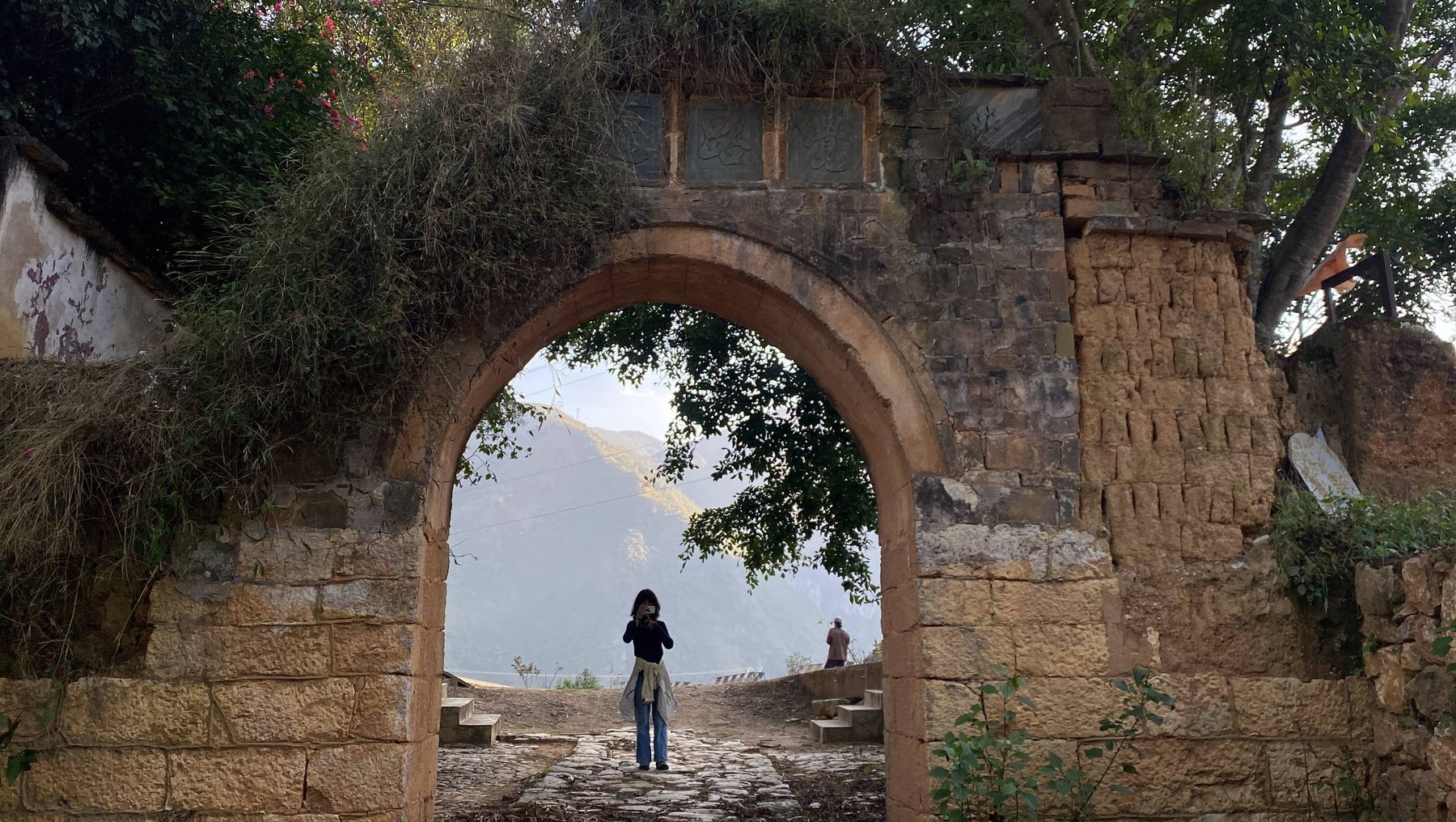
And the travels along the Lancang River on this trip were also met with the warm kindness of local people like Teacher Zhuang. So much so that days after returning to Dali, when thinking of the Lancang River and Shanyang Town, my heart still retains a warm aftertaste... We crossed Mount Bonan from the east bank of the Lancang River. At the top, a brick-and-stone archway remains, with one side inscribed: "Jue Lu Yao" (The Awakening Path is Far) and the other: "Guan Song Zhi" (The Pass Stands Tall).
Looking westward through the archway, clouds and mountains multiply. It seems that beyond here lies an even wider world. A few days ago, He Chen sent me a screenshot of a map. Staring at the three characters "Jue Lu Yao," my eyes, dull from the flu, widened.
"Jue Lu Yao, Guan Song Zhi" sums up the farewells with thin wine and kind treatment, the hardships of travel through wind and rain. "Just because of this name, I wanted to go there," was my thought at the time.
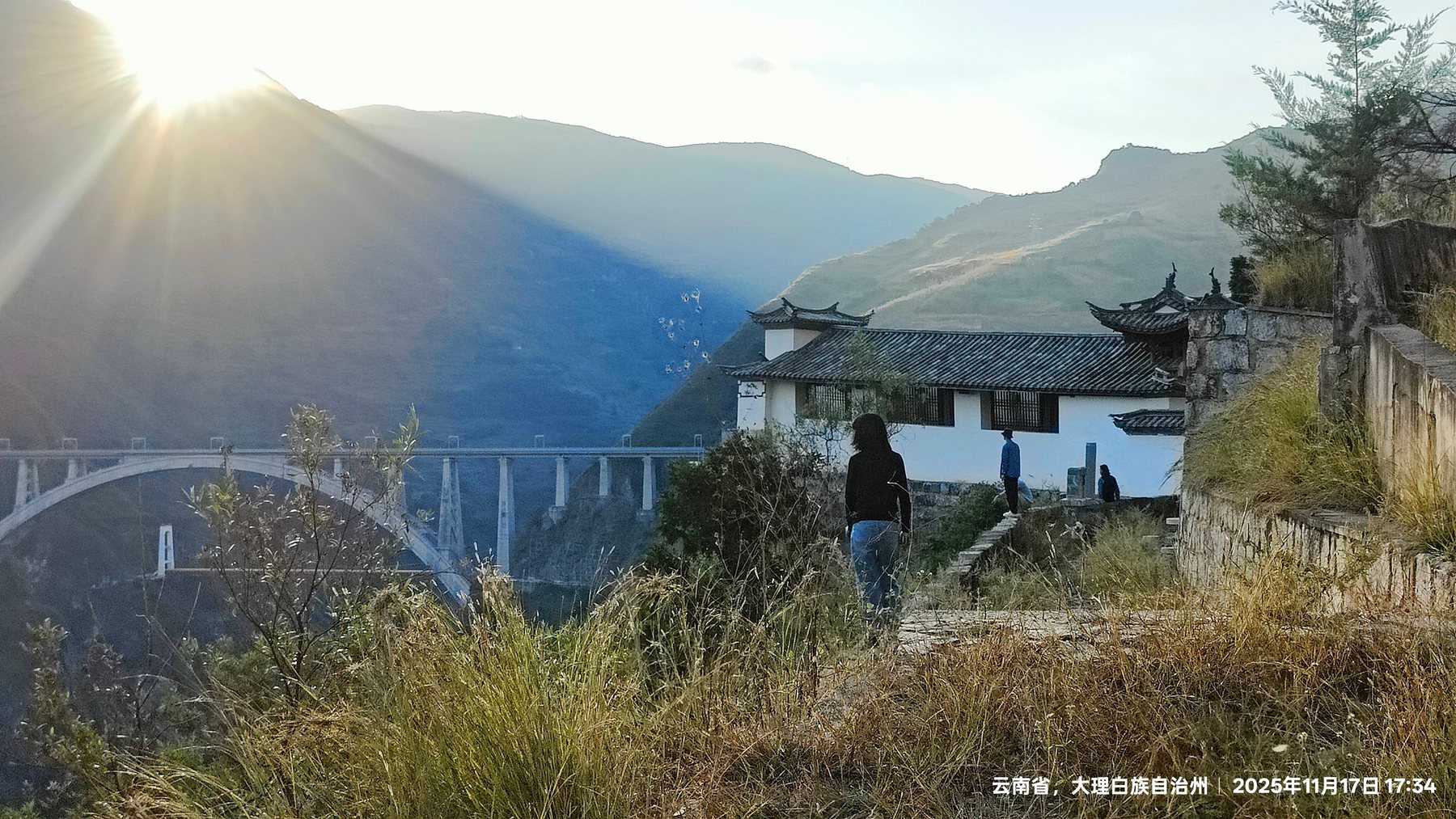
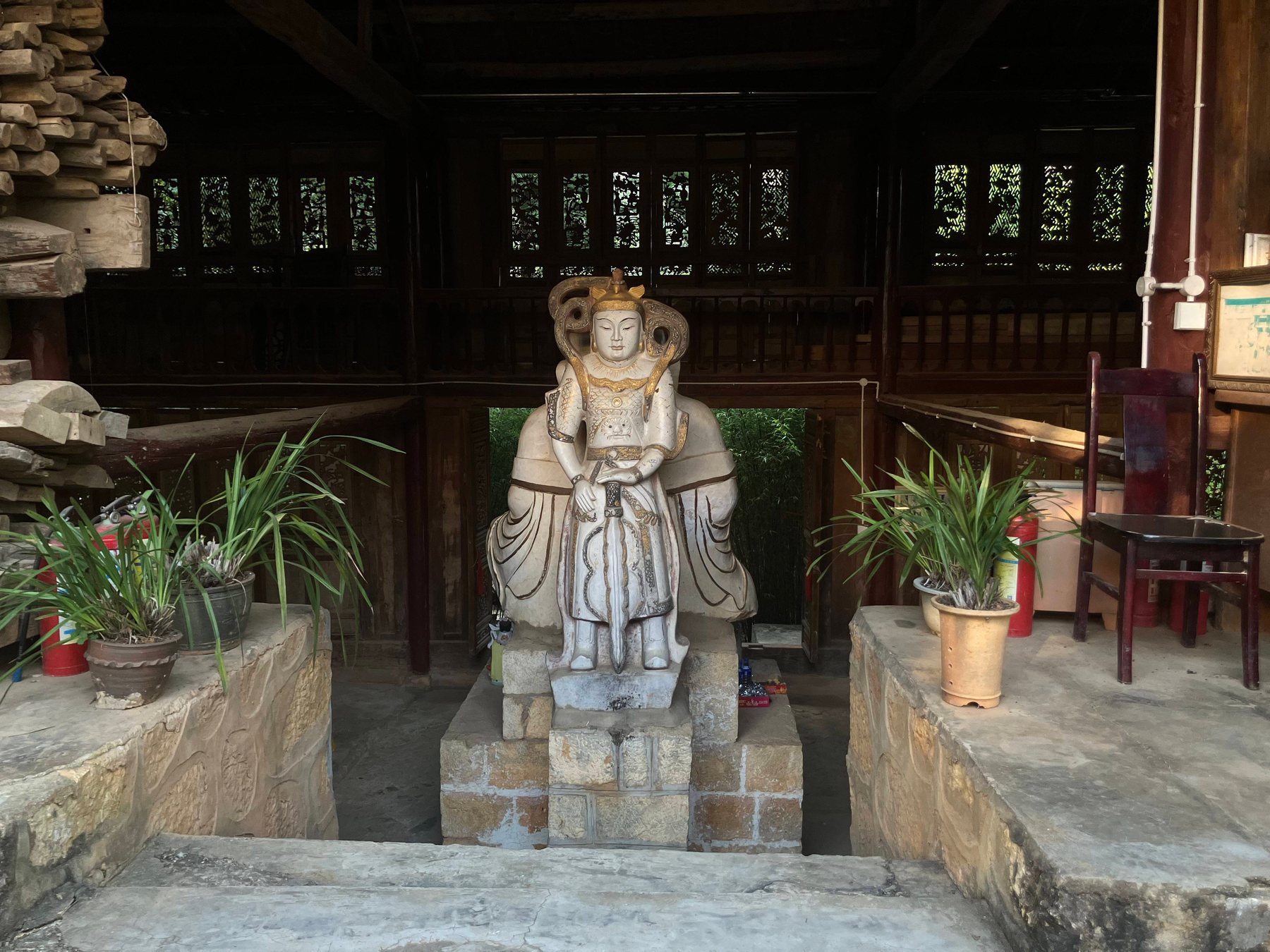
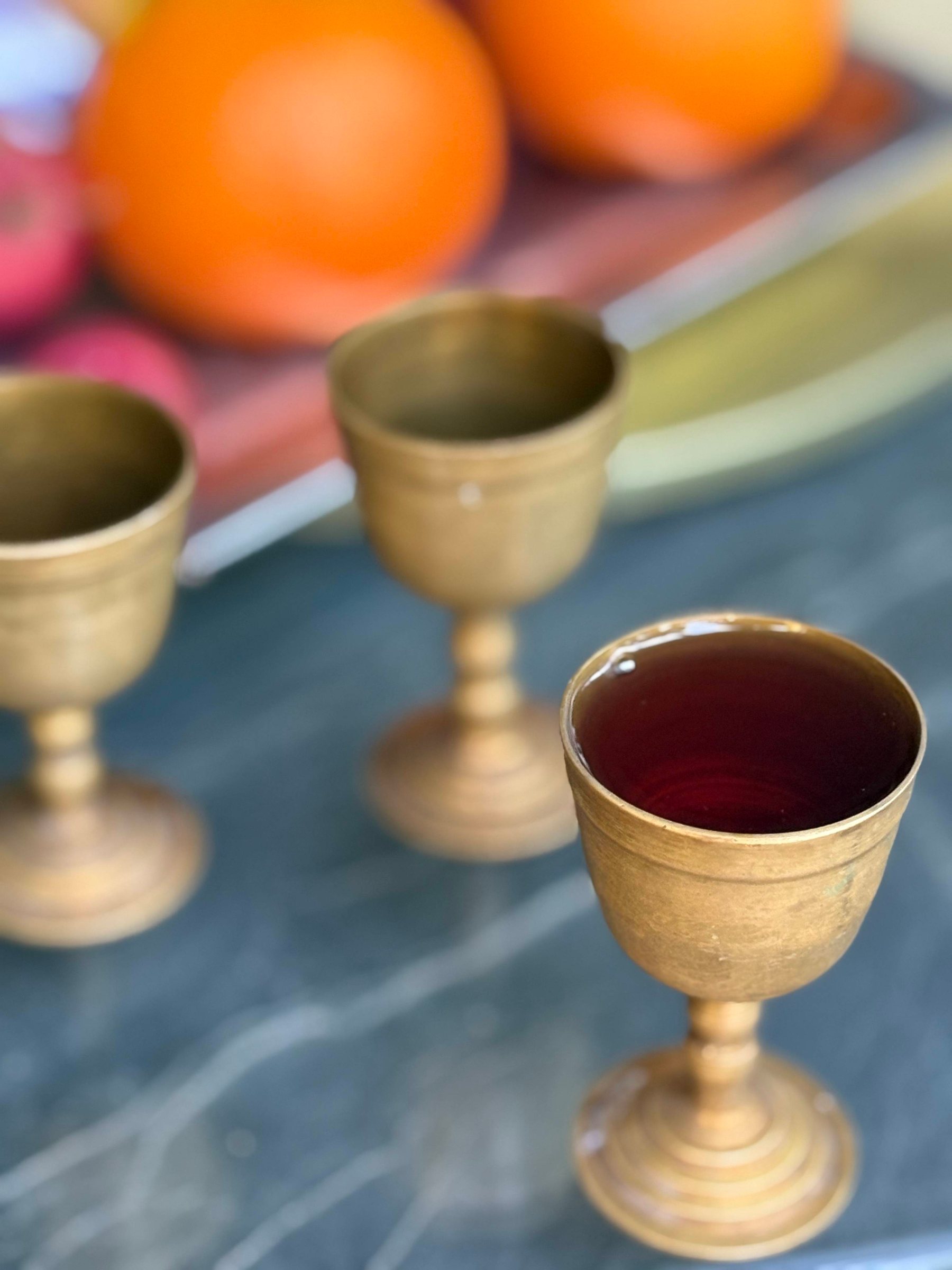
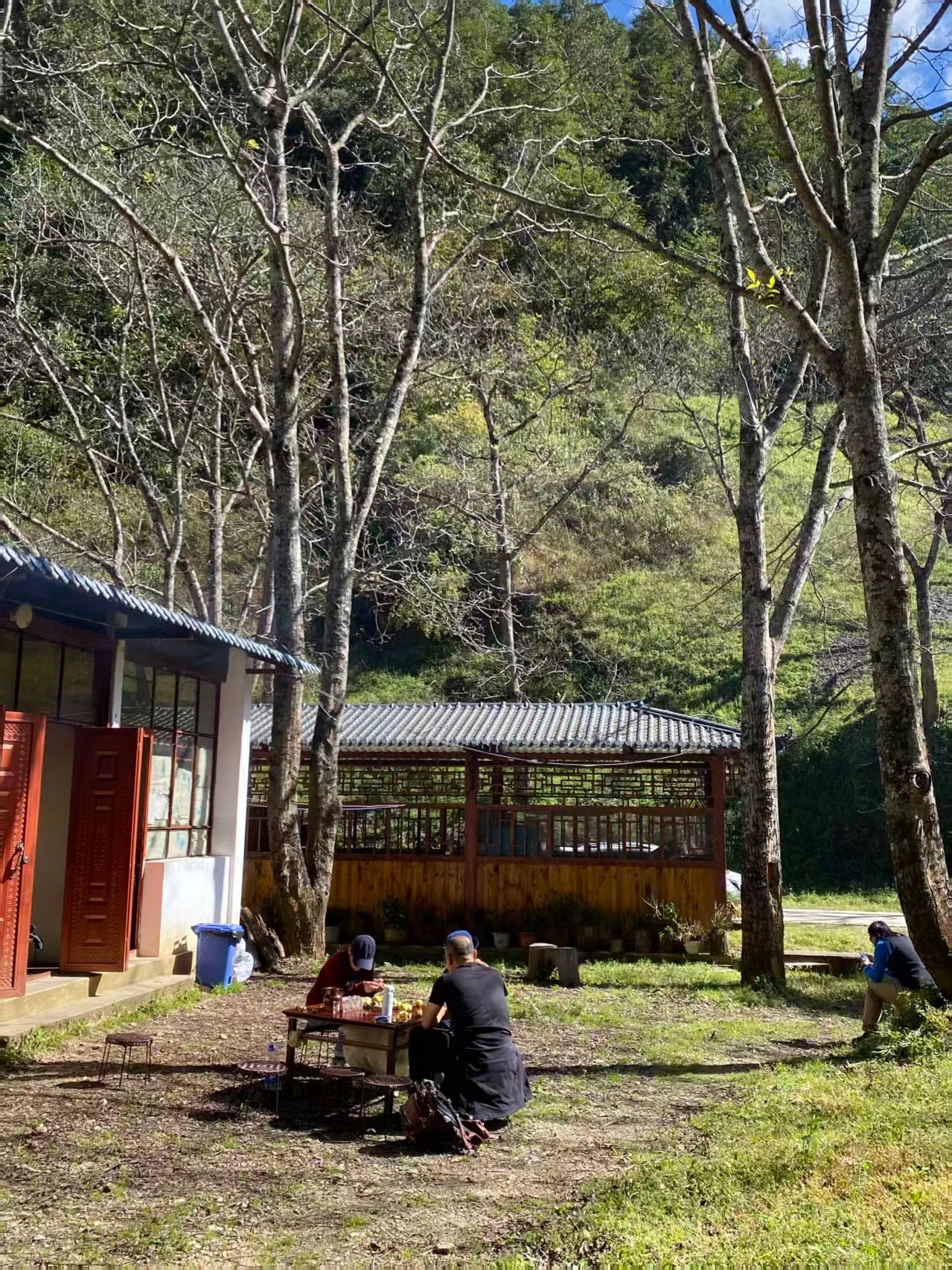
The Jiangding Temple, built in the Ming Dynasty, has weathered time and no longer retains its original appearance. The temple guardian invited us to drink his self-made enzyme, which was very refreshing and sweet.
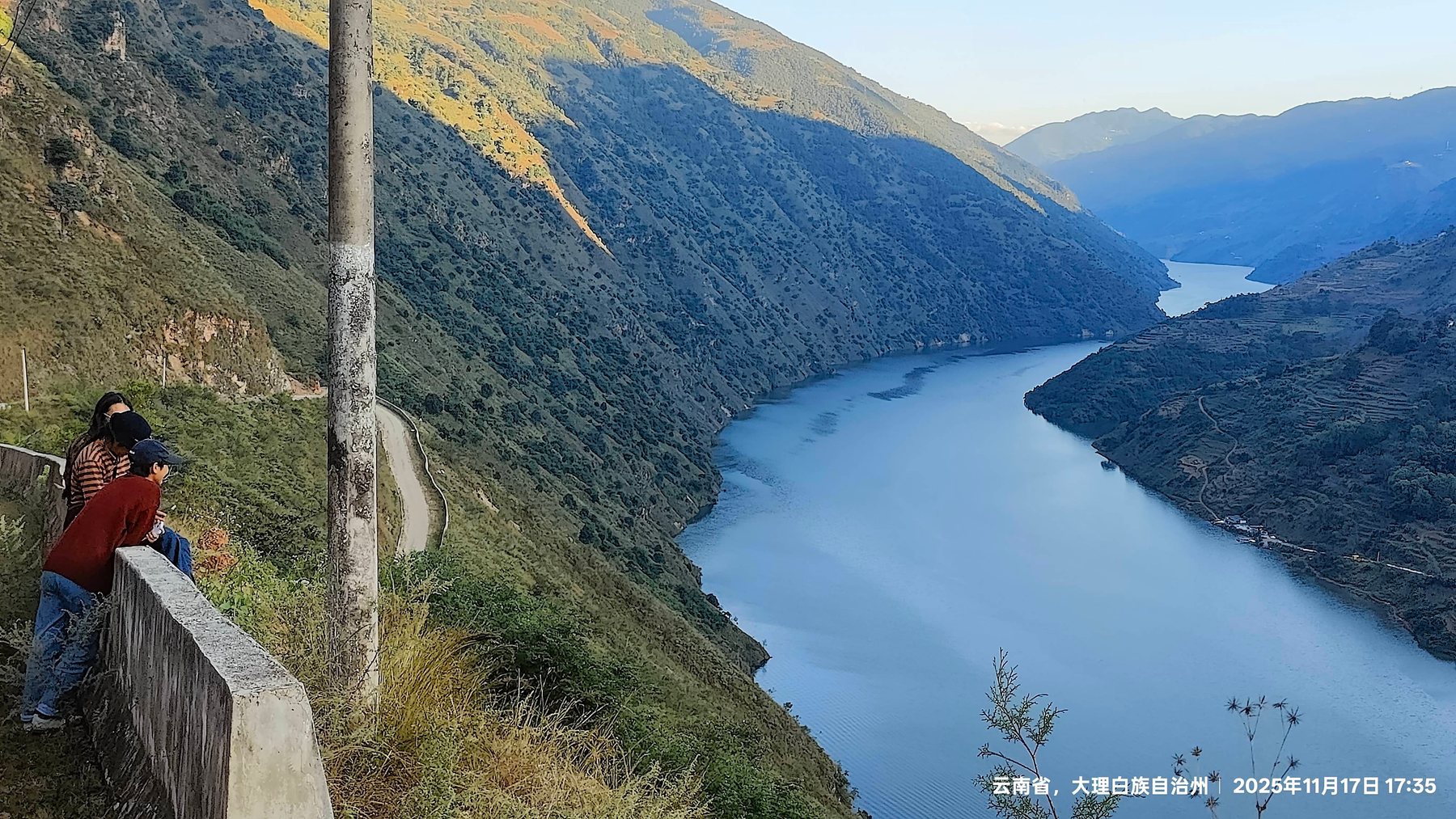
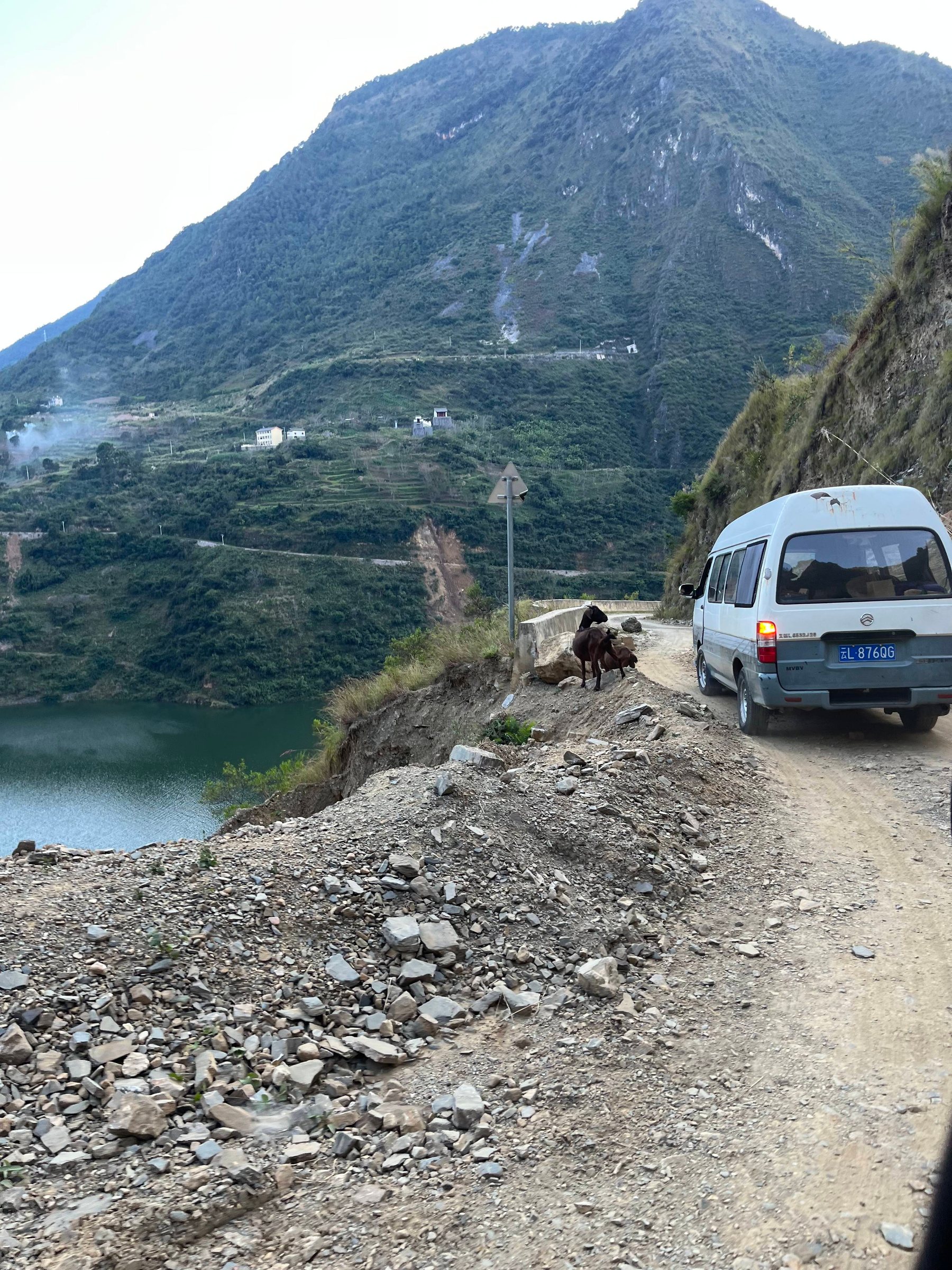
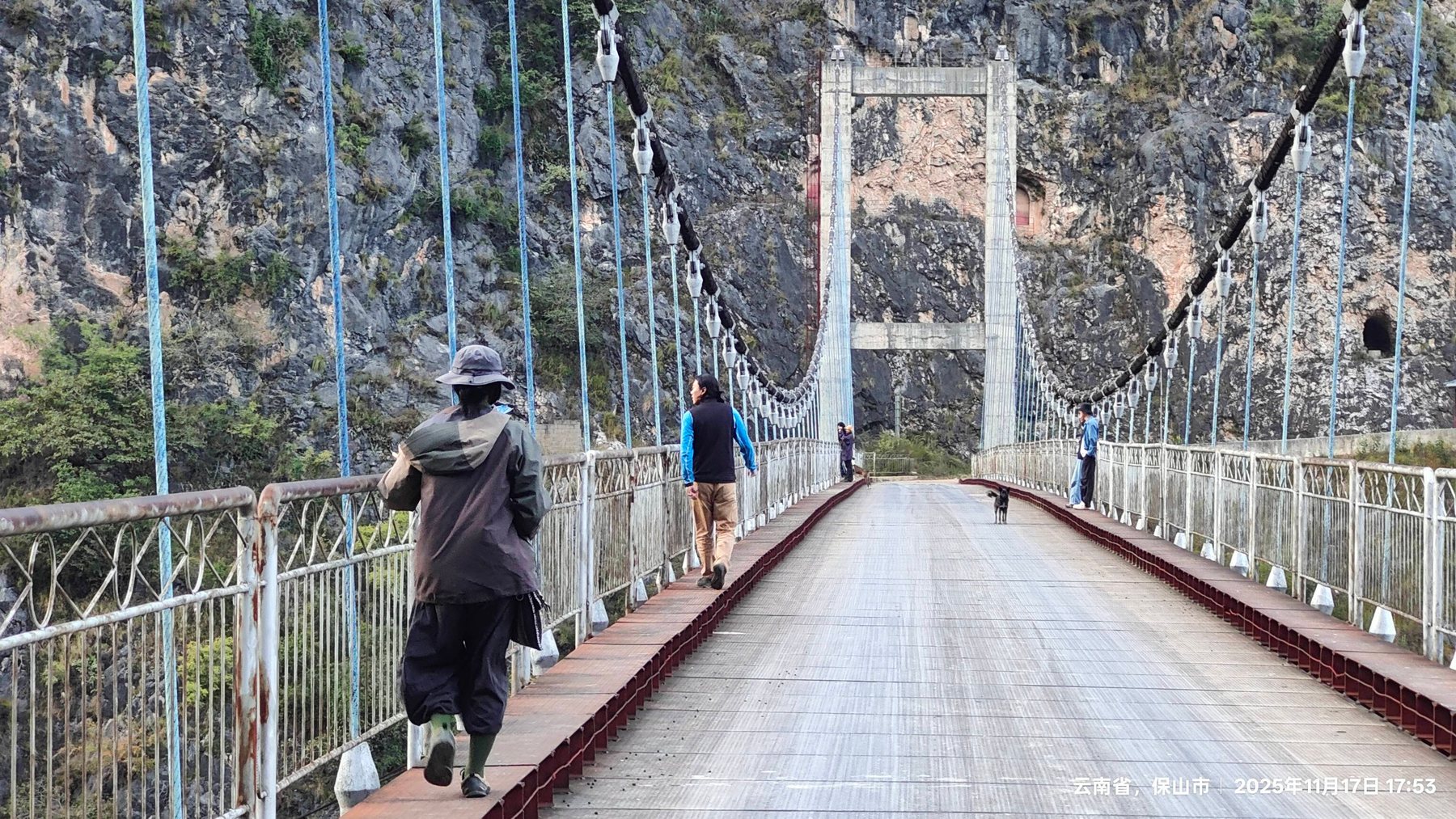
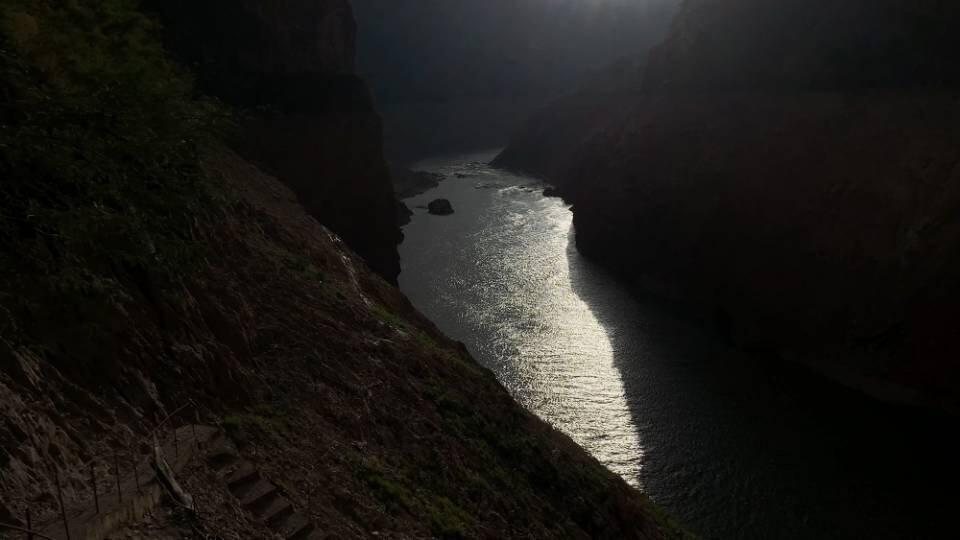
Passing through the stone archway, we meandered down the winding mountain road. Soon, the Lancang River appeared before our eyes.
Even when driving, you must be extremely careful. It is hard to imagine how cautious the caravans of people and horses must have been in this gorge with surging rivers, high mountains, and dangerous paths.
Most rivers in Yunnan are not navigable over long distances; there are only ferries for people and horses to cross. The "Lanjin Ancient Ferry" is the most famous ferry on the Southern Silk Road, renowned worldwide as a "cliff-side wonder crossing." Countless caravans, travelers, and refugees passed through here to enter Myanmar, India, and other places.
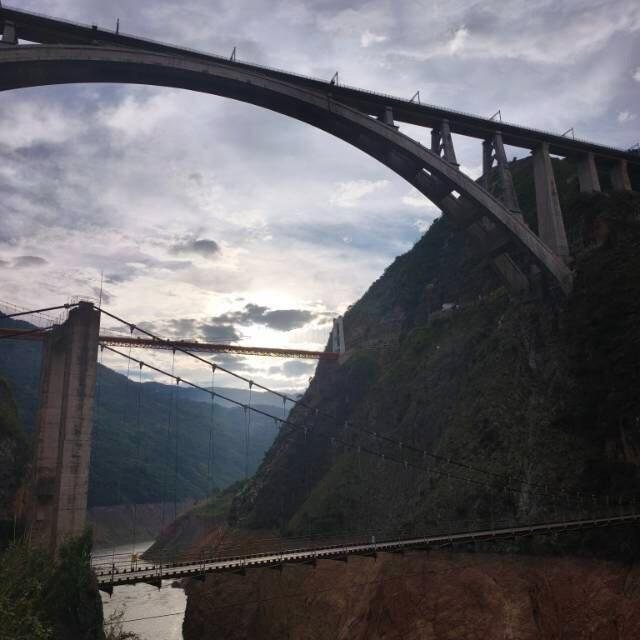
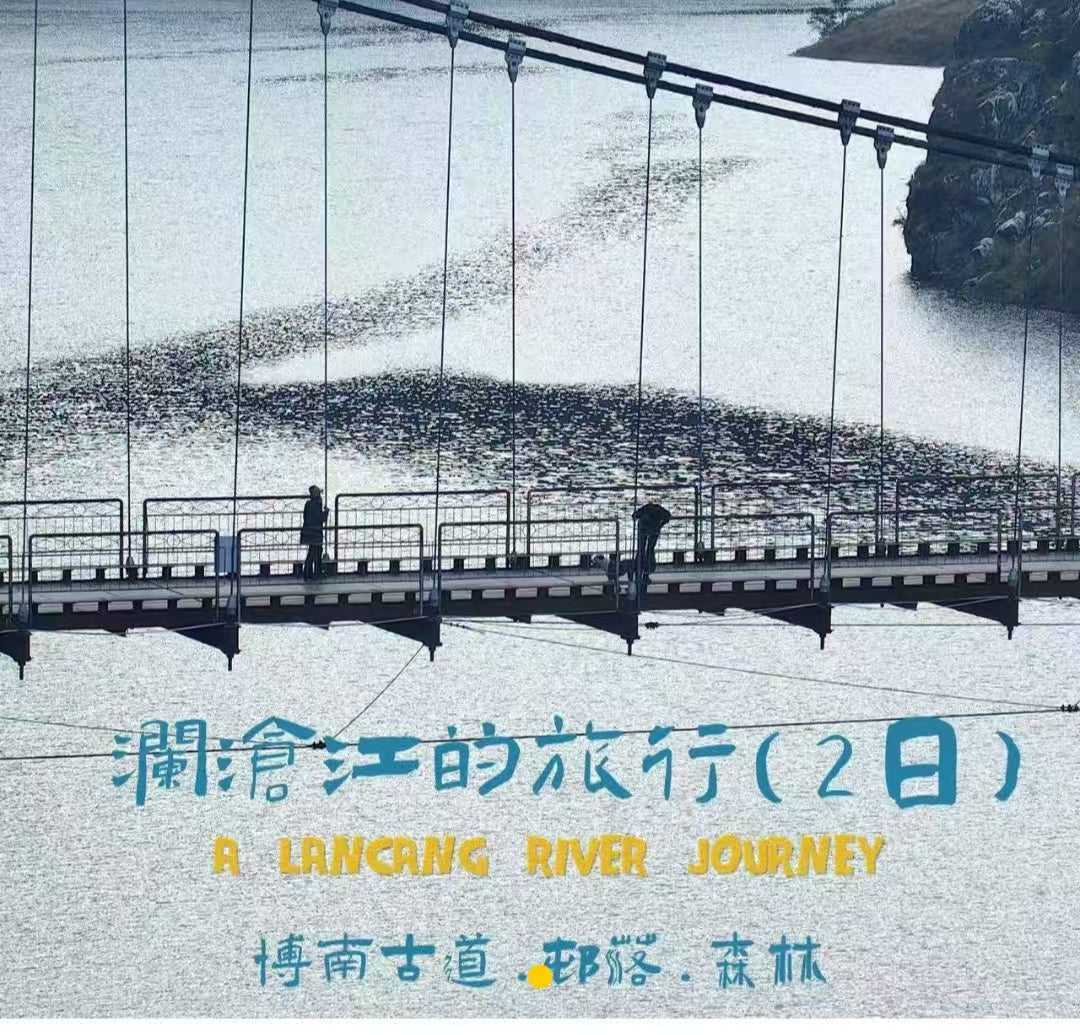
Today, the ancient ferry and the Jihong Bridge, once the throat of the Bonan Ancient Road, have sunk beneath the river. Looking up, the highest point is the oil pipeline bridge coming from Myanmar's Kyaukpyu Port into Yunnan. Crude oil from the Middle East and Africa can be piped directly to Southwest China without passing through the Malacca Strait. It seems like a continuation and heritage of this ancient Southwest Silk Road. The river still flows, but the shouts of horse drivers and the sound of hooves have vanished.
On the opposite bank in the ancient village of Pingpo, on the flagstone roads, you can still see sunken hoof prints from repeated trampling by horse teams. They vary in size and shape.
On the way back to the Shanyang Basin, it was almost late at night. From the mountaintop, looking down at the twinkling lights of the village, I said to Zhenhao: "So beautiful, like a galaxy on a lake!"
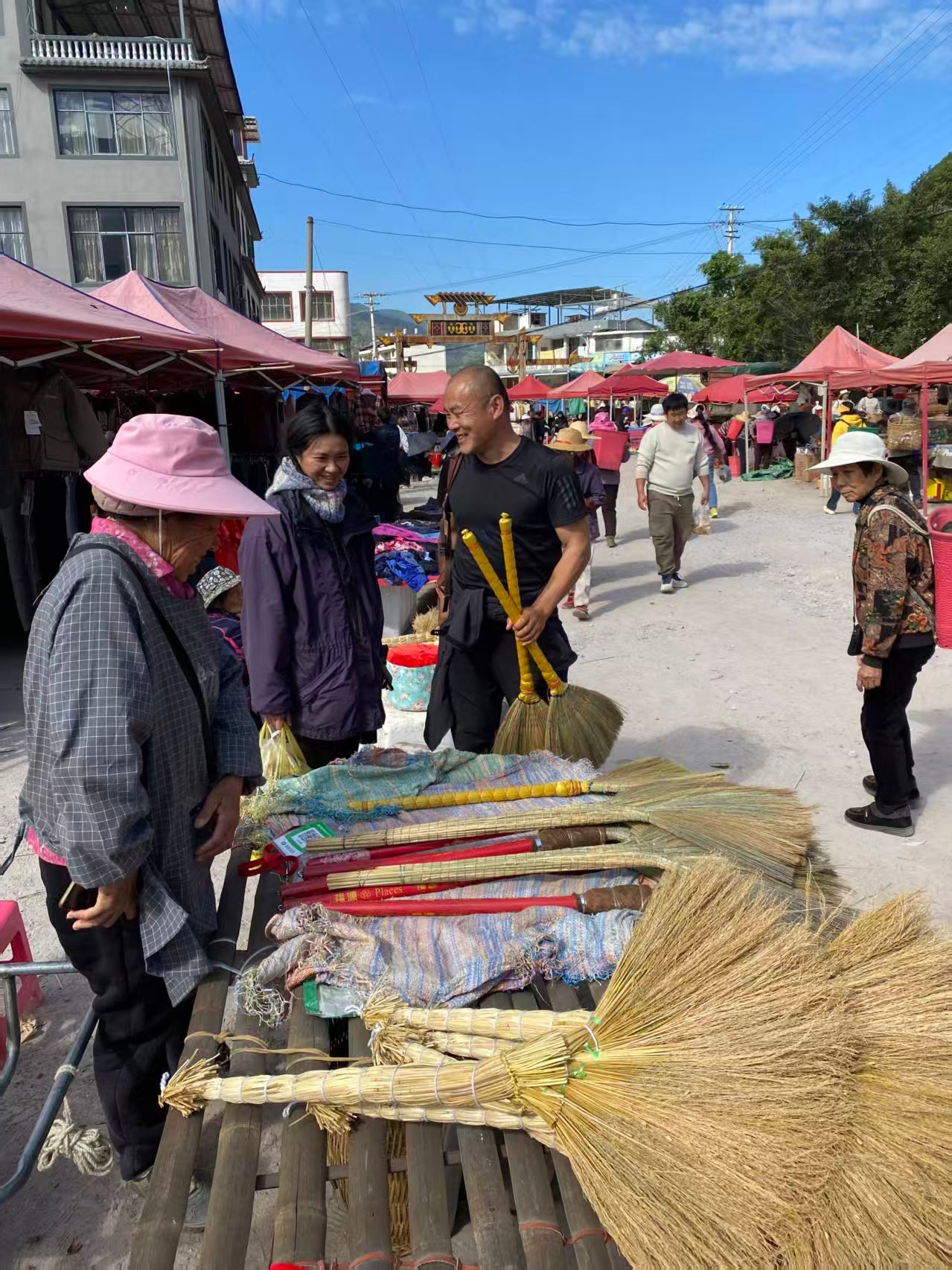
The next morning, Teacher Zhuang's wife told us that today happened to be the market day in nearby Yonghe Village, and we could go check it out.
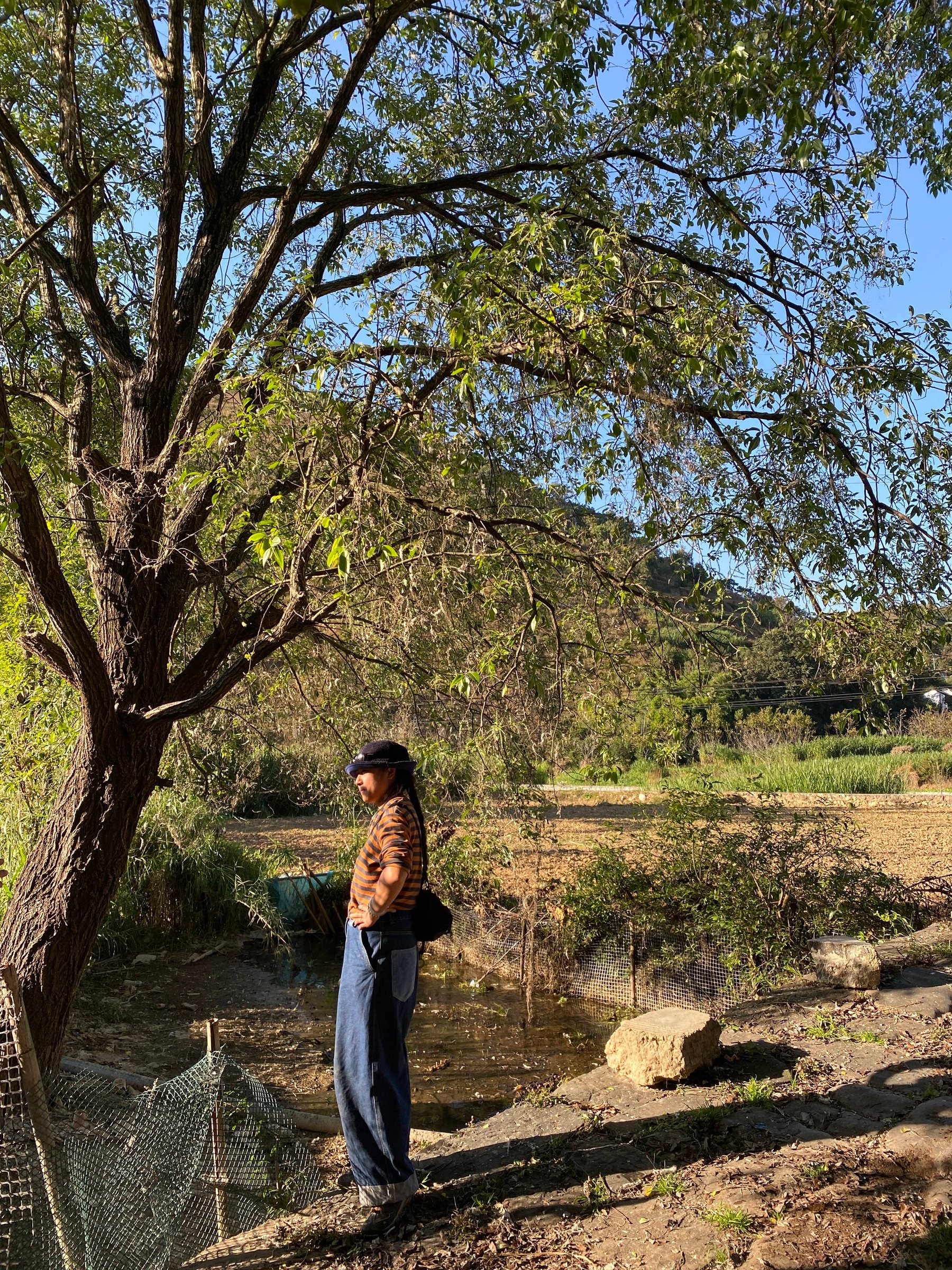
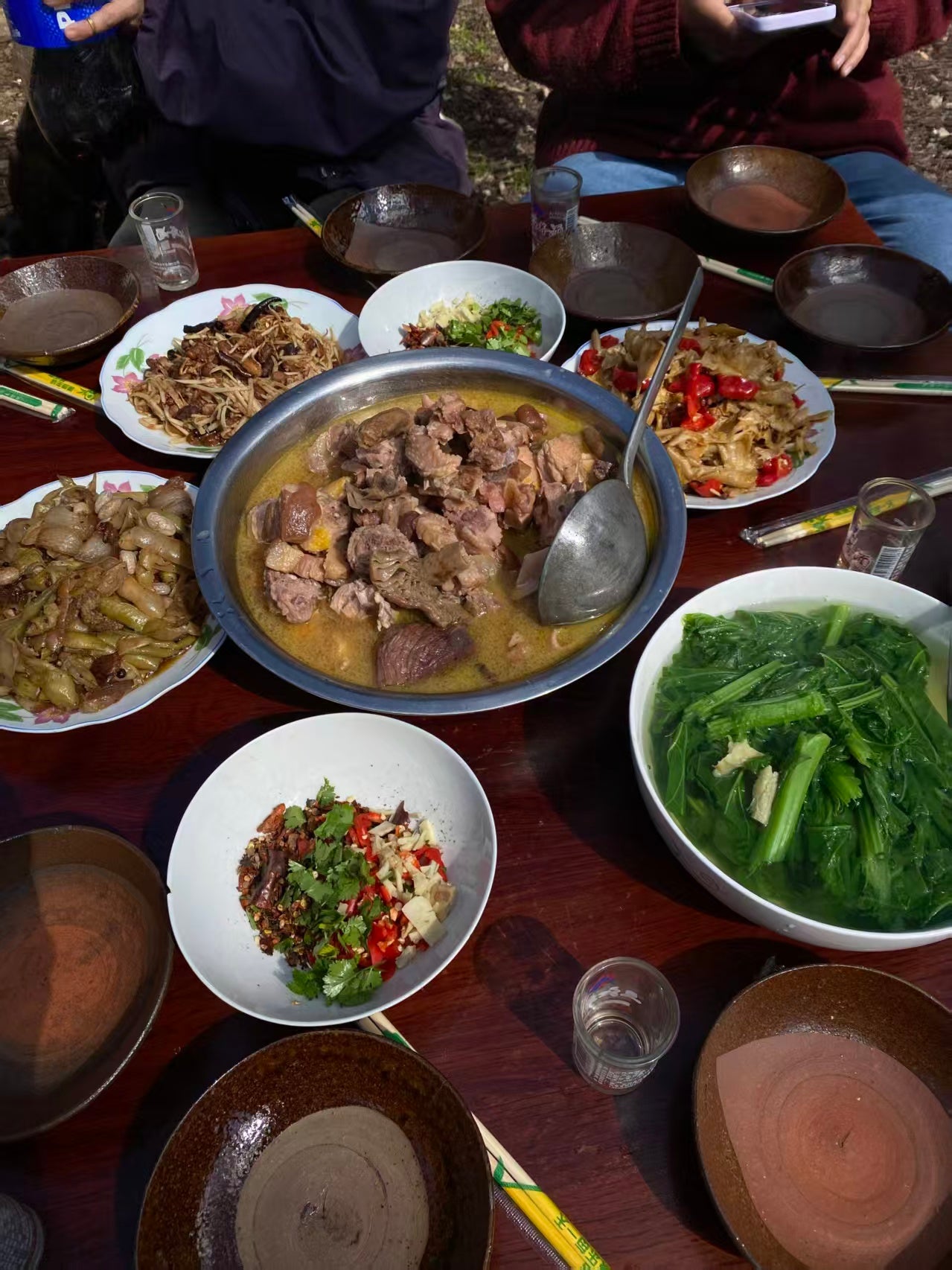
On Teacher Zhuang's recommendation, on the way to Mount Mulianghua Forest, we had lunch at a farmhouse at the foot of the mountain. The hostess was cheerful and kind, and the food was surprisingly delicious. After a hearty meal, I strolled along the village path. The autumn sunlight made the green rice seedlings on both sides even more verdant. A gentle breeze blew, with only the chirping of birds. It was truly a paradise-like place.
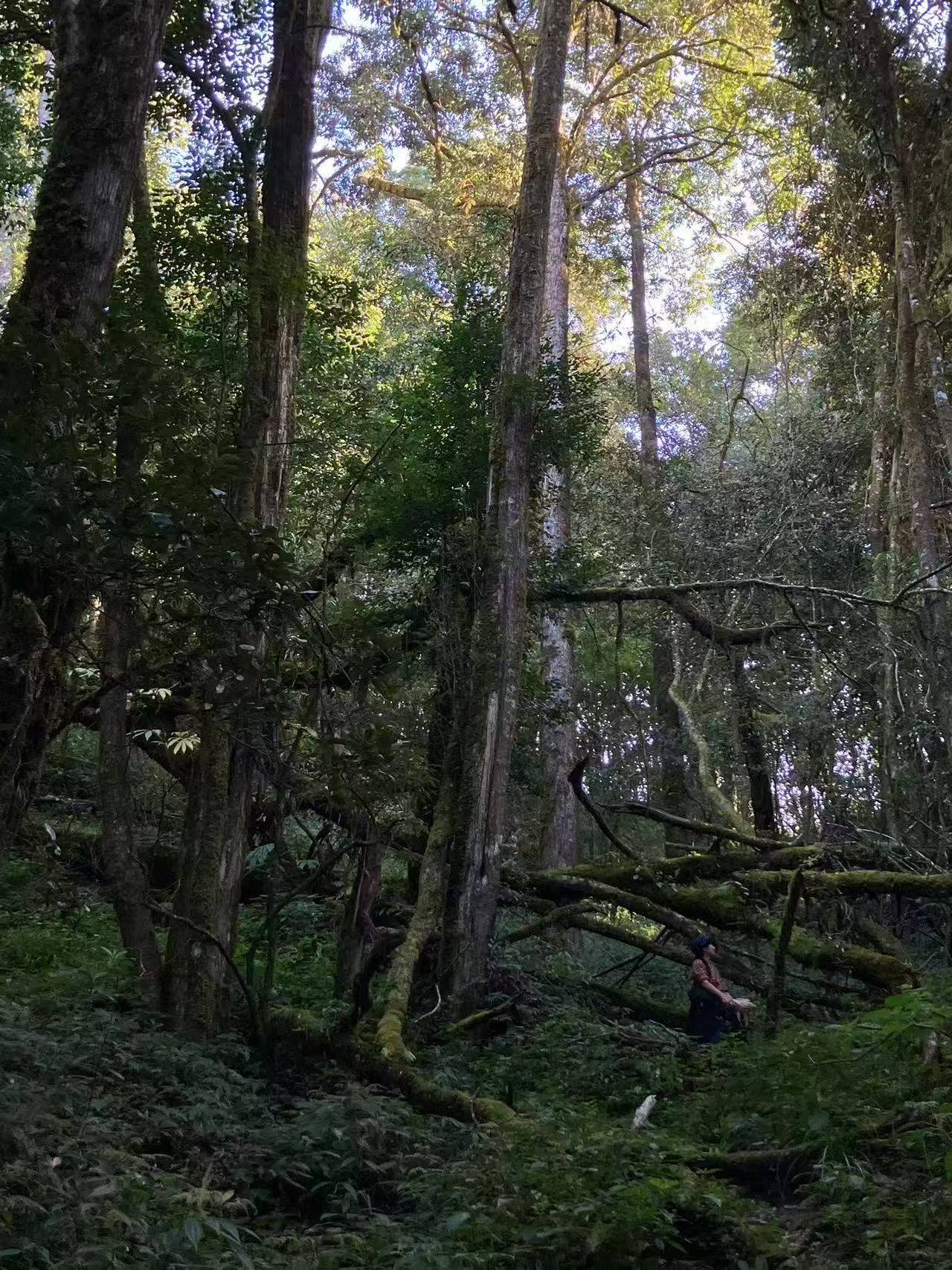
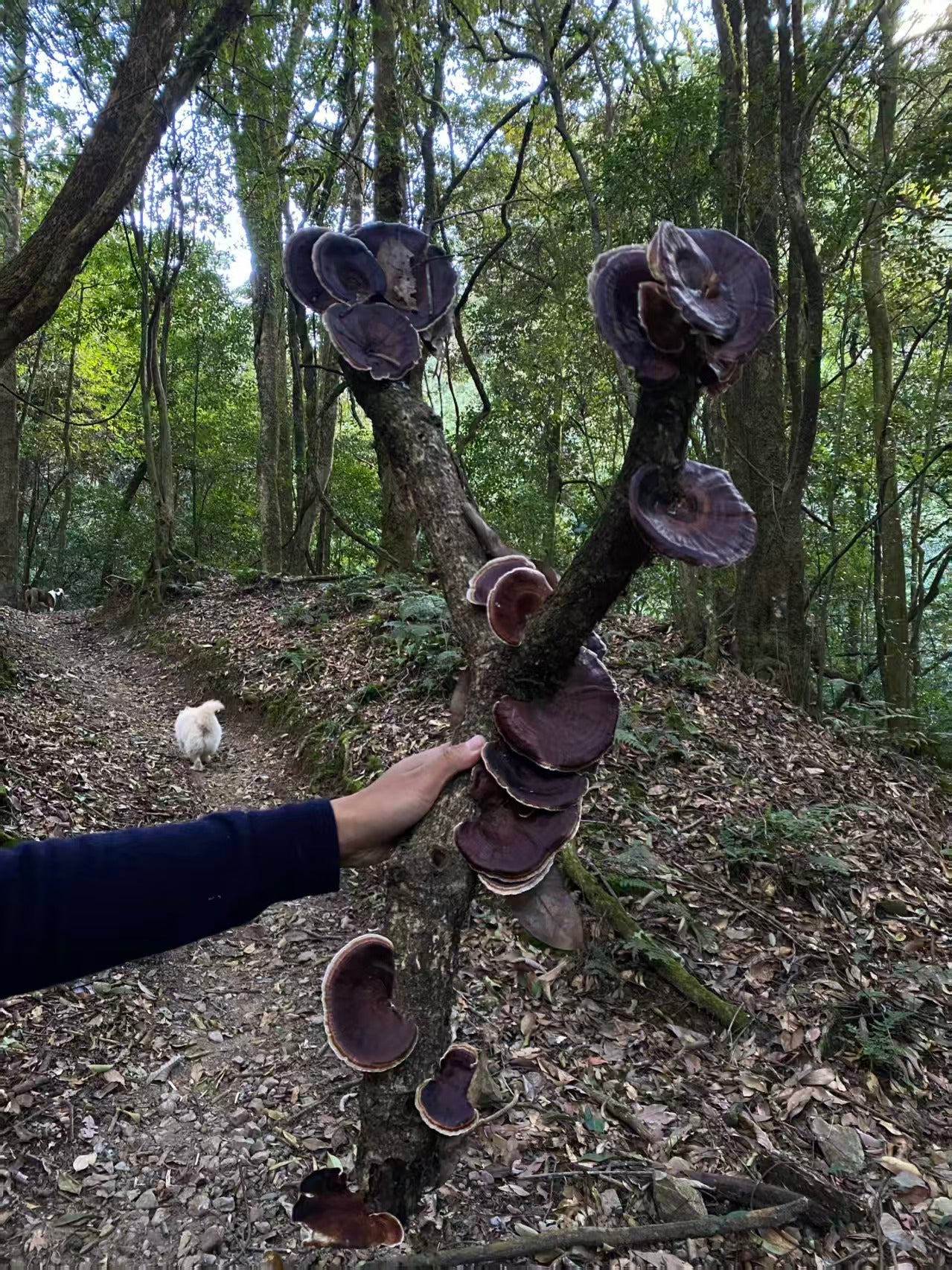
We entered Mount Mulianghua, named after the colorful magnolia flowers (scientific name: Magnolia campbellii) that grow there. The farmhouse owner lady, on a whim, also wanted to accompany us; it was a forest she knew well and often visited.
Our little discoveries: Teacher Zhuang climbed up a tree at night to pick passion fruit for us.
Photos